
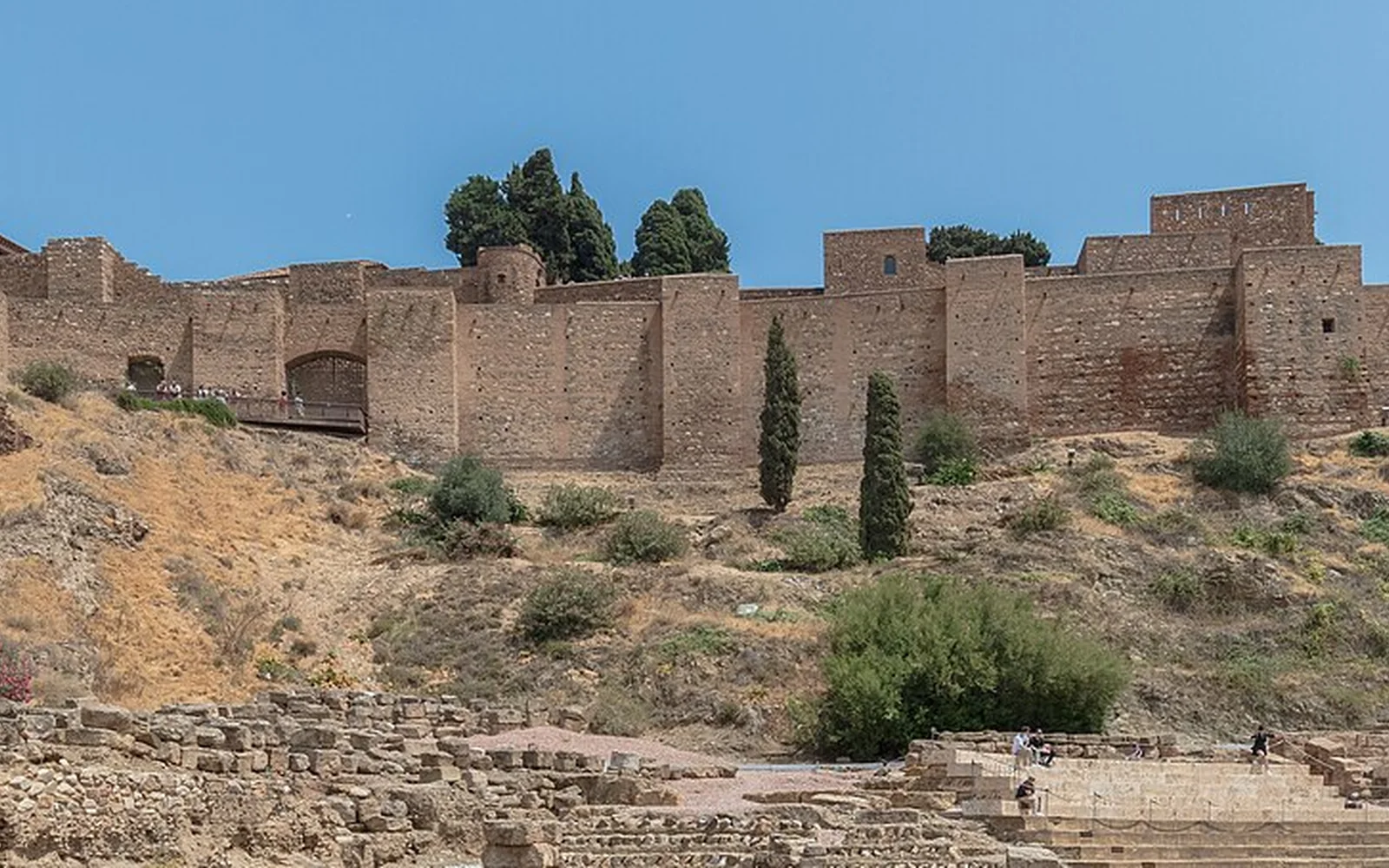
Málaga deserves more than an airport transfer. The Alcazaba, Roman theatre, cathedral, Picasso-related collections and harbour sit within a compact central area, while the city beach and fishing districts add a different pace.
Two days works for the old town, one major museum and the waterfront. Stay three days if you want the Gibralfaro climb, a second museum or time around Pedregalejo without turning the visit into a resort commute.
What to prioritise
Alcazaba and Gibralfaro
The Alcazaba rises directly above the Roman theatre. Gibralfaro sits higher and needs extra time, a bus or a demanding uphill walk. Visit early in warm weather.
Museums and old streets
Málaga has more museum depth than many short-break visitors expect. Choose a collection that fits your interests, then use the cathedral and market streets to connect the day.
Port and eastern beaches
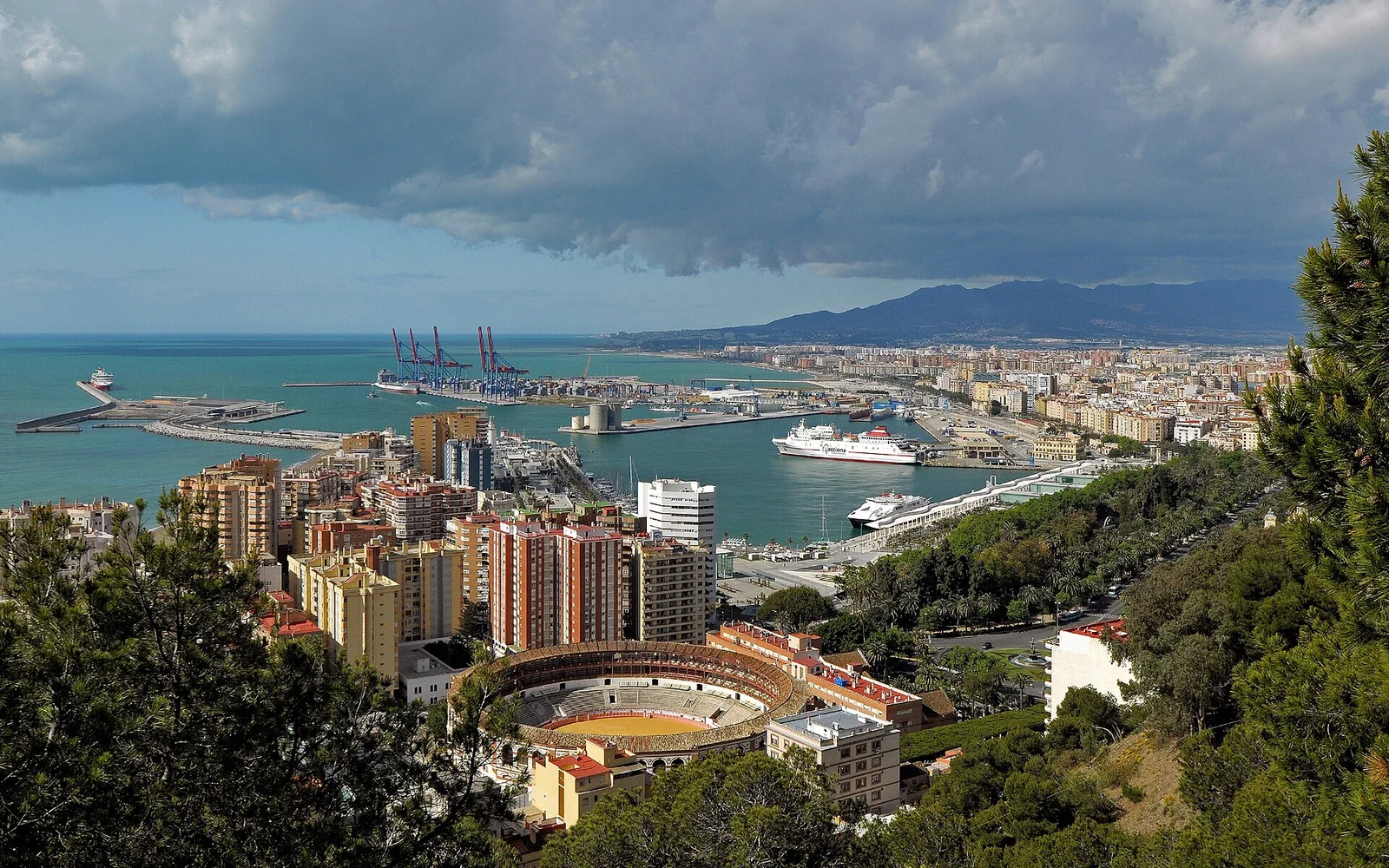
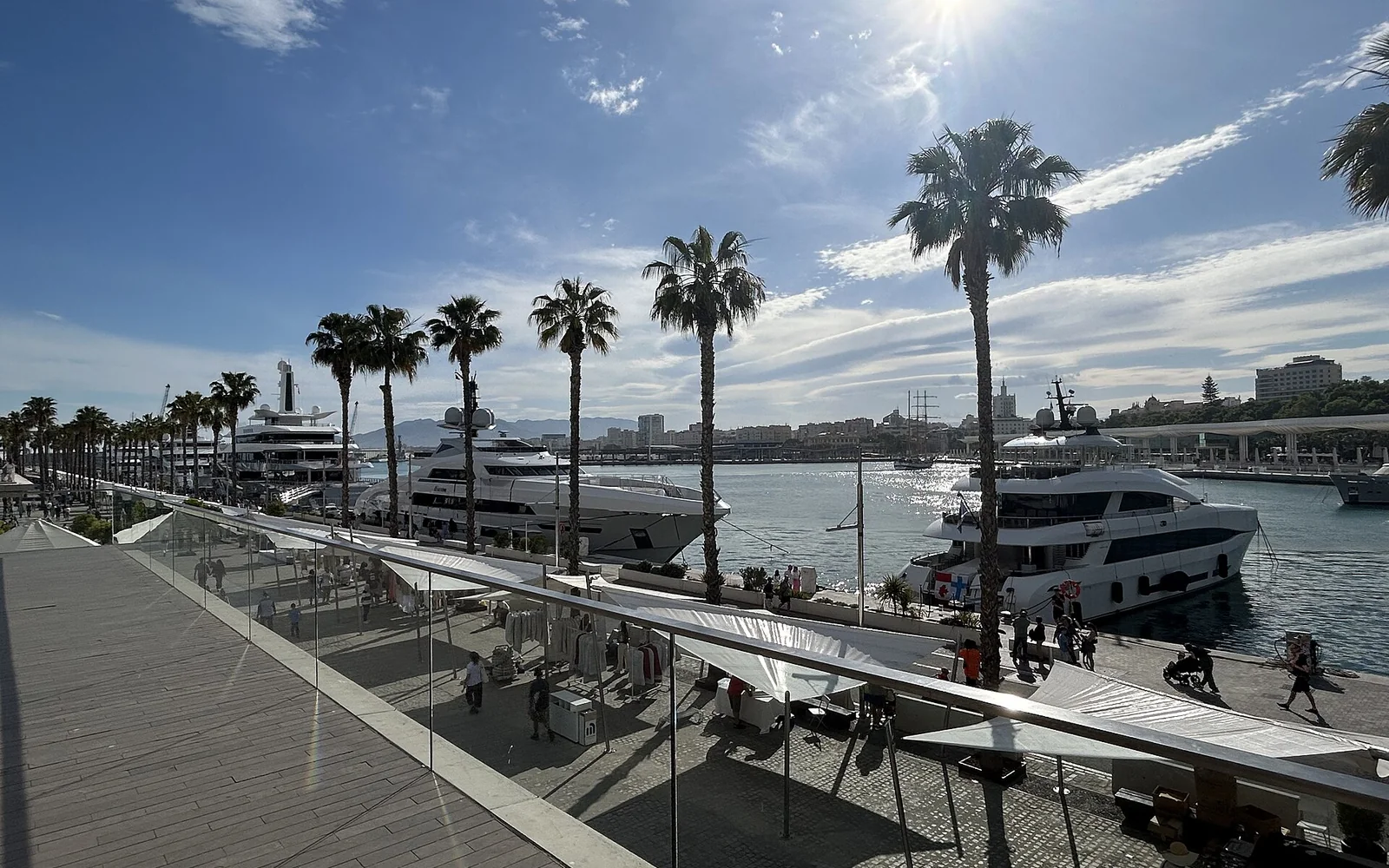
Muelle Uno and La Malagueta are the easiest waterfront additions. Pedregalejo and El Palo provide a more local seafront food scene farther east.
Where to stay
Centro Histórico is best for a short culture-focused visit but can be noisy. Soho works for the station, street art and harbour. La Malagueta suits beach access, while Pedregalejo is calmer and better for travellers willing to bus into the centre.
A practical itinerary
- Day 1: visit the Roman theatre and Alcazaba, then explore the cathedral streets and central market area.
- Day 2: choose a museum, walk Muelle Uno and continue to La Malagueta or an eastern seafront meal.
- Day 3: add Gibralfaro early, then keep the afternoon free for a second collection or Pedregalejo.
Getting there
Málaga Airport has suburban rail and bus connections. María Zambrano station handles high-speed and regional trains, with the bus station beside it. Both sit west of the old centre but are linked by local transport.
Getting around
Walking covers the historic core and port. Buses are useful for Gibralfaro and eastern beaches. Local rail serves the airport and western Costa del Sol, but it does not reach every resort or hill town.
Food to look for
Try espetos de sardinas at a reputable beachside chiringuito, porra antequerana and fried local fish. Central market stalls are useful for produce and snacks, while full seafood meals are better at places with clear pricing.
When to visit
Spring and autumn suit the fortress and city walks. Summer works for the coast but brings strong heat and busy beaches. Winter is mild by inland Spanish standards, though sea and evening conditions can still be cool.
Accessibility
The central pedestrian area and waterfront are mostly level. Fortifications involve slopes, steps and uneven surfaces. Check accessible entrances and consider the bus or taxi for Gibralfaro.
Practical limits
Málaga city, Marbella and the wider Costa del Sol are separate places. Do not label a distant resort as central Málaga. Keep airport, coast and hill-town transfers realistic when building a regional route.
Nearby places
Marbella offers an old town and resort coast to the west. Ronda is inland and needs more travel time. Granada has stronger rail and coach links and works well as the next overnight city.
Places to add to your map
- Alcazaba: Historic fortress above the Roman theatre.
- Málaga Cathedral: Central landmark within the old town.
- Muelle Uno: Harbour promenade linking the centre and La Malagueta.
Open the route planner to place these stops in a wider Spain trip.
Continue planning
Questions about Málaga
Is Málaga worth visiting without a beach holiday?
Yes. The Alcazaba, historic centre and museum collections make a strong two-day city break even without beach time.
How many days do I need in Málaga?
Two days covers the central sights and waterfront. Three days allows Gibralfaro, more museums or time in an eastern beach district.
Can I use Málaga as a base for Andalusia?
It works well for selected coast and city links, but Seville, Cádiz and many hill towns are too far for repeated day trips. Use additional bases for a broader route.
Sources and updates
This guide was last reviewed on 28 August 2026. Transport, access and opening arrangements can change, so check the official source before travel.
- Renfe passenger information, Renfe
- Spanish airports, Aena
- Official Málaga tourism, Málaga City Council
- Official Andalusia tourism, Andalusia Tourism