
Córdoba works as a day trip, but an overnight stay gives the Mosque-Cathedral, Jewish Quarter and Roman Bridge a much calmer rhythm. The centre is compact, though heat and cobbles can make short distances tiring.
One full day covers the headline sights. A second day allows Medina Azahara with current transport arrangements, more patios or time beyond the busiest lanes.
What to prioritise
Mosque-Cathedral
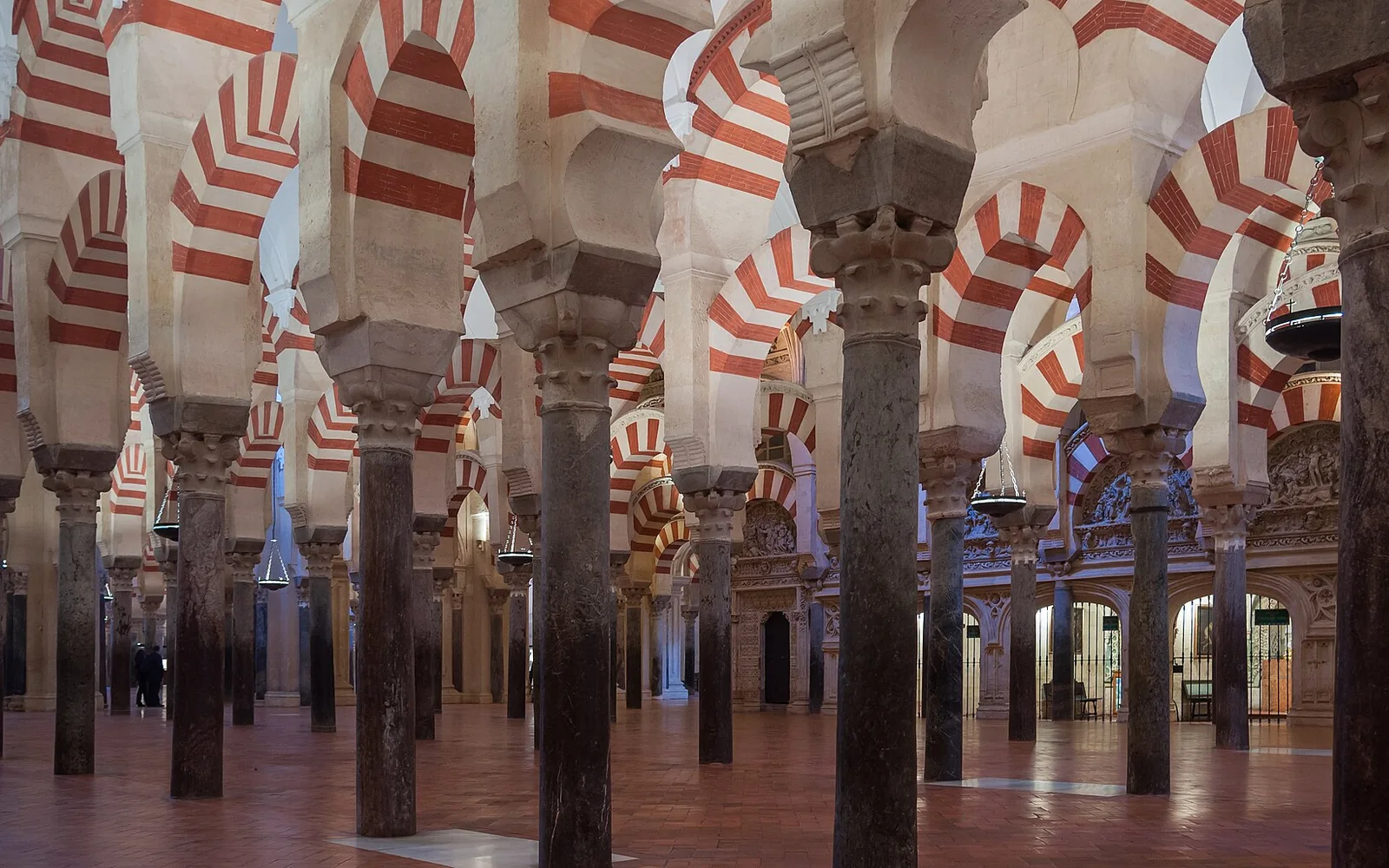
The forest of arches and later cathedral spaces require time to understand. Check the official site for entry arrangements and religious-service access before setting the day.
Jewish Quarter and Alcázar area
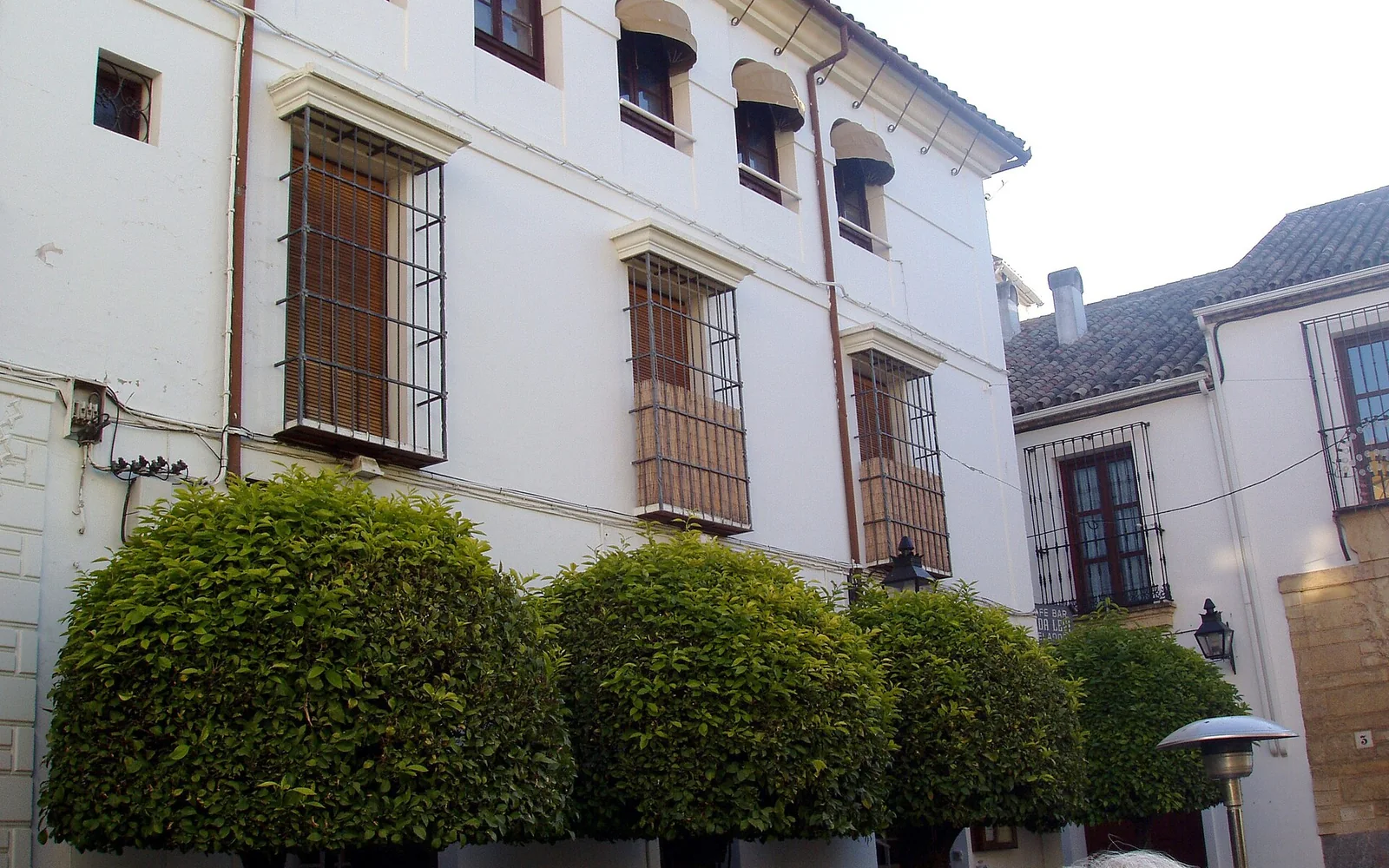
Narrow lanes, small courtyards and historic sites cluster west of the Mosque-Cathedral. Visit early, then step away from the busiest souvenir streets.
River and Roman Bridge
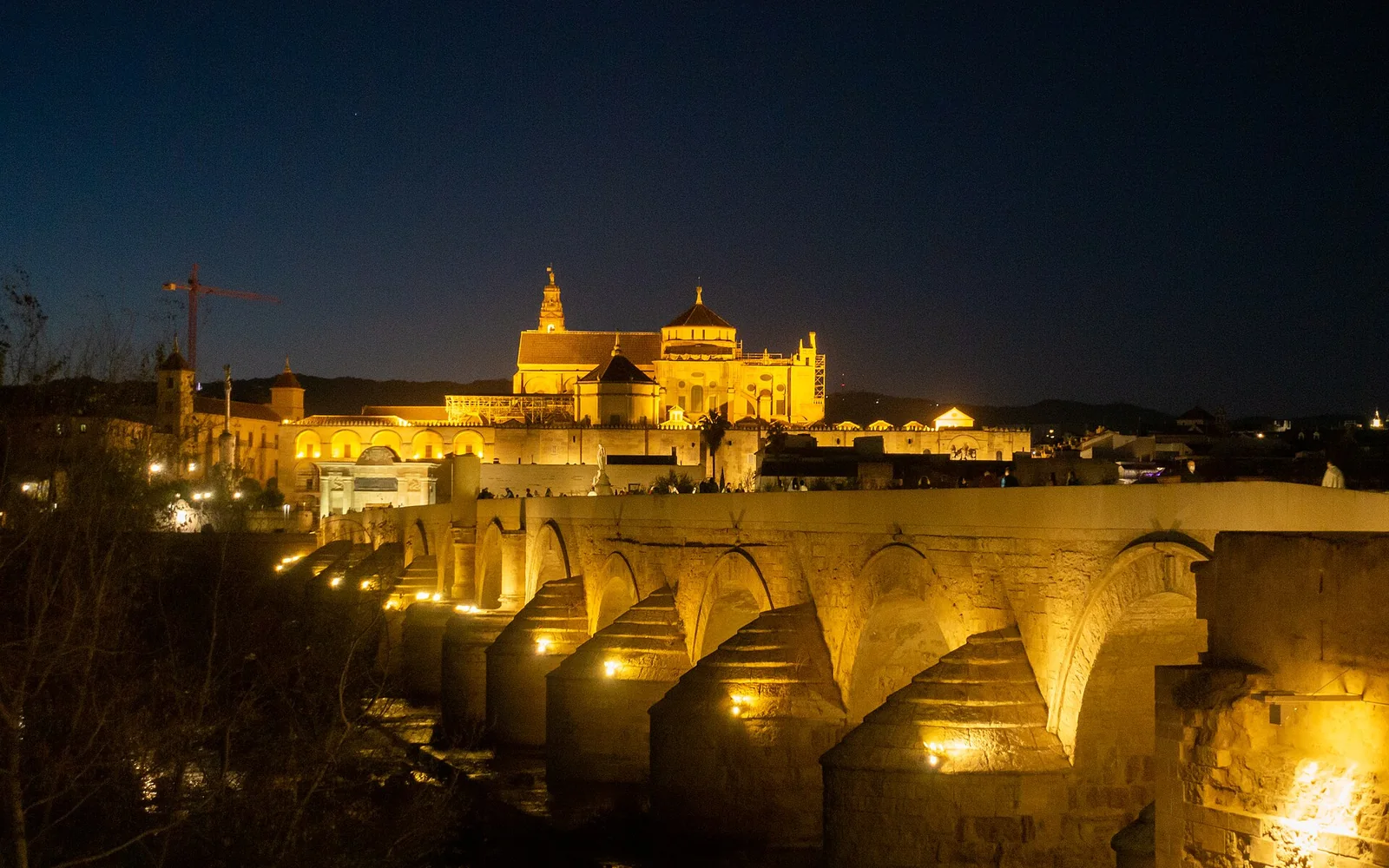
Cross the bridge for a broad city view, particularly when temperatures ease. The exposed river route is uncomfortable at midday in hot weather.
Where to stay
The old-town edge is convenient without placing luggage deep inside pedestrian lanes. Central commercial streets provide easier taxi access and local evening life. Check parking separately if arriving by car.
A practical itinerary
- Day 1: visit the Mosque-Cathedral early, walk the Jewish Quarter and Alcázar area, then cross the Roman Bridge near evening.
- Day 2: choose Medina Azahara with a verified transport plan, or remain central for patios, museums and neighbourhood streets.
Getting there
High-speed trains connect Córdoba with Madrid, Seville and Málaga. The station sits northwest of the old city, with buses and taxis available. A day trip is straightforward, but protect the return time from a long monument queue.
Getting around
Walking is best inside the historic area. Buses help with the station and outer sites. A car has little value in the centre and requires attention to restricted streets and designated parking.
Food to look for
Try salmorejo, flamenquín, rabo de toro and fried aubergine with honey. Shaded courtyards are pleasant for meals, but choose places by menu and quality rather than floral decoration alone.
When to visit
Spring is famous for courtyard displays and events, with high demand. Autumn is comfortable. Summer can be extremely hot, requiring early starts and long indoor breaks.
Accessibility
The old city is fairly level but has cobbles, narrow pavements and thresholds. Major monuments provide access information, though historic surfaces remain. The bridge is broad but exposed.
Practical limits
Do not copy festival dates from an old article. Patio access and events change each year. In summer, a normal walking plan can become unsafe during the hottest hours.
Nearby places
Seville and Málaga are straightforward rail connections. Granada also fits an Andalusia route but needs its own Alhambra booking and stay.
Places to add to your map
- Mosque-Cathedral: Main monument in the historic centre.
- Roman Bridge: River crossing with views back to the old city.
- Plaza del Potro: Useful anchor east of the cathedral quarter.
Open the route planner to place these stops in a wider Spain trip.
Continue planning
Questions about Córdoba
Can I visit Córdoba as a day trip?
Yes, especially by high-speed train from Seville or Madrid. One night is better if you want evening streets and a second attraction.
What should I book in Córdoba?
Check official entry for the Mosque-Cathedral and any guided visit that matters. Festival-period accommodation also needs early booking.
Is Córdoba too hot in summer?
Afternoon heat can be severe. Plan monuments early, rest at midday and carry water. Spring or autumn is easier for long walks.
Sources and updates
This guide was last reviewed on 28 August 2026. Transport, access and opening arrangements can change, so check the official source before travel.
- Spain tourism, Turespaña
- Renfe passenger information, Renfe
- Official Córdoba visitor information, Córdoba Tourism Consortium
- Official Andalusia tourism, Andalusia Tourism