
Seville’s main monuments sit close together, but the city should not be rushed. The cathedral, Giralda and Royal Alcázar can fill most of a day, while Triana, Plaza de España and the northern neighbourhoods deserve separate time.
Two full days cover the essentials. Three days allows a slower pace, an evening flamenco performance from a reputable venue and proper breaks during hot afternoons.
What to prioritise
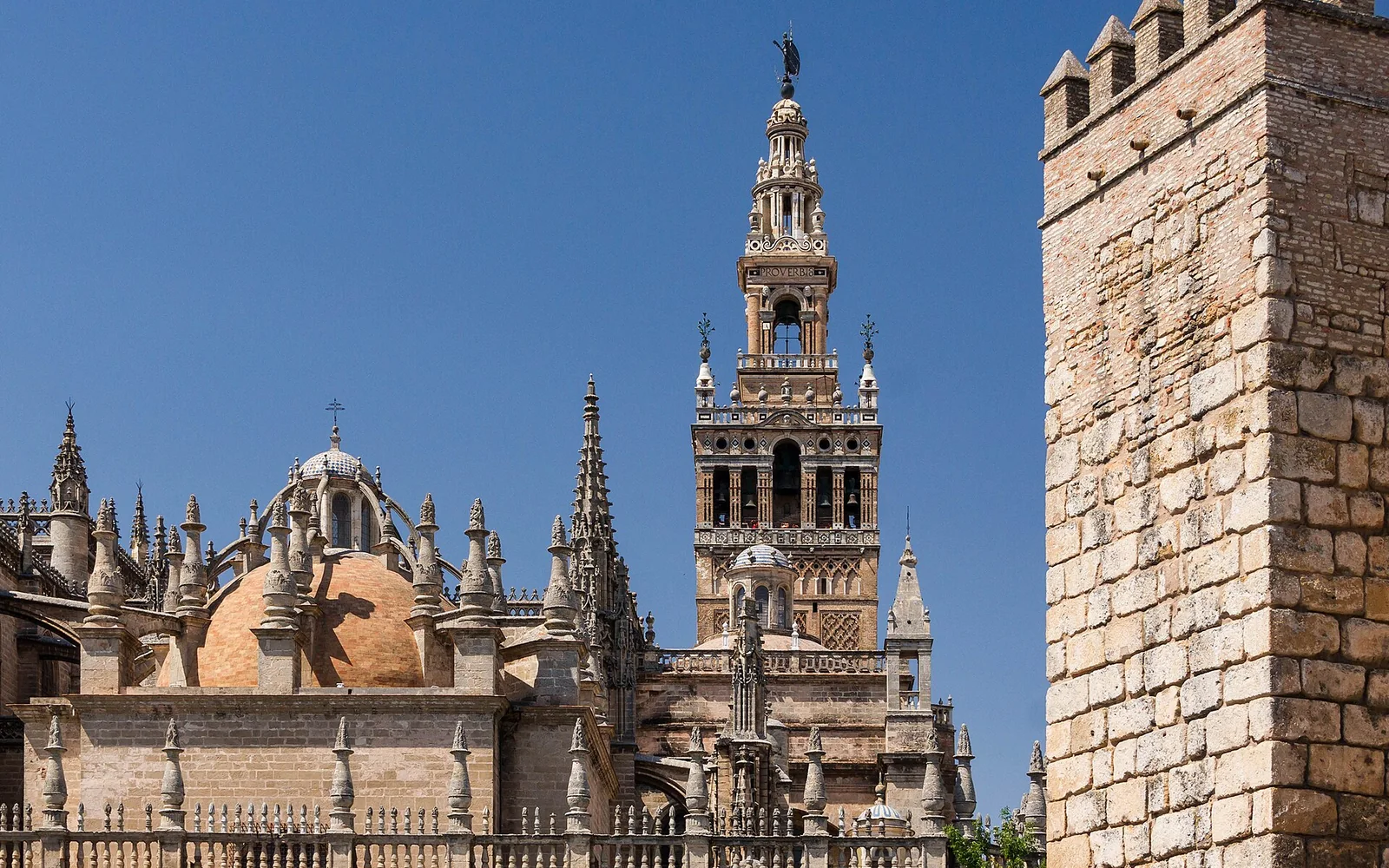
Cathedral and Alcázar
These are the two major timed visits. Book through official channels and avoid placing both interiors back to back if you also want to climb the Giralda or walk Santa Cruz.
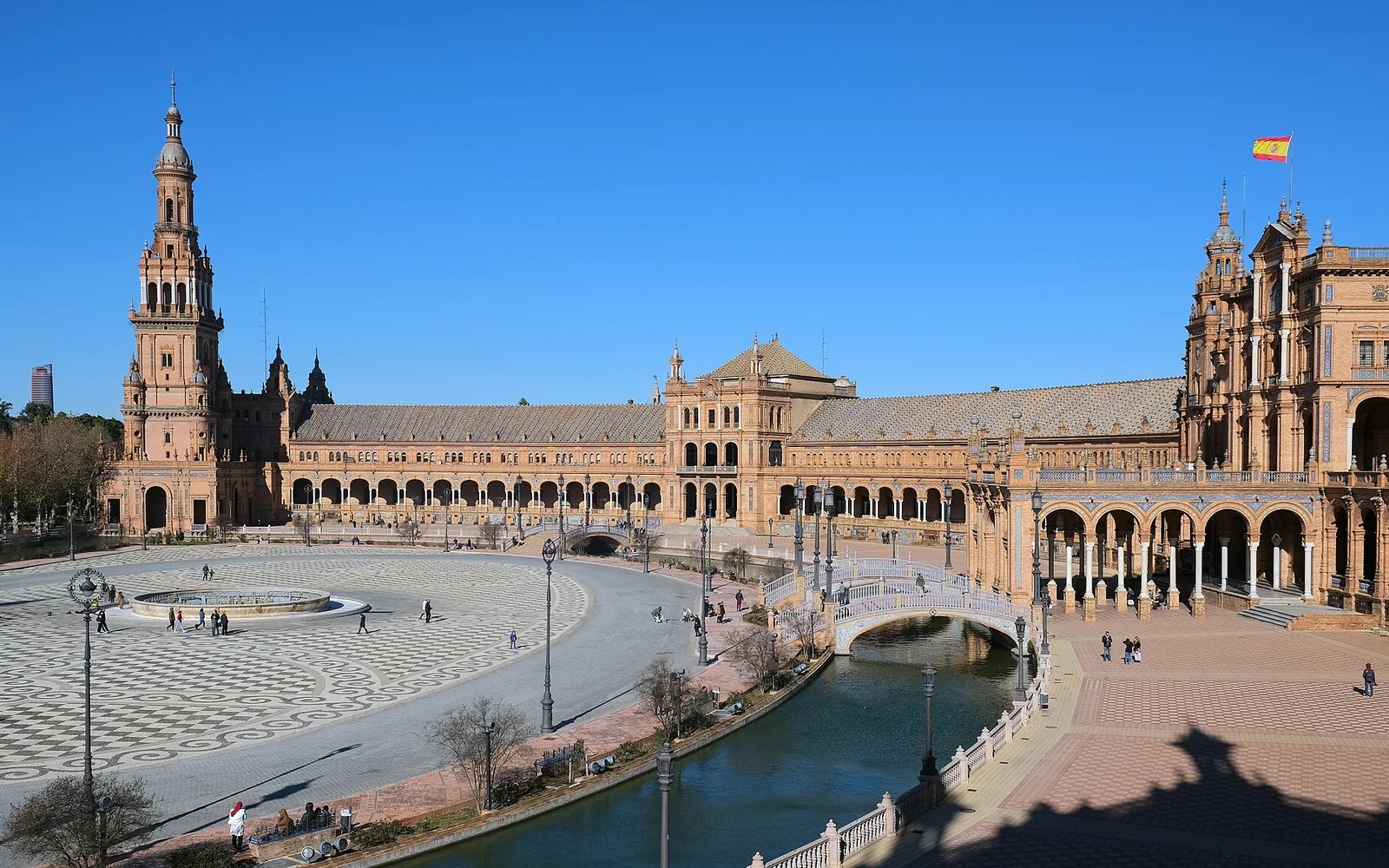
Plaza de España and María Luisa Park
The tiled plaza and surrounding park make a natural morning or late-afternoon route. Shade varies, so midday is uncomfortable in warm months.
Triana across the river
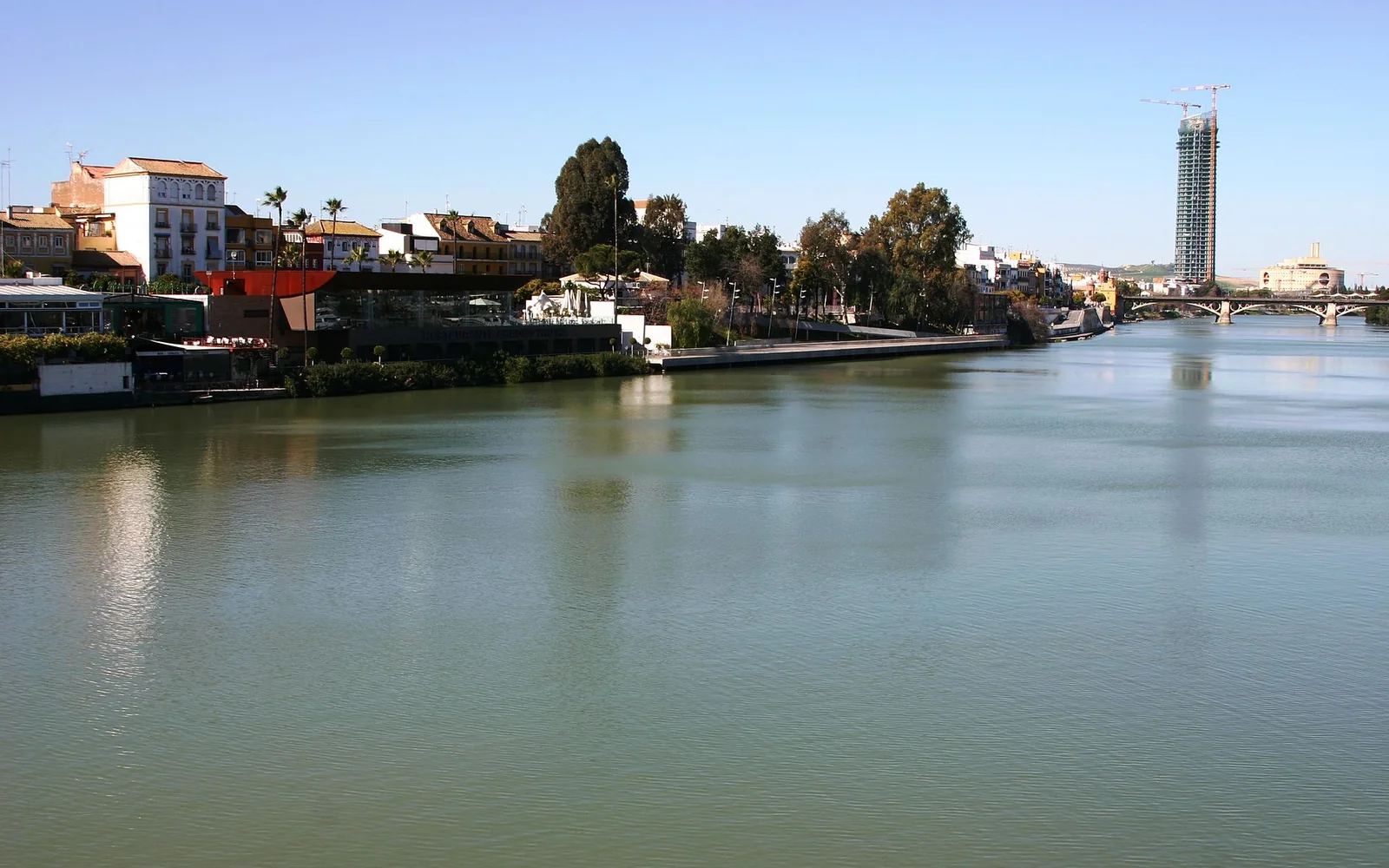
Cross from El Arenal for ceramics, market streets and views back toward the centre. Triana works best as a neighbourhood visit rather than a quick photo stop.
Where to stay
The edge of Santa Cruz is convenient for early monument visits, though its lanes can be busy. El Arenal sits between the cathedral and river. Alameda offers more evening life and a less formal atmosphere, with a longer walk to the main sights.
A practical itinerary
- Day 1: focus on the cathedral, Giralda, Royal Alcázar and nearby Santa Cruz streets.
- Day 2: walk Plaza de España and María Luisa Park, then cross the river to Triana before dinner.
- Day 3: choose Casa de Pilatos, a museum, Metropol Parasol or a slower northern-neighbourhood day.
Getting there
Seville Airport connects with the centre by airport bus and road transport. Santa Justa station receives high-speed and regional trains. The station is outside the tight historic core, so allow time for a bus, taxi or a longer walk.
Getting around
Most central sights are best reached on foot. Trams and buses help with the station, Plaza de España and outer districts. Cycling can work on marked routes, but crowded pedestrian streets require care.
Food to look for
Look for espinacas con garbanzos, salmorejo, fried fish and small tapas portions that make it easier to try several dishes. Kitchens may follow later hours than visitors expect, especially outside tourist-heavy streets.
When to visit
Spring and autumn are the most comfortable periods for walking. Summer heat can be severe, so plan early mornings, shaded lunches and evening activity. Major festivals change prices, access and crowd levels.
Accessibility
Flat central routes help, but cobbles and thresholds remain common around historic buildings. The Giralda ascent and palace surfaces need specific access checks. Confirm assistance directly with each monument.
Practical limits
Do not underestimate heat or schedule every monument at midday. Horse-carriage rides require careful welfare judgment. Flamenco quality also varies, so choose a recognised venue rather than accepting street sales pressure.
Nearby places
Córdoba is the simplest major rail addition. Cádiz offers an Atlantic contrast, while Ronda needs more travel time and works better as an overnight stop within a wider Andalusia route.
Places to add to your map
- Royal Alcázar: Timed palace visit beside the cathedral.
- Plaza de España: Landmark within María Luisa Park.
- Triana Market: Useful anchor for exploring Triana.
Open the route planner to place these stops in a wider Spain trip.
Continue planning
Questions about Seville
Is two days enough for Seville?
Two full days covers the main monuments, Plaza de España and a short Triana visit. Three days gives the city a much better pace.
Where is the best area to stay in Seville?
El Arenal is practical for a first visit. The edge of Santa Cruz is closest to the monuments, while Alameda suits travellers who value evenings and local bars.
Is Seville too hot in summer?
Summer afternoons can be extremely hot. A visit is possible with early starts, long midday breaks, water and flexible plans, but cooler seasons are easier for walking.
Sources and updates
This guide was last reviewed on 28 August 2026. Transport, access and opening arrangements can change, so check the official source before travel.
- Renfe passenger information, Renfe
- Spanish airports, Aena
- Official Seville visitor information, Seville City Council
- Official Andalusia tourism, Andalusia Tourism