
Start with the essentials
Plan Madrid Region at a glance
- Main base
- Madrid city
- Useful time
- 4 to 7 days
- Main transport
- Metro, rail and bus
- Car use
- Mostly for rural routes
- Comfortable seasons
- Spring and autumn
About Madrid Region
Why explore Madrid Region
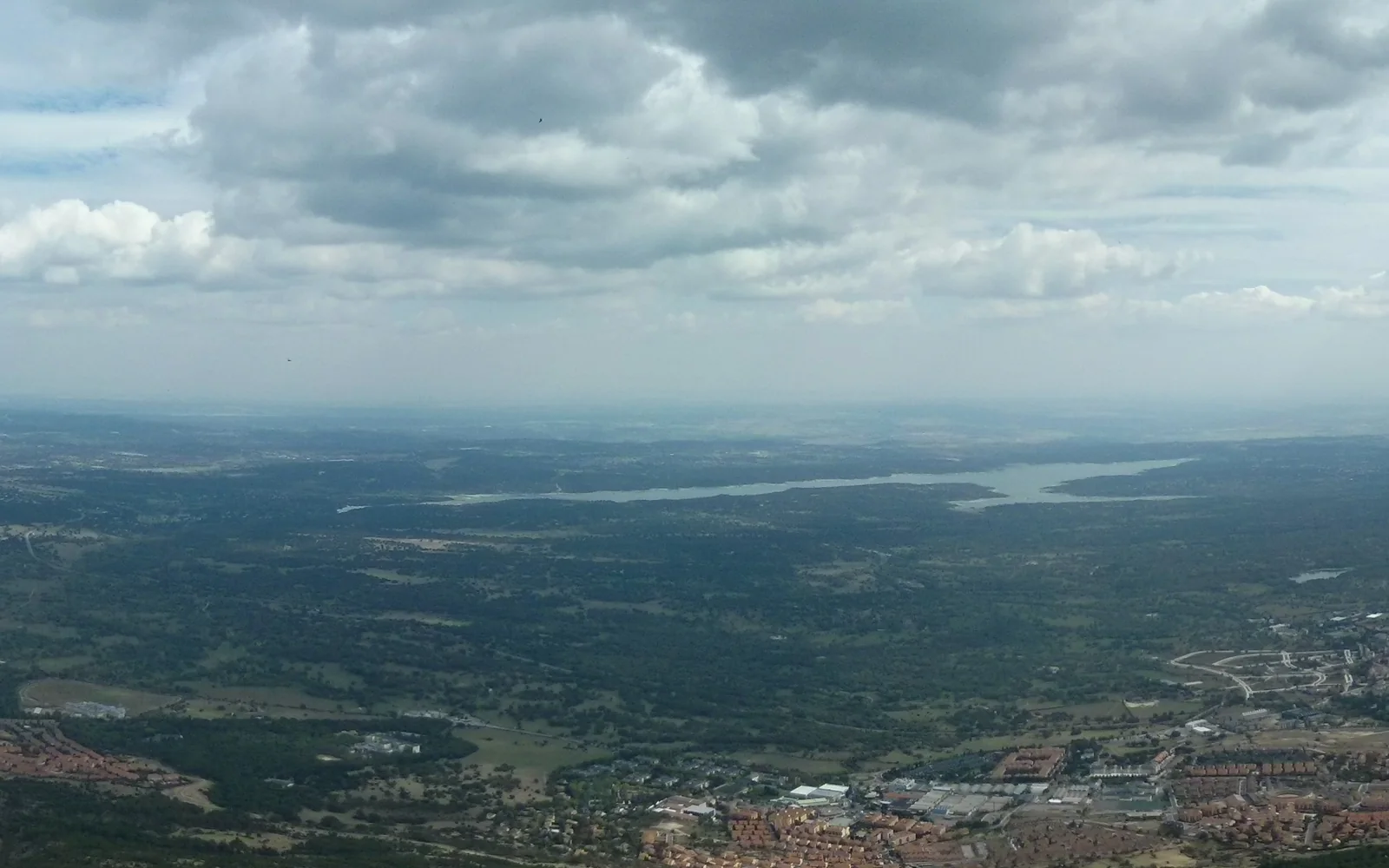
Madrid is the natural base, but the surrounding region changes the shape of a central Spain trip. Alcalá de Henares adds a walkable university city, Aranjuez pairs a royal palace with formal gardens, and San Lorenzo de El Escorial places a monumental complex against the Guadarrama foothills.
The region also offers smaller-town streets and mountain days without requiring another long-distance base. Chinchón works as a compact heritage stop, while the Sierra de Guadarrama needs a route chosen around weather, trail conditions and the transport available to the exact starting point.
Plan the region
Keep Madrid for museums, neighbourhoods and evenings, then add regional stops one at a time. Alcalá, Aranjuez and El Escorial lie on different corridors, so combining two of them in a single day usually creates unnecessary backtracking.
Rail is useful for the three heritage cities, while intercity buses open more small-town and mountain options. A car adds flexibility in rural areas, but it is a burden in central Madrid and does not remove the need to check regulated park access.
Choose where to spend your time
Places to explore
6 guides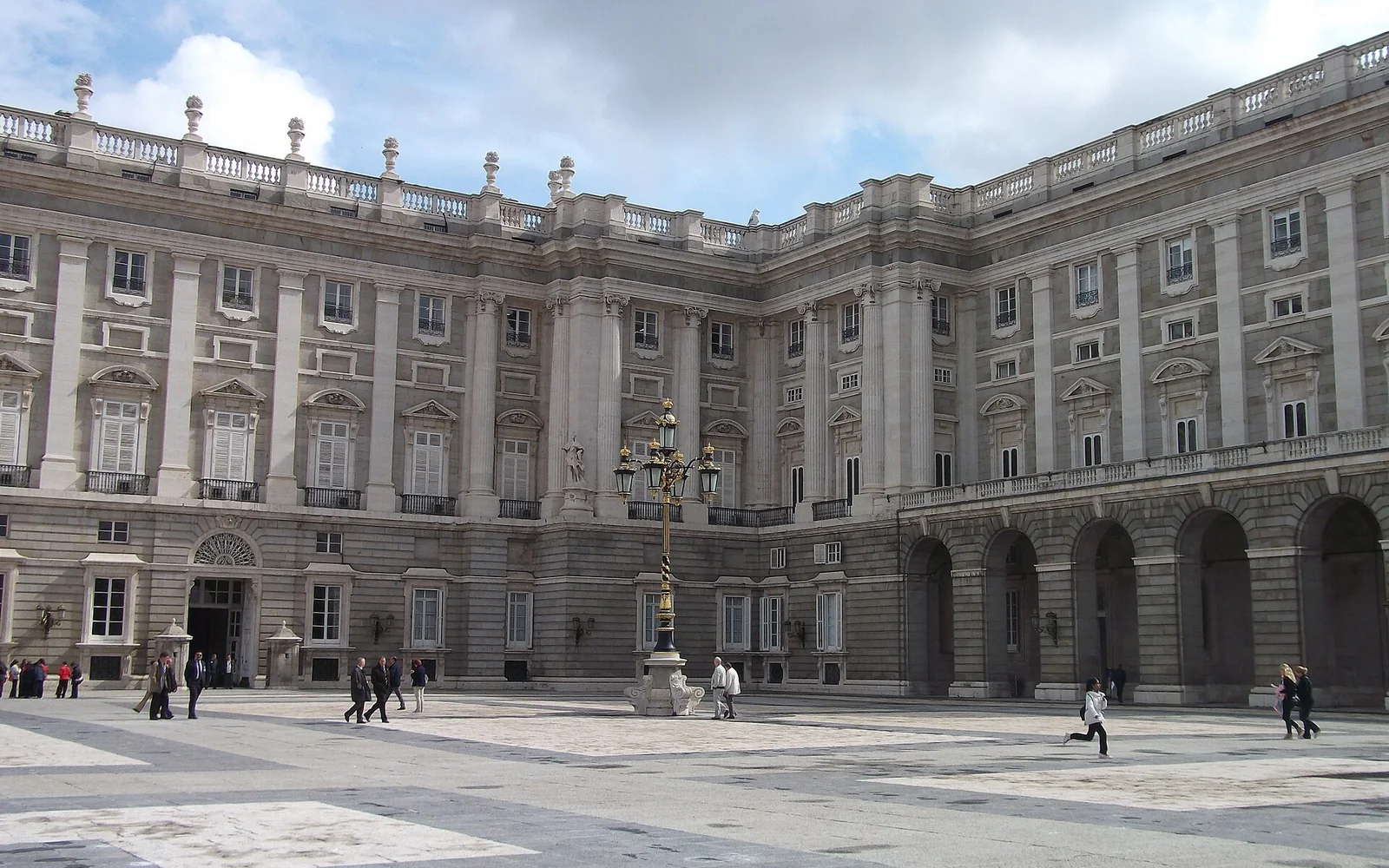
Madrid
Madrid combines major art museums, late-running neighbourhoods, royal landmarks and large parks in a city that rewards several unhurried days.
Open guide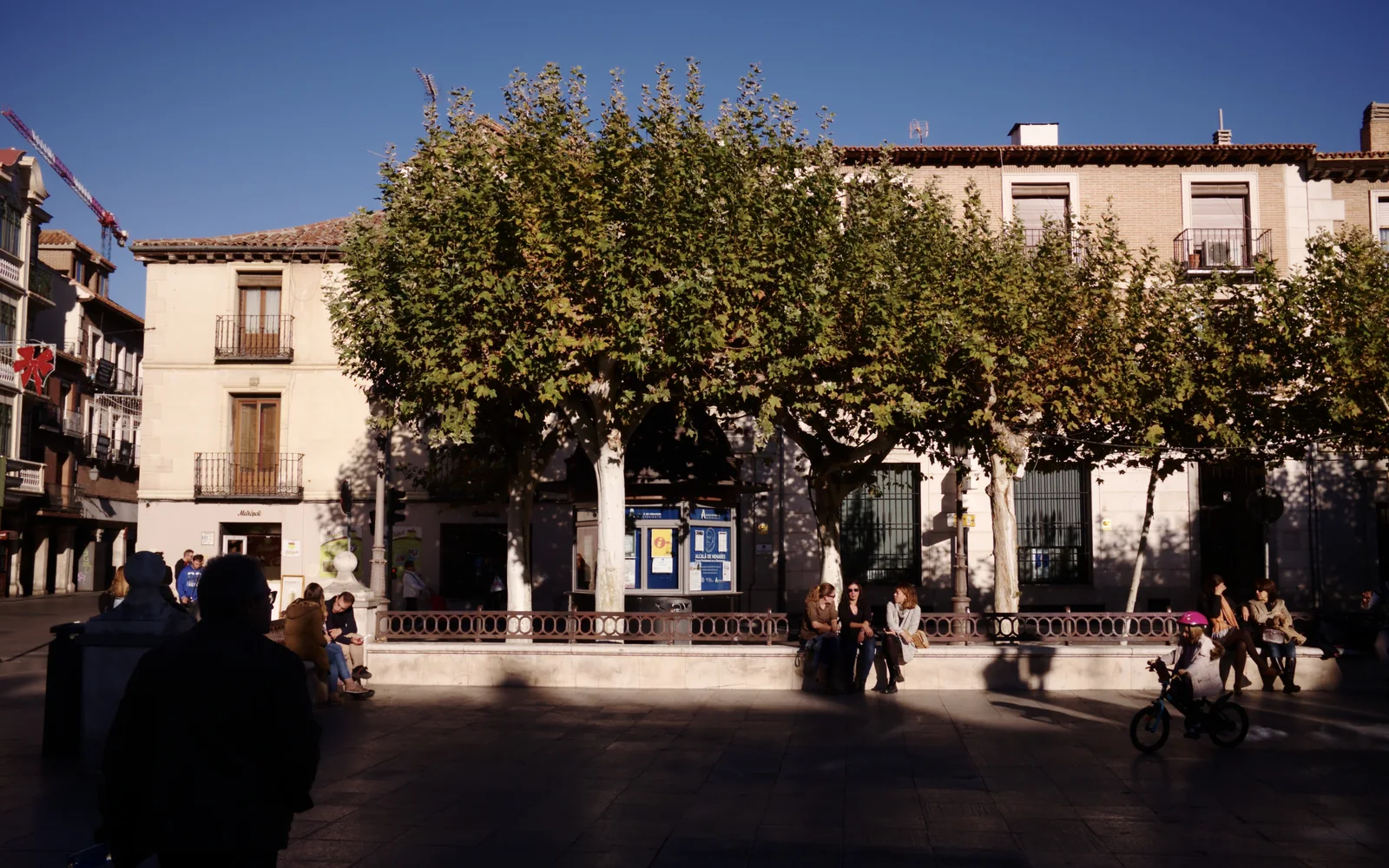
Alcalá de Henares
A university city of arcaded streets, historic colleges and Cervantes connections on Madrid’s eastern rail corridor.
Open guide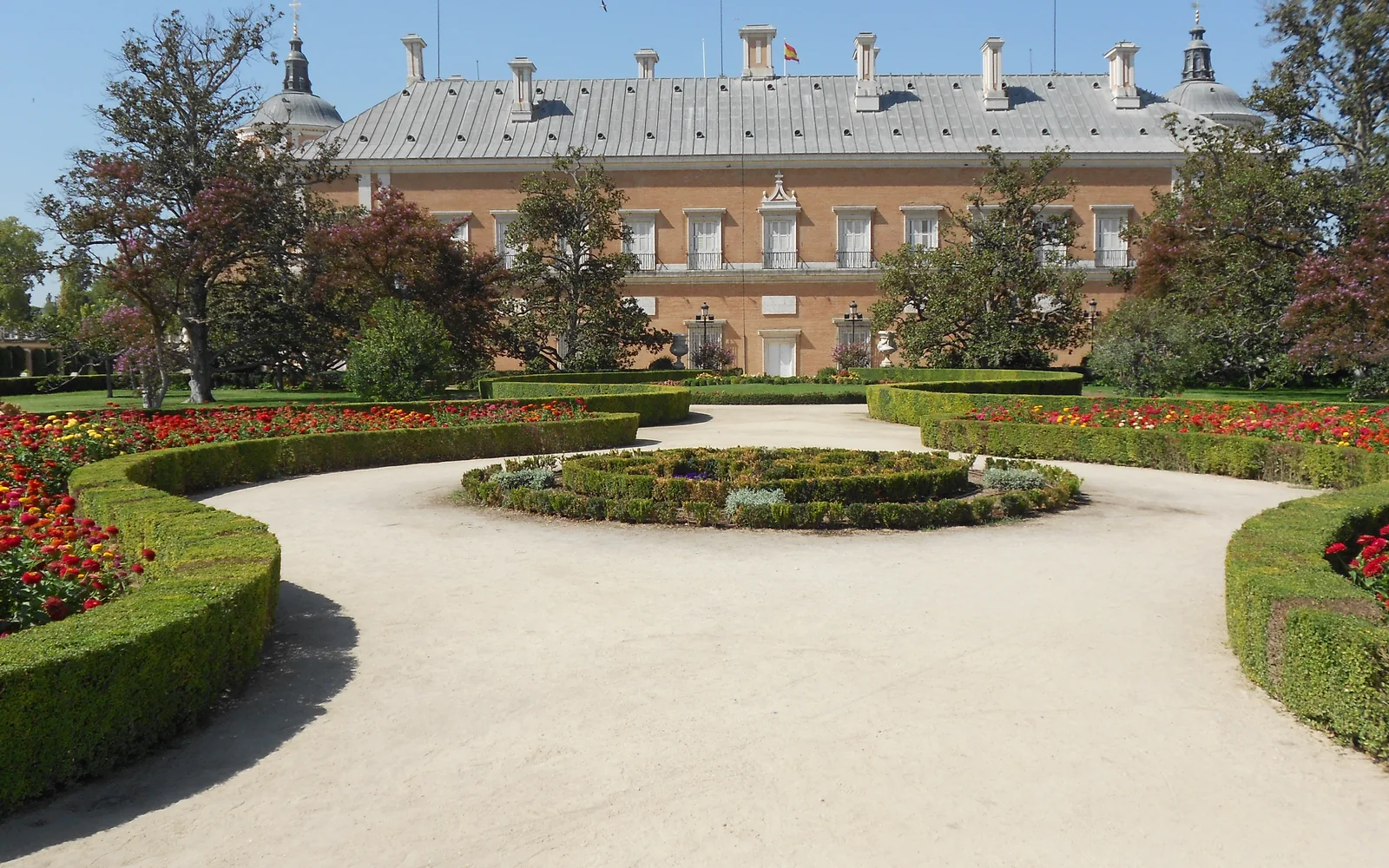
Aranjuez
A royal town where palace rooms, formal gardens and riverside landscapes form a UNESCO-listed cultural landscape.
Open guide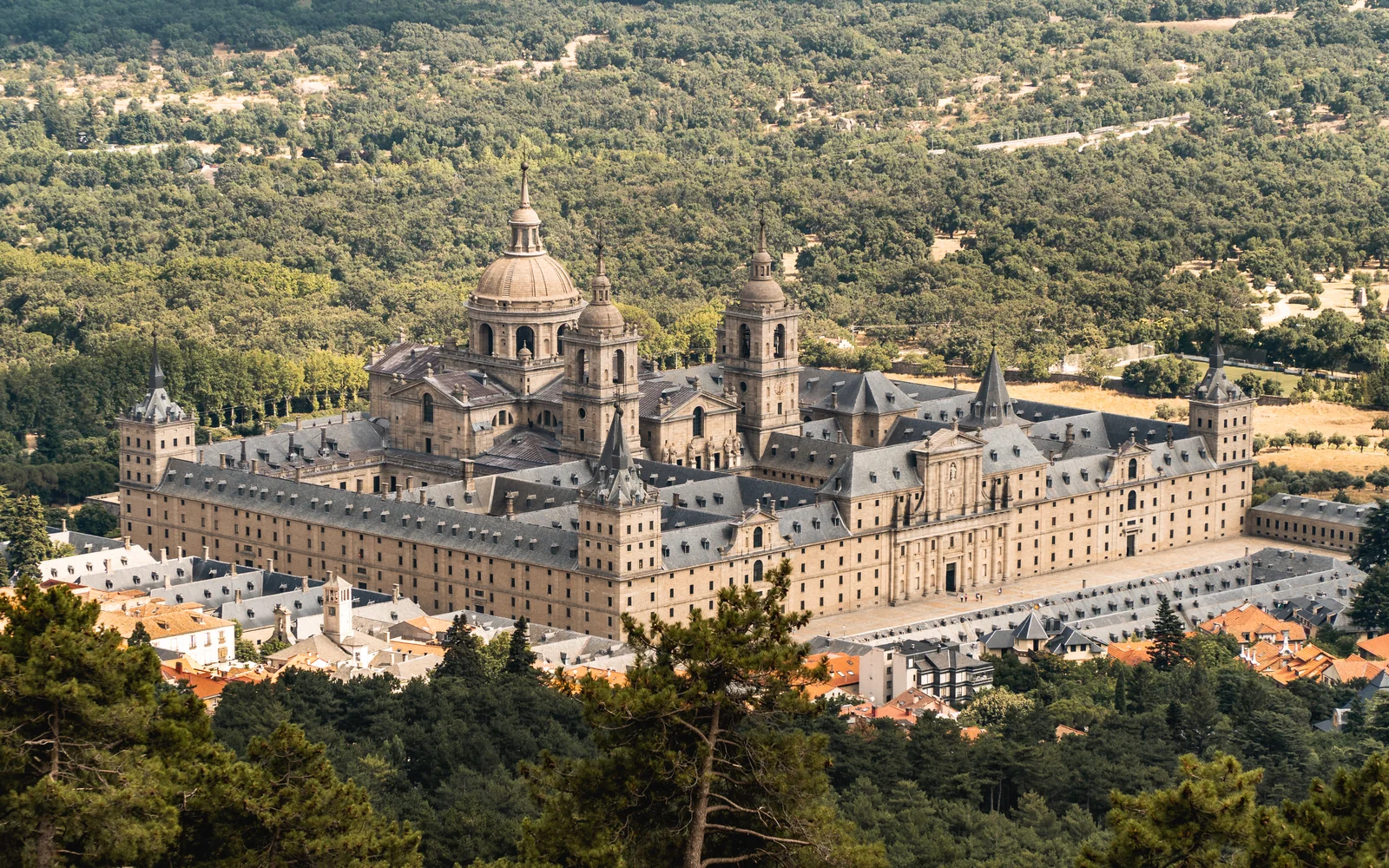
San Lorenzo de El Escorial
A mountain-edge town dominated by the Royal Monastery, with historic gardens and walks below Mount Abantos.
Open guide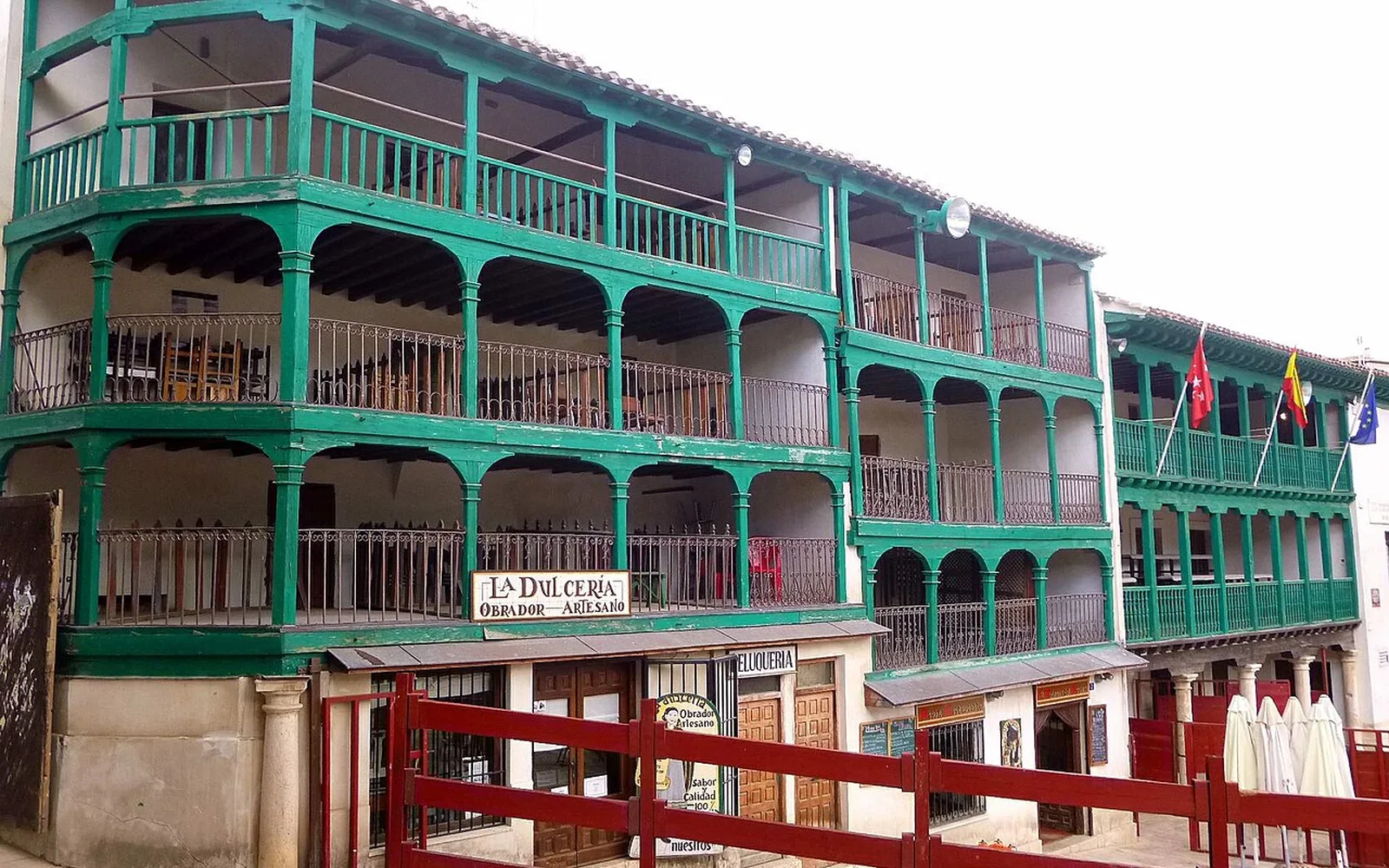
Chinchón
A compact Castilian town centred on an irregular Plaza Mayor lined with wooden balconies and historic streets.
Open guide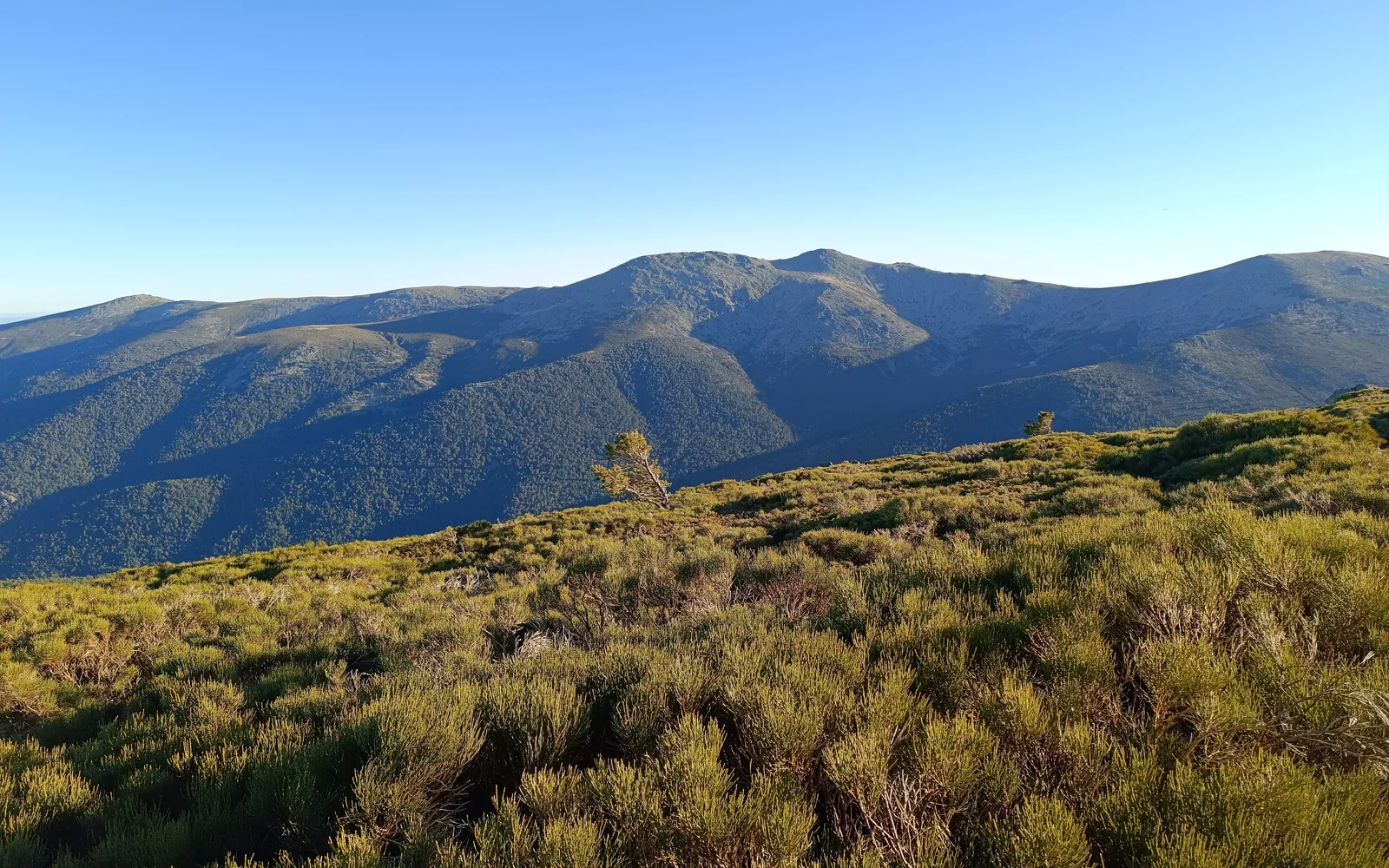
Sierra de Guadarrama National Park
High ridges, pine forests and granite landscapes spread across Madrid and Castile and León, with this guide focused on access from the Madrid side.
Open guideBuild a coherent route
Plan by area
Madrid city
Use the capital as the main base for museums, royal Madrid, parks and evening neighbourhoods. Give it at least three full days before treating the surrounding region as a set of day trips.
Heritage and royal towns
Alcalá de Henares, Aranjuez and San Lorenzo de El Escorial each justify a separate day. Their rail lines leave Madrid in different directions, and each has enough material for an unhurried visit.
Guadarrama mountains
Choose one gateway and one route rather than treating the whole mountain range as a single attraction. Cercedilla, Cotos and La Pedriza involve different transport, terrain and access arrangements.
South-east of the capital
Chinchón offers a smaller Castilian setting around Plaza Mayor. Public transport is possible, but a car becomes more useful when pairing it with rural stops beyond the town.
See the main travel bases
See Madrid Region’s main travel bases
Loading the map…
The six markers show the destinations covered in this guide. Open a marker for the detailed page, then check current transport and park access before travel.
Match the route to your time
What fits into your trip
Madrid only
Use all three days in Madrid. This covers one major museum day, the royal quarter and Retiro, with enough time for a neighbourhood evening. A regional excursion would mean giving up a substantial part of the capital rather than adding an easy extra stop.
Madrid and one regional day
Keep three full days for Madrid and choose either Alcalá, Aranjuez or El Escorial for a dedicated excursion. The remaining day can absorb arrival time, a second museum or a slower city route without forcing two separate rail corridors into one schedule.
City, heritage and nature
Spend four days in Madrid, add one heritage town and reserve a separate day for Chinchón or the Guadarrama mountains. Keep the final day flexible because mountain weather, timed palace visits and transport changes can affect the most sensible order.
Link the stops sensibly
Routes and day trips
Madrid works as the centre of a spoke-shaped route. Plan each regional day along one transport corridor and return to the same base, unless mountain walking or a quieter evening makes an overnight stay worthwhile.
Suggested regional routes
University city day
Take the eastern corridor to Alcalá de Henares. Build the day around the historic university precinct, Calle Mayor and Plaza de Cervantes, leaving time for a meal rather than returning immediately after the main monuments.
Open destination guidePalace and gardens day
Travel south to Aranjuez and treat the palace, gardens and riverside landscape as one visit. Check palace admission and garden access first because the useful order depends on current opening arrangements and the weather.
Open destination guideEl Escorial and the foothills
Give the monastery enough time before adding the historic town or a short walk near La Herrería. An overnight stay is worthwhile when you want a longer mountain route rather than a monument-focused return trip.
Open destination guideA Guadarrama route
Choose Cercedilla, Cotos or La Pedriza before leaving Madrid. Each gateway serves different trails and has different access limits, so use the official park information instead of selecting a route from distance alone.
Open destination guideWider itineraries
These routes include Madrid Region but continue to other parts of Spain.
Barcelona, Madrid, Seville and Granada in 11 daysTrips beyond the region
These trips use Madrid Region as a starting point but cross into a neighbouring region.
Toledo from Madrid by trainChoose transport by destination
Getting around Madrid Region
Madrid’s metro and buses handle city travel, while Cercanías and regional trains serve several important towns. Intercity buses cover places and trail gateways that rail misses. A car is useful for rural combinations, but parking and regulated access make it a poor default for central Madrid or busy mountain approaches.
Metro and city buses
Use public transport inside Madrid and walk within compact central districts. Driving between city sights adds parking and access problems without saving useful time.
Cercanías and regional rail
Rail is practical for Alcalá de Henares, Aranjuez and El Escorial. Confirm the station, line and final return before setting out because engineering work and timetable changes can alter the simplest connection.
Intercity buses
Buses are important for Chinchón, Manzanares el Real and several mountain towns. Note the Madrid departure point and the last return service, especially at weekends.
Driving
Rent a car for rural combinations or trailheads poorly served by public transport. Check parking capacity and current access controls for mountain areas before departure, and return the car before a city-centre stay where possible.
Choose dates that suit the route
When to visit
Spring and autumn suit long city walks and formal gardens, though rain and temperature changes still matter. Summer afternoons can be very hot in Madrid, Alcalá, Aranjuez and Chinchón, so outdoor routes work better early and palace or museum visits can fill the hottest hours.
The Sierra de Guadarrama follows mountain conditions rather than the city forecast. Winter can bring snow and ice, while hot, dry periods increase fire risk and may change access. Check the park, weather and transport information for the exact route on the day.
Read the seasonal guide for SpainAvoid common route problems
Planning checks
Do not combine opposite corridors
Alcalá lies east of Madrid, Aranjuez to the south and El Escorial to the north-west. Give each one its own day instead of crossing the capital to join two headline stops.
Check the named station
Long-distance, suburban and regional services use different stations and stopping patterns. Read the full ticket and current service notice rather than assuming every train leaves from Atocha.
Treat mountain access as variable
Road controls, parking limits, snow, heat and trail restrictions can change the usable plan. Choose a fallback town or city day before travelling to the mountains.
Quick answers
Questions about Madrid Region
How many days do I need for Madrid Region?
Five days gives Madrid three full days and leaves time for one regional excursion. Seven days supports two different regional days or one heritage town plus a carefully planned mountain route.
Can I explore Madrid Region without a car?
Yes. Madrid, Alcalá de Henares, Aranjuez and El Escorial are practical by rail, while intercity buses reach Chinchón and several mountain gateways. A car is mainly useful for rural combinations and less connected trailheads.
Which day trip should I choose first?
Choose Alcalá for a compact university city, Aranjuez for palace gardens, El Escorial for monumental royal history, Chinchón for a smaller town, or Guadarrama for a weather-dependent outdoor day.
Are Toledo and Segovia in Madrid Region?
No. Toledo belongs to Castilla-La Mancha and Segovia to Castile and León. Both are common trips from Madrid, but they are shown separately so the regional hierarchy remains accurate.
How this guide is checked
Sources and review
Reviewed 2 September 2026, next review due 2 March 2027. Services, access rules and opening arrangements can change, so check the official source before travel.
- Spain tourism, Turespaña
- Renfe passenger information, Renfe
- Official Madrid visitor information, Madrid Destino
- Madrid Region travel information, Turespaña
- University and Historic Precinct of Alcalá de Henares, UNESCO World Heritage Centre
- Aranjuez Cultural Landscape, UNESCO World Heritage Centre
- Monastery and Site of the Escurial, Madrid, UNESCO World Heritage Centre
- Sierra de Guadarrama National Park access information, Sierra de Guadarrama National Park
- Sierra de Guadarrama National Park, Community of Madrid
- Cercanías stations in Madrid Region, Consorcio Regional de Transportes de Madrid
Continue through Spain
Regions that connect naturally
Castilla-La Mancha
Historic plateau cities and open landscapes south of Madrid, with Toledo as the strongest first stop.
Castile and León
University heritage, Roman engineering and monumental old cities across Spain’s northern plateau.
Continue planning
See more of Spain
Use the country guide to compare Madrid Region with other regions and destinations in Spain.