
Start with the essentials
Plan Castile and León at a glance
- Useful time
- 6 to 12 days
- Best approach
- Follow one corridor
- Main transport
- Rail and bus
- Car use
- Useful between smaller places
- Evening bases
- Salamanca, Burgos or León
About Castile and León
Why explore Castile and León
The region contains several of Spain’s strongest historic cities, but they are not variations of one place. Salamanca centres on university life and sandstone squares, Segovia on its aqueduct and ridge-top old town, and Ávila on a complete medieval wall circuit.
Burgos and León extend the route north along the Camino de Santiago, with major cathedrals, museums and lively central streets. The space between cities is part of the planning, not empty distance.
Plan the region
Choose the west around Salamanca and Ávila, the Madrid-linked stops of Segovia and Ávila, or the northern Burgos and León corridor. Combining all five needs more than a few day trips.
Rail is fast on selected lines but not always direct between regional cities. Buses fill many gaps, while a car helps with villages, monasteries and landscapes beyond the covered urban bases.
Choose where to spend your time
Places to explore
5 guidesSalamanca
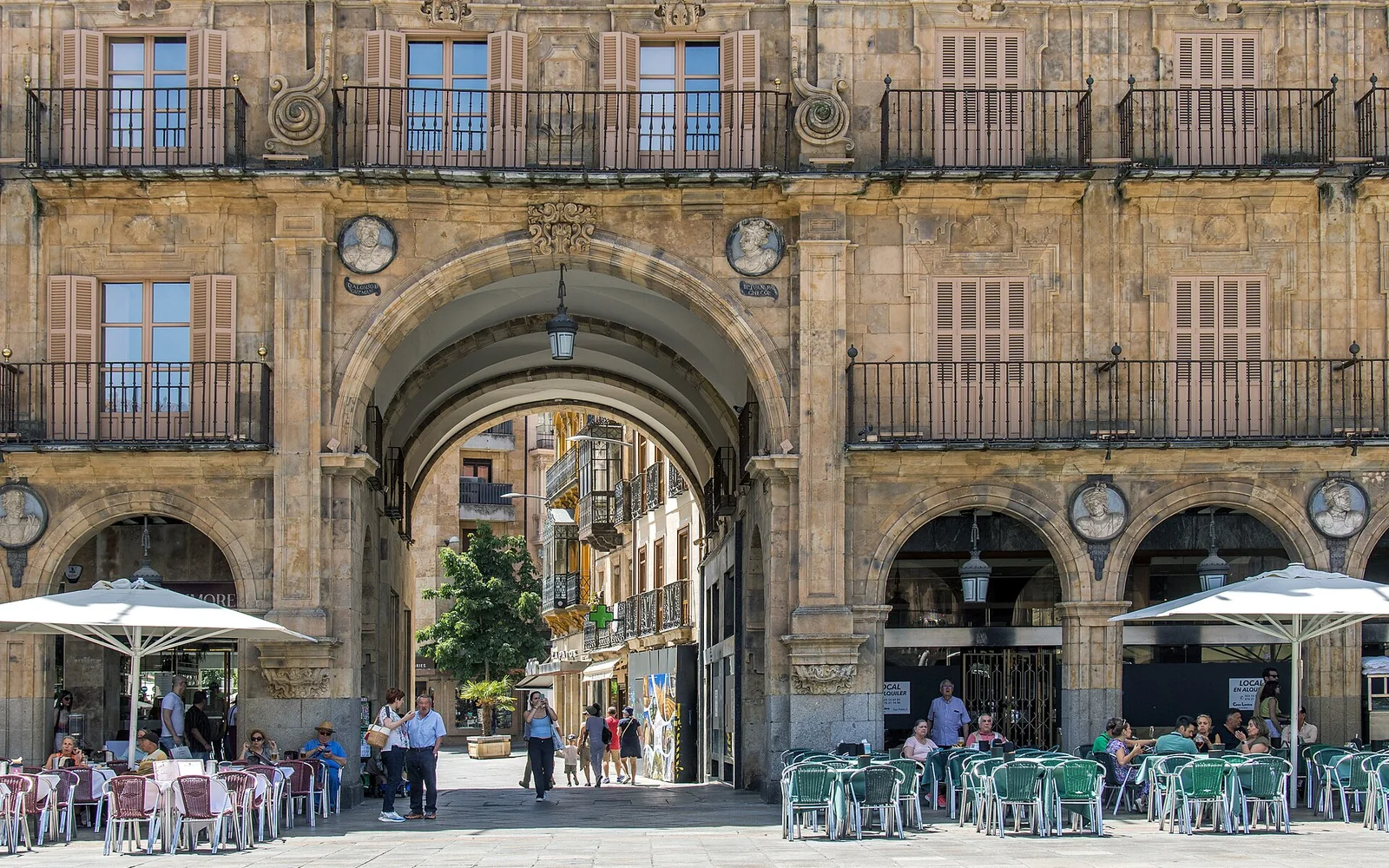
Salamanca’s warm sandstone centre brings an old university, two cathedrals, arcaded squares and a lively student rhythm into an easy walking city.
Open guide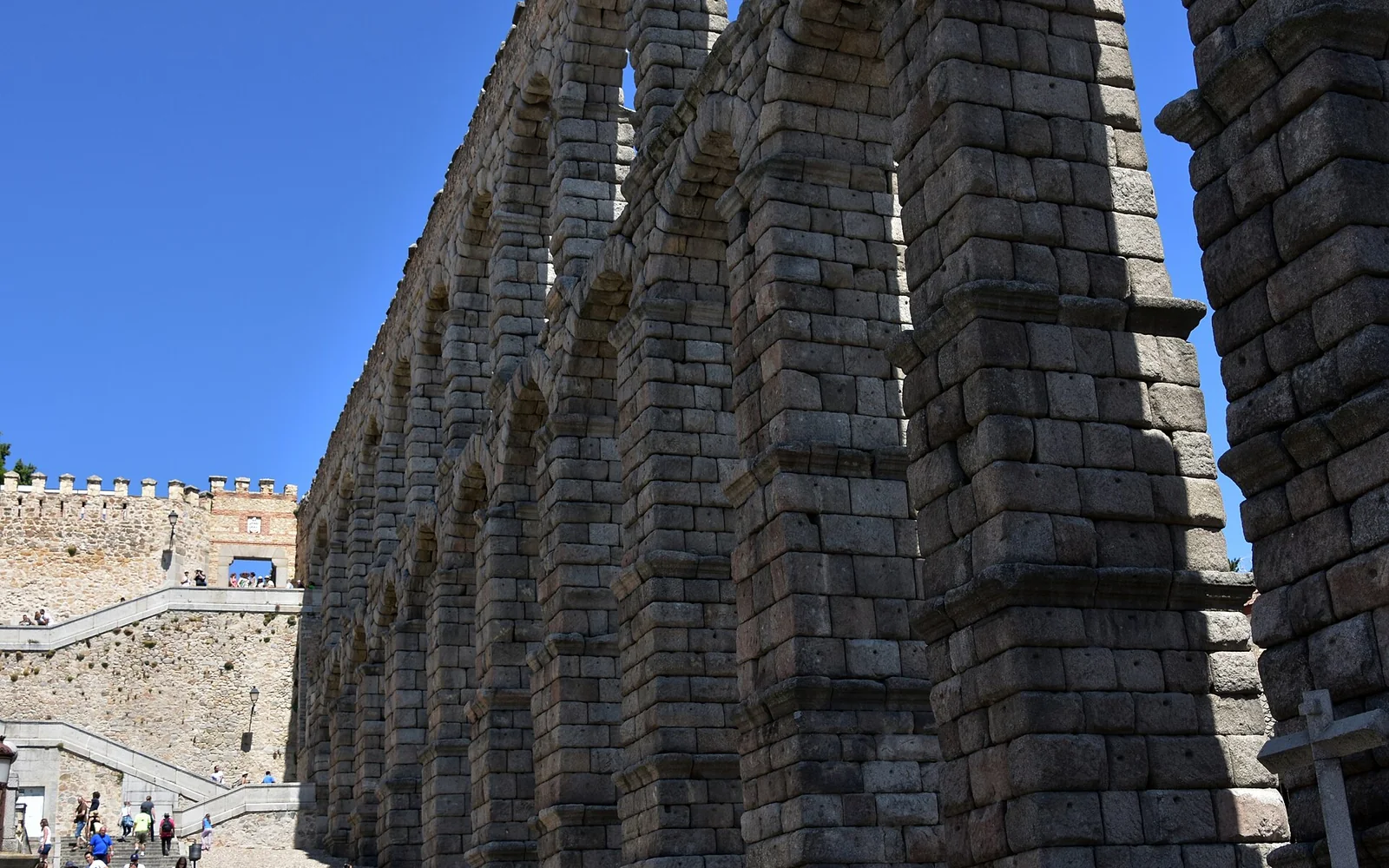
Segovia
Segovia links a monumental Roman aqueduct, cathedral square and storybook Alcázar along a compact ridge northwest of Madrid.
Open guide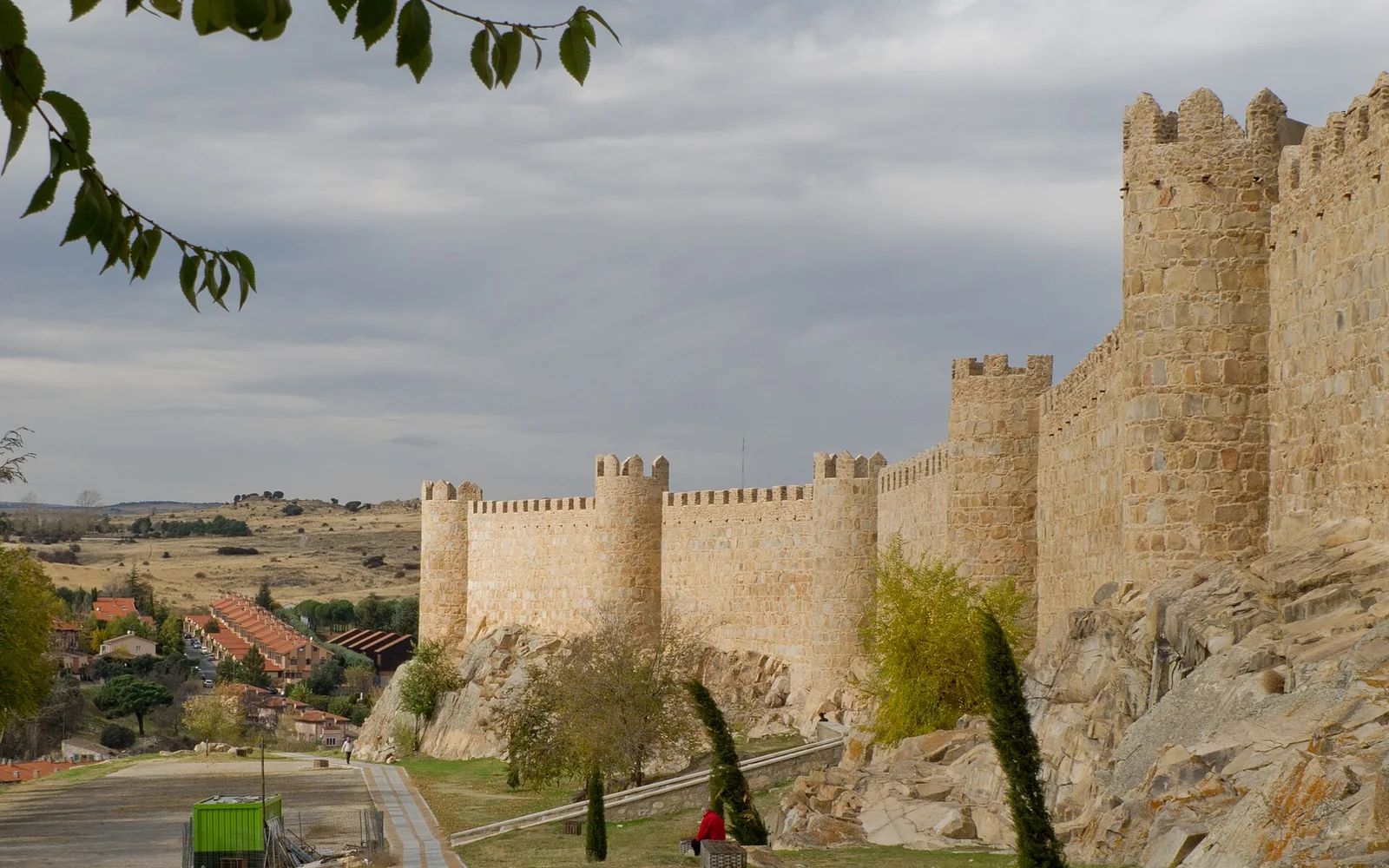
Ávila
A compact plateau city enclosed by a complete medieval wall circuit, with Romanesque churches and strong links to Teresa of Ávila.
Open guide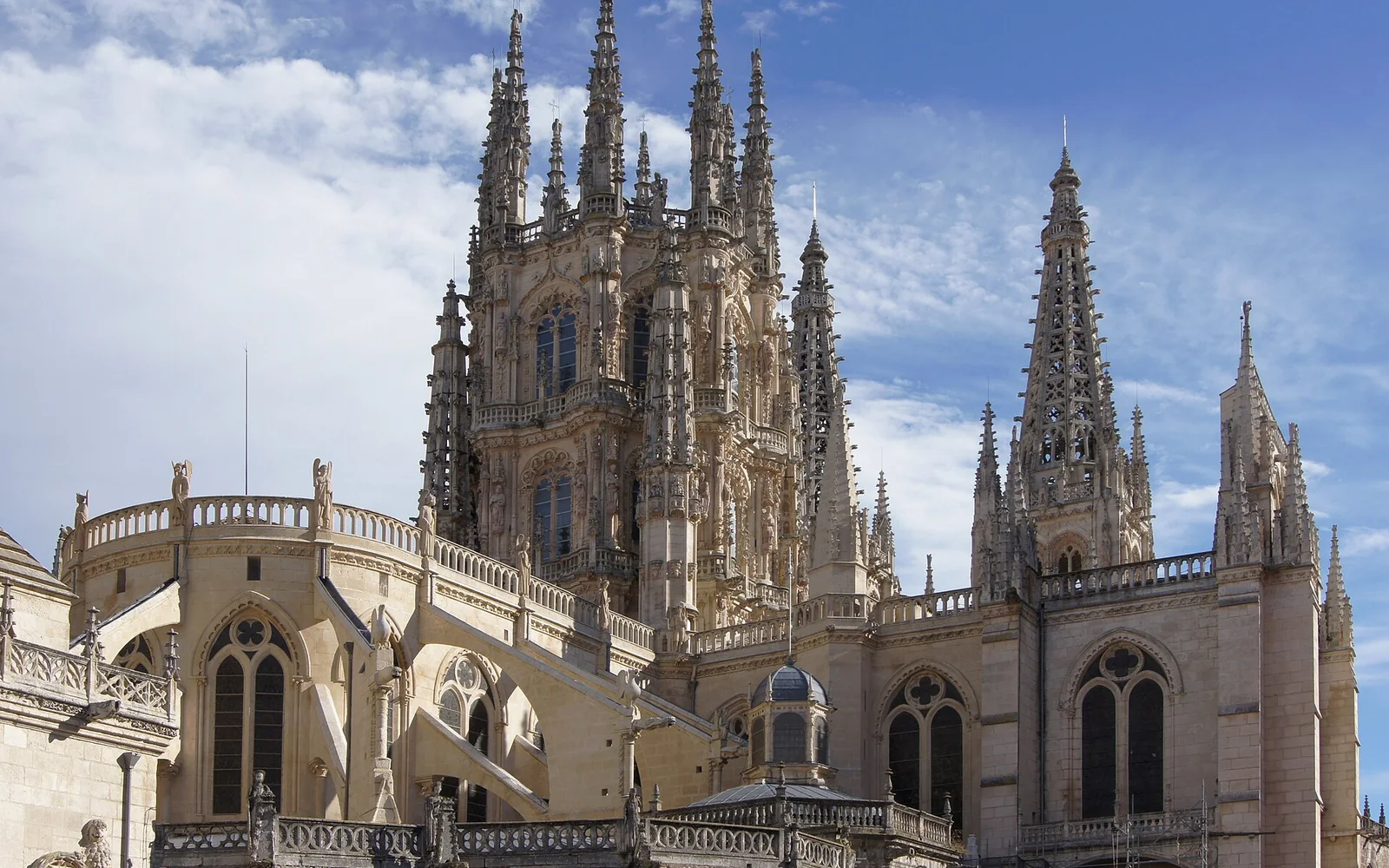
Burgos
A Camino city centred on a major Gothic cathedral, riverside walks, medieval streets and the Museum of Human Evolution.
Open guide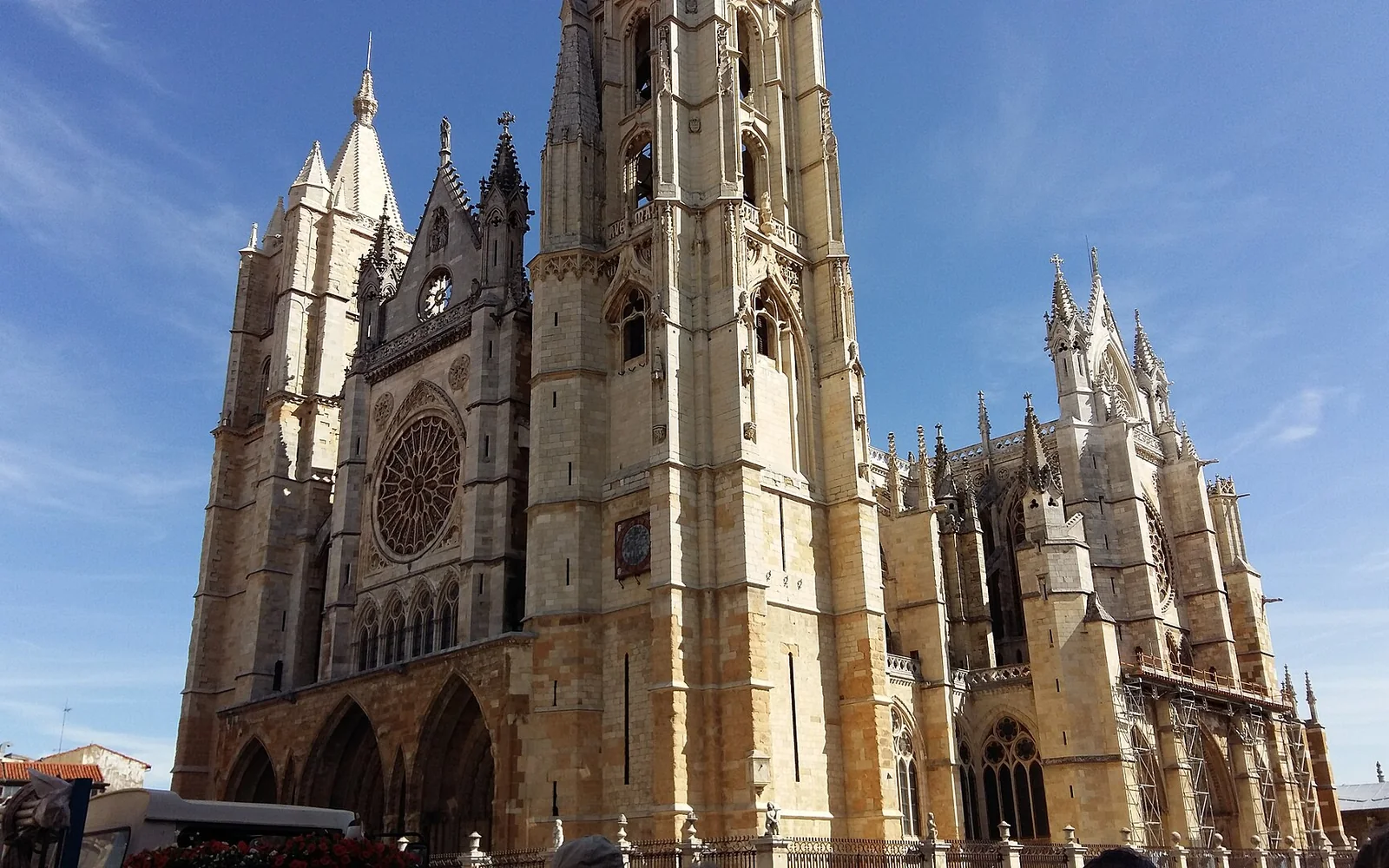
León
A lively Camino city with a luminous Gothic cathedral, Romanesque art, Gaudí architecture and compact evening streets.
Open guideBuild a coherent route
Plan by area
Salamanca and the west
Salamanca deserves at least one night for its illuminated centre and university streets. It pairs more naturally with Ávila than with the far north of the region.
Segovia and the central plateau
Segovia works from Madrid or as part of a regional route. Its aqueduct, cathedral and Alcázar are compact, but slopes and visitor demand reward a full day.
Burgos and León
The northern cities form a logical Camino corridor. Both deserve overnight stays, with cathedrals, museums and evening centres that disappear in a hurried rail stop.
See the main travel bases
See Castile and León’s covered cities
Loading the map…
The five cities are spread across a very large region. Use the map to choose a western, central or northern corridor rather than making repeated returns to Madrid.
Match the route to your time
What fits into your trip
Two historic cities
Choose Salamanca with Ávila, Segovia with Ávila, or Burgos with León. Spend at least one night in each city. This avoids a long cross-region transfer and leaves time for museums, cathedrals and evening streets after day visitors depart.
One regional corridor
Follow a western route through Salamanca and Ávila, or a northern route through Burgos and León with one additional stop. Check direct transport between each pair before fixing hotels, because the fastest lines often point toward Madrid.
A broader plateau journey
Link four or five cities in one direction and keep two-night bases where possible. Add villages or monasteries only when they fit the same road or bus corridor. Avoid returning to Madrid between every regional stop.
Link the stops sensibly
Routes and day trips
Castile and León works best as a line rather than a loop. Select neighbouring cities with direct transport, then extend the route toward Galicia, Madrid or northern Spain.
Suggested regional routes
Salamanca and Ávila
Start with Salamanca’s university centre, then move to Ávila for the walls and compact old city. Confirm the direct bus or rail option for the chosen date.
Open destination guideSegovia from Madrid
Use the fast rail connection, including the transfer from the outlying station, or stay overnight for a quieter old town and a less compressed monument schedule.
Open destination guideBurgos and León on the Camino
Give each city two nights and travel west in one direction. The cathedrals anchor the route, but museums, food and evening streets justify the extra time.
Open destination guideChoose transport by destination
Getting around Castile and León
Transport is strongest along national corridors, not necessarily between every regional pair. Compare rail and bus for each leg. Driving adds rural flexibility but historic centres are better handled on foot.
Long-distance rail
Fast services reach several cities from Madrid, but stations may sit outside the old centre and cross-region links can be indirect.
Intercity buses
Buses often provide the missing direct link between regional cities. Check weekend frequency and the location of both stations.
Driving
A car helps with villages, wineries and monasteries. Keep daily distances modest and use edge-of-centre parking in walled or pedestrian cities.
Choose dates that suit the route
When to visit
Spring and autumn suit long historic-centre walks. The high plateau can still be cold, wet or windy, and temperatures often drop sharply after sunset.
Summer days can be hot and exposed, while winter brings cold conditions and occasional snow. Indoor monuments help, but shorter daylight limits road itineraries.
Read the seasonal guide for SpainAvoid common route problems
Planning checks
Do not treat every city as a Madrid day trip
Repeated returns waste time and hide the region’s evening character. Use overnight bases for a multi-city journey.
Check station location
High-speed stations can be outside the historic centre. Include the connecting bus or taxi in the transfer time.
Allow for plateau weather
Wind, heat and winter cold affect exposed walls and walking routes. Carry layers and keep indoor alternatives.
Quick answers
Questions about Castile and León
How many days do I need for Castile and León?
A week covers one regional corridor and two or three cities. Ten to twelve days supports a wider route.
Can I visit without a car?
Yes for the five covered cities, provided each rail or bus leg is checked. A car is better for rural additions.
Which cities combine most easily?
Burgos and León form a natural northern pair. Salamanca and Ávila work in the west, while Segovia links especially well with Madrid.
Are these cities suitable as day trips?
Segovia and Ávila can work as separate Madrid day trips, but Salamanca, Burgos and León reward overnight stays.
How this guide is checked
Sources and review
Reviewed 2 September 2026, next review due 2 March 2027. Services, access rules and opening arrangements can change, so check the official source before travel.
- Renfe passenger information, Renfe
- Official Salamanca tourism, Salamanca City Council
- Official Segovia tourism, Segovia Tourism
- Official Castile and León tourism, Castile and León Tourism
- Ávila visitor information, Ávila City Council
- Burgos visitor information, Burgos Tourism
- León visitor information, León City Council
Continue through Spain
Regions that connect naturally
Madrid Region
Madrid Region combines the capital with three UNESCO-listed heritage towns, smaller Castilian centres and mountain routes in the Sierra de Guadarrama.
Galicia
Granite towns, green landscapes, Atlantic food and the pilgrimage destination of Santiago de Compostela.
Continue planning
See more of Spain
Use the country guide to compare Castile and León with other regions and destinations in Spain.