
Start with the essentials
Plan Galicia at a glance
- Central base
- Santiago de Compostela
- Useful time
- 5 to 9 days
- Main transport
- Rail and bus
- Car use
- Helpful for rural coast
- Weather
- Changeable and often wet
About Galicia
Why explore Galicia
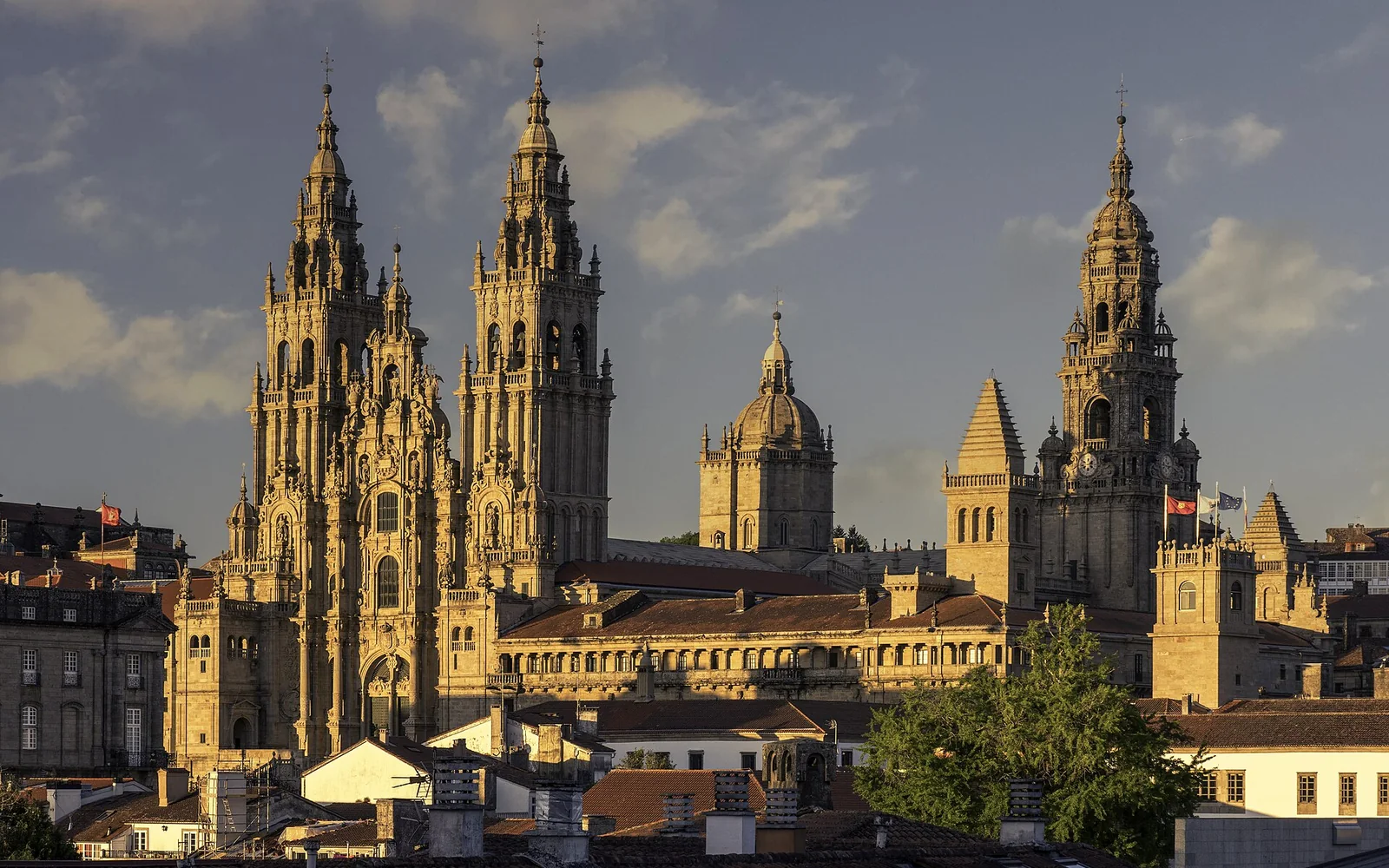
Santiago’s cathedral and granite old town are the best-known draw, but Galicia is not one pilgrimage stop. A Coruña adds the Tower of Hercules and a walkable peninsula, while Vigo offers a larger working harbour, steep streets and access toward the southern estuaries.
Food, language and Atlantic weather give the region a character distinct from Mediterranean Spain. The coastline is intricate, so a rewarding plan chooses one section rather than chasing distant headlands every day.
Plan the region
Santiago sits between A Coruña and Vigo and works as the clearest first base. Each coastal city deserves a full day, while islands, fishing towns and rural coast require extra nights and current transport checks.
Rail and intercity buses connect the three cities. A car adds freedom beyond the main corridor, but narrow roads, parking and longer-than-expected coastal journeys still need time.
Choose where to spend your time
Places to explore
3 guidesSantiago de Compostela
Santiago is a granite pilgrimage city with a monumental cathedral, arcaded old streets, Galician food and a daily rhythm shaped by arrivals from the Camino.
Open guide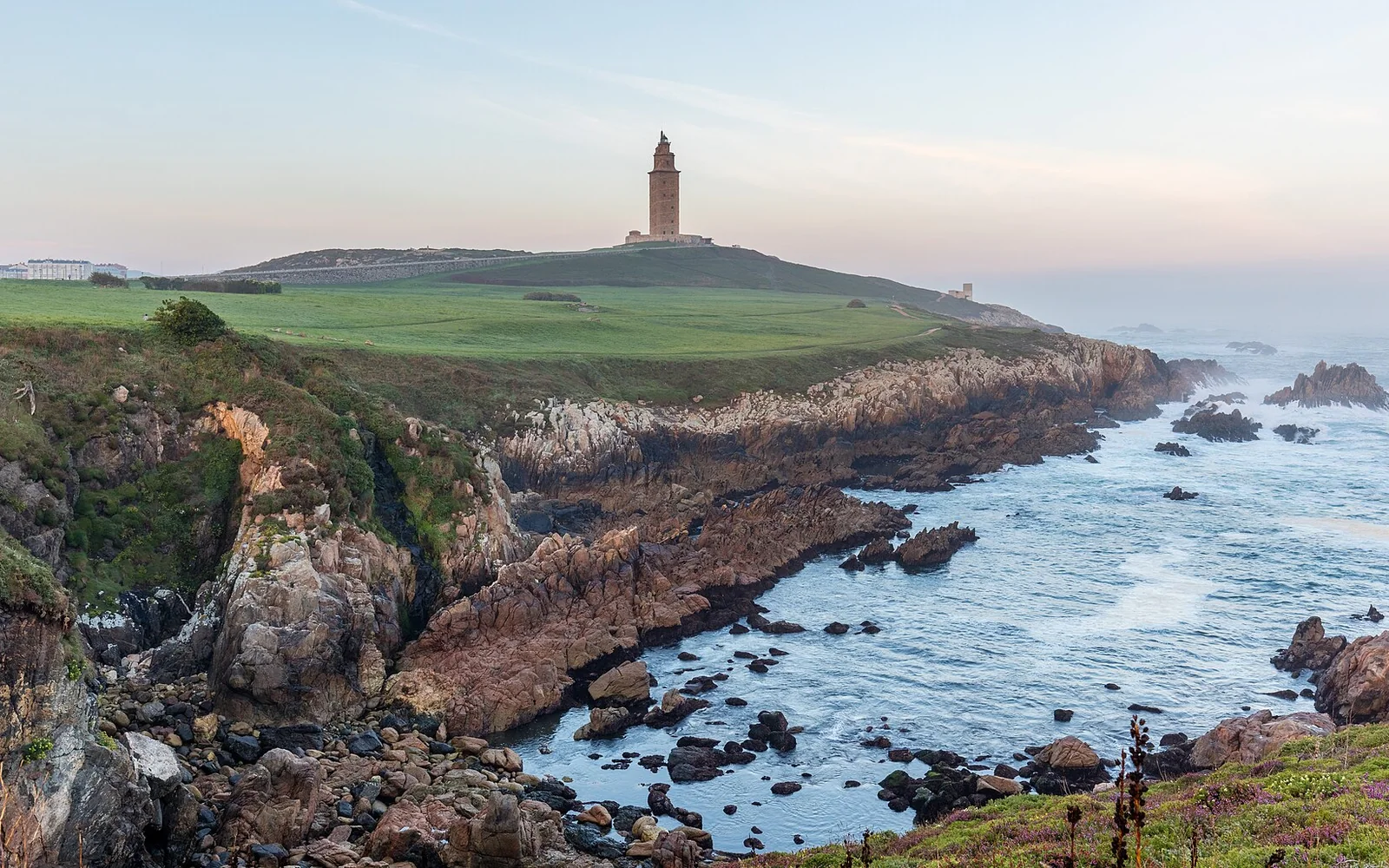
A Coruña
An Atlantic city on a compact peninsula, with the Tower of Hercules, glass-fronted galleries, beaches and a long seafront route.
Open guide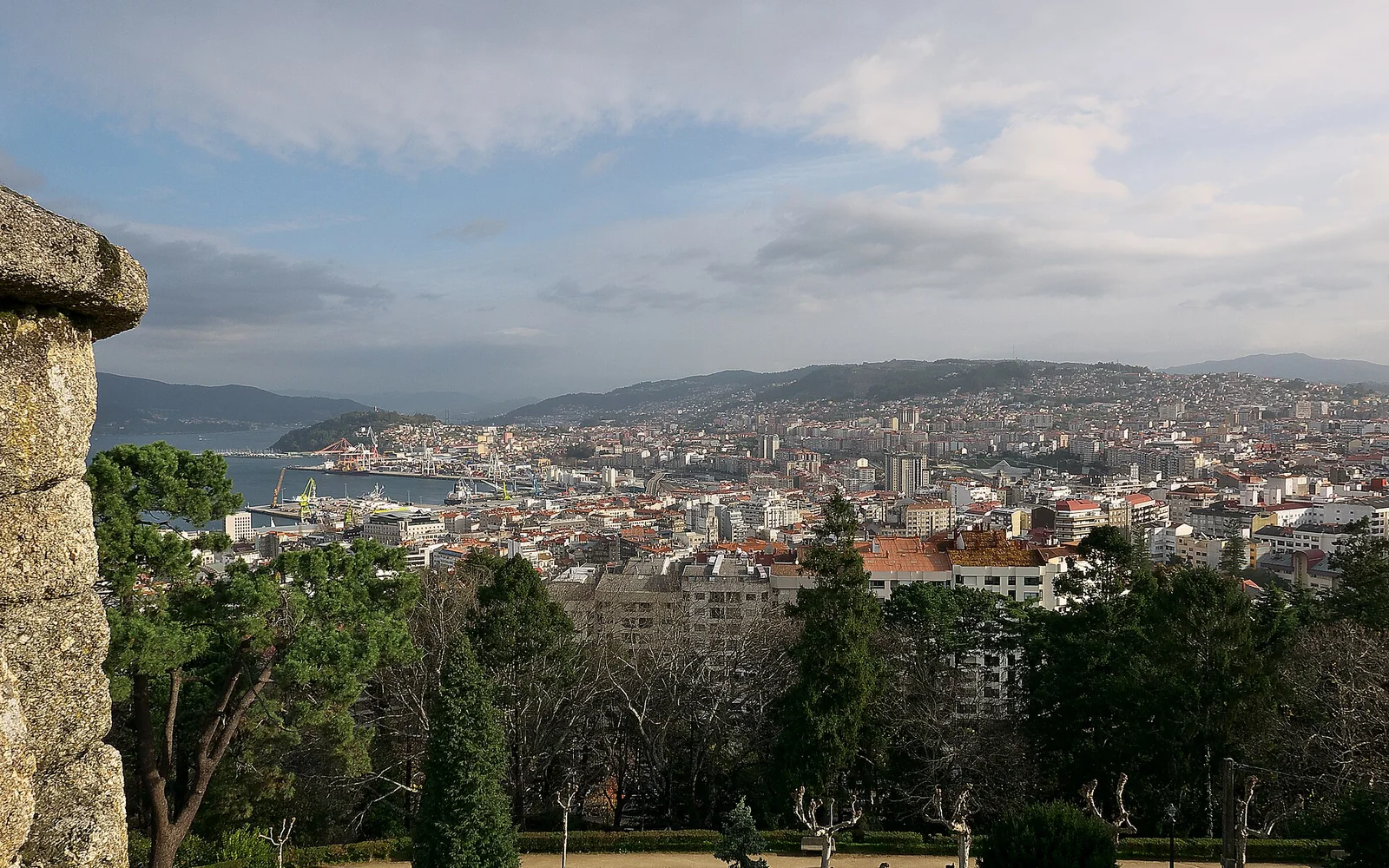
Vigo
A steep Atlantic port city overlooking a broad estuary, with an old quarter, O Castro views, beaches and seasonal island links.
Open guideBuild a coherent route
Plan by area
Santiago and the central corridor
Give Santiago two days for the cathedral area, old town, market and a slower walk beyond the busiest pilgrimage streets. It is the practical centre of the three-city route.
A Coruña and the northern coast
A Coruña’s peninsula links the old city, waterfront and Tower of Hercules. Use it as a city base before researching a separate northern coastal extension.
Vigo and the southern estuaries
Vigo is steep and spread around its harbour. It works as a base for the southern coast, but Cíes Islands boats and other seasonal trips require their own availability and access checks.
See the main travel bases
See Galicia’s main city bases
Loading the map…
The markers show the three cities covered in depth. Coastal areas extend far beyond them, and journey times increase when a route leaves the principal rail and bus corridors.
Match the route to your time
What fits into your trip
Santiago with one coast day
Spend two days in Santiago and choose either A Coruña or Vigo for one dedicated trip. This keeps the cathedral city unhurried while adding an Atlantic setting without committing to a long coastal circuit or repeated hotel changes.
Three-city Galicia
Use Santiago as the centre, add A Coruña and Vigo, and stay overnight in one coastal city if evening time matters. Rail and bus make this possible without a car, though weather may change the order.
Cities and one coastal area
Give the three cities enough time, then choose one coastal extension around the northern or southern estuaries. A car may help, but avoid crossing the region daily. Keep a flexible day for rain or seasonal boat changes.
Link the stops sensibly
Routes and day trips
The main rail and bus line connects A Coruña, Santiago and Vigo. Build the city route along this axis, then add only one coastal branch when time allows.
Suggested regional routes
Santiago beyond the cathedral
See the cathedral precinct early, then make room for the market, university streets, parks and quieter lanes. Stay overnight to experience the old town outside peak day-trip hours.
Open destination guideA Coruña peninsula
Link the old city and harbour with the Tower of Hercules coastal walk. Wind and rain can make exposed sections slower, so keep indoor stops available.
Open destination guideVigo and its estuary
Use O Castro, the old town and waterfront as the city route. Treat any island boat as a separate seasonal plan with confirmed tickets and conditions.
Open destination guideChoose transport by destination
Getting around Galicia
Rail and buses cover the main urban corridor well. Public transport becomes thinner along parts of the coast, where driving can help but does not eliminate slow roads or weather delays.
Regional rail
Rail is useful between A Coruña, Santiago and Vigo. Confirm whether the chosen service uses the central station and how it connects with the old city.
Intercity and local buses
Buses supplement rail and reach many coastal towns. Frequencies may be limited outside larger centres, especially for evening returns.
Driving
A car suits rural coast and small villages. Plan short daily distances, avoid leaving luggage visible and check parking before entering historic centres.
Choose dates that suit the route
When to visit
Late spring through early autumn provides longer daylight for coast and island plans, but Atlantic rain and wind remain possible. Flexible outdoor days are more useful than assuming stable beach weather.
Winter and early spring are quieter in cities and on the Camino, with shorter days and wetter conditions. Seasonal boats and some visitor services may operate less frequently.
Read the seasonal guide for SpainAvoid common route problems
Planning checks
Allow for Atlantic weather
Wind and rain can affect exposed walks and boats. Keep an indoor city plan ready for each base.
Choose one coastline
The indented coast makes road journeys slower than they appear. Focus on a northern or southern area instead of joining distant stops.
Confirm island access
Cíes and other protected island trips can involve permits, limited boats and weather cancellations. Use official operators and current rules.
Quick answers
Questions about Galicia
How many days should I spend in Galicia?
Six days covers Santiago, A Coruña and Vigo at a useful pace. Add several days for a focused coastal route.
Can I explore Galicia without a car?
Yes for the three main cities. A car is more useful for rural coast, small villages and less connected natural areas.
Should I stay in Santiago?
Santiago is the most central base for a short visit, but staying in A Coruña or Vigo gives the Atlantic cities proper evening time.
When is the best time for Galicia?
Late spring and early autumn balance daylight and demand, though rain is possible in every season.
How this guide is checked
Sources and review
Reviewed 2 September 2026, next review due 2 March 2027. Services, access rules and opening arrangements can change, so check the official source before travel.
- Renfe passenger information, Renfe
- Official Santiago tourism, Santiago de Compostela Tourism
- Official Galicia tourism, Galician Tourism Agency
- A Coruña visitor information, A Coruña Tourism
- Vigo visitor information, Vigo Tourism
Continue through Spain
Regions that connect naturally
Castile and León
University heritage, Roman engineering and monumental old cities across Spain’s northern plateau.
Continue planning
See more of Spain
Use the country guide to compare Galicia with other regions and destinations in Spain.