
Madrid suits travellers who want a substantial city break rather than a checklist of monuments. The Prado, Retiro Park and the royal quarter form an obvious first route, but neighbourhoods such as Chamberí, Malasaña and La Latina give the city much of its everyday character.
Three full days cover the main museums, historic centre and one slower neighbourhood afternoon. Add a fourth or fifth day for football, contemporary art, markets or a rail trip to Toledo or Segovia.
What to prioritise
The museum corridor
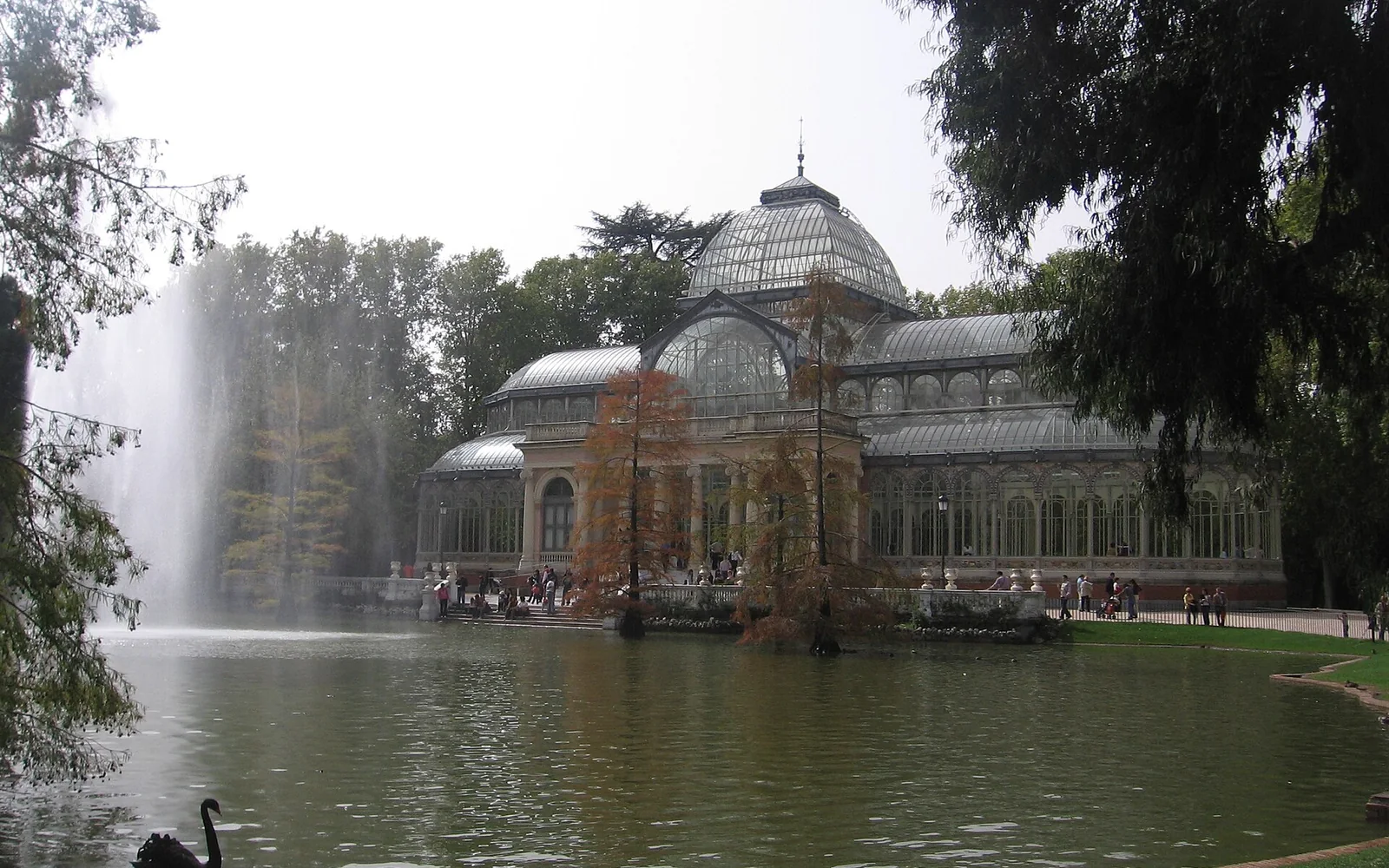
The Prado, Thyssen-Bornemisza and Reina Sofía sit along or near Paseo del Prado. Choose one major collection per half day and leave time for Retiro Park rather than forcing all three into a single visit.
Royal Madrid
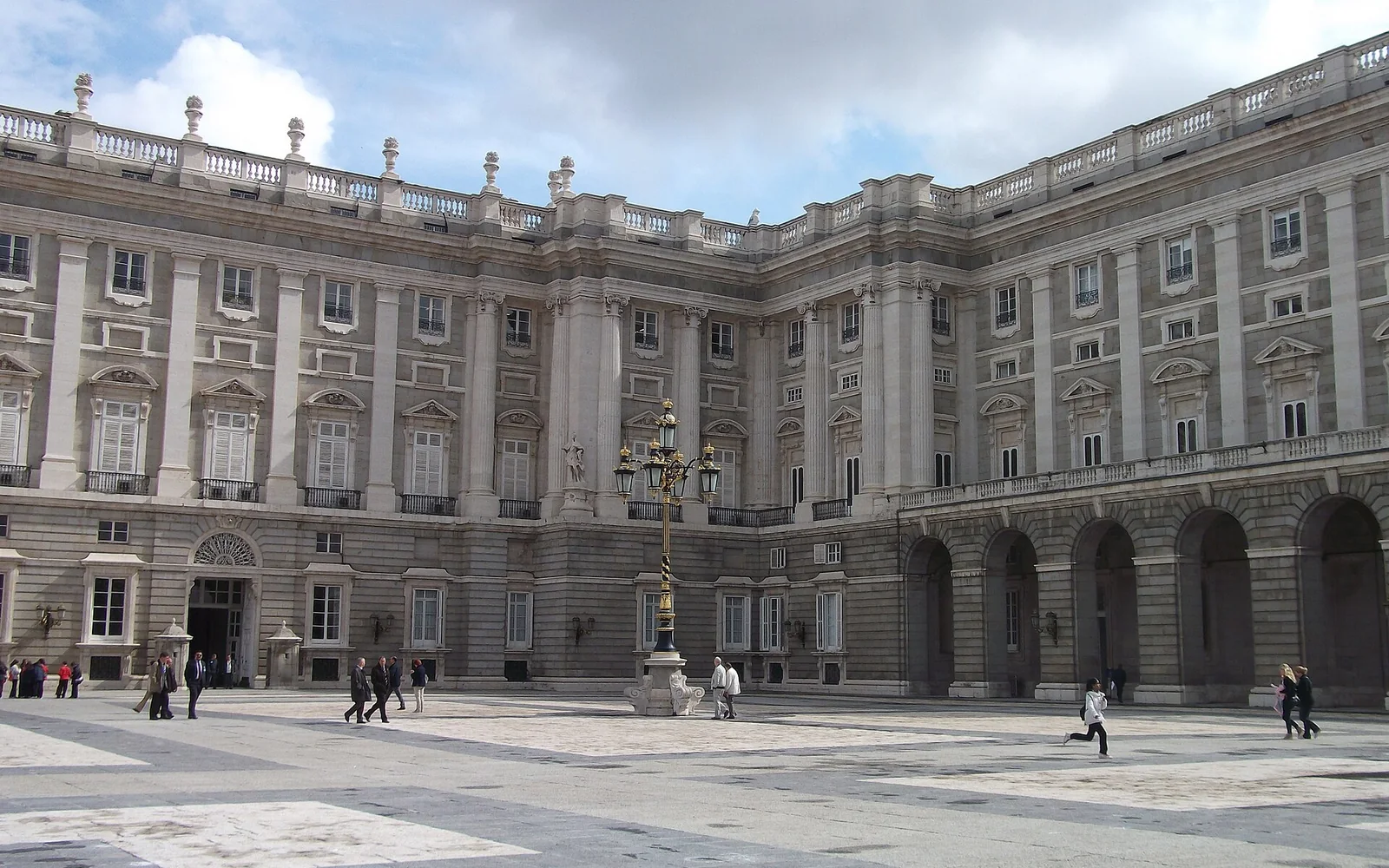
Plaza Mayor, Mercado de San Miguel, Almudena Cathedral and the Royal Palace group naturally on foot. The streets become crowded at midday, so an early start makes the route easier.
Neighbourhood evenings
La Latina works well for old streets and tapas bars, Chamberí feels more residential, and Malasaña has small shops and nightlife. Pick one area for the evening instead of crossing the centre repeatedly.
Where to stay
Centro is the easiest first base but can be noisy around busy squares. Retiro and the museum district suit early sightseeing. Chamberí offers a calmer stay with quick metro access, while Lavapiés works for travellers who value independent venues and a mixed local food scene.
A practical itinerary
- Day 1: walk the royal quarter, Plaza Mayor and La Latina, with the Royal Palace booked if it is a priority.
- Day 2: choose a major museum on Paseo del Prado, then cross Retiro Park and finish around Barrio de las Letras.
- Day 3: explore a second neighbourhood, visit another collection or market, and keep the evening in one part of the city.
Getting there
Madrid-Barajas Airport connects with the centre by metro, suburban rail, bus and taxi. Long-distance trains use Atocha and Chamartín, so confirm the station shown on the ticket before choosing accommodation or an onward connection.
Getting around
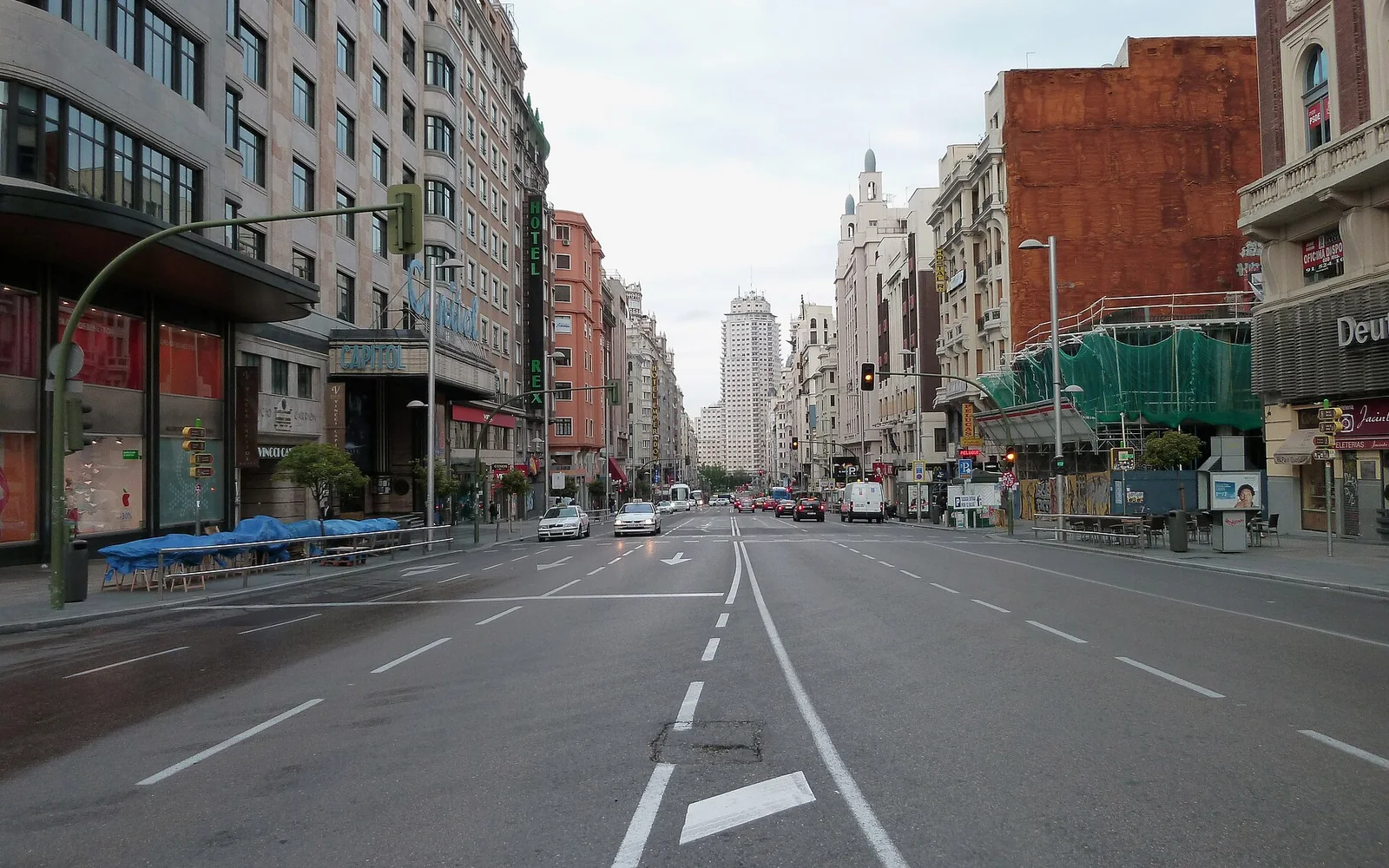
The metro covers most visitor routes, with buses useful for short cross-centre journeys. Central Madrid is walkable but larger than it first appears. Group sights by district and avoid changing lines for a trip that is quicker on foot.
Food to look for
Look for cocido madrileño, callos, tortilla, churros and a bocadillo de calamares near Plaza Mayor. Markets are useful for browsing, but traditional bars in neighbourhood streets often provide a more relaxed meal.
When to visit
Spring and autumn usually suit long walking days. Summer afternoons can be intensely hot, while winter is often bright but cold after sunset. Indoor museums make Madrid workable year-round.
Accessibility
Major museums and modern transport are generally accessible, though lifts may not serve every historic entrance. Cobble surfaces and crowded central lanes can slow wheelchair users, so check each attraction’s official access page.
Practical limits
Do not plan consecutive major museums without breaks. Madrid’s late dining rhythm can also make early starts difficult if every evening is scheduled. Leave one flexible block for weather, rest or a neighbourhood you want to revisit.
Nearby places
Toledo and Segovia are the clearest rail additions. Each deserves its own day, and both involve hills or uneven historic streets. Keep the return time visible rather than treating them as extensions to a Madrid sightseeing day.
Places to add to your map
- Royal Palace: Anchor for the western historic-centre route.
- Prado Museum: Starting point for the art museum corridor.
- Retiro Park: Large central park best paired with the Prado district.
Open the route planner to place these stops in a wider Spain trip.
Continue planning
Questions about Madrid
How many days do I need in Madrid?
Three full days cover the main historic areas, one major museum and Retiro Park. Four or five days allows a second museum, more neighbourhood time or a day trip.
Is Madrid easy without a car?
Yes. Metro, suburban rail, buses and walking cover the city well. A car is usually a burden in the centre.
Which Madrid neighbourhood is best for a first visit?
Centro is most convenient for landmarks. Retiro is calmer and close to the museums, while Chamberí suits travellers who prefer a more residential base.
Daily planning ranges
Travel costs in Madrid
These planning ranges are per person, per day and assume two people sharing a room. They are not live quotes.
Standard daily breakdown
- Accommodation
- €65 to €115
- Food
- €32 to €50
- Local transport
- €7 to €14
- Activities
- €18 to €38
What the range assumes: Per person, per day, based on two people sharing a sensible double or twin room. The standard range allows for ordinary paid sightseeing, local transport and a mix of casual and mid-range meals.
Seasonal note: Spring and autumn weekends are busy, while some business dates raise central hotel prices at short notice.
Not included: International travel, intercity travel, shopping, travel insurance and major special-event premiums are excluded.
Price basis 29 August 2026, reviewed 29 August 2026, next review due 28 February 2027.
Cost sources
- Madrid transport fares, Consorcio Regional de Transportes de Madrid
- Madrid cost of living, Numbeo
Sources and updates
This guide was last reviewed on 28 August 2026. Transport, access and opening arrangements can change, so check the official source before travel.
- Spain tourism, Turespaña
- Renfe passenger information, Renfe
- Spanish airports, Aena
- Official Madrid visitor information, Madrid Destino