
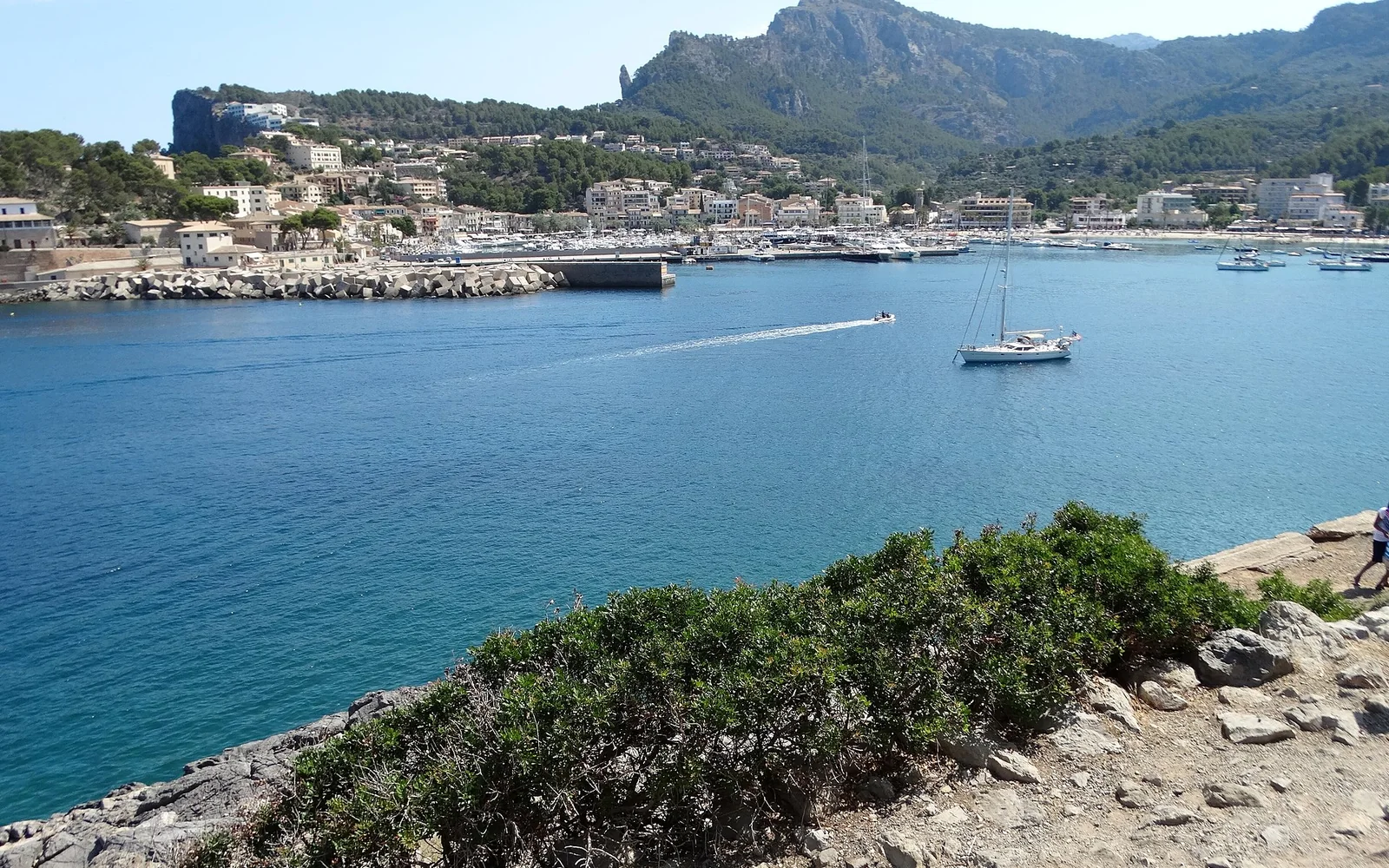
Mallorca cannot be planned as a single resort. Palma works for culture and transport, the Tramuntana range suits walkers and scenic drives, northern bases serve long beaches, and the east coast offers coves with very different access.
A week is a useful first stay. Choose one or two bases and accept that crossing the island every day wastes time. Palma de Mallorca has its own city guide, while this page focuses on the whole island.
What to prioritise
Palma and the bay
Use Palma for the cathedral, old city, museums and the island’s strongest public transport. It also works as a car-free base for selected rail and bus trips.
Serra de Tramuntana
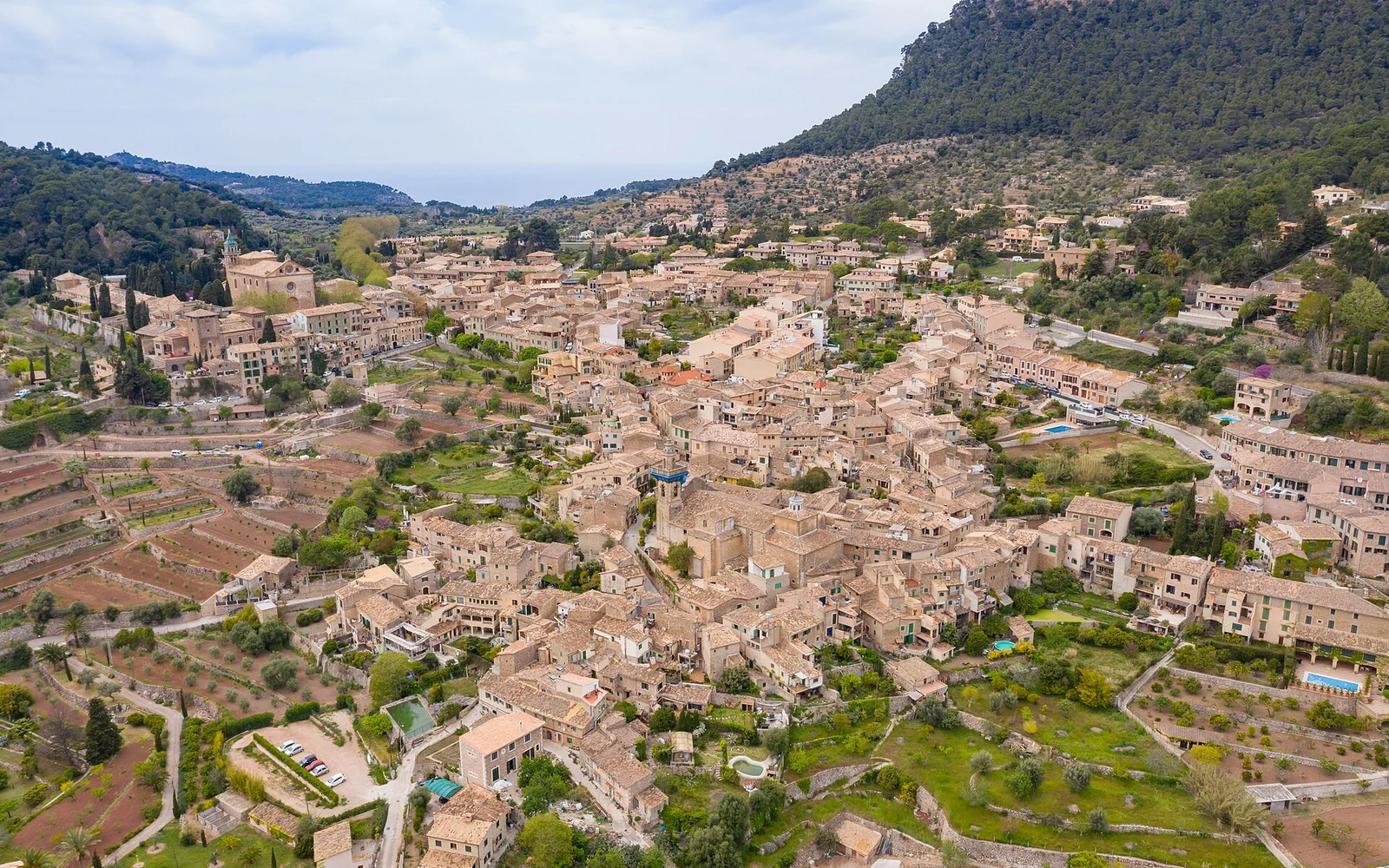
Sóller, Deià, Valldemossa and mountain viewpoints need deliberate routing. Roads are narrow and parking is limited, so buses or the historic rail connection can be better on busy days.
North and east coasts
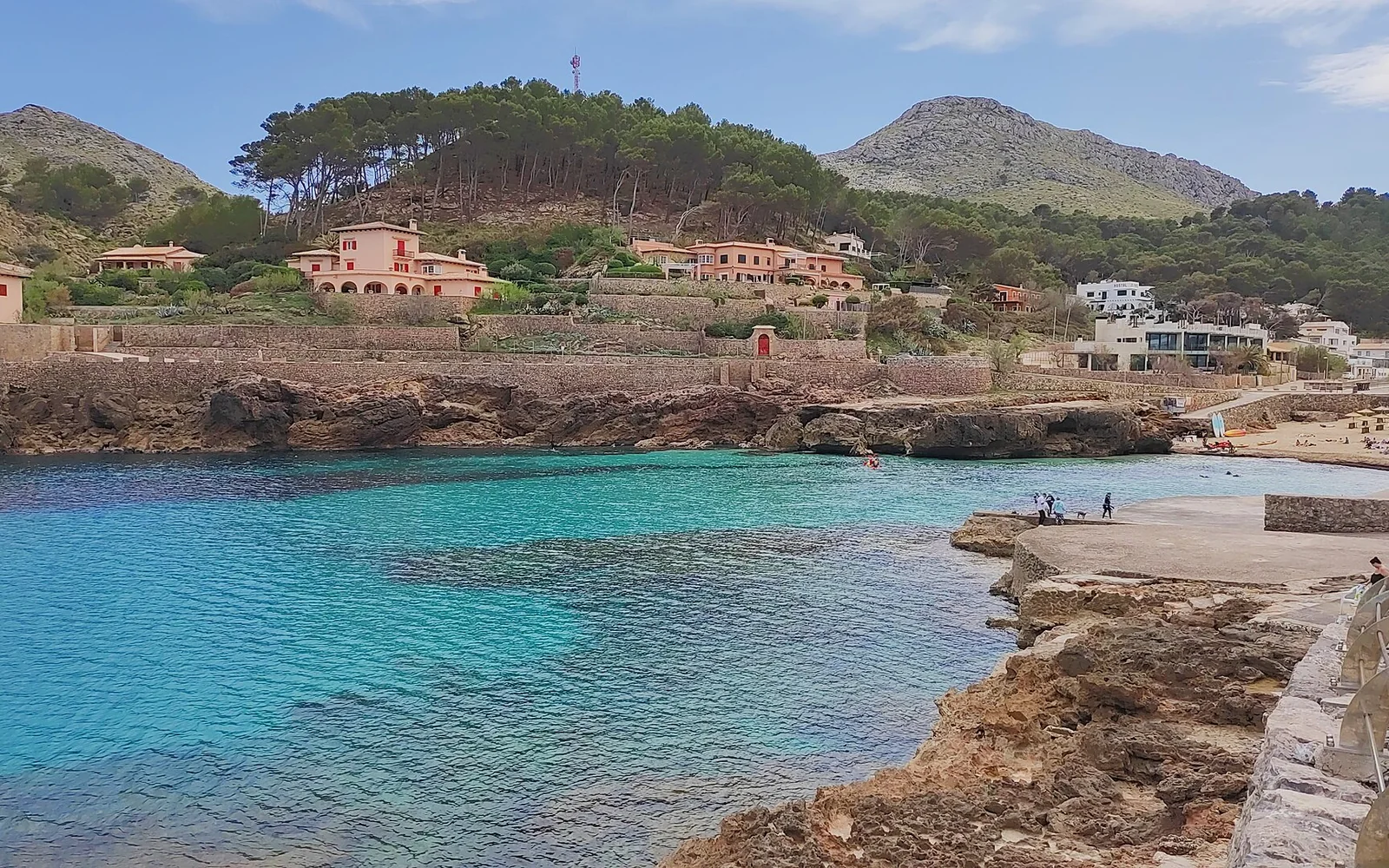
Alcúdia and Pollença suit northern beaches and family stays. The east coast has many calas, but each has different parking, walking and seasonal crowd conditions.
Where to stay
Palma is best without a car and for first or last nights. Port de Sóller suits mountain and coastal scenery. Alcúdia works for families and northern beaches. Cala d’Or and other east-coast bases offer cove access but are less convenient for island-wide public transport.
A practical itinerary
- Days 1 and 2: explore Palma and keep the first day free from long driving after arrival.
- Days 3 and 4: move toward the Tramuntana area for Sóller, one village route and a carefully chosen walk or viewpoint.
- Days 5 and 6: choose either the north for Alcúdia and Pollença or the east for coves, rather than attempting both coasts each day.
- Day 7: leave a flexible beach, market or weather day close to the departure base.
Getting there
Palma de Mallorca Airport is the main gateway. Ferries connect Palma and Alcúdia with selected mainland and island ports. Ferry terminals, airport and resort areas are separate, so check the transfer before booking a tight connection.
Getting around
Interurban buses and rail serve many towns, especially from Palma, but remote coves and trailheads may remain difficult. A car adds freedom outside the main corridors. Reserve early, understand insurance terms and avoid oversized vehicles for mountain villages.
Food to look for
Look for tumbet, frit mallorquí, pa amb oli, sobrasada and ensaïmada. Inland cellers and town markets reveal more of the island’s food than resort buffets, but opening patterns can be seasonal.
When to visit
Late spring and early autumn suit coast and walking. Summer brings heat, crowded beaches and parking pressure. Winter is quieter, with reduced resort services and changeable mountain conditions.
Accessibility
Palma and larger resorts offer the broadest accessible transport and accommodation. Historic villages, rocky calas and mountain paths vary greatly. Confirm beach access facilities and hotel gradients directly.
Practical limits
Distances look short but mountain roads and resort traffic slow travel. Do not build a route that crosses Palma every day. Water access, fire risk and trail restrictions should be checked before outdoor plans.
Nearby places
Palma deserves at least one dedicated day. Ibiza is a separate island trip, not a casual excursion unless ferry or flight timings make a same-day visit genuinely practical.
Places to add to your map
- Palma: Capital, airport gateway and best public-transport base.
- Port de Sóller: Coastal base within the Tramuntana region.
- Alcúdia: Historic town and northern beach base.
Open the route planner to place these stops in a wider Spain trip.
Continue planning
Questions about Mallorca
Do I need a car in Mallorca?
No for a Palma-based trip and selected town visits. A car is useful for remote coves, rural stays and flexible mountain routes, but parking and narrow roads add pressure.
Where should I stay in Mallorca for the first time?
Choose Palma for culture and transport, Alcúdia for family beaches, Sóller for the mountains, or an east-coast resort for coves. One base rarely suits every aim.
How long does it take to explore Mallorca?
Five days provides an introduction. A week or more allows Palma, one mountain area and one coastal base without constant driving.
Sources and updates
This guide was last reviewed on 28 August 2026. Transport, access and opening arrangements can change, so check the official source before travel.
- Spain tourism, Turespaña
- Spanish airports, Aena
- Official Mallorca tourism, Consell de Mallorca
- Official Balearic Islands tourism, Balearic Islands Tourism Strategy Agency