
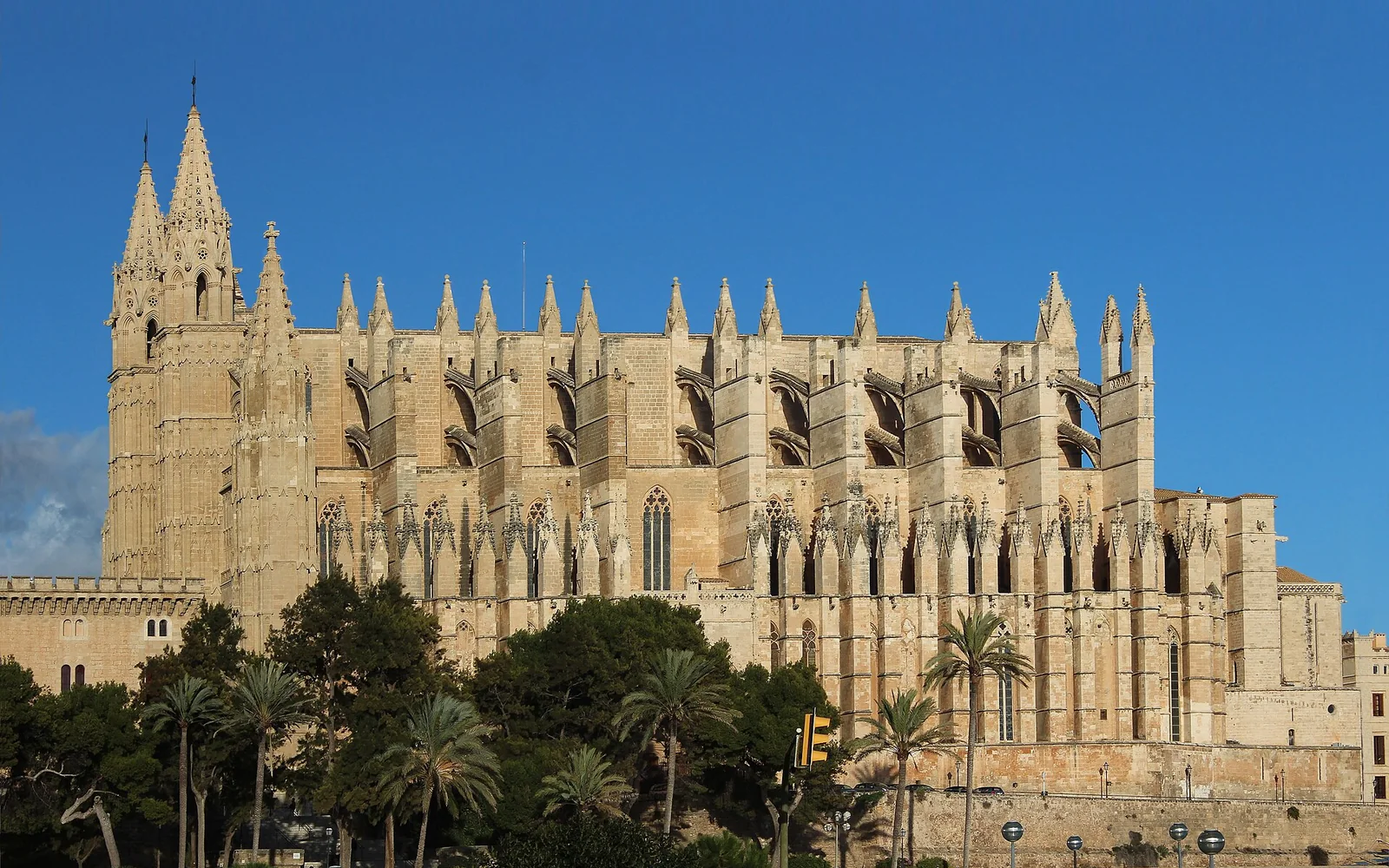
Palma is more than an arrival point for Mallorca. La Seu cathedral, La Almudaina, Arab Baths and merchant courtyards form a compact historic route, while Santa Catalina and Portixol extend the city toward food and the waterfront.
Two full days cover the centre and Bellver Castle. A third day works for museums, markets or an easy public-transport outing without turning the city guide into an island road trip.
What to prioritise
Cathedral and royal quarter
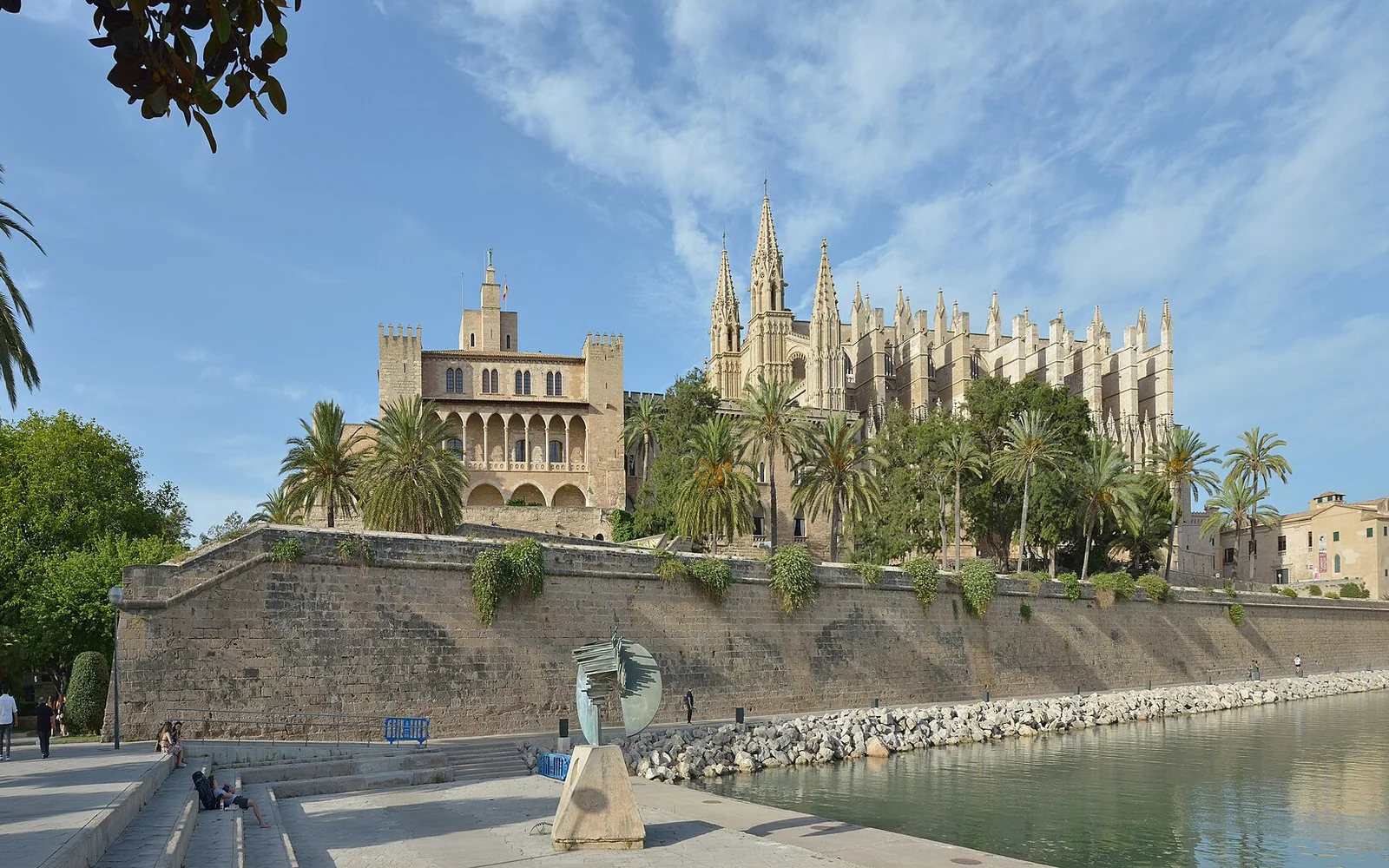
La Seu dominates the bay beside the Royal Palace of La Almudaina. Check official opening arrangements and dress expectations, then continue into the old city rather than leaving after the waterfront view.
Courtyards and old lanes
The historic core includes churches, bath remains and residential courtyards. Many buildings are private, so admire open views without entering restricted spaces.
Bellver and the western city
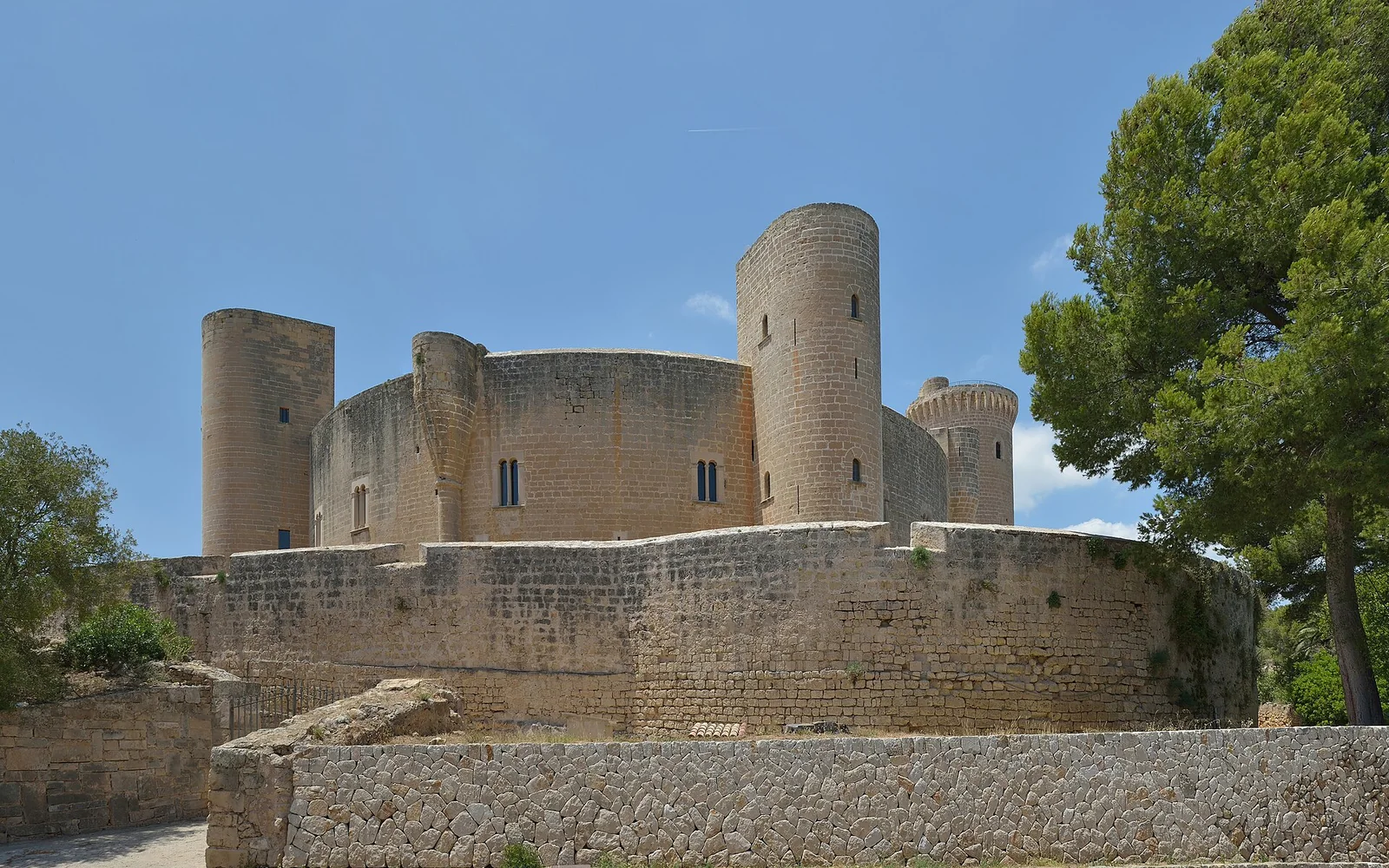
Bellver Castle stands above the bay. Reaching it involves a climb, bus or taxi, and the visit should be grouped with western Palma rather than squeezed into a cathedral morning.
Where to stay
The old-town edge gives easy walking without the most difficult taxi access. Santa Catalina suits markets and evening dining. Portixol offers a seafront setting east of the centre, while beach-resort areas west of Palma are separate from the historic city experience.
A practical itinerary
- Day 1: visit the cathedral and Almudaina area, then walk the old lanes, courtyards and market streets.
- Day 2: reach Bellver Castle, explore Santa Catalina and finish along the waterfront.
- Day 3: choose Es Baluard, a slower market morning or a local bus trip that returns without crossing the island.
Getting there
The airport sits east of Palma and is linked by bus, taxi and road transfer. Ferries use port terminals west of the central waterfront. Confirm the terminal because the port is too large to treat every berth as walkable from the old city.
Getting around
Walking covers most old-city sights. City buses reach Bellver, outer districts and the airport, while interurban services leave from transport hubs for the wider island. Cars are unnecessary for central Palma and difficult to park.
Food to look for
Try pa amb oli, tumbet, ensaïmada and seasonal island produce. Santa Catalina and Olivar markets are useful orientation points, but the surrounding streets provide a wider range of full meals.
When to visit
Palma works throughout the year. Summer is busy and hot, while winter is quieter with some reduced island services. Spring and autumn are best for combining city walking with the waterfront.
Accessibility
The seafront and major shopping streets are relatively level. Old-town paving, steps and steep Bellver approaches require planning. City buses and taxis can remove the most difficult gradients.
Practical limits
Do not market beaches elsewhere on Mallorca as if they are in central Palma. The city has waterfront access, but many famous calas require separate island transport and belong in the Mallorca guide.
Nearby places
Use the Mallorca guide to choose Sóller, Valldemossa or another island base. A historic rail or bus outing can fit a longer Palma stay, but current schedules should decide the route.
Places to add to your map
- Palma Cathedral: Main landmark beside Parc de la Mar.
- Mercat de l’Olivar: Central market near the transport and shopping core.
- Bellver Castle: Hilltop castle west of the old city.
Open the route planner to place these stops in a wider Spain trip.
Continue planning
Questions about Palma de Mallorca
Is Palma worth a city break on its own?
Yes. Two or three days covers the cathedral, old city, markets, museums and Bellver Castle without needing a car.
Can I stay in Palma without hiring a car?
Yes. Palma has city buses and strong island transport links. A car is more useful only when the trip focuses on remote rural or coastal areas.
Is Palma the same as Mallorca?
No. Palma is Mallorca’s capital city. The island includes many other towns, resorts, mountains and beaches covered by the separate Mallorca guide.
Sources and updates
This guide was last reviewed on 28 August 2026. Transport, access and opening arrangements can change, so check the official source before travel.
- Spanish airports, Aena
- Official Mallorca tourism, Consell de Mallorca
- Official Palma tourism, Palma 365
- Official Balearic Islands tourism, Balearic Islands Tourism Strategy Agency