
Start with the essentials
Plan Flanders at a glance
- Useful time
- Four days cover one base and two day trips, while seven to nine days allow three bases without turning each morning into a transfer.
- Best base
- Ghent sits centrally for rail journeys, Antwerp gives the strongest large-city evening scene, and Bruges offers the most atmospheric overnight setting.
- Local transport
- Trains handle most intercity movement, while De Lijn buses and trams cover local gaps. Check the final return when planning smaller towns or the coast.
- Car use
- A car is unnecessary for the named art cities and often inconvenient in restricted centres. It becomes useful for rural cycling starts or scattered memorial sites.
About Flanders
Why explore Flanders
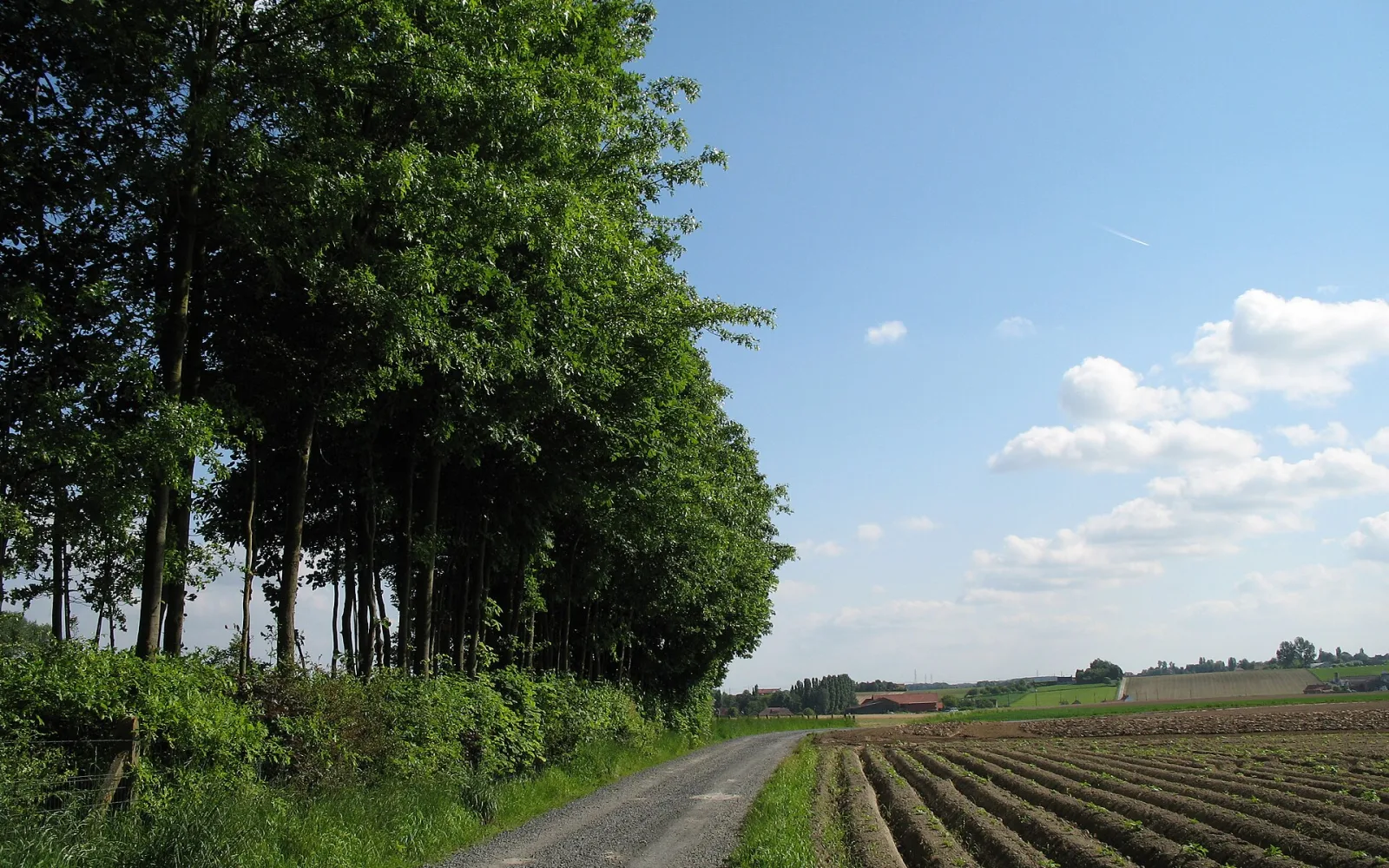
Flanders combines short rail distances with unusually dense art, medieval architecture and industrial history. The useful planning question is not how many cities fit on a map, but which places deserve evenings after day visitors leave.
Antwerp and Ghent work as energetic bases, Bruges rewards an overnight stay, and Leuven or Mechelen suit a lighter stop. Ypres has a distinct memorial focus, while Ostend and the Belgian Coast lead into a different seaside trip.
Plan the region
Flanders combines short rail distances with unusually dense art, medieval architecture and industrial history. The useful planning question is not how many cities fit on a map, but which places deserve evenings after day visitors leave.
Choose where to spend your time
Places to explore
9 guides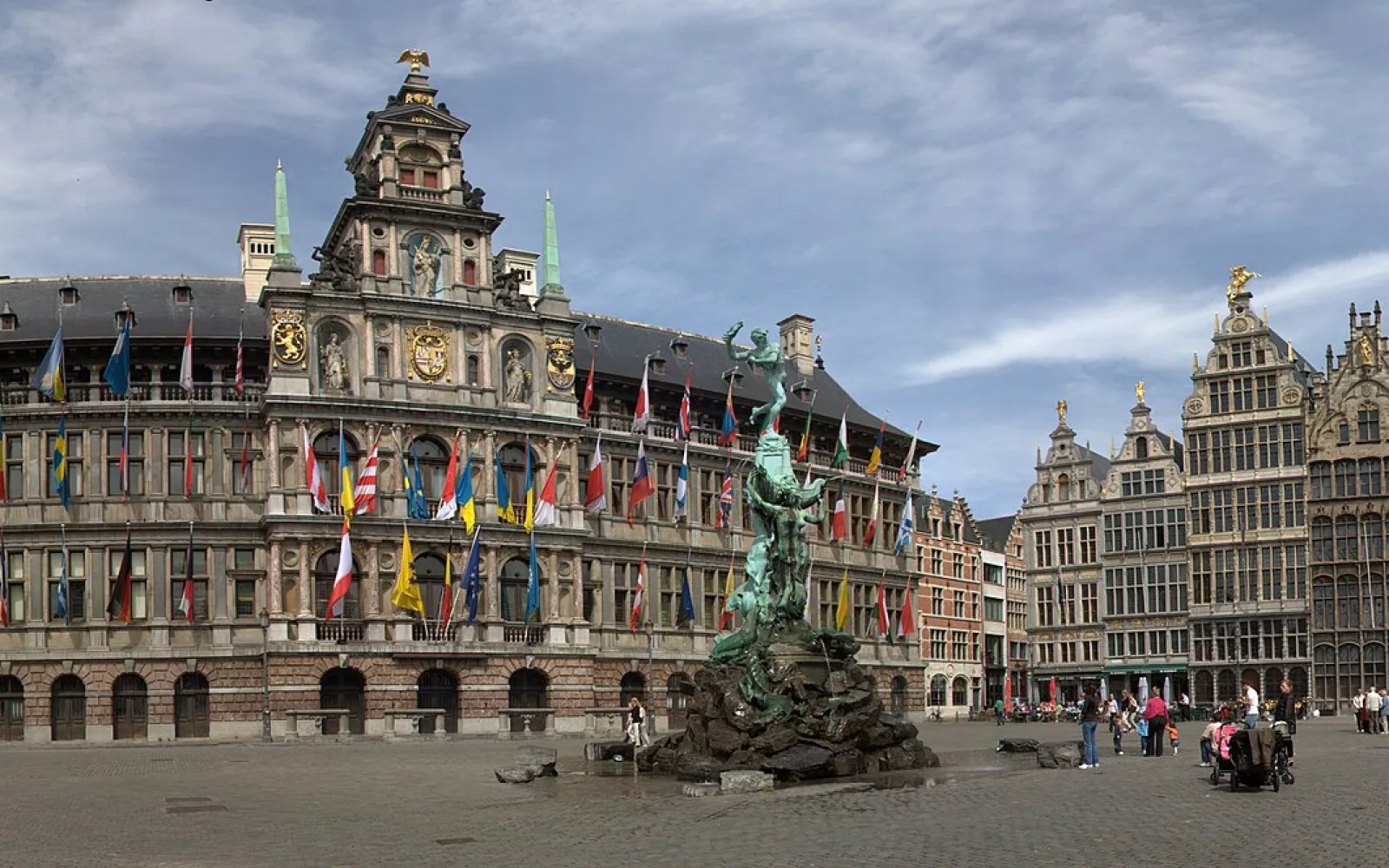
Antwerp
Plan Antwerp for major art collections, fashion and design, monumental rail architecture and a working riverside city.
Open guide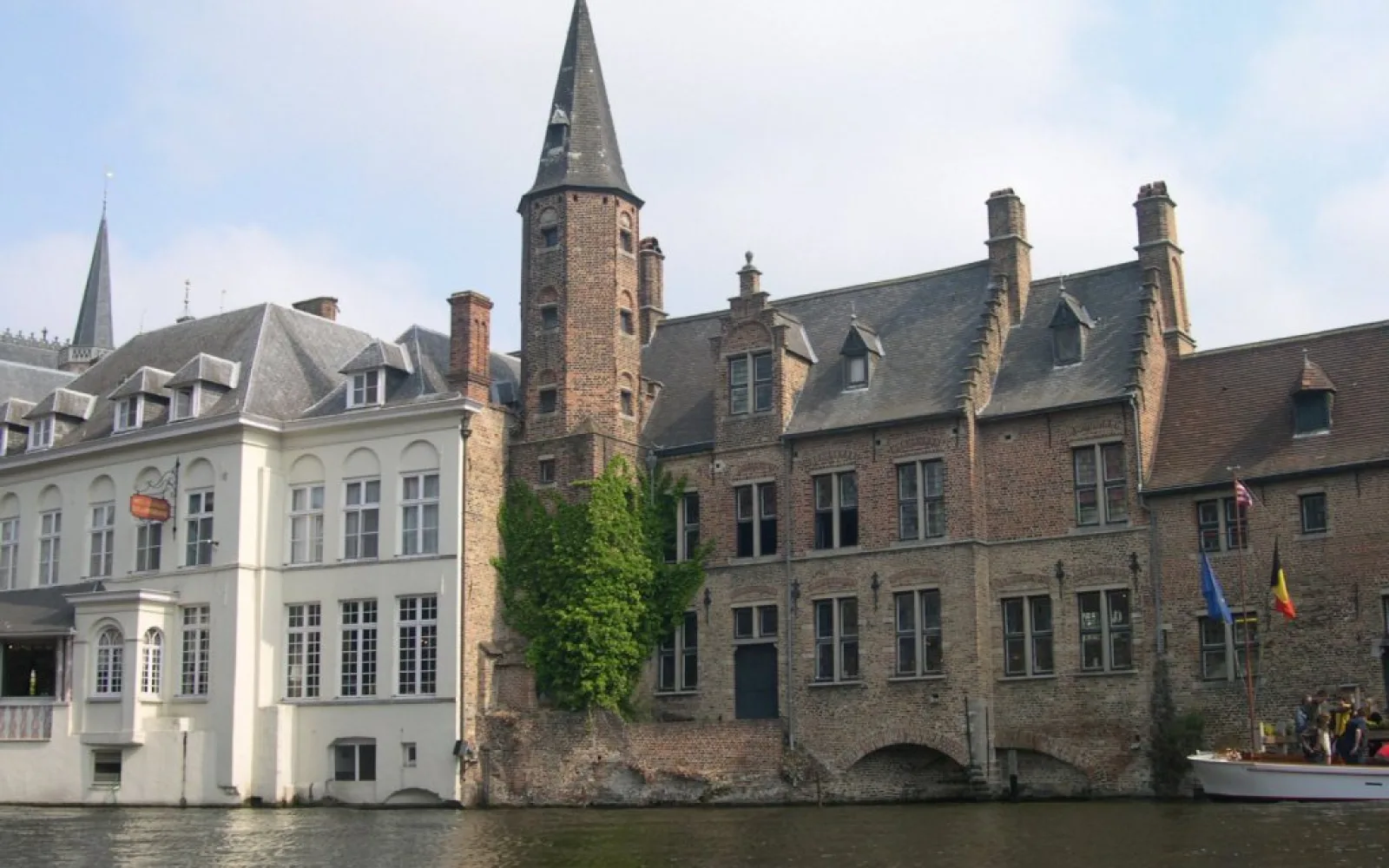
Bruges
Stay in Bruges for canal-side streets, Flemish art, medieval civic spaces and quieter mornings beyond peak day-trip hours.
Open guide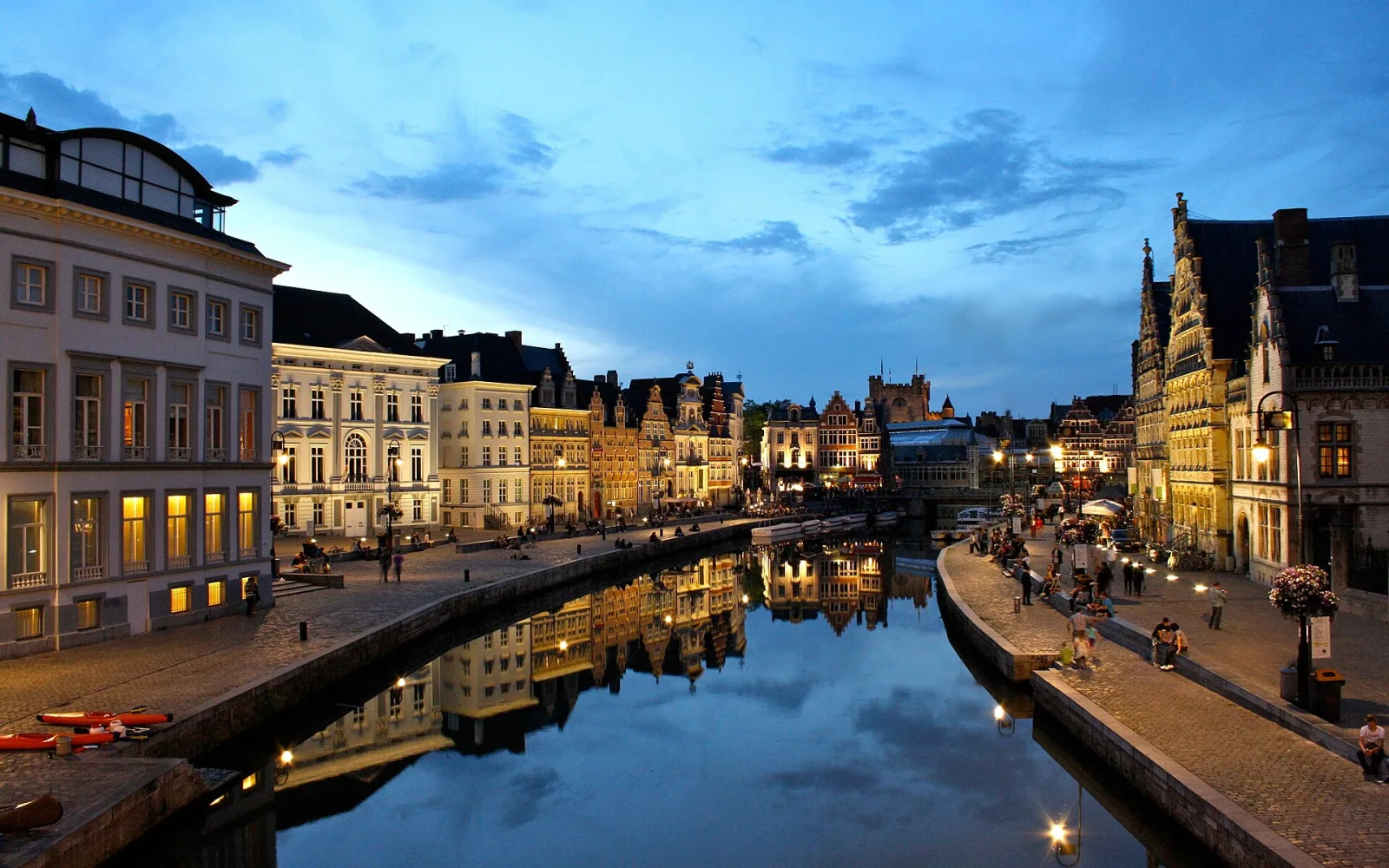
Ghent
Use Ghent for medieval waterways, major art, a lively student city and central rail access across Flanders.
Open guide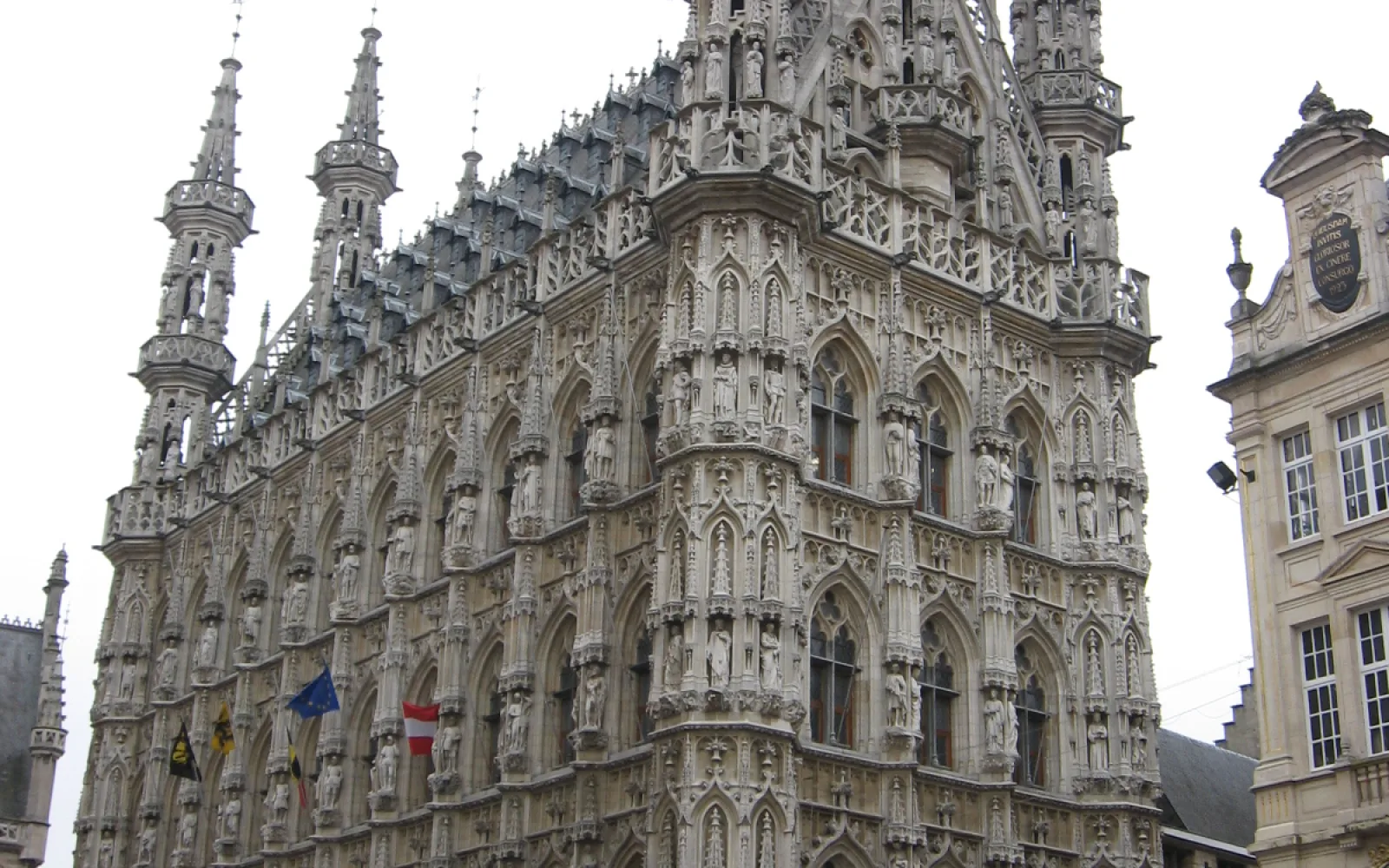
Leuven
Plan Leuven as a compact university city with Gothic architecture, brewing history and an easy rail link from Brussels.
Open guide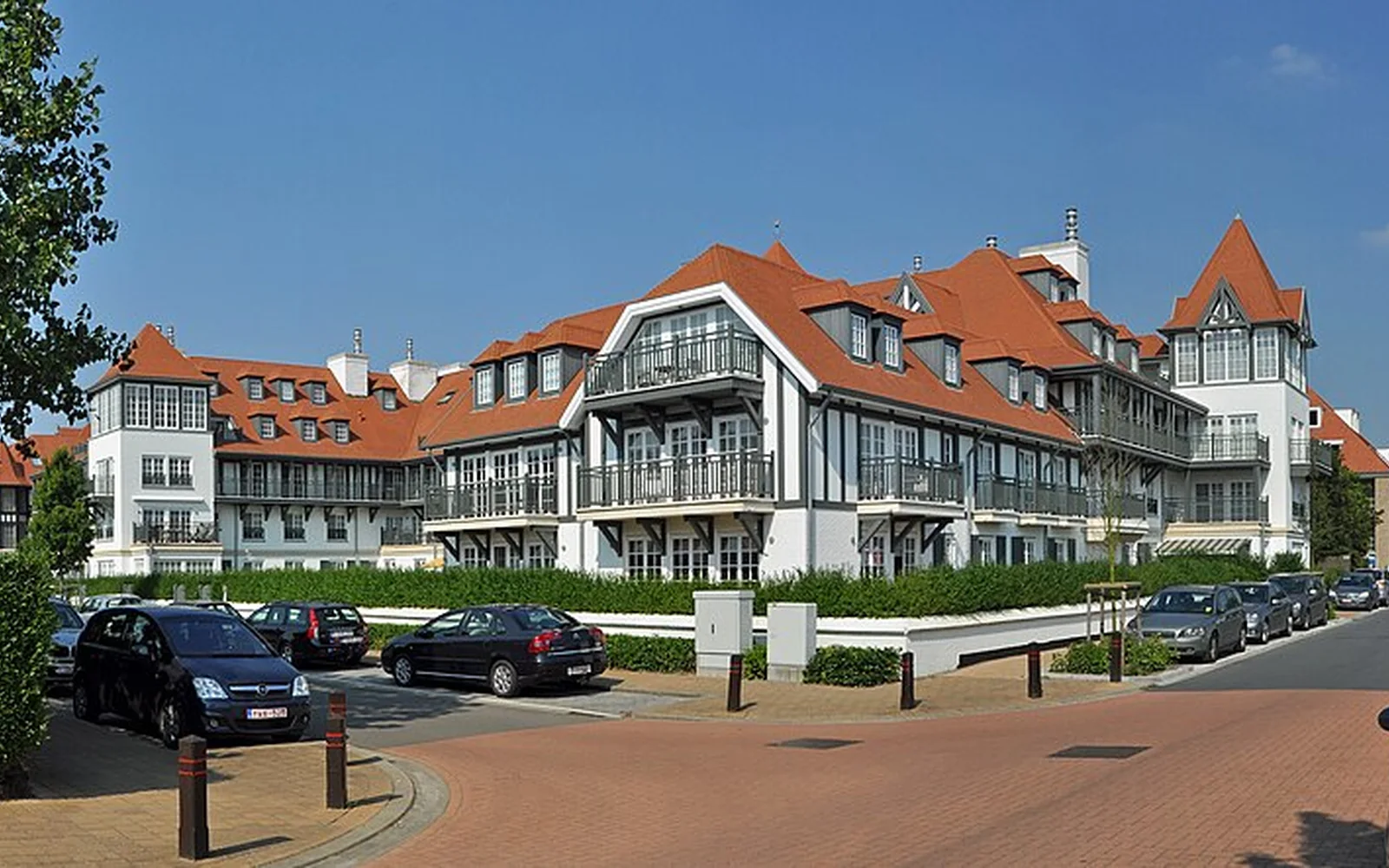
Belgian Coast
Compare Belgian coastal bases, dunes, beaches and the coastal tram before choosing where to stay on the North Sea.
Open guideDe Haan
De Haan pairs a broad North Sea beach with a low-rise Belle Époque quarter that feels different from Belgium’s larger coastal resorts.
Open guide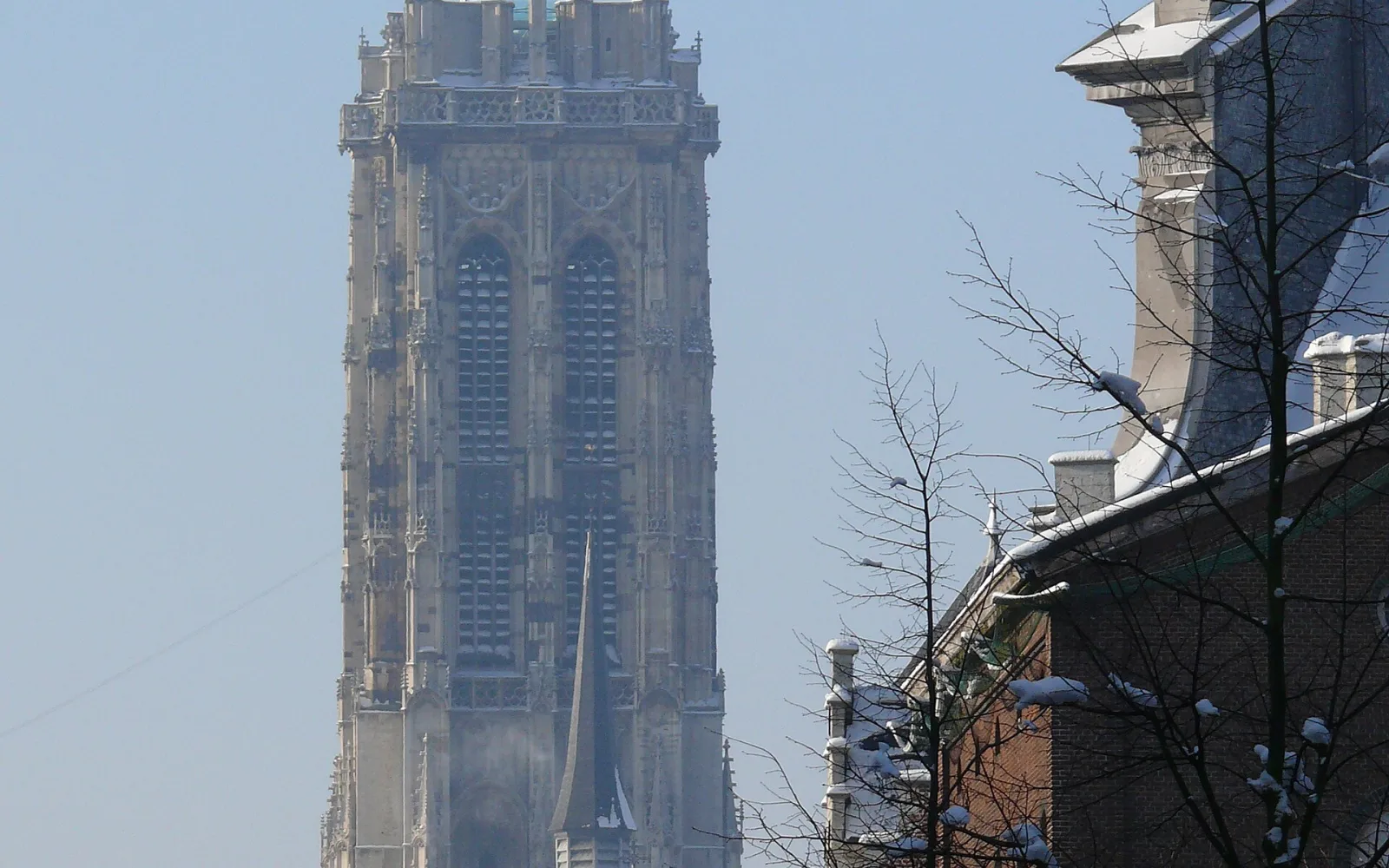
Mechelen
Use Mechelen for a quieter Flemish city day, Burgundian history, family attractions and easy Brussels-Antwerp rail access.
Open guide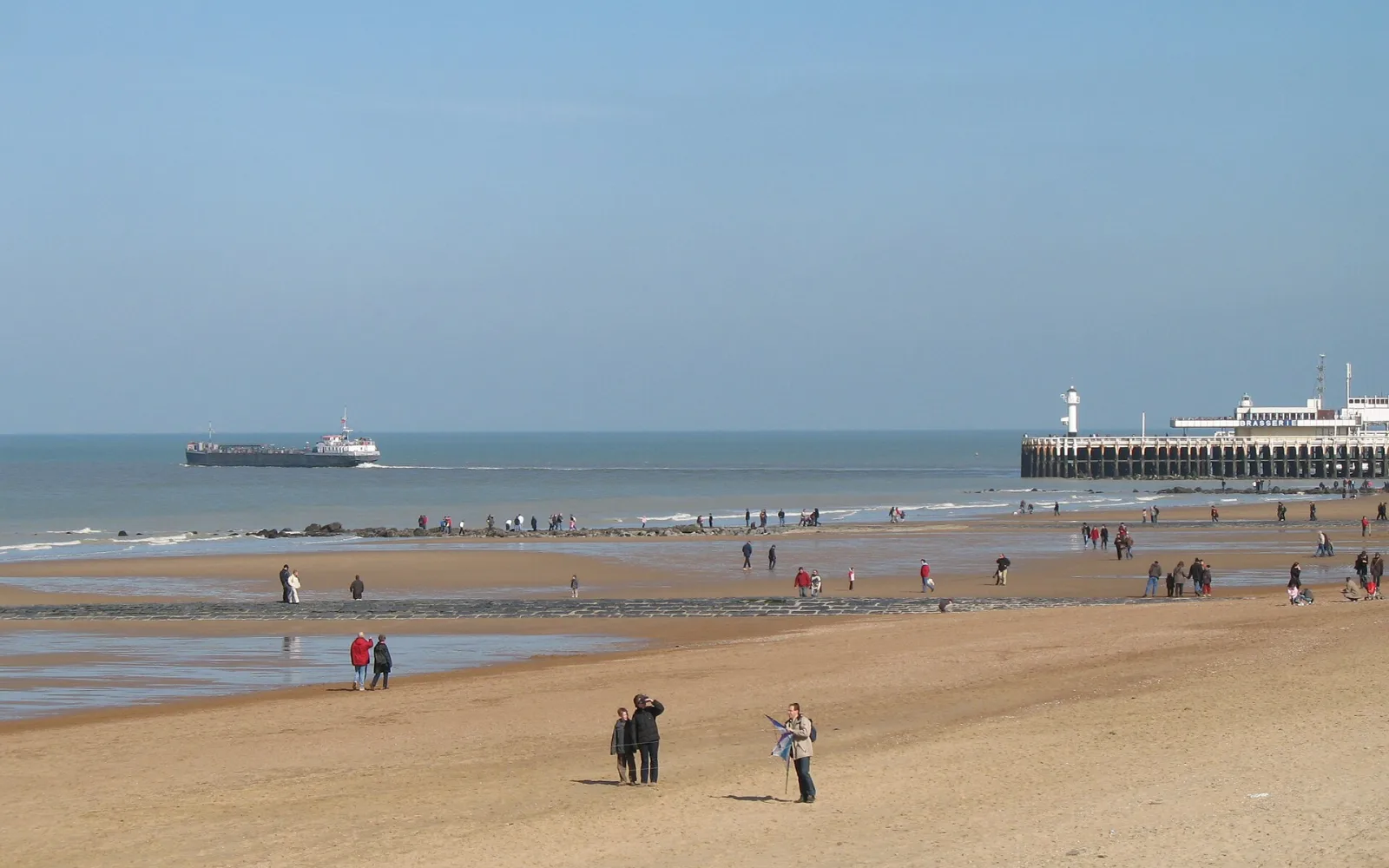
Ostend
Use Ostend as a practical seaside city base for beaches, art, seafood and rail connections along the Belgian coast.
Open guide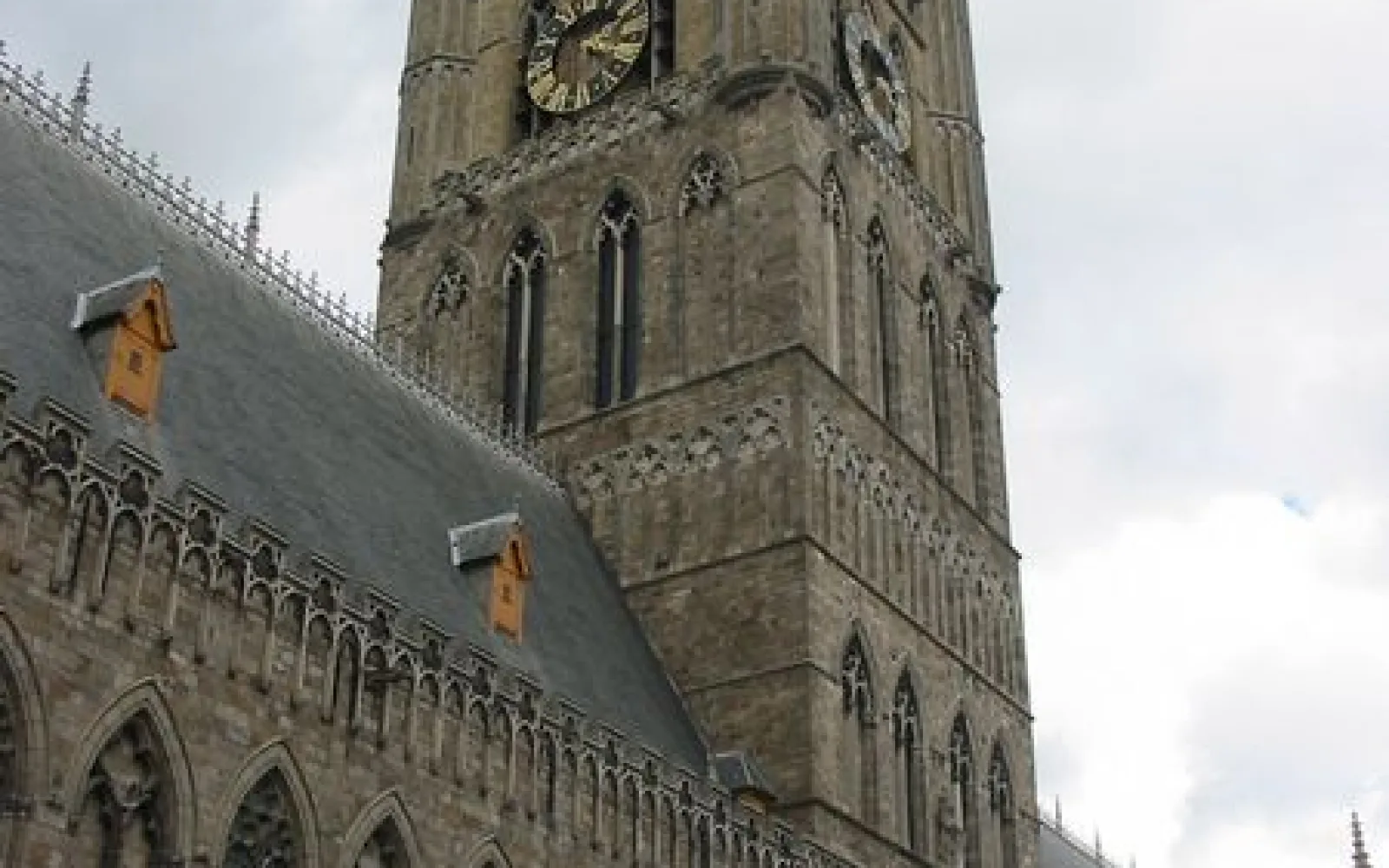
Ypres
Plan Ypres for the Cloth Hall, Menin Gate and a respectful First World War landscape visit with realistic transport.
Open guideBuild a coherent route
Plan by area
Antwerp
Plan Antwerp for major art collections, fashion and design, monumental rail architecture and a working riverside city.
Bruges
Stay in Bruges for canal-side streets, Flemish art, medieval civic spaces and quieter mornings beyond peak day-trip hours.
Ghent
Use Ghent for medieval waterways, major art, a lively student city and central rail access across Flanders.
Leuven
Plan Leuven as a compact university city with Gothic architecture, brewing history and an easy rail link from Brussels.
Mechelen
Use Mechelen for a quieter Flemish city day, Burgundian history, family attractions and easy Brussels-Antwerp rail access.
Ypres
Plan Ypres for the Cloth Hall, Menin Gate and a respectful First World War landscape visit with realistic transport.
Ostend
Use Ostend as a practical seaside city base for beaches, art, seafood and rail connections along the Belgian coast.
Belgian Coast
Compare Belgian coastal bases, dunes, beaches and the coastal tram before choosing where to stay on the North Sea.
See the main travel bases
See the main places in Flanders
Loading the map…
Use the map to compare the main bases before planning local transport.
Match the route to your time
What fits into your trip
A practical first visit
Flanders combines short rail distances with unusually dense art, medieval architecture and industrial history. The useful planning question is not how many cities fit on a map, but which places deserve evenings after day visitors leave.
Link the stops sensibly
Routes and day trips
Choose Flanders for rail-based city breaks, museum trips, food and beer culture, cycling or First World War history. It is less suited to travellers seeking one continuous wilderness area.
Suggested regional routes
Antwerp
Antwerp pairs one of Europe’s most memorable railway arrivals with serious art, fashion, diamonds and a port landscape. The historic centre is compact, but the museum and harbour districts stretch the practical day.
Open destination guideBruges
Bruges is famous enough to attract heavy day traffic, yet it remains rewarding when treated as a living small city rather than a medieval backdrop. Early mornings, evenings and streets away from Markt change the experience.
Open destination guideGhent
Ghent combines a dramatic historic centre with students, contemporary culture and everyday city life. Its appeal is strongest after the principal monuments close and the waterways become an evening setting.
Open destination guideLeuven
Leuven is compact, youthful and visually anchored by its elaborate town hall and university buildings. It works as an easy day from Brussels, but an overnight reveals a calmer morning and a more local evening.
Open destination guideRegional day trips
Belgian coast day trip from Brussels
Choose one Belgian coast base for a realistic day from Brussels, with Ostend for the easiest rail plan and other resorts requiring an onward connection.
Bruges day trip from Brussels
Plan a focused rail day from Brussels to Bruges, with time for the historic centre, one major visit and an unhurried return.
Ghent day trip from Brussels
Use Ghent as a full rail day from Brussels, allowing for the journey from the station and a focused choice of historic sights or museums.
Wider itineraries
These routes include Flanders but continue to other parts of Belgium.
Belgium cities by railChoose transport by destination
Getting around Flanders
Brussels is the main international gateway, with frequent domestic trains continuing to Flemish cities. Antwerp also receives international rail services.
Best base
Ghent sits centrally for rail journeys, Antwerp gives the strongest large-city evening scene, and Bruges offers the most atmospheric overnight setting.
Local transport
Trains handle most intercity movement, while De Lijn buses and trams cover local gaps. Check the final return when planning smaller towns or the coast.
Car use
A car is unnecessary for the named art cities and often inconvenient in restricted centres. It becomes useful for rural cycling starts or scattered memorial sites.
Choose dates that suit the route
When to visit
Late spring and early autumn balance daylight with manageable demand. Summer favours the coast and festivals, while winter shifts attention to museums and city food.
Bruges weekends, Ghent festival dates and Antwerp events can raise room prices. Important exhibitions may also use timed admission.
Read the seasonal guide for BelgiumAvoid common route problems
Planning checks
How much time is useful in Flanders?
Four days cover one base and two day trips, while seven to nine days allow three bases without turning each morning into a transfer.
Where should I base myself for Flanders?
Ghent sits centrally for rail journeys, Antwerp gives the strongest large-city evening scene, and Bruges offers the most atmospheric overnight setting.
Is a car useful for Flanders?
A car is unnecessary for the named art cities and often inconvenient in restricted centres. It becomes useful for rural cycling starts or scattered memorial sites.
Quick answers
Questions about Flanders
How much time is useful in Flanders?
Four days cover one base and two day trips, while seven to nine days allow three bases without turning each morning into a transfer.
Where should I base myself for Flanders?
Ghent sits centrally for rail journeys, Antwerp gives the strongest large-city evening scene, and Bruges offers the most atmospheric overnight setting.
Is a car useful for Flanders?
A car is unnecessary for the named art cities and often inconvenient in restricted centres. It becomes useful for rural cycling starts or scattered memorial sites.
How this guide is checked
Sources and review
Reviewed 3 September 2026, next review due 3 March 2027. Services, access rules and opening arrangements can change, so check the official source before travel.
- Official Flanders visitor information, VISITFLANDERS
- Official Flemish destination directory, VISITFLANDERS
- Belgian rail journey and service information, SNCB-NMBS
Continue planning
See more of Belgium
Use the country guide to compare Flanders with other regions and destinations in Belgium.