
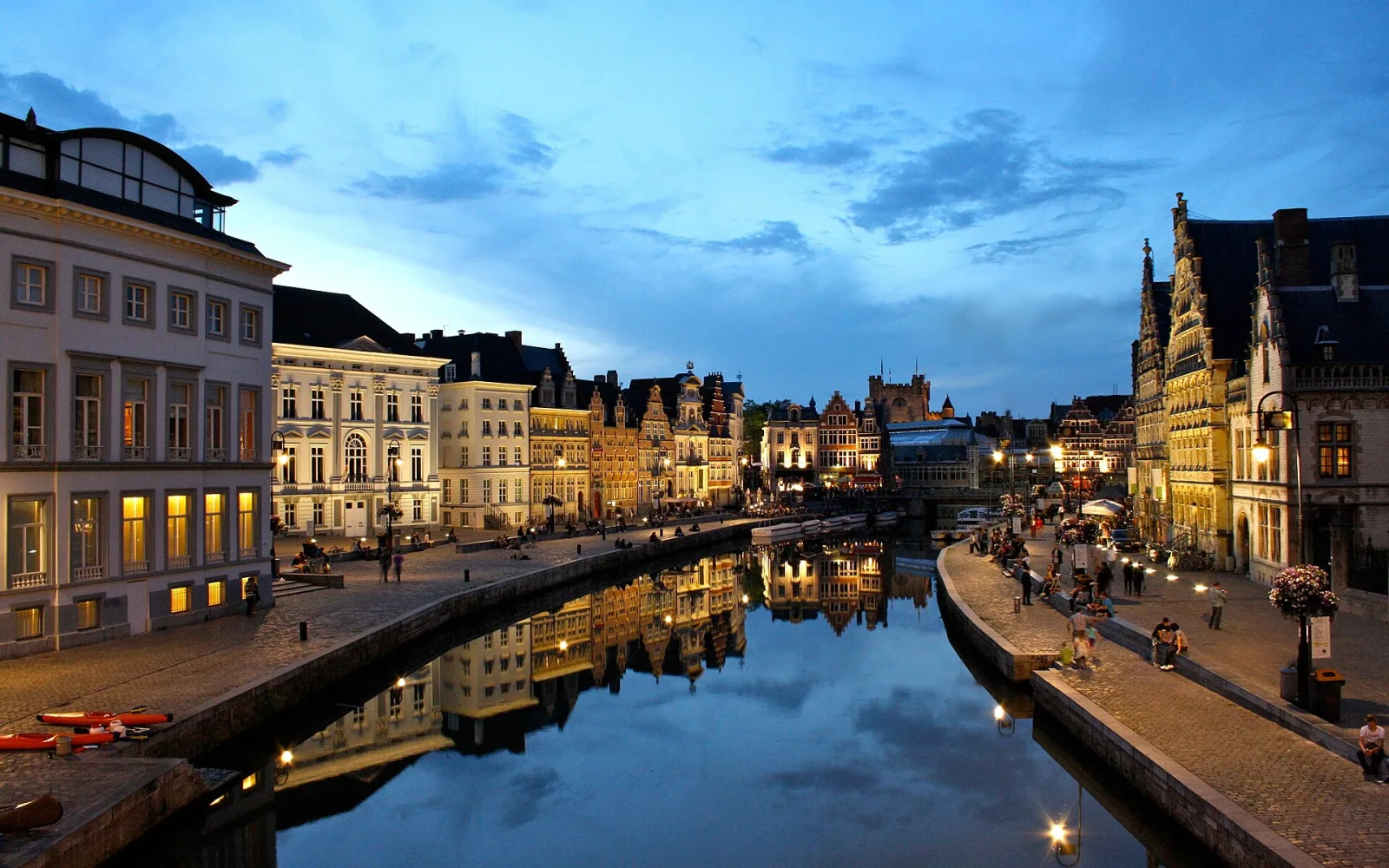
Ghent combines a dramatic historic centre with students, contemporary culture and everyday city life. Its appeal is strongest after the principal monuments close and the waterways become an evening setting.
Understand the shape of the visit
Ghent combines a dramatic historic centre with students, contemporary culture and everyday city life. Its appeal is strongest after the principal monuments close and the waterways become an evening setting.
Two full days cover the core and one major museum area. Three nights make Ghent a convenient base for Bruges or another Flemish city without moving luggage.
Choose a workable base and pace
Ghent suits travellers wanting medieval architecture without giving up restaurants, nightlife and a lived-in city. It is a good compromise for mixed-age groups.
Allow two days for Ghent itself, or three to four nights when using it as a rail base.
The historic centre is easiest for atmosphere, Sint-Pieters station is practical for repeated trains, and the southern museum quarter suits a quieter stay.
Combine the three towers, Graslei and Patershol in one central circuit, then give Gravensteen and the Ghent Altarpiece their own timed blocks.
Build the days around clear priorities
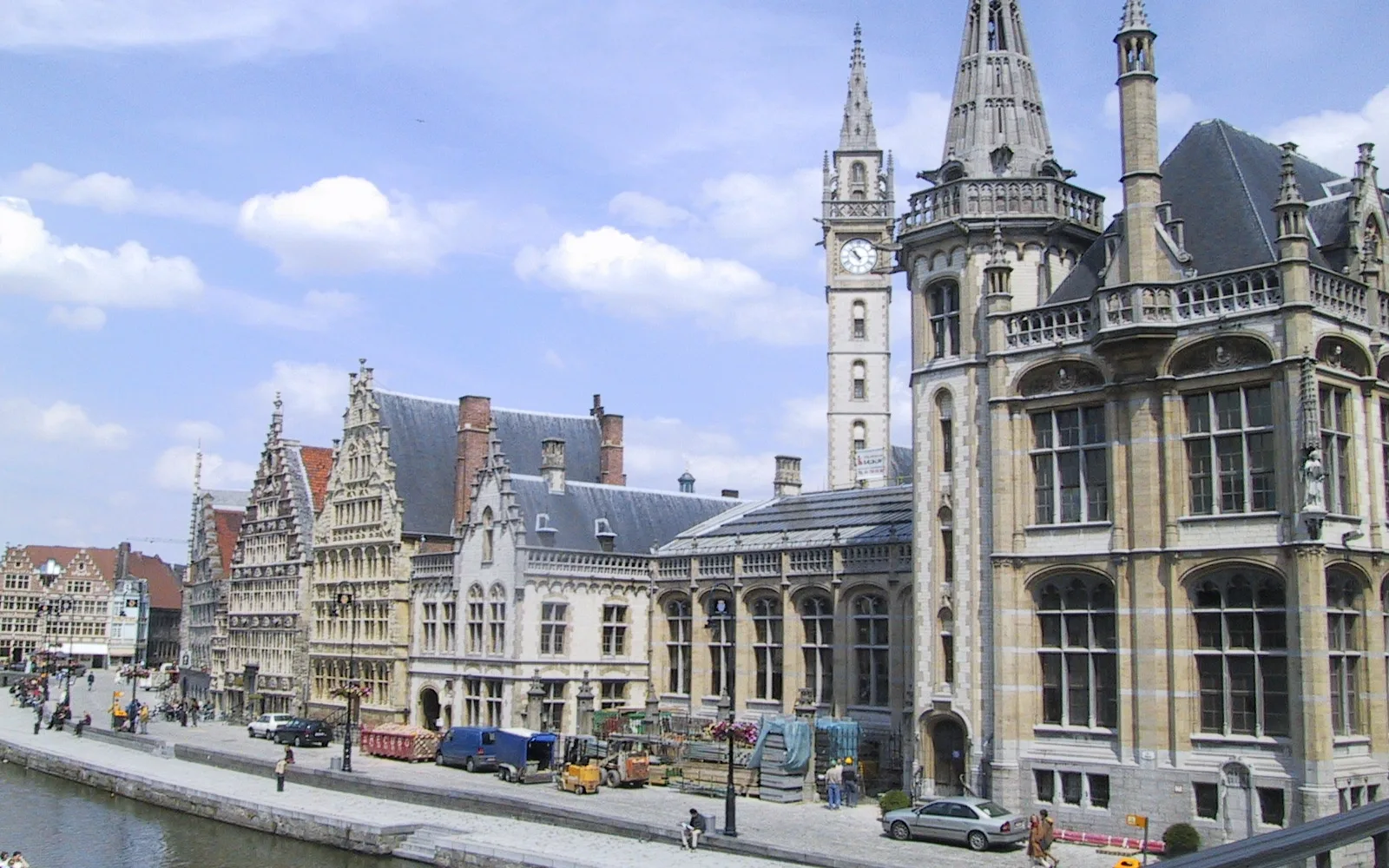
The Graslei and Korenlei are most rewarding when walked at different times of day.
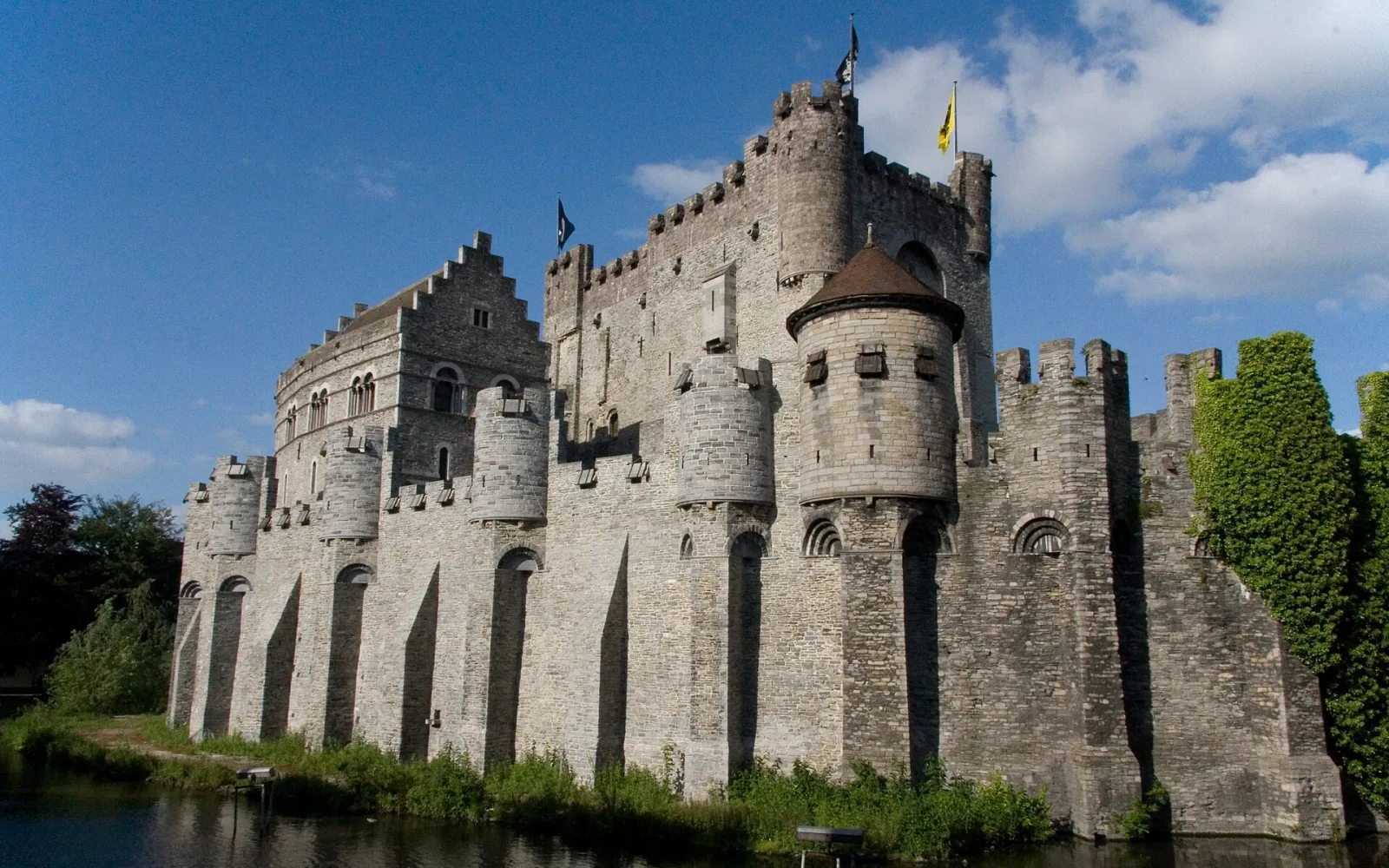
Gravensteen involves stairs and confined historic spaces.
The Ghent Altarpiece and museum quarter should not be treated as quick additions to an already full centre day.
Begin with the towers and waterfront, then explore Patershol and stay for the evening centre.
Use day two for the altarpiece, Gravensteen and one museum chosen for genuine interest.
Add a third day for Bruges by train or a slower southern neighbourhood and museum plan.
Getting there and moving around
Most trains use Gent-Sint-Pieters, which is outside the historic core. Allow for a tram or a substantial walk after arrival.
Trams connect the station, centre and southern districts. Central pedestrian areas make walking easier once luggage is stored.
A car is unnecessary and can be awkward around the low-emission zone and restricted centre. Rail is faster for the main regional trips.
Weather, bookings and practical limits
Spring and early autumn suit long walks. The major summer festival changes prices and noise, while winter favours museums and restaurants.
Festival dates and university events can tighten rooms. The altarpiece and major exhibitions deserve a current admission check.
Ghent can offer better overnight value than Bruges, although central weekend rates still rise. Tram use is modest compared with accommodation and dining.
Cobbles and historic buildings vary, while modern trams and museums offer better access. Confirm step-free routes at the exact station stop.
Do not confuse Gent-Sint-Pieters with a central station, or schedule Gravensteen, the altarpiece and several large museums without breaks.
Continue planning
Questions about Ghent
How much time is useful in Ghent?
Allow two days for Ghent itself, or three to four nights when using it as a rail base.
Where should I base myself for Ghent?
The historic centre is easiest for atmosphere, Sint-Pieters station is practical for repeated trains, and the southern museum quarter suits a quieter stay.
Is a car useful for Ghent?
A car is unnecessary and can be awkward around the low-emission zone and restricted centre. Rail is faster for the main regional trips.
Daily planning ranges
Travel costs in Ghent
These planning ranges are per person, per day and assume two people sharing a room. They are not live quotes.
Standard daily breakdown
- Accommodation
- €75 to €140
- Food
- €34 to €55
- Local transport
- €7 to €16
- Activities
- €20 to €42
What the range assumes: Per person, per day, based on two people sharing a practical double or twin room. The standard range includes ordinary local transport, a mix of casual and mid-range meals, and one paid visitor activity.
Seasonal note: Festival dates and busy weekends can move central rooms above the range.
Not included: International and intercity travel, car hire, travel insurance, shopping, nightlife and exceptional event premiums are excluded.
Price basis 29 August 2026, reviewed 29 August 2026, next review due 28 February 2027.
Cost sources
- De Lijn fares and travel information, www.delijn.be
- Current travel cost research for ghent, Numbeo
Sources and updates
This guide was last reviewed on 3 September 2026. Transport, access and opening arrangements can change, so check the official source before travel.
- Official Flemish destination directory, VISITFLANDERS
- Belgian rail journey and service information, SNCB-NMBS
- Official Ghent visitor information, City of Ghent