
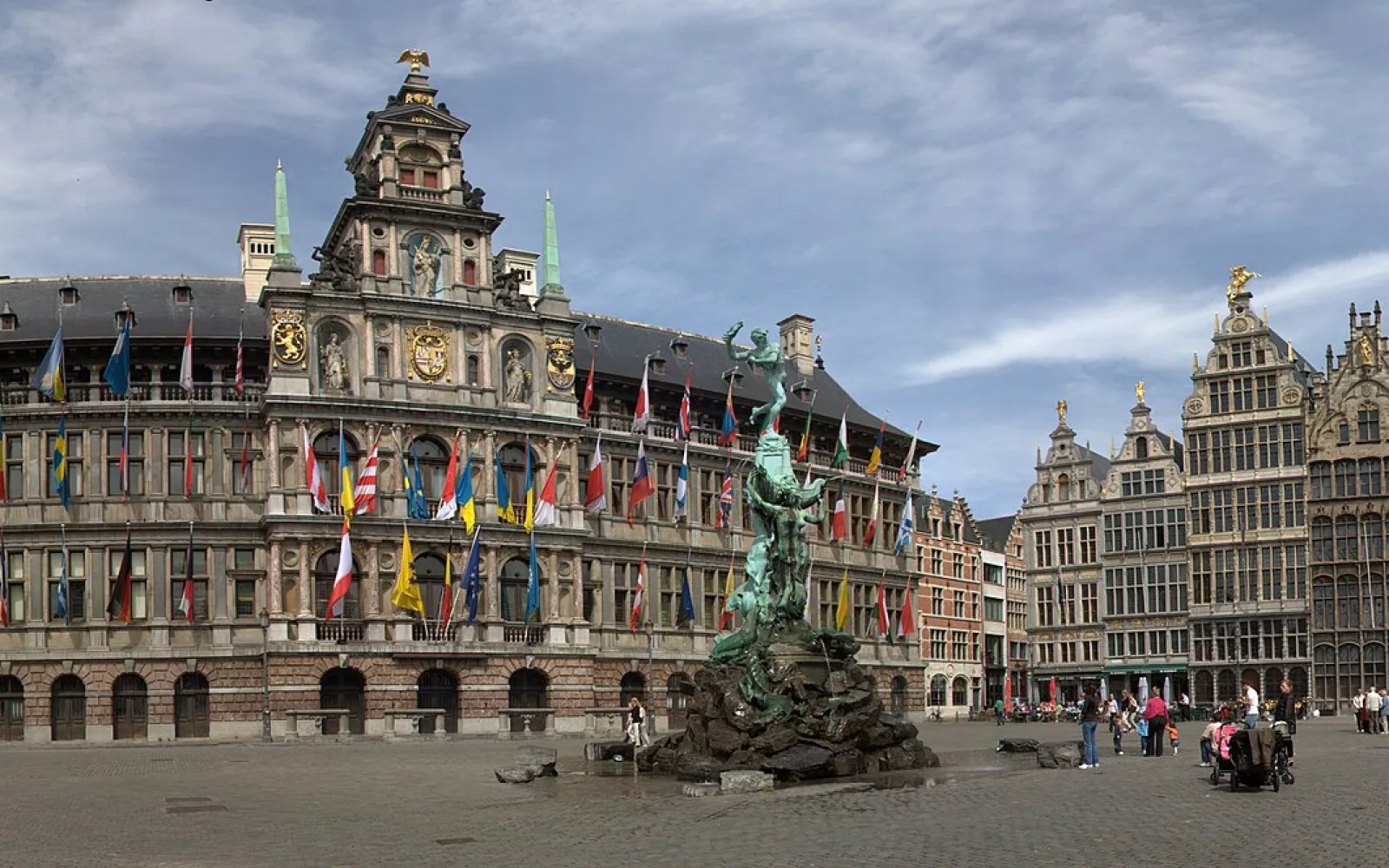
Antwerp pairs one of Europe’s most memorable railway arrivals with serious art, fashion, diamonds and a port landscape. The historic centre is compact, but the museum and harbour districts stretch the practical day.
Understand the shape of the visit
Antwerp pairs one of Europe’s most memorable railway arrivals with serious art, fashion, diamonds and a port landscape. The historic centre is compact, but the museum and harbour districts stretch the practical day.
A two-night stay gives Antwerp an evening identity that disappears on a hurried day trip. Three nights allow a major collection, central streets and the northern waterfront without constant clock-watching.
Choose a workable base and pace
Antwerp suits travellers who prefer a lively city with museums, design, shopping and nightlife. Visitors seeking a preserved small-city atmosphere may prefer Bruges or Mechelen.
Two full days are realistic, with a third useful for the KMSKA, port architecture or a slower neighbourhood day.
The historic centre suits first visits, Zuid is practical for art and restaurants, and the station area prioritises transport but needs careful street selection.
Walk from Central Station through the main shopping spine, reserve a separate historic-centre block, and combine MAS with the northern docks rather than a southern museum.
Build the days around clear priorities
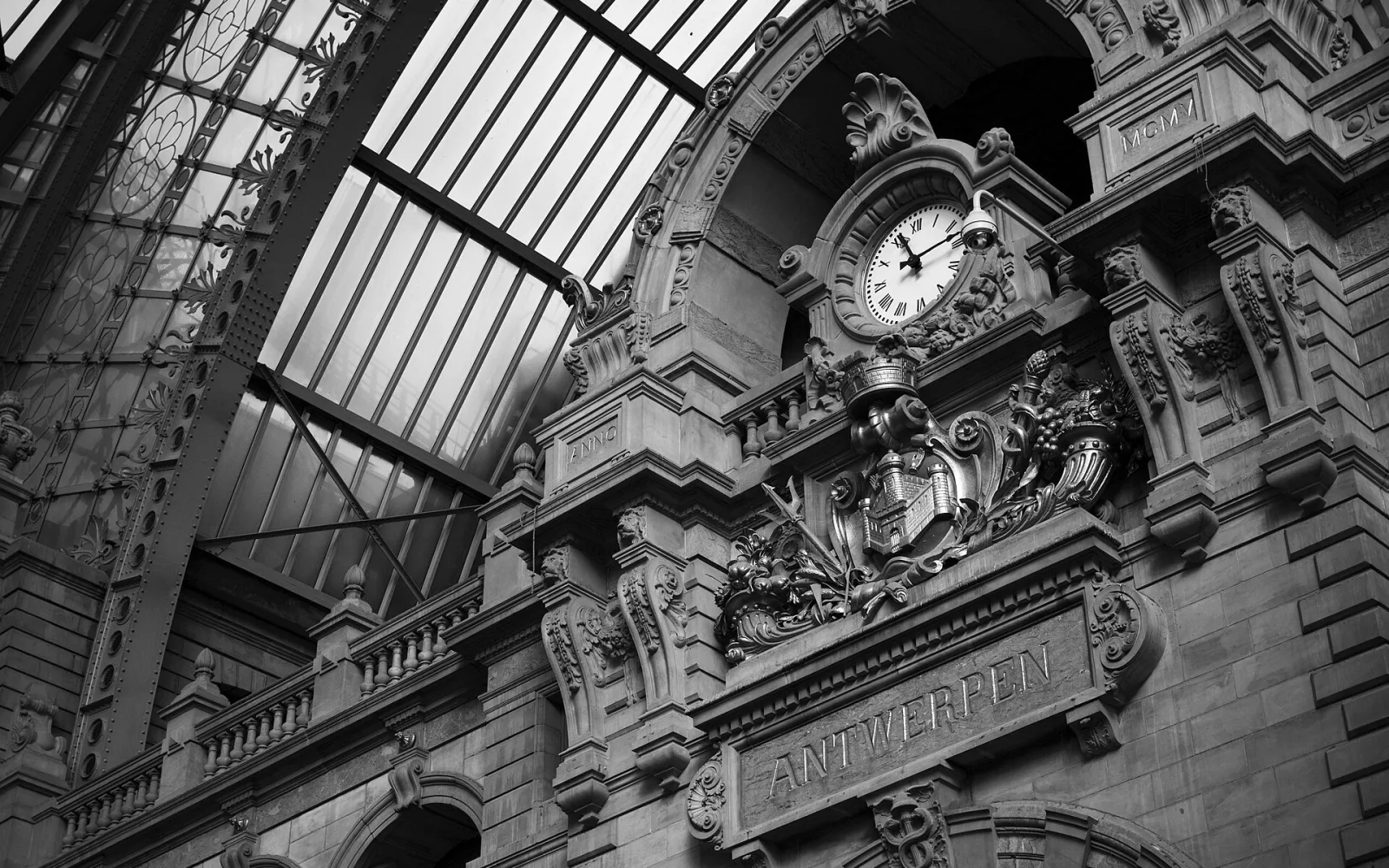
Central Station deserves time as architecture, not merely an arrival hall.
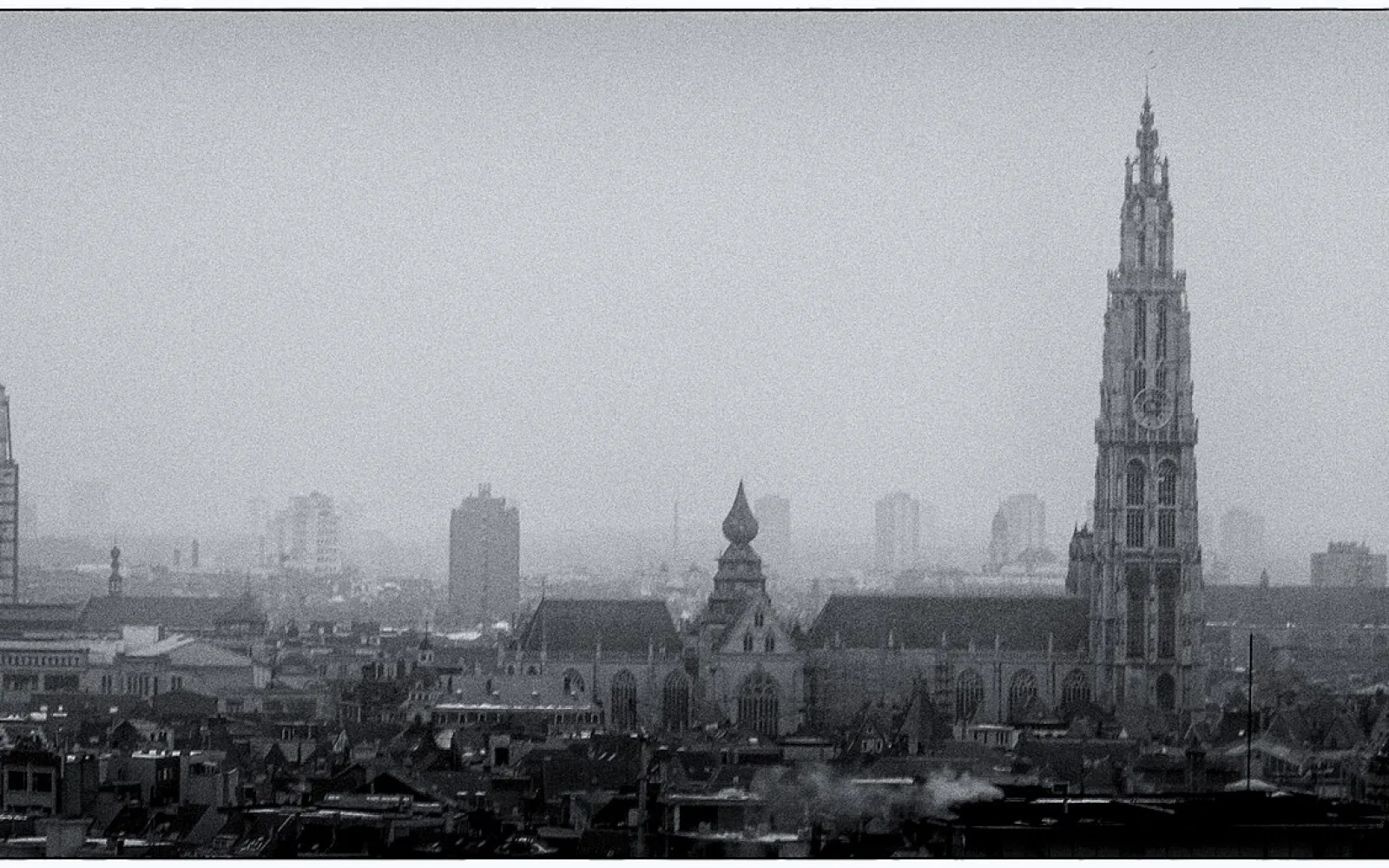
The cathedral and Grote Markt anchor the historic walking circuit.
MAS and the waterfront explain Antwerp’s port identity, while KMSKA leads to the southern district.
Arrive by rail, explore the station, old centre and riverfront, then keep the first evening in the centre.
Choose one major art museum and give the surrounding district enough time for lunch and streets.
Use an extra day for port architecture, fashion or a short train trip to Mechelen.
Getting there and moving around
Antwerp Central receives domestic and international trains. The station is close to the centre but not beside every museum district.
Trams shorten north-south journeys, while walking covers the central core. Check temporary route changes around major works.
A car is unnecessary for the city and introduces parking and low-emission-zone checks. Rail works better for Brussels, Ghent and Mechelen.
Weather, bookings and practical limits
Spring and autumn suit museum and street time, summer brings terraces and events, and winter works well for an indoor-focused break.
Fashion, trade and cultural events can tighten rooms. Popular exhibitions and a few destination restaurants sell timed places.
Central hotels and dining can be expensive, but walking and free riverside areas balance paid museum days. Compare breakfast-included rates carefully.
The main station and modern museums have strong access, while cobbles, older churches and dock distances require route-specific checks.
Do not treat the station, old town, Zuid and docks as one small walking loop, or visit several large collections without allowing museum fatigue.
Continue planning
Questions about Antwerp
How much time is useful in Antwerp?
Two full days are realistic, with a third useful for the KMSKA, port architecture or a slower neighbourhood day.
Where should I base myself for Antwerp?
The historic centre suits first visits, Zuid is practical for art and restaurants, and the station area prioritises transport but needs careful street selection.
Is a car useful for Antwerp?
A car is unnecessary for the city and introduces parking and low-emission-zone checks. Rail works better for Brussels, Ghent and Mechelen.
Daily planning ranges
Travel costs in Antwerp
These planning ranges are per person, per day and assume two people sharing a room. They are not live quotes.
Standard daily breakdown
- Accommodation
- €82 to €150
- Food
- €36 to €58
- Local transport
- €8 to €18
- Activities
- €22 to €45
What the range assumes: Per person, per day, based on two people sharing a practical double or twin room. The standard range includes ordinary local transport, a mix of casual and mid-range meals, and one paid visitor activity.
Seasonal note: Trade fairs, fashion events and major exhibitions create short periods of high demand.
Not included: International and intercity travel, car hire, travel insurance, shopping, nightlife and exceptional event premiums are excluded.
Price basis 29 August 2026, reviewed 29 August 2026, next review due 28 February 2027.
Cost sources
- De Lijn fares and travel information, www.delijn.be
- Current travel cost research for antwerp, Numbeo
Sources and updates
This guide was last reviewed on 3 September 2026. Transport, access and opening arrangements can change, so check the official source before travel.
- Official Flemish destination directory, VISITFLANDERS
- Belgian rail journey and service information, SNCB-NMBS
- Official Antwerp visitor information, City of Antwerp