
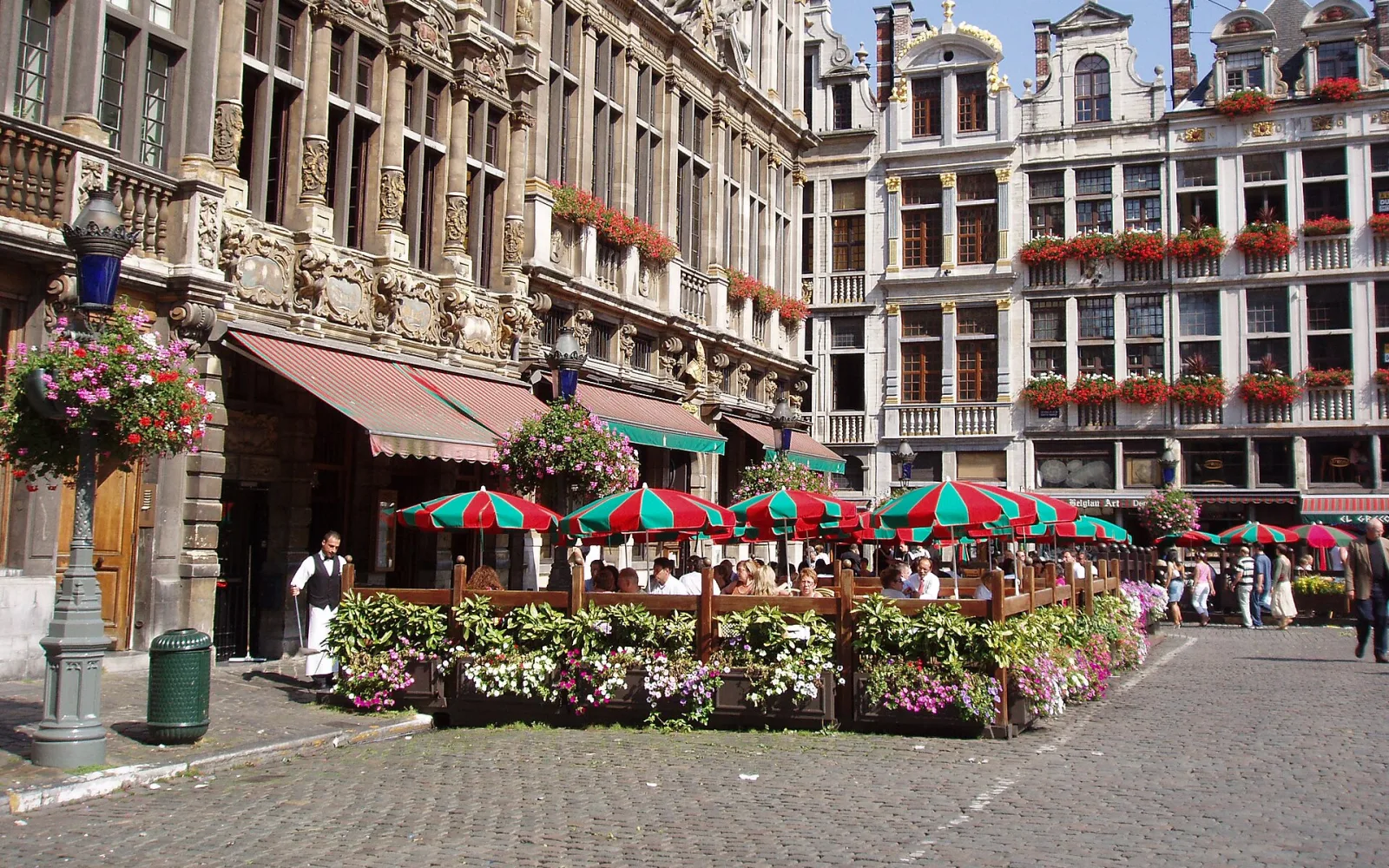
Brussels is more useful as a collection of districts than as a single Grand Place checklist. The historic core, Mont des Arts, Sablon, European Quarter and Art Nouveau areas each need different walking and transport choices.
Understand the shape of the visit
Brussels is more useful as a collection of districts than as a single Grand Place checklist. The historic core, Mont des Arts, Sablon, European Quarter and Art Nouveau areas each need different walking and transport choices.
Two full days cover a focused first visit, while a third allows neighbourhood museums or a relaxed food plan. Add extra nights only when Brussels is also the base for rail trips.
Choose a workable base and pace
Brussels suits museum visitors, architecture enthusiasts, food-focused travellers and people starting a rail route. Its multilingual, workaday character feels different from Bruges or Ghent.
Plan two to three full days for the city, or four nights when taking one substantial day trip.
The centre is convenient for first visits, Sablon is quieter near museums, and areas around Louise or the European Quarter offer different evening rhythms.
Combine Grand Place with the lower centre, Mont des Arts with the Royal Museums, and save distant Art Nouveau houses or the Atomium for separate transport blocks.
Build the days around clear priorities
Grand Place is best paired with nearby covered galleries and food streets.
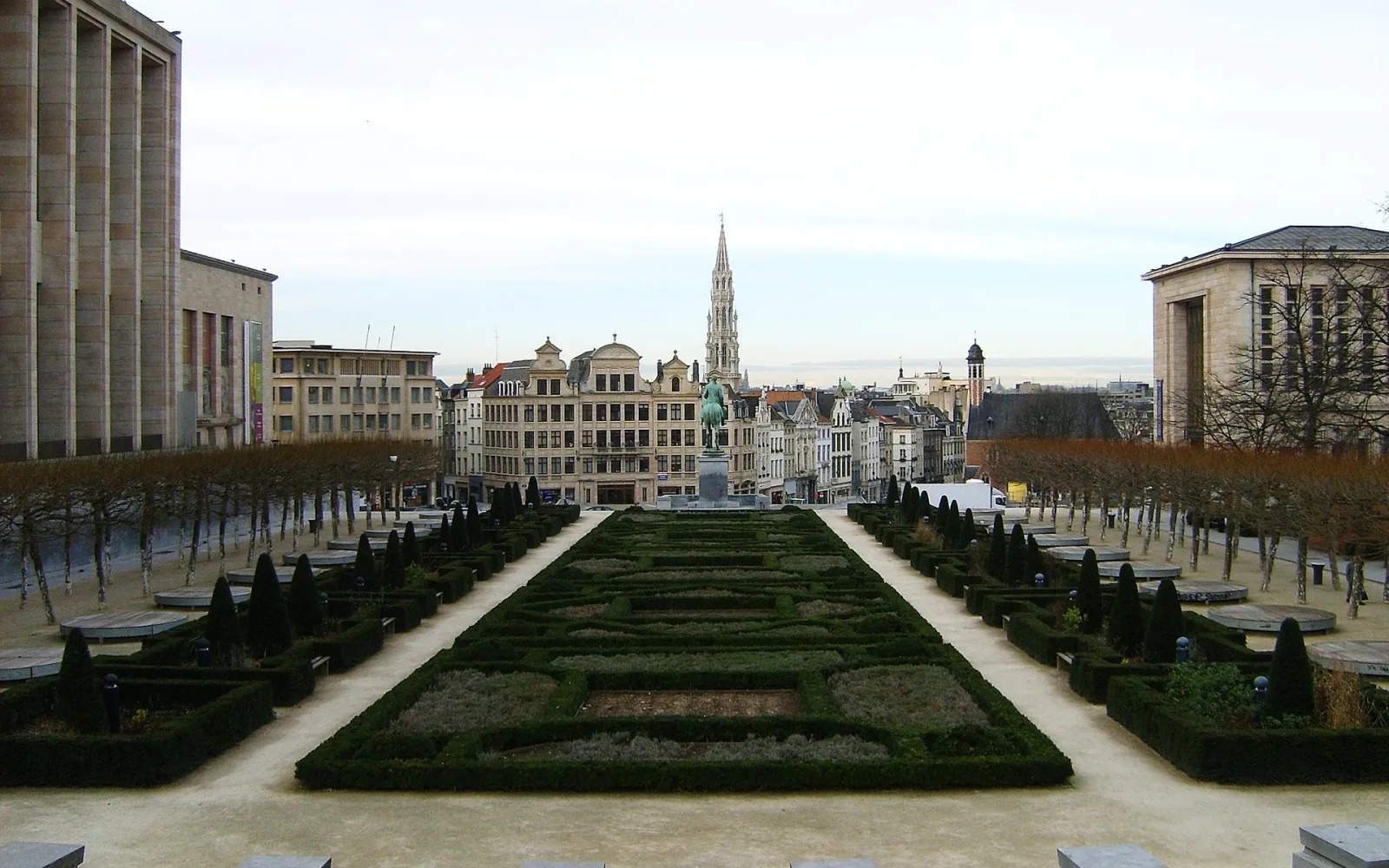
Mont des Arts leads naturally to major museum collections and Sablon.
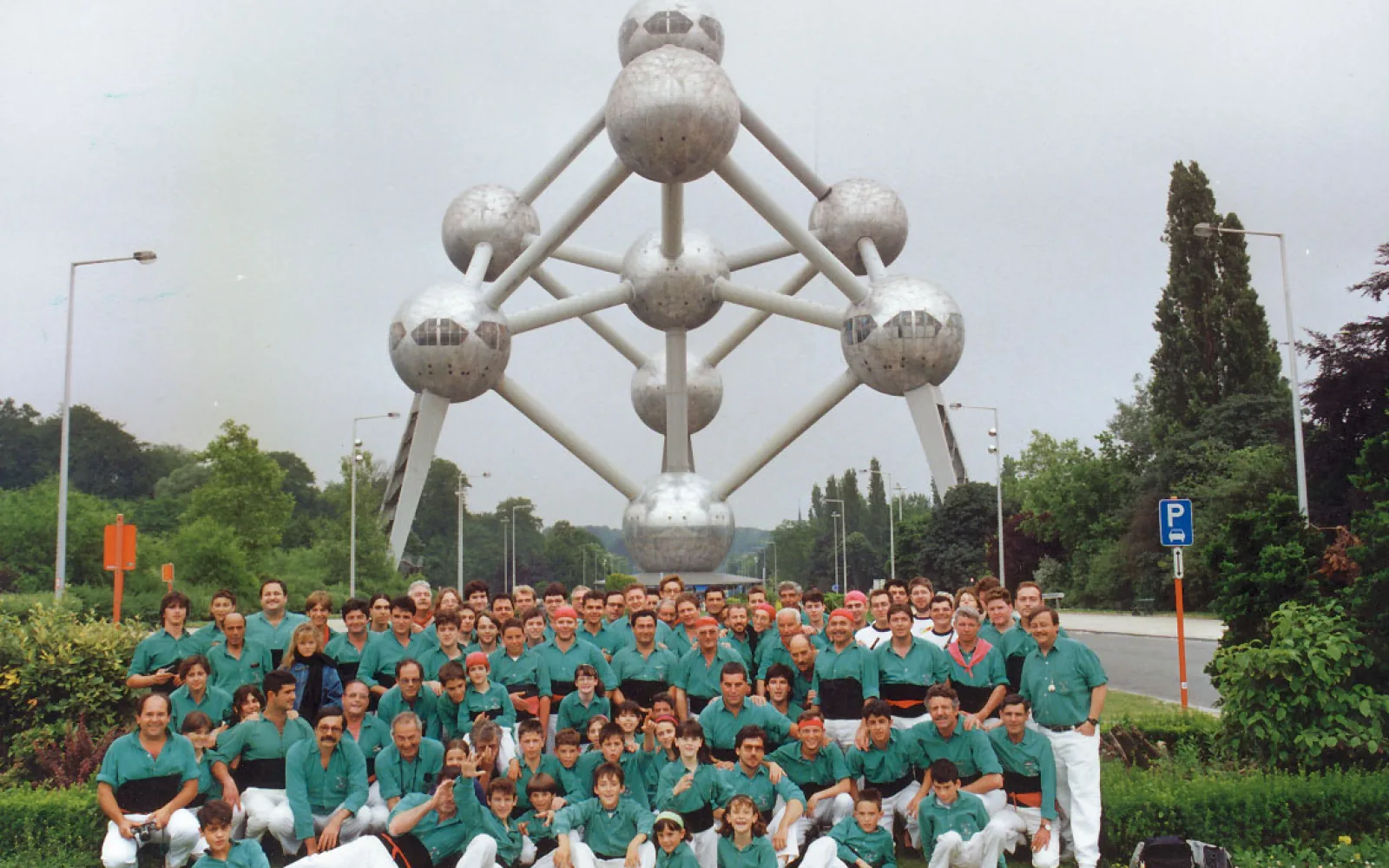
The Atomium sits away from the historic centre and should not be squeezed between central stops.
Spend the first morning around Grand Place, then walk toward Mont des Arts and finish with dinner outside the busiest lanes.
Use day two for the Royal Museums, Sablon and an Art Nouveau area selected in advance.
On a third day, choose the Atomium, a European Quarter visit or one rail day trip rather than all three.
Getting there and moving around
Airport trains serve central stations, and international services arrive at Brussels-Midi. Check which station is nearest the accommodation before changing trains.
Metro, tram and bus cover the wider region. Walking works centrally, but hills and separated districts make an all-day walking plan tiring.
A car adds little for a city stay because parking, traffic and the low-emission zone complicate access. Rail is easier for most day trips.
Weather, bookings and practical limits
Spring and early autumn are comfortable for mixed indoor and outdoor days. Winter supports museums and food, while summer events can change district demand.
Business dates, European meetings and major events can move hotel prices sharply. Timed exhibitions and popular restaurants deserve advance checks.
Brussels ranges from free neighbourhood walks to expensive central hotels and dining. Local transport passes help only when the day genuinely uses several rides.
Central streets include cobbles and gradients. Metro lift availability and heritage-building access should be checked for the stations and museums actually planned.
Do not spend every night beside Grand Place without comparing noise and price, or assume the Atomium is a short walk from the museum quarter.
Continue planning
Questions about Brussels
How much time is useful in Brussels?
Plan two to three full days for the city, or four nights when taking one substantial day trip.
Where should I base myself for Brussels?
The centre is convenient for first visits, Sablon is quieter near museums, and areas around Louise or the European Quarter offer different evening rhythms.
Is a car useful for Brussels?
A car adds little for a city stay because parking, traffic and the low-emission zone complicate access. Rail is easier for most day trips.
Daily planning ranges
Travel costs in Brussels
These planning ranges are per person, per day and assume two people sharing a room. They are not live quotes.
Standard daily breakdown
- Accommodation
- €82 to €150
- Food
- €35 to €58
- Local transport
- €8 to €18
- Activities
- €22 to €45
What the range assumes: Per person, per day, based on two people sharing a practical double or twin room. The standard range includes ordinary local transport, a mix of casual and mid-range meals, and one paid visitor activity.
Seasonal note: Central rooms rise during business, festival and holiday periods.
Not included: International and intercity travel, car hire, travel insurance, shopping, nightlife and exceptional event premiums are excluded.
Price basis 29 August 2026, reviewed 29 August 2026, next review due 28 February 2027.
Cost sources
- STIB-MIVB fares and tickets, www.stib-mivb.be
- Current travel cost research for brussels, Numbeo
Sources and updates
This guide was last reviewed on 3 September 2026. Transport, access and opening arrangements can change, so check the official source before travel.
- Official Brussels visitor information, visit.brussels
- Getting around Brussels, visit.brussels
- Belgian rail journey and service information, SNCB-NMBS