
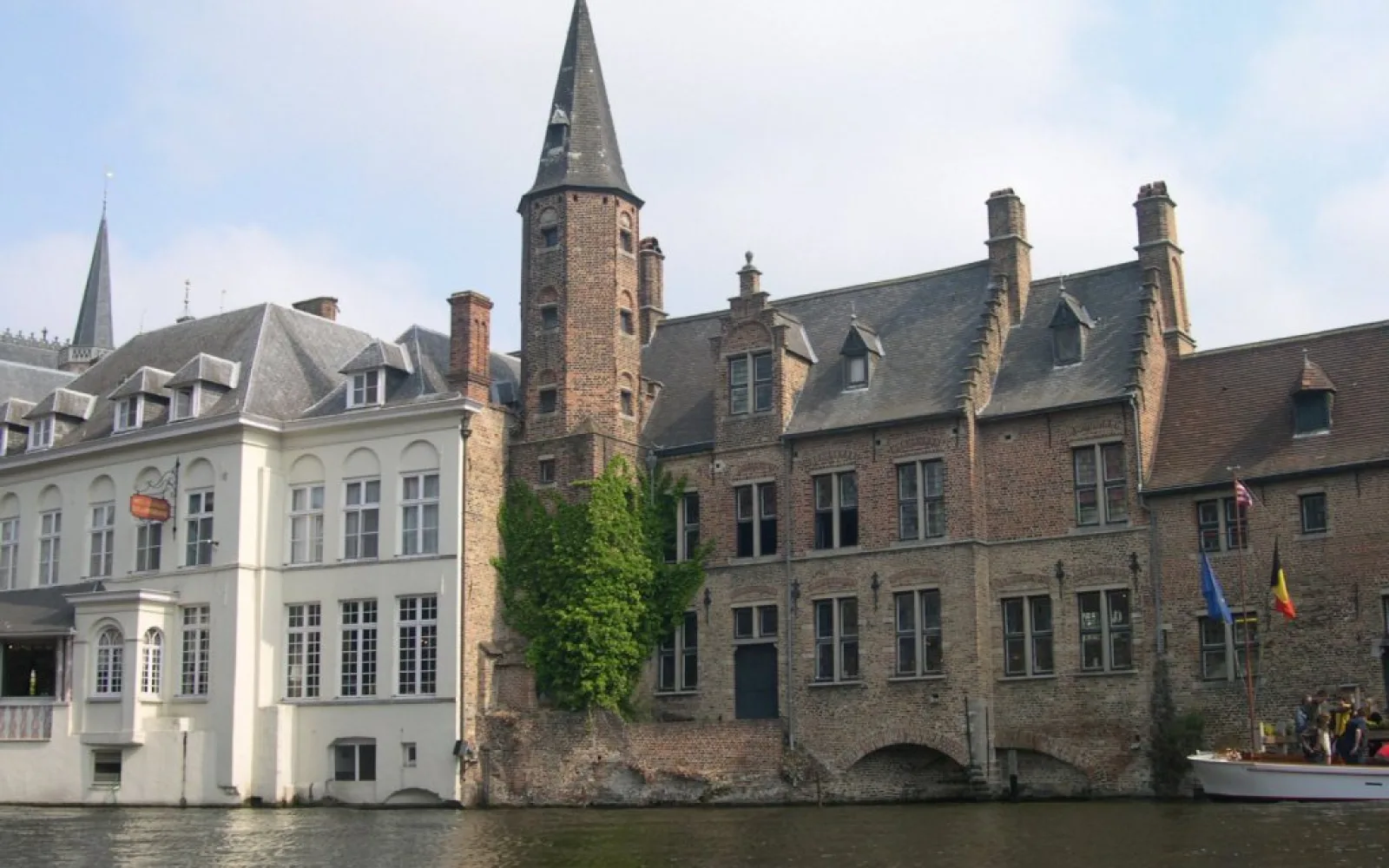
Bruges is famous enough to attract heavy day traffic, yet it remains rewarding when treated as a living small city rather than a medieval backdrop. Early mornings, evenings and streets away from Markt change the experience.
Understand the shape of the visit
Bruges is famous enough to attract heavy day traffic, yet it remains rewarding when treated as a living small city rather than a medieval backdrop. Early mornings, evenings and streets away from Markt change the experience.
One night is useful, two nights are better for a first visit, and a third suits travellers giving real time to Flemish art or cycling beyond the core.
Choose a workable base and pace
Bruges suits first-time Belgium visitors, art and architecture travellers, couples and people who prefer a compact base. Nightlife and a contemporary big-city feel are limited.
Allow one full day and an overnight at minimum; two full days remove the need to rush museums and canal-side walks.
Inside the ring is most atmospheric, the station side is practical for luggage, and quieter northern streets balance access with calmer evenings.
Pair Markt and Burg, continue through museum streets toward the Dijver, and keep the Begijnhof and Minnewater as a second walking arc.
Build the days around clear priorities
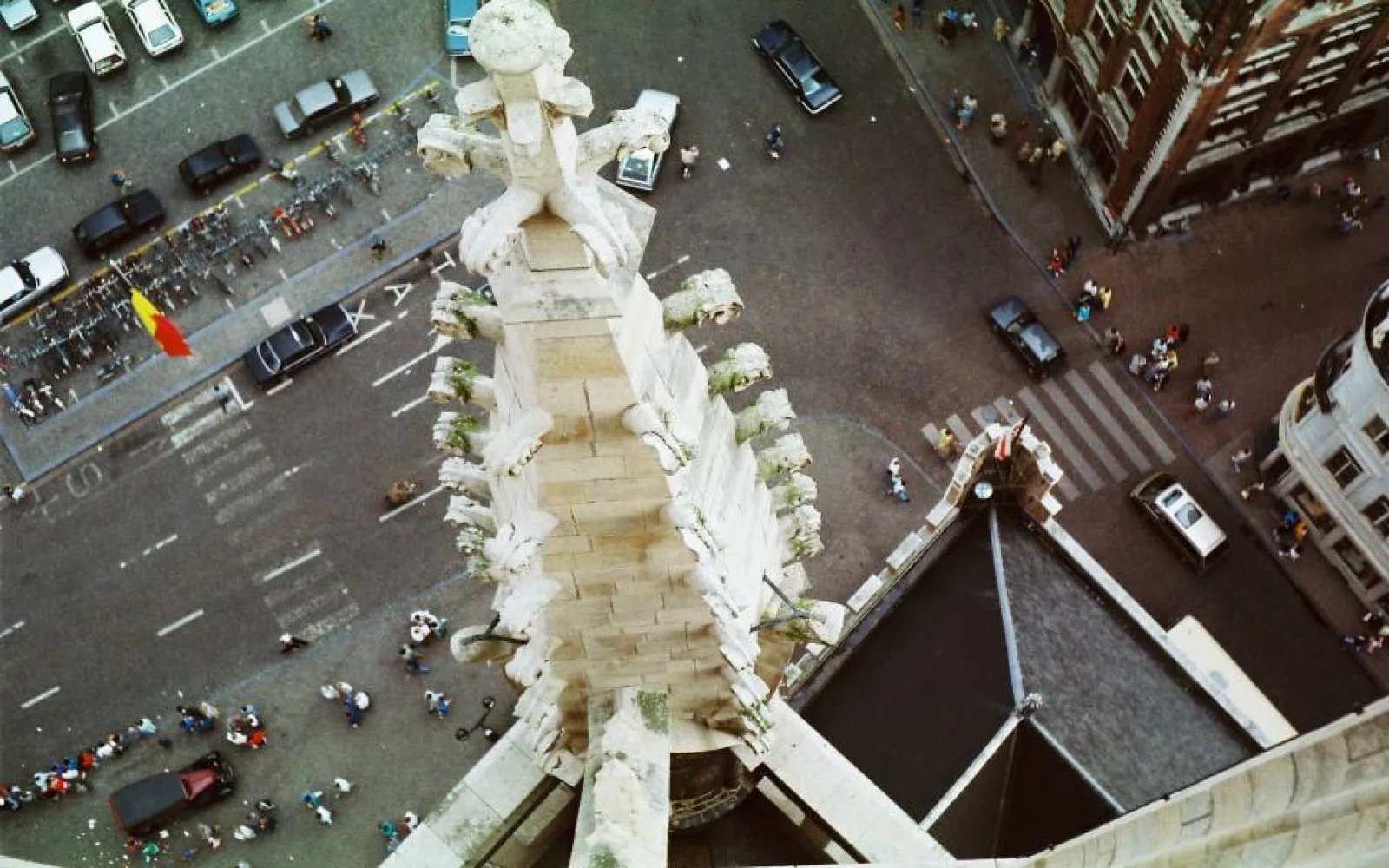
Markt and the Belfry are busiest in the middle of the day.
Groeningemuseum and nearby churches need unhurried indoor time.
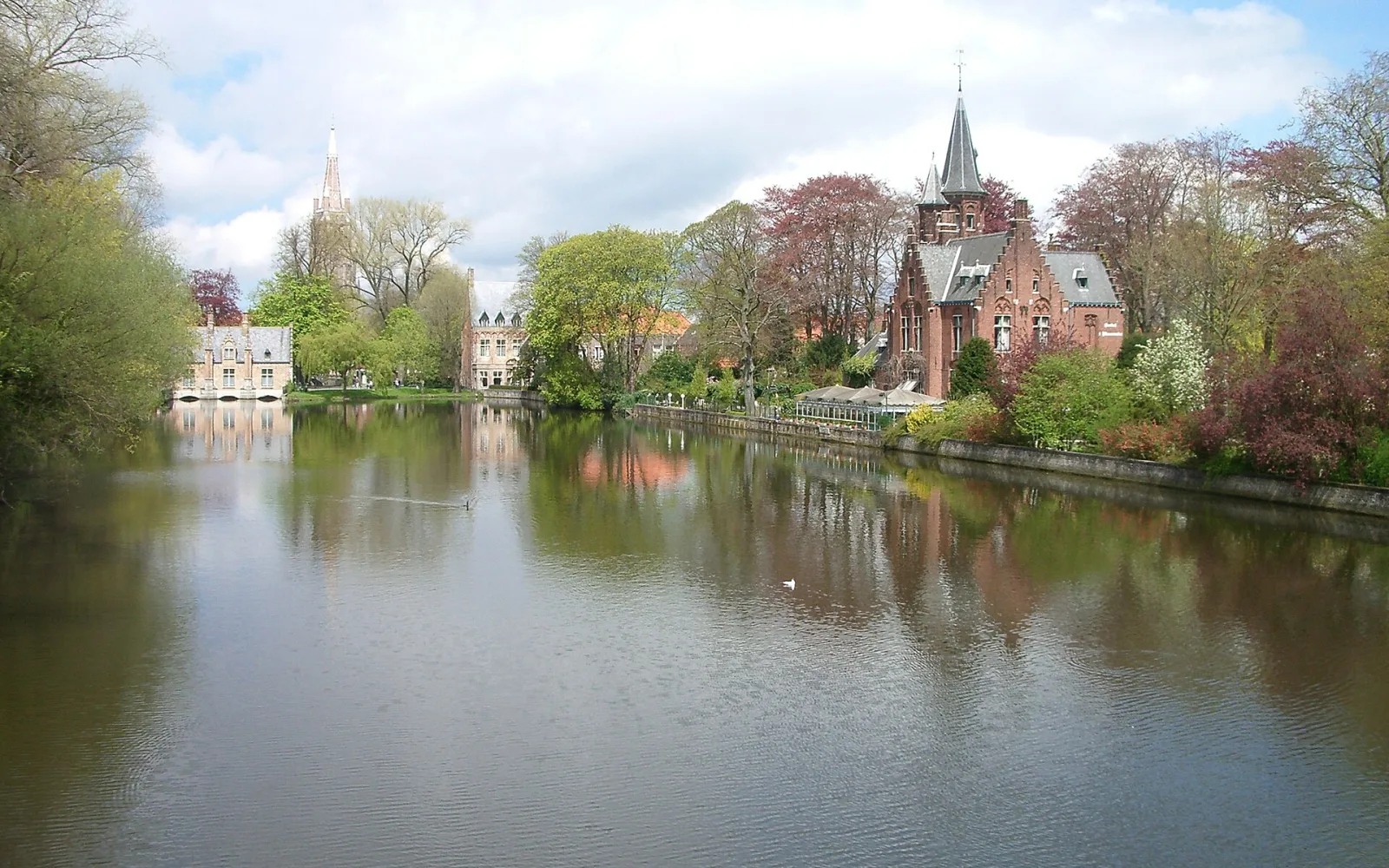
The Begijnhof, Minnewater and outer canals show a quieter city beyond the central postcard views.
Arrive before lunch, cover Burg and the central lanes, then revisit the waterways after day visitors leave.
Use the second morning for a major art museum and continue south toward the Begijnhof and Minnewater.
With a third day, cycle outside the ring or take a measured coast excursion rather than another packed museum list.
Getting there and moving around
Direct trains connect Bruges with Brussels and Ghent. The station sits south of the centre, with buses and a level walking route into town.
Most central plans work on foot. Buses help with luggage or outer accommodation, while cycling is useful beyond crowded pedestrian streets.
A car is not useful inside the historic core. Park-and-ride or accommodation parking matters only for a wider road trip.
Weather, bookings and practical limits
Weekdays in spring and autumn give the best balance. Summer is busy, winter can be atmospheric, and rain changes the value of canal and cycling plans.
Saturday nights and holiday periods fill central rooms. Belfry access, boat trips and small museums can develop queues even without reservations.
Central accommodation carries a premium. Staying just outside the busiest lanes can lower costs without giving up an evening walk.
The centre is flat but heavily cobbled. Belfry stairs are demanding, and older museums or boats have individual access constraints.
A rushed noon-to-four visit catches the largest crowds and misses the city’s strongest hours. Avoid assuming every canal-side street is equally quiet.
Continue planning
Questions about Bruges
How much time is useful in Bruges?
Allow one full day and an overnight at minimum; two full days remove the need to rush museums and canal-side walks.
Where should I base myself for Bruges?
Inside the ring is most atmospheric, the station side is practical for luggage, and quieter northern streets balance access with calmer evenings.
Is a car useful for Bruges?
A car is not useful inside the historic core. Park-and-ride or accommodation parking matters only for a wider road trip.
Daily planning ranges
Travel costs in Bruges
These planning ranges are per person, per day and assume two people sharing a room. They are not live quotes.
Standard daily breakdown
- Accommodation
- €90 to €165
- Food
- €35 to €58
- Local transport
- €7 to €16
- Activities
- €22 to €45
What the range assumes: Per person, per day, based on two people sharing a practical double or twin room. The standard range includes ordinary local transport, a mix of casual and mid-range meals, and one paid visitor activity.
Seasonal note: Weekend and summer room demand is the largest variable in the compact centre.
Not included: International and intercity travel, car hire, travel insurance, shopping, nightlife and exceptional event premiums are excluded.
Price basis 29 August 2026, reviewed 29 August 2026, next review due 28 February 2027.
Cost sources
- De Lijn fares and travel information, www.delijn.be
- Current travel cost research for bruges, Numbeo
Sources and updates
This guide was last reviewed on 3 September 2026. Transport, access and opening arrangements can change, so check the official source before travel.
- Official Flemish destination directory, VISITFLANDERS
- Belgian rail journey and service information, SNCB-NMBS
- Official Bruges visitor information, Visit Bruges