
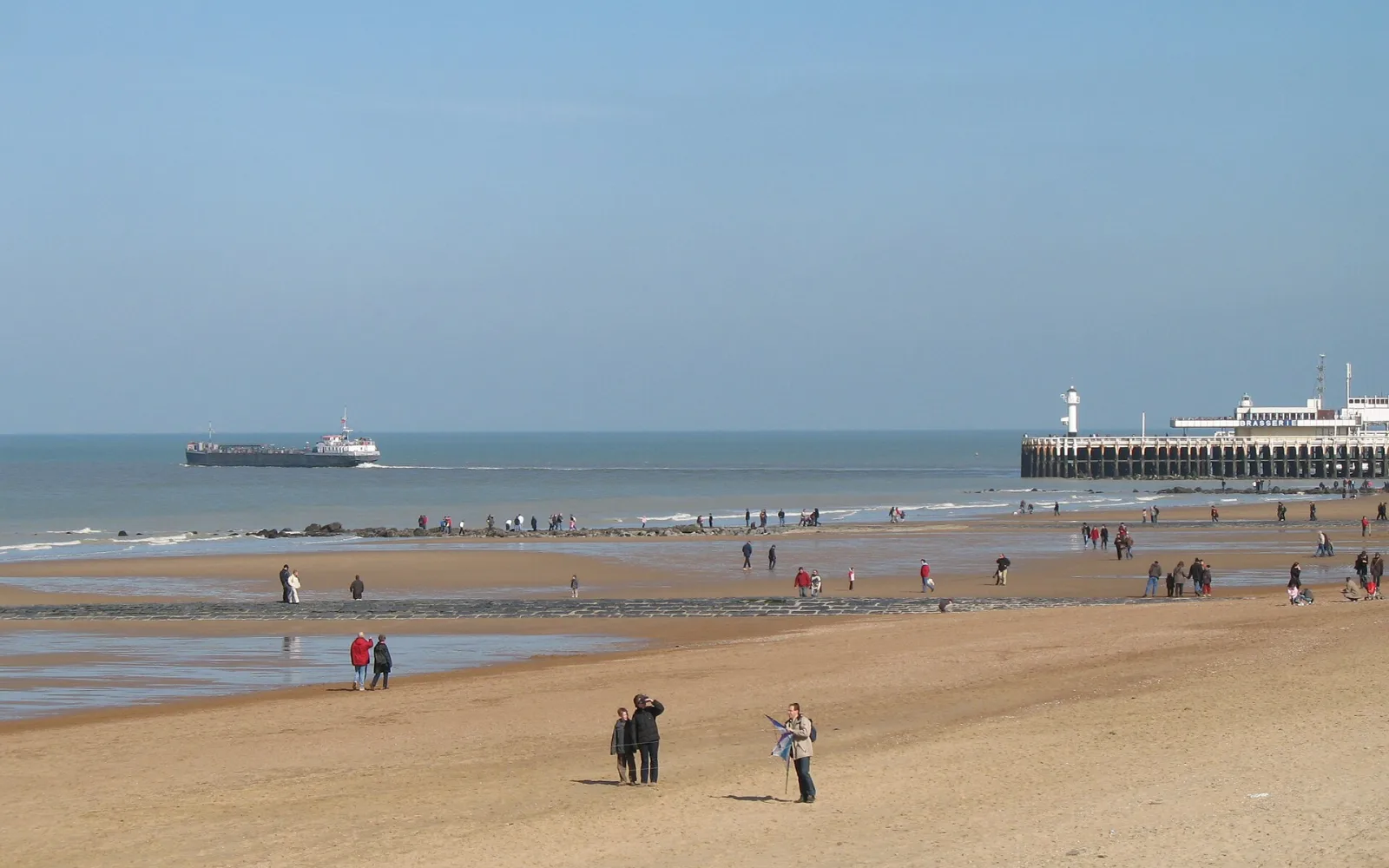
Ostend is a working seaside city rather than a single-purpose resort. The beach and promenade sit beside museums, harbour activity, seafood and direct rail links, making it the easiest coast base without a car.
Understand the shape of the visit
Ostend is a working seaside city rather than a single-purpose resort. The beach and promenade sit beside museums, harbour activity, seafood and direct rail links, making it the easiest coast base without a car.
One night works as an extension from Bruges, while two or three nights allow weather flexibility and a tram journey to another coastal stop.
Choose a workable base and pace
Ostend suits travellers wanting a beach with city services, art and easy rail access. People seeking dunes or a small resort atmosphere should compare other coastal bases.
Allow one full day for the city, two nights for weather flexibility, or three days when exploring the wider coast.
The station-harbour side is practical, the central promenade prioritises sea views, and quieter streets behind the seafront may offer better sleep.
Combine the harbour, central streets and a museum before walking the promenade; treat a long beach block as weather-dependent rather than guaranteed.
Build the days around clear priorities
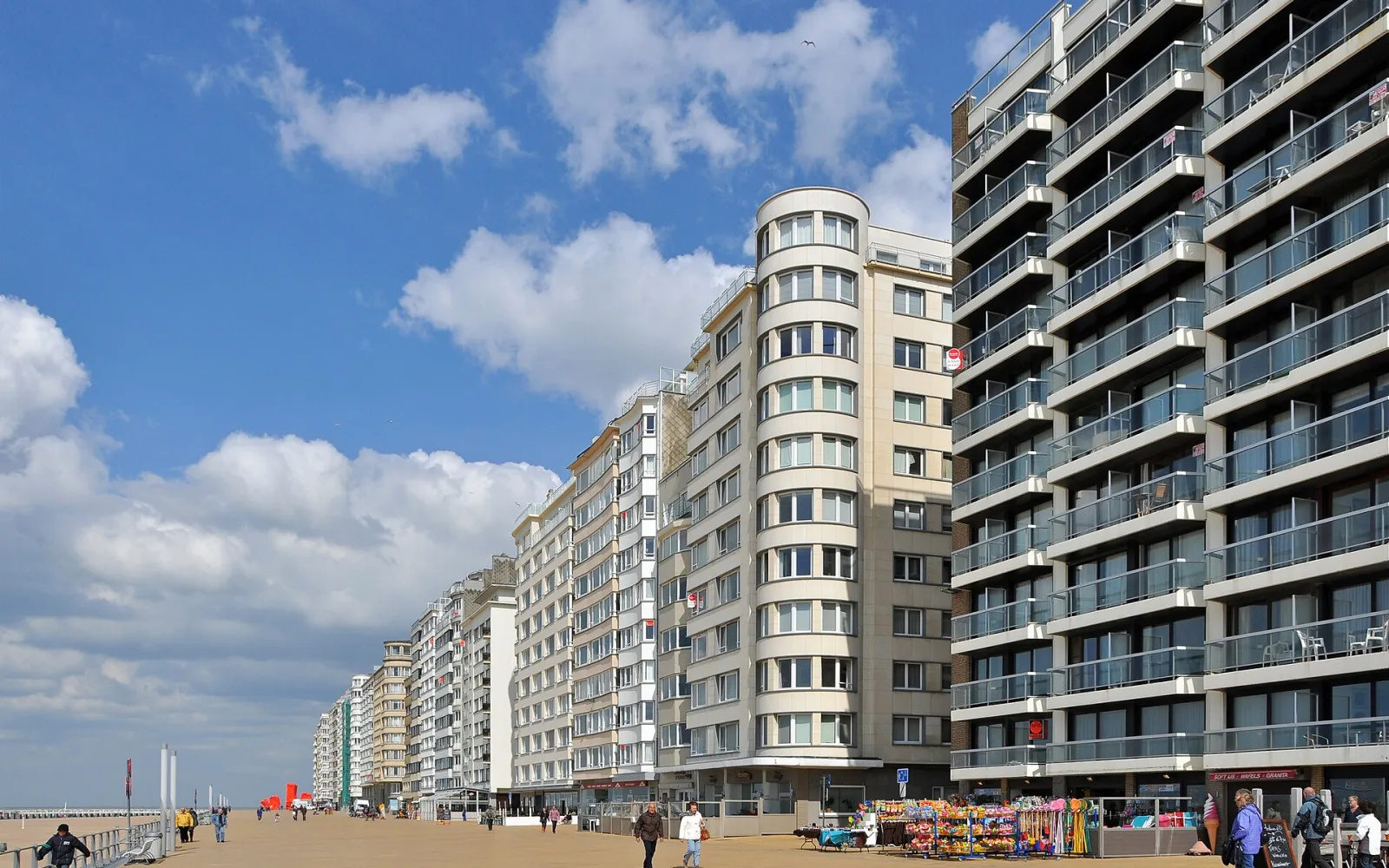
The broad beach and promenade define the city but change character with wind and season.
Mu.ZEE and local art connections support a poor-weather day.
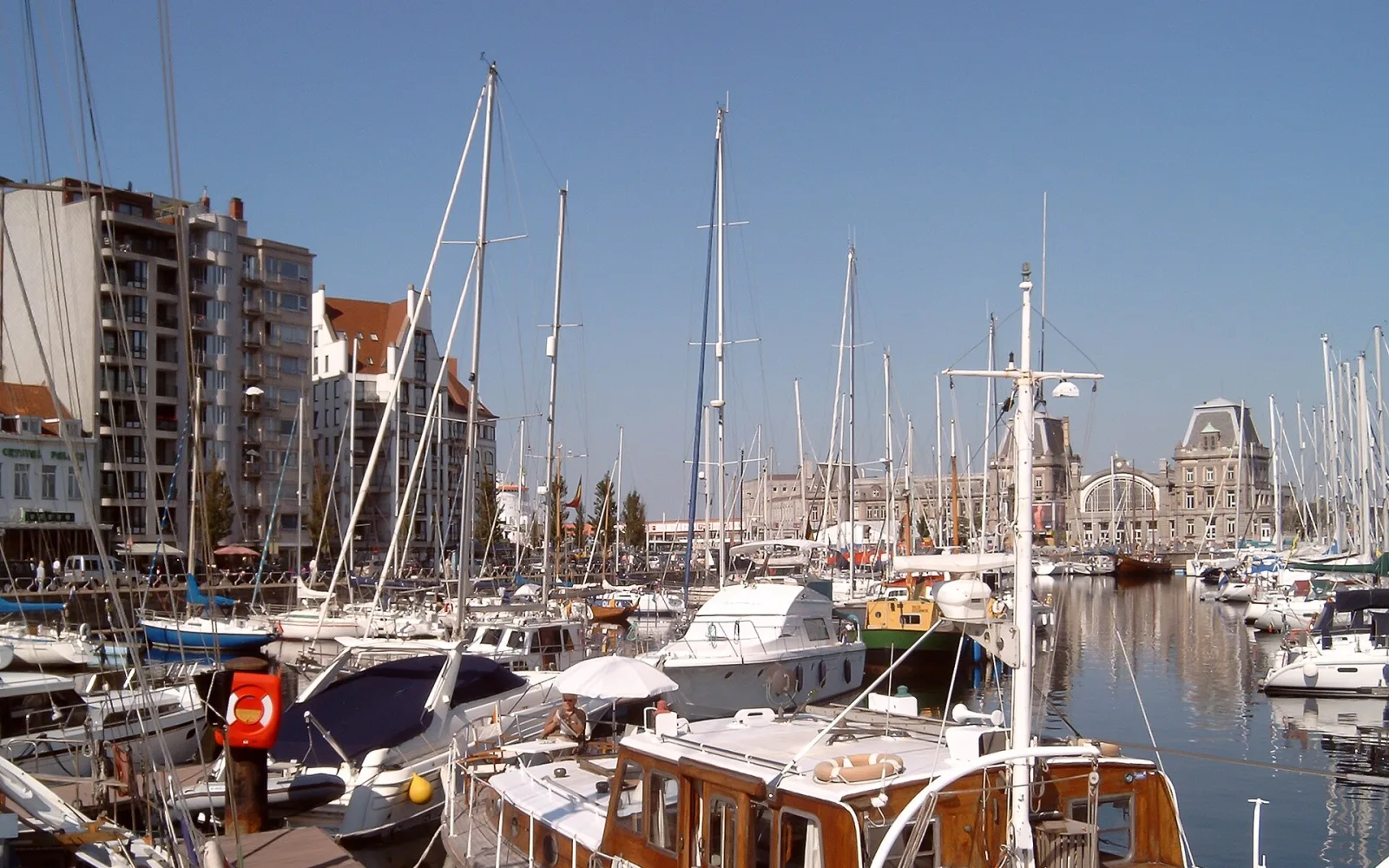
The harbour and sailing heritage distinguish Ostend from smaller resort stops.
Arrive by rail, walk the harbour and centre, then use the best weather window for the beach.
Give day two to art, seafood and a longer promenade or dune-side walk.
Use a third day for the coastal tram, choosing one stop rather than riding without a plan.
Getting there and moving around
Direct trains reach Ostend from Bruges, Ghent and Brussels. The station is close to the harbour and central area.
Walking covers the city core, while the coastal tram links resorts along the shoreline. Check works and seasonal frequency.
A car is unnecessary for Ostend and many coast trips. It is useful only for inland villages or accommodation away from rail and tram.
Weather, bookings and practical limits
Summer offers the strongest beach conditions and highest demand. Spring and autumn suit walks, while winter is windy and more city-focused.
Warm weekends and holidays fill sea-view rooms quickly. Restaurants and cultural events can create local pressure outside peak beach season.
Promenade accommodation carries a premium, especially with sea views. Rail and tram keep transport costs lower than a car-based coast stay.
The promenade is broad and level, but sand, sea defences and windy conditions affect beach access. Modern public areas are generally easier than dunes.
Do not assume a sunny inland forecast means calm beach weather, or use Ostend details to describe every coastal town.
Continue planning
Questions about Ostend
How much time is useful in Ostend?
Allow one full day for the city, two nights for weather flexibility, or three days when exploring the wider coast.
Where should I base myself for Ostend?
The station-harbour side is practical, the central promenade prioritises sea views, and quieter streets behind the seafront may offer better sleep.
Is a car useful for Ostend?
A car is unnecessary for Ostend and many coast trips. It is useful only for inland villages or accommodation away from rail and tram.
Sources and updates
This guide was last reviewed on 3 September 2026. Transport, access and opening arrangements can change, so check the official source before travel.
- Belgian rail journey and service information, SNCB-NMBS
- Official Ostend visitor information, Visit Ostend
- Official Belgian Coast visitor information, Westtoer