
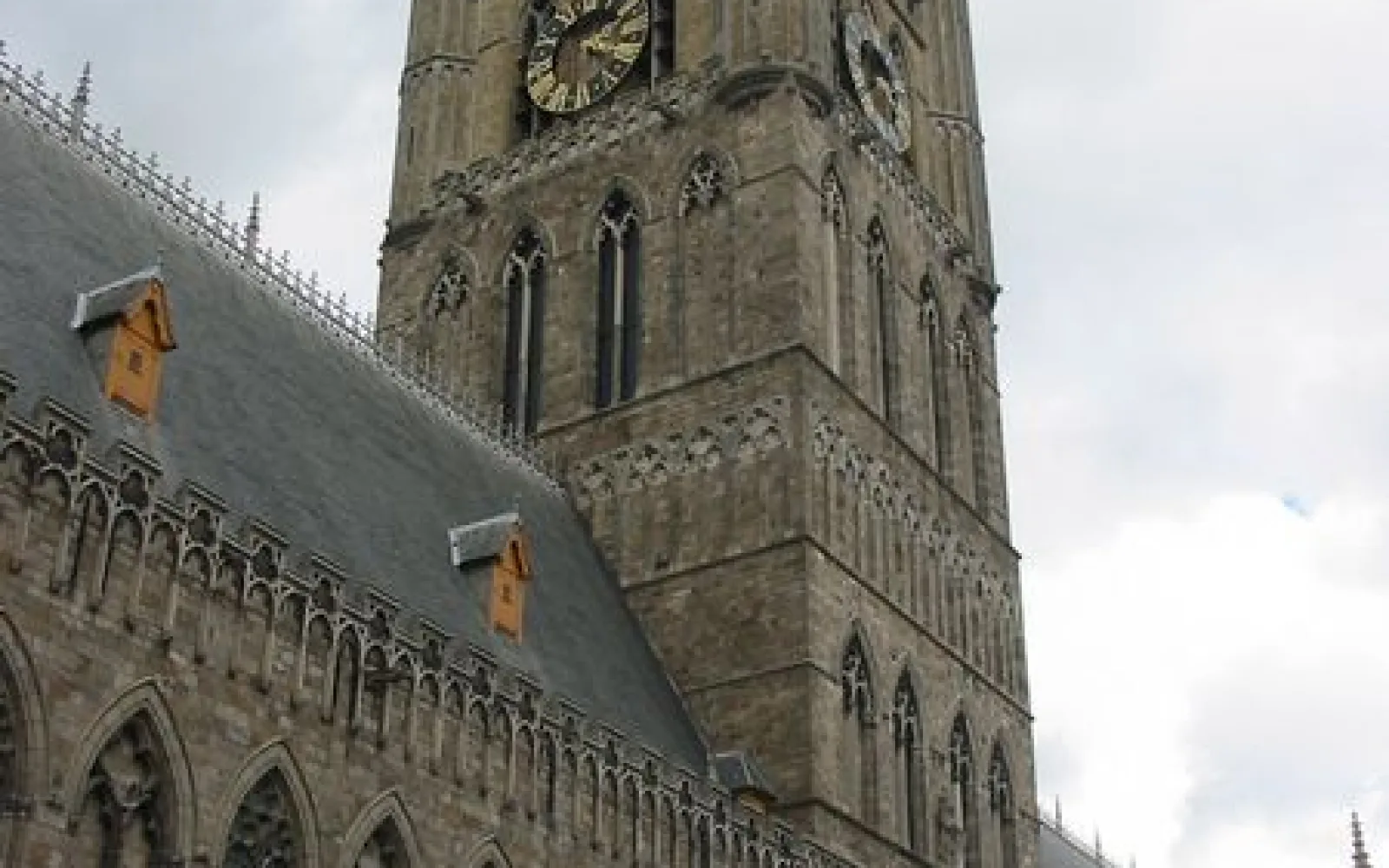
Ypres was extensively rebuilt after the First World War, and the apparent medieval centre sits within a landscape of cemeteries, memorials and former front lines. Context matters more here than collecting landmarks.
Understand the shape of the visit
Ypres was extensively rebuilt after the First World War, and the apparent medieval centre sits within a landscape of cemeteries, memorials and former front lines. Context matters more here than collecting landmarks.
A full day covers the city museum and Menin Gate. Two days allow selected outlying sites without turning remembrance places into a rushed coach checklist.
Choose a workable base and pace
Ypres suits travellers with a serious interest in First World War history, family research or reconstructed civic architecture. The visit can be emotionally demanding.
Allow one full day in town and a second for carefully selected sites outside the centre.
Central Ypres is the practical base for the museum, evening ceremony and arranged tours. Rural accommodation works better with a car.
Give the In Flanders Fields Museum a substantial block, walk the ramparts and centre, then attend the Menin Gate ceremony without squeezing another distant site beforehand.
Build the days around clear priorities
The Cloth Hall museum provides essential historical context.
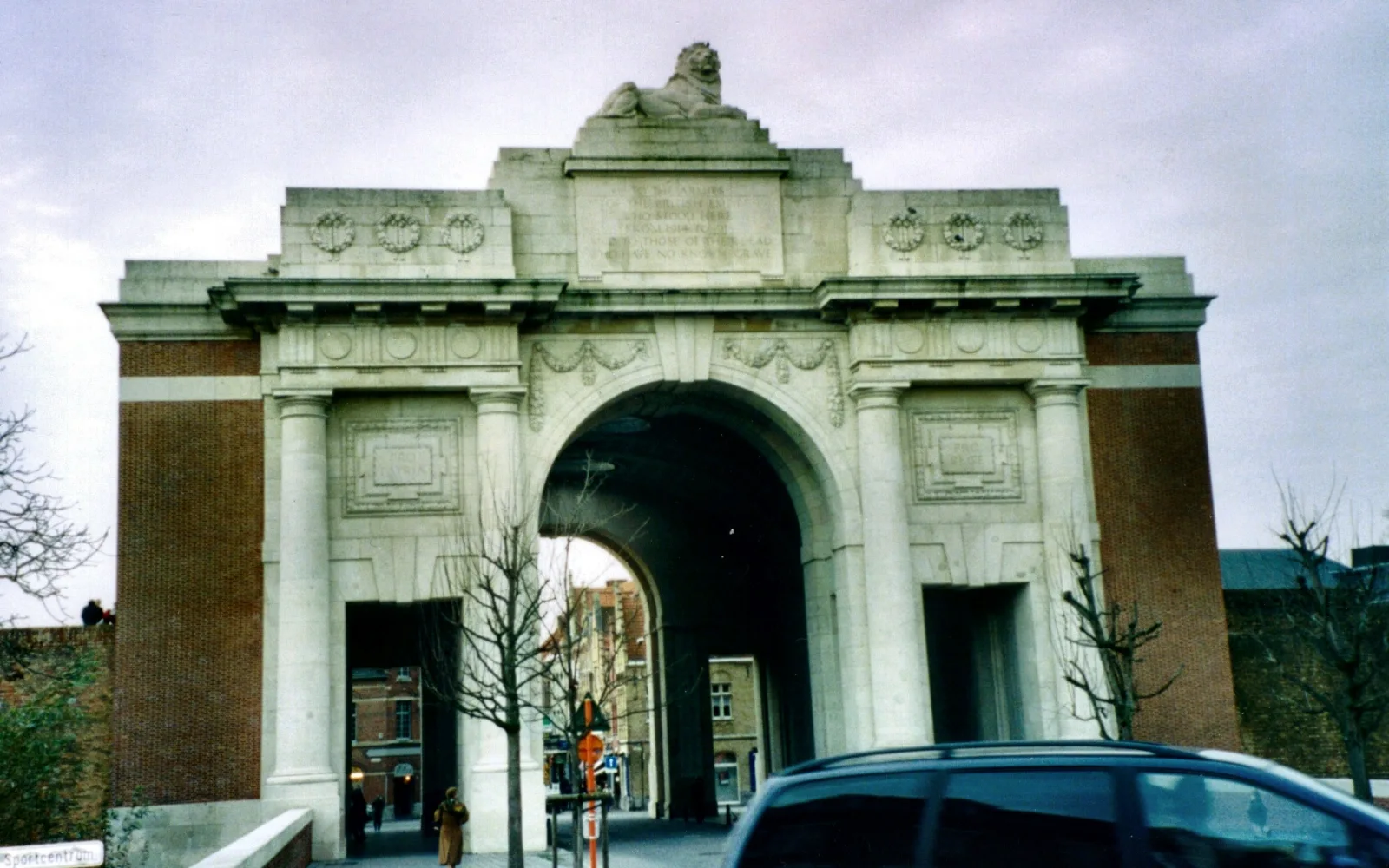
The Menin Gate ceremony needs respectful arrival time and awareness of current arrangements.
Outlying cemeteries and memorials should be selected for relevance, not quantity.
Start with the central museum and allow time to read rather than race through displays.
Walk the ramparts and city memorials before an unhurried evening at Menin Gate.
Use day two for a guided route or family-specific sites across the former front.
Getting there and moving around
Rail journeys usually require a connection, and total travel time is longer than the map suggests. Check the final train after evening plans.
The city centre is walkable, but former battlefield sites are dispersed. Tours, bicycles or a car each suit different research depth.
A car is useful for specific rural memorials, though a guided tour can remove navigation and parking burdens while adding context.
Weather, bookings and practical limits
Spring and autumn suit outdoor sites, summer can be busy, and winter weather makes exposed cemeteries colder and darker.
Major anniversaries and remembrance dates create exceptional demand. Museums and tours should be checked well ahead for those periods.
The city walk is inexpensive, while a quality guided battlefield day adds a justified cost. Central rooms may rise around ceremonies.
Central museums publish access details, while grass, gravel and uneven cemetery paths vary. Some rural stops have limited shelter or facilities.
Do not plan the Menin Gate without checking the current ceremony arrangements, or visit many cemeteries without understanding why each was chosen.
Continue planning
Questions about Ypres
How much time is useful in Ypres?
Allow one full day in town and a second for carefully selected sites outside the centre.
Where should I base myself for Ypres?
Central Ypres is the practical base for the museum, evening ceremony and arranged tours. Rural accommodation works better with a car.
Is a car useful for Ypres?
A car is useful for specific rural memorials, though a guided tour can remove navigation and parking burdens while adding context.
Sources and updates
This guide was last reviewed on 3 September 2026. Transport, access and opening arrangements can change, so check the official source before travel.
- Official Flanders visitor information, VISITFLANDERS
- Belgian rail journey and service information, SNCB-NMBS
- Official Ypres visitor information, Tourism Ypres