
Start with the essentials
Plan Wallonia at a glance
- Useful time
- Allow three days for Liège and Namur, five days when adding Dinant, or a week with a separate Ardennes or High Fens base.
- Best base
- Namur is central for the Meuse and Sambre, Liège works for the east, and rural nights are valuable when a walk starts far from a station.
- Local transport
- TEC buses fill regional gaps but can be infrequent outside urban areas. Build walks around the scheduled return rather than an assumed service.
- Car use
- Rail is enough for the principal cities. A car becomes useful for remote Ardennes accommodation, trailheads and routes that cross between valleys.
About Wallonia
Why explore Wallonia
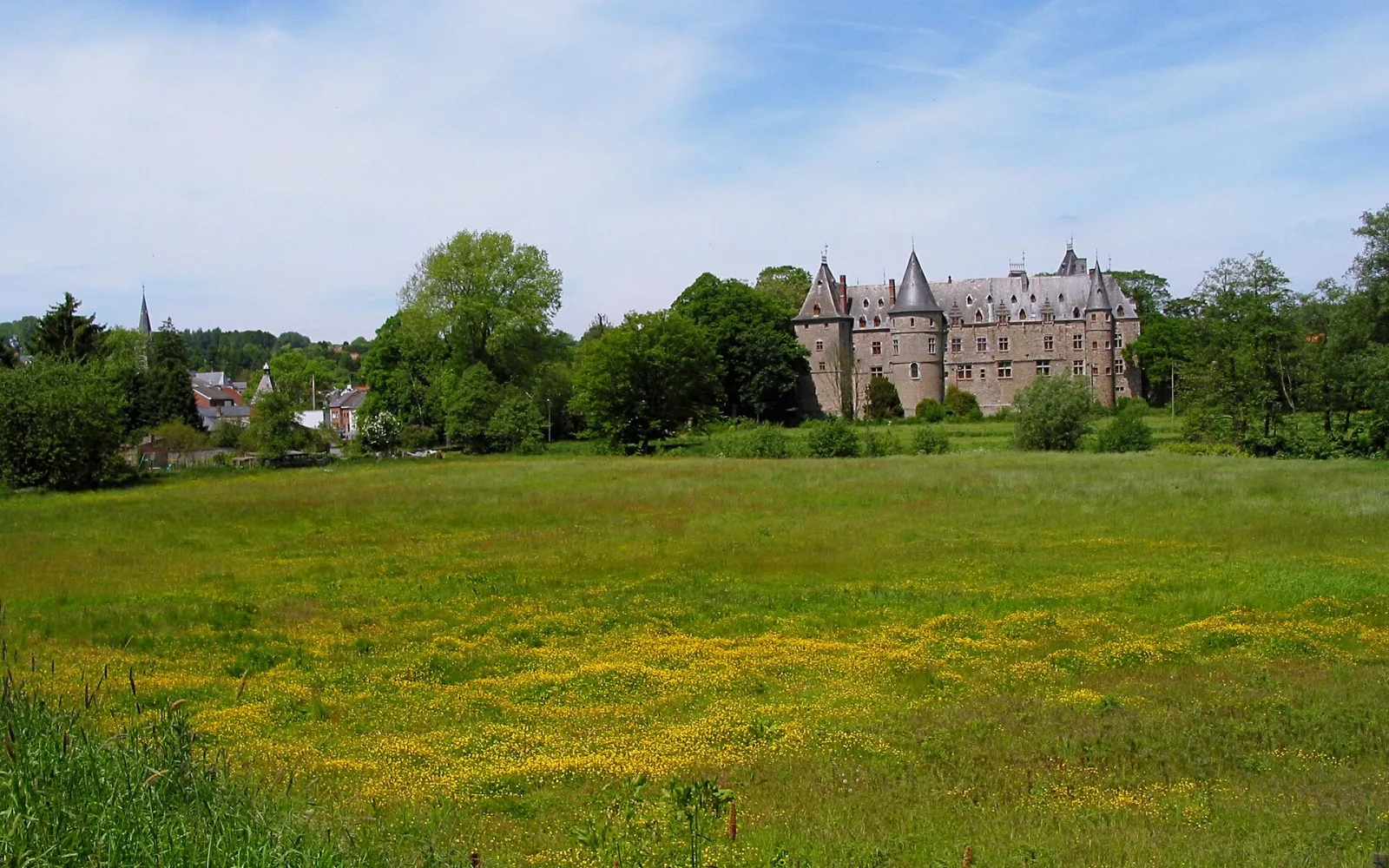
Wallonia stretches from accessible rail cities to landscapes where the last bus matters more than the distance. Liège and Namur are workable bases, Dinant is a compact Meuse stop, and the Ardennes or High Fens need a more deliberate outdoor plan.
A useful route follows the rail corridor before adding one nature area. Trying to cover Dinant, a deep Ardennes village and the High Fens in one day ignores the region’s slower local connections.
Plan the region
Wallonia stretches from accessible rail cities to landscapes where the last bus matters more than the distance. Liège and Namur are workable bases, Dinant is a compact Meuse stop, and the Ardennes or High Fens need a more deliberate outdoor plan.
Choose where to spend your time
Places to explore
9 guides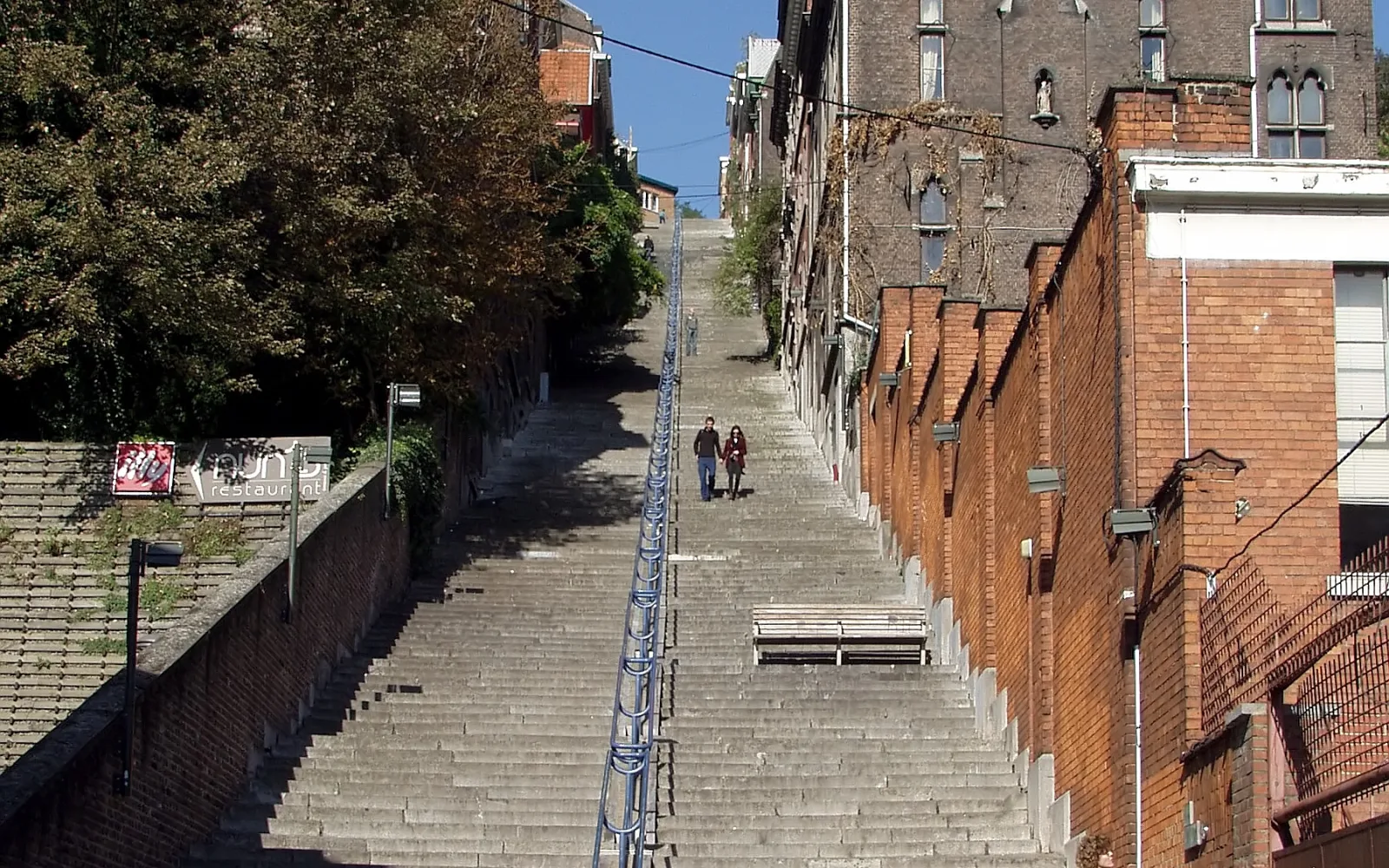
Liège
Plan Liège for riverfront architecture, layered industrial history, steep urban viewpoints and an energetic Walloon food scene.
Open guide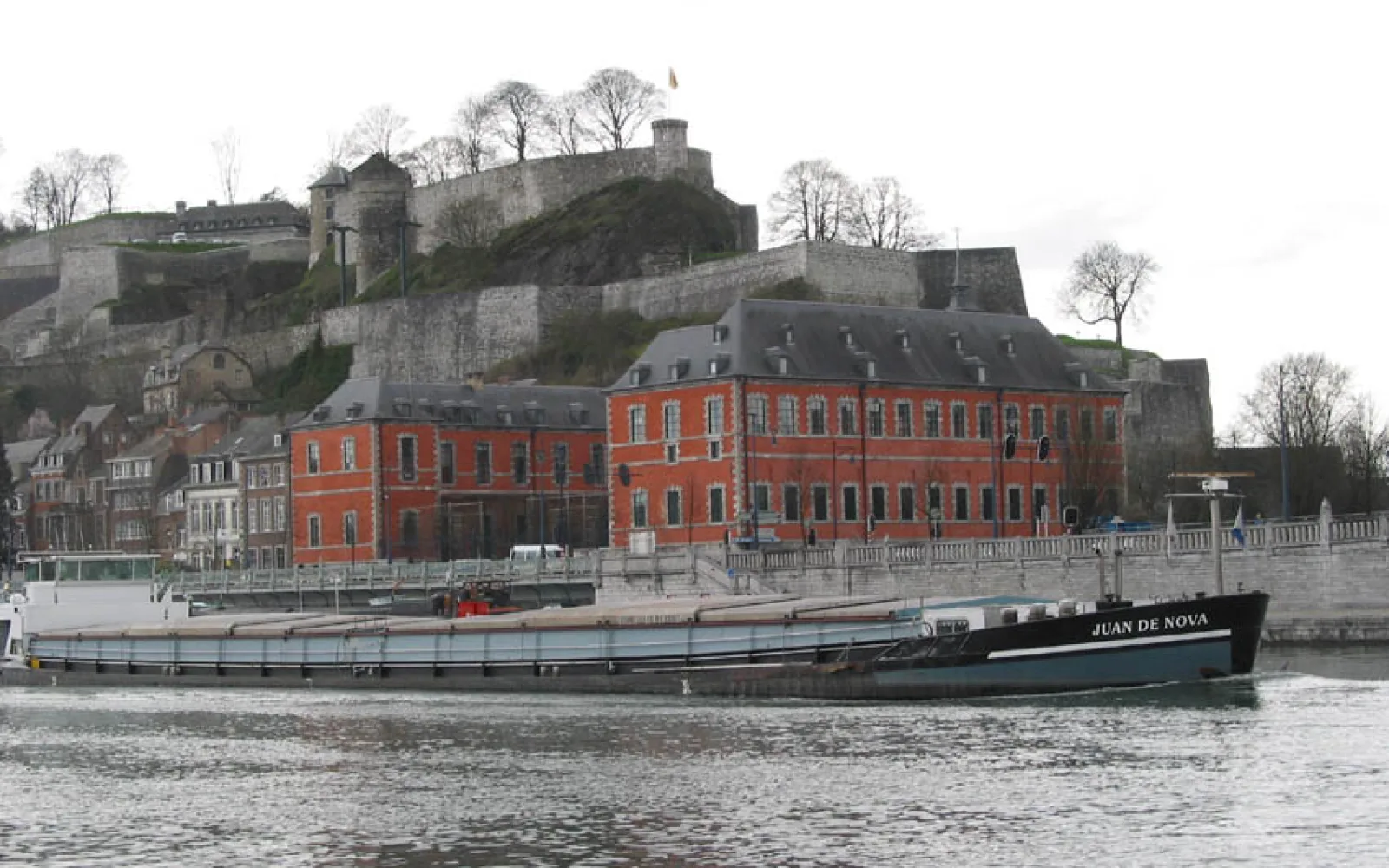
Namur
Use Namur as a compact Walloon base at the Sambre-Meuse confluence, with a major citadel and useful rail links.
Open guide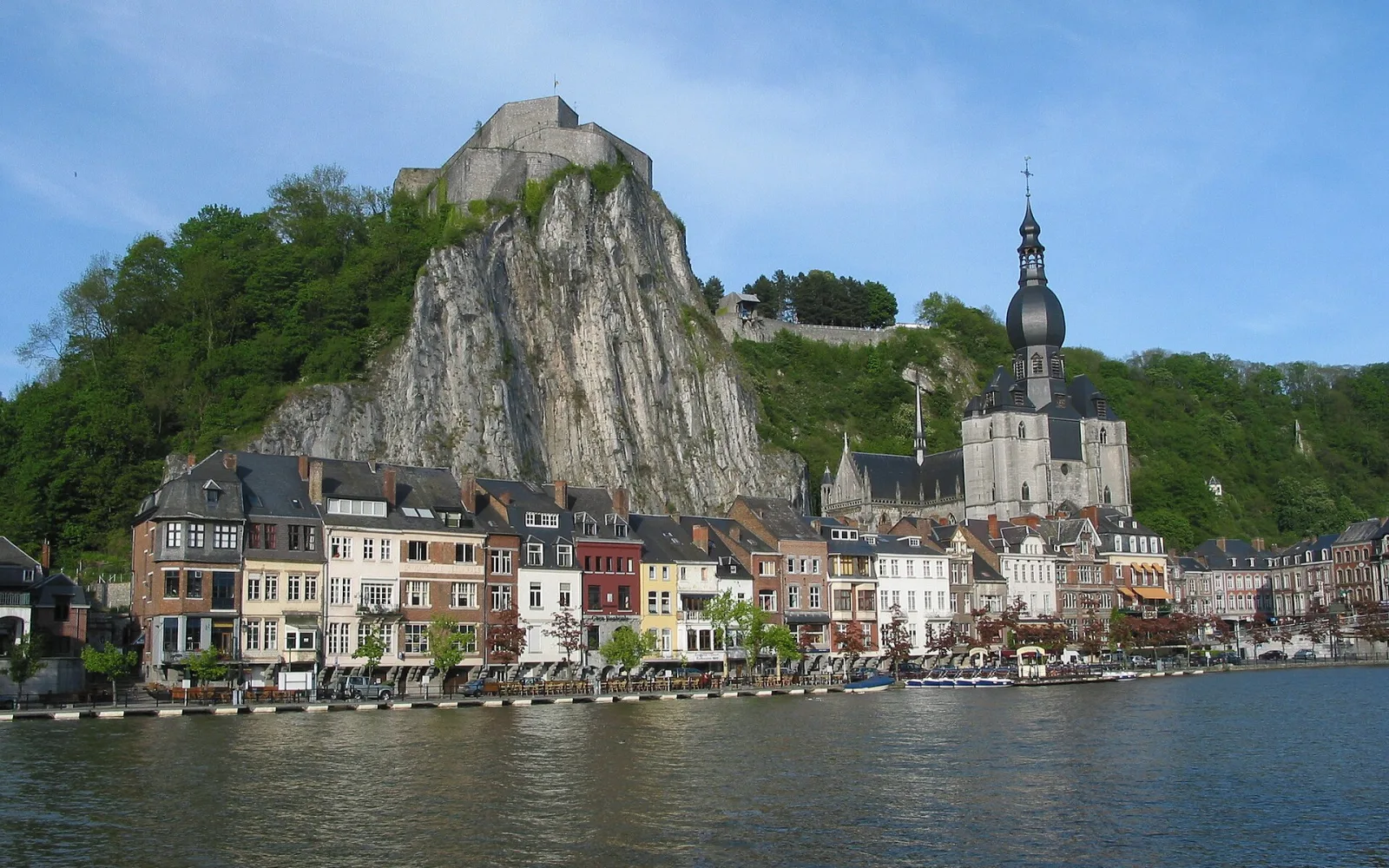
Dinant
Plan Dinant as a compact Meuse river town with a cliff-top citadel, striking church and slower valley excursions.
Open guide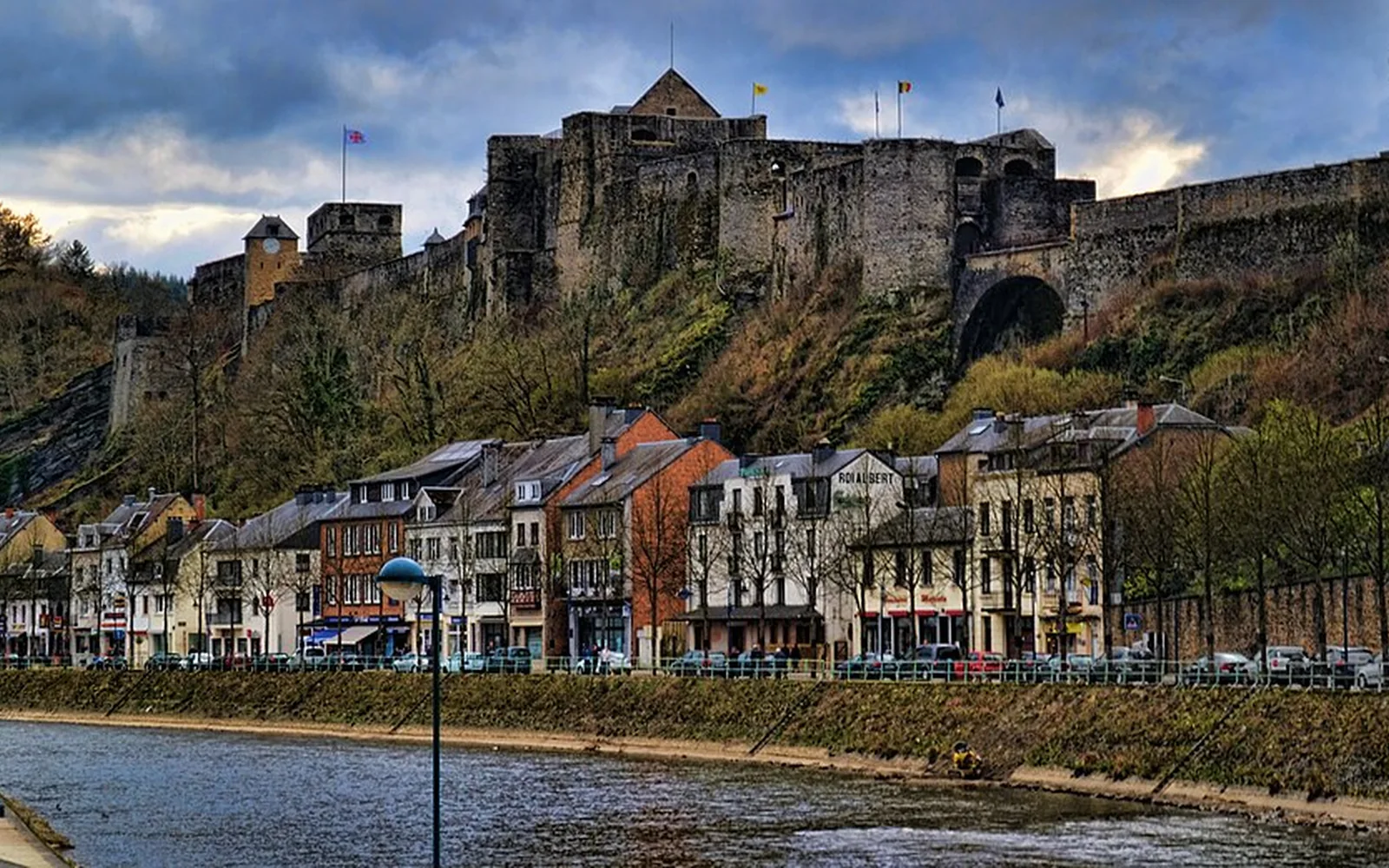
Belgian Ardennes
Choose a Belgian Ardennes base for forest walks, river valleys, castles and slower travel between dispersed towns and trailheads.
Open guideBouillon
Bouillon sits in a tight bend of the Semois below a large medieval castle, making it one of the clearest heritage bases in the Belgian Ardennes.
Open guide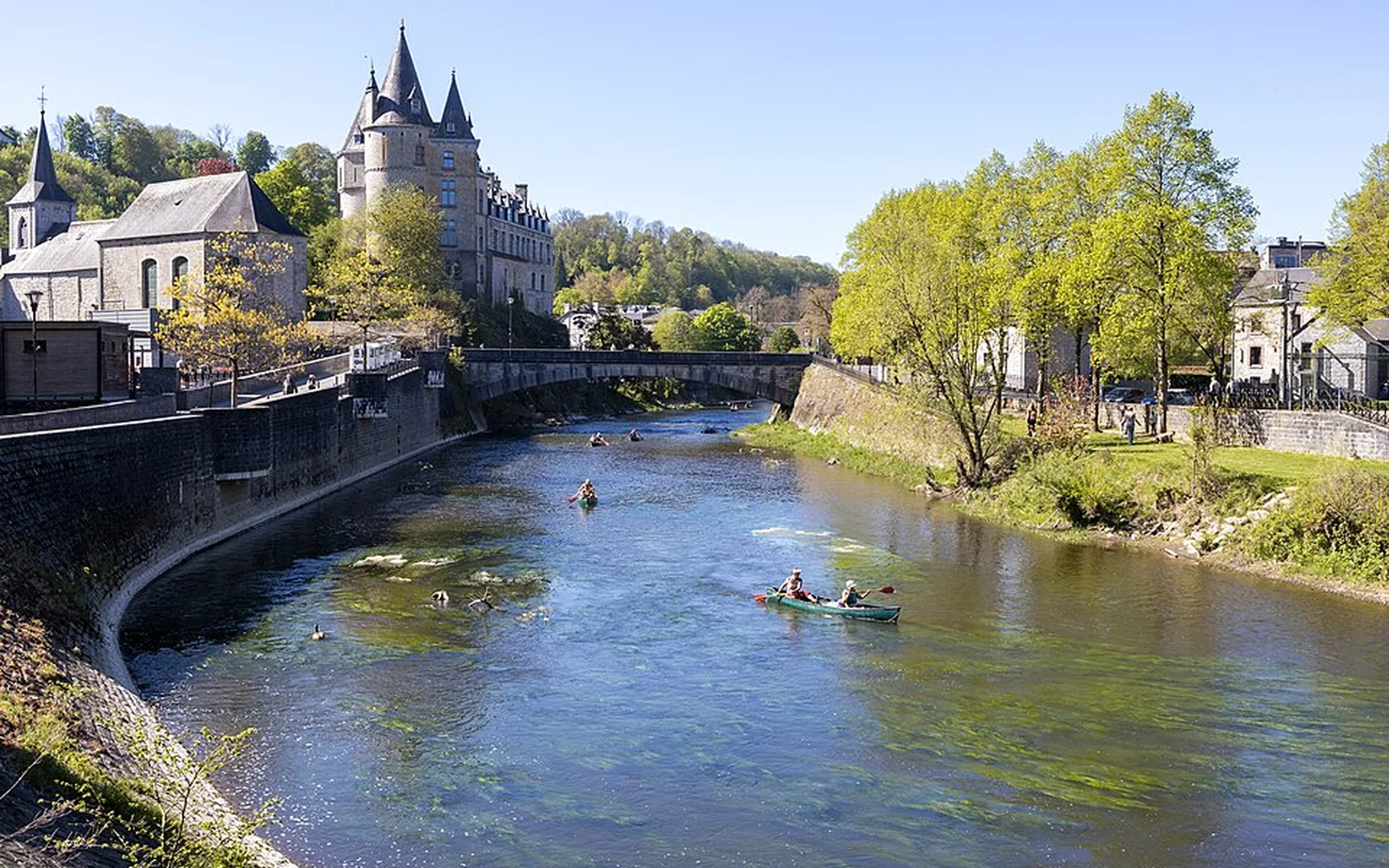
Durbuy
Durbuy is a small stone town on the Ourthe whose appeal depends on quiet streets, river landscapes and the wider Ardennes setting.
Open guide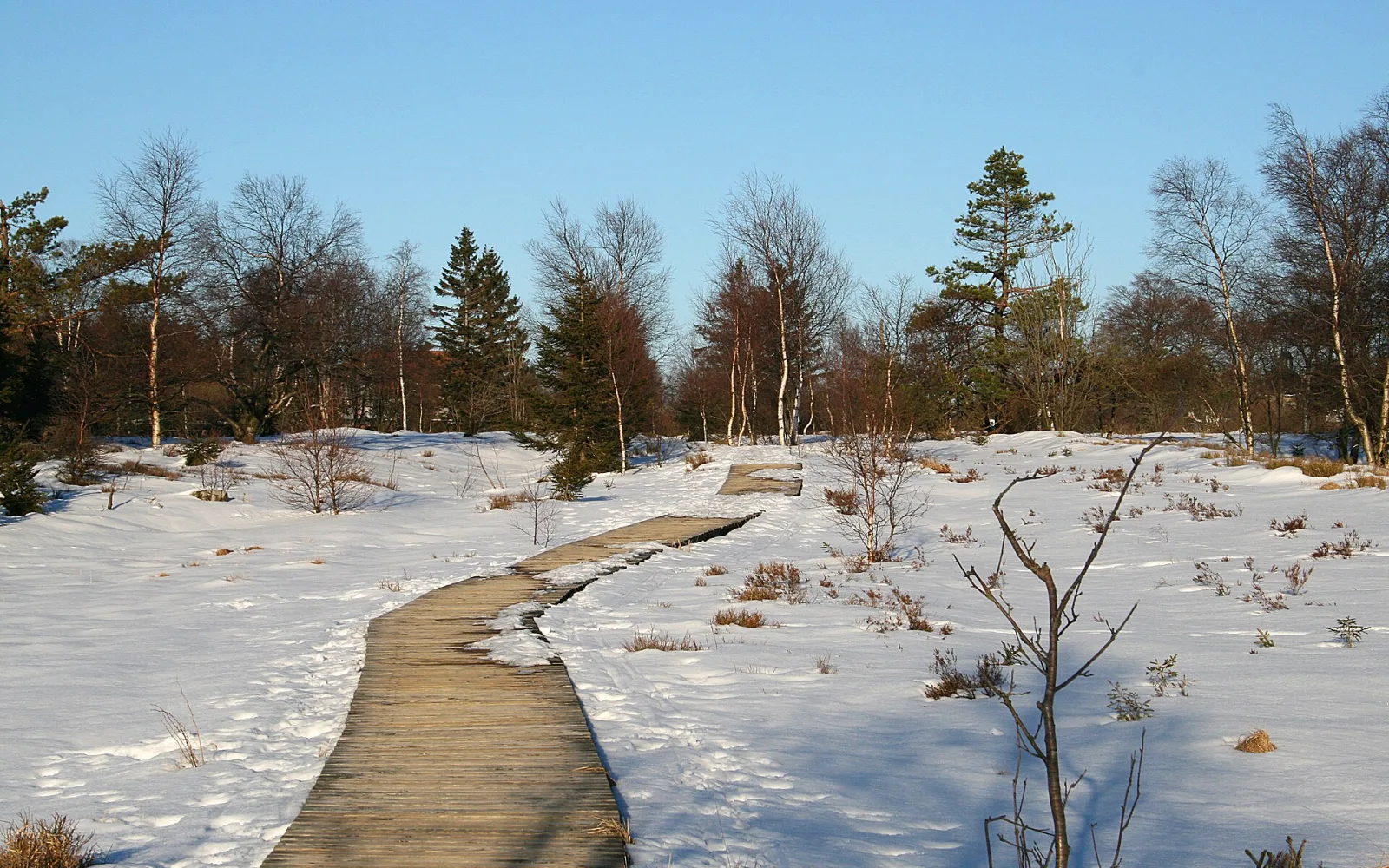
High Fens
Plan a High Fens visit around protected moorland, boardwalk routes, rapidly changing weather and limited trailhead transport.
Open guide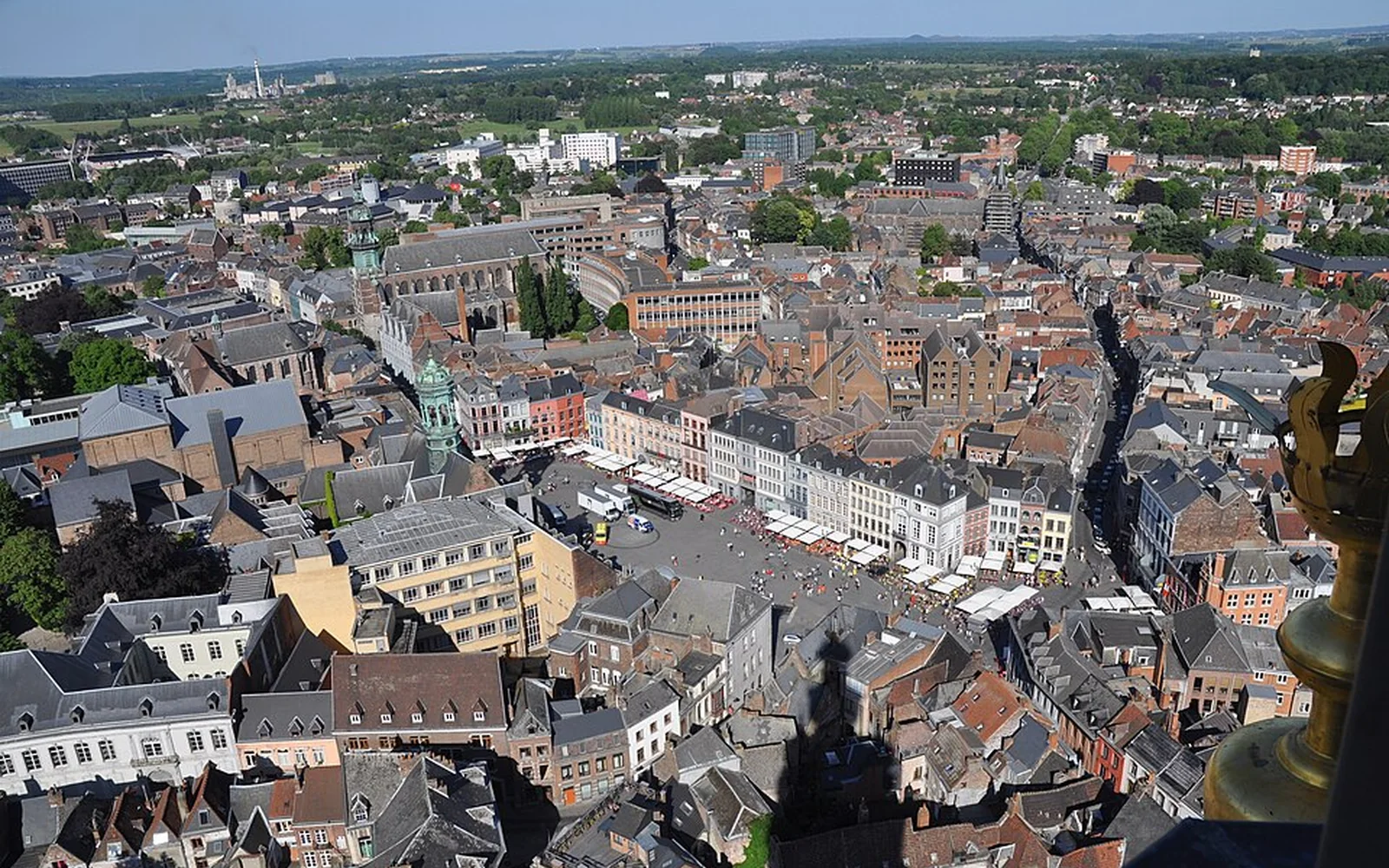
Mons
Mons brings a walkable historic centre, a UNESCO-listed belfry and strong cultural museums to western Wallonia.
Open guide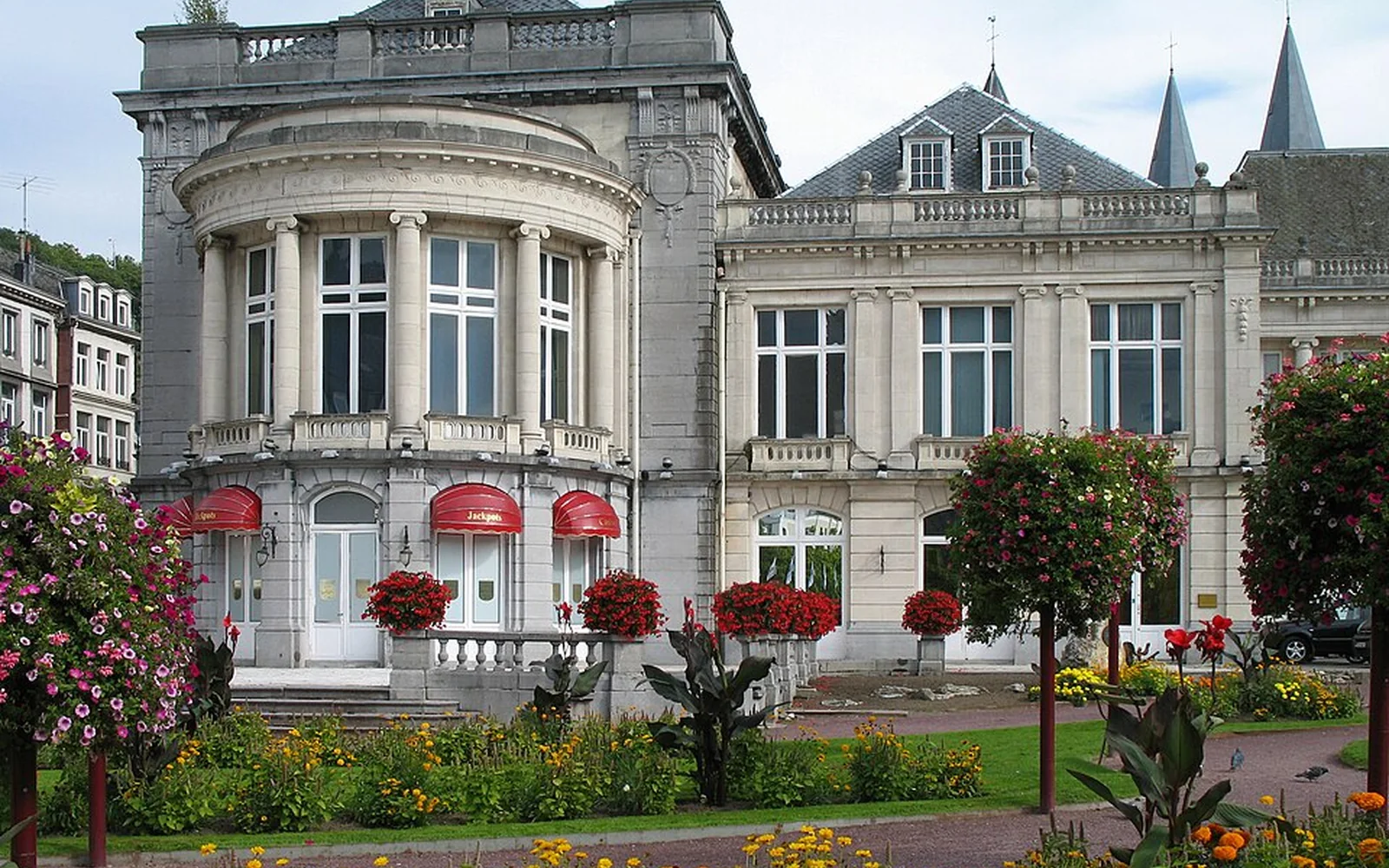
Spa
Spa combines thermal heritage, wooded hills and a compact town centre whose name became a word used around the world.
Open guideBuild a coherent route
Plan by area
Liège
Plan Liège for riverfront architecture, layered industrial history, steep urban viewpoints and an energetic Walloon food scene.
Namur
Use Namur as a compact Walloon base at the Sambre-Meuse confluence, with a major citadel and useful rail links.
Dinant
Plan Dinant as a compact Meuse river town with a cliff-top citadel, striking church and slower valley excursions.
Belgian Ardennes
Choose a Belgian Ardennes base for forest walks, river valleys, castles and slower travel between dispersed towns and trailheads.
High Fens
Plan a High Fens visit around protected moorland, boardwalk routes, rapidly changing weather and limited trailhead transport.
Mons
Mons brings a walkable historic centre, a UNESCO-listed belfry and strong cultural museums to western Wallonia.
Spa
Spa combines thermal heritage, wooded hills and a compact town centre whose name became a word used around the world.
See the main travel bases
See the main places in Wallonia
Loading the map…
Use the map to compare the main bases before planning local transport.
Match the route to your time
What fits into your trip
A practical first visit
Wallonia stretches from accessible rail cities to landscapes where the last bus matters more than the distance. Liège and Namur are workable bases, Dinant is a compact Meuse stop, and the Ardennes or High Fens need a more deliberate outdoor plan.
Link the stops sensibly
Routes and day trips
Wallonia suits travellers interested in river scenery, fortifications, industrial history, walking and quieter towns. It rewards people willing to check local transport rather than assume city-level frequency.
Suggested regional routes
Liège
Liège is an energetic, imperfect city where a striking modern station, old churches, markets and industrial history share the Meuse valley. It rewards travellers who prefer lived-in places to polished heritage sets.
Open destination guideNamur
Namur occupies a strategic meeting of two rivers, with a huge citadel above a compact centre. It is calmer than Liège and particularly useful for travellers building a rail-led Meuse valley route.
Open destination guideDinant
Dinant occupies a narrow strip between the Meuse and a limestone cliff, creating one of Belgium’s clearest town panoramas. The citadel, church and riverfront fit a day, but transport limits shape anything beyond town.
Open destination guideBelgian Ardennes
The Belgian Ardennes is a broad, wooded upland of river bends, castles, small towns and outdoor routes. It is not one compact destination, and the best base depends on the planned valley or activity.
Open destination guideChoose transport by destination
Getting around Wallonia
Brussels connects by rail to Namur and Liège, with onward trains serving Dinant and other corridor towns.
Best base
Namur is central for the Meuse and Sambre, Liège works for the east, and rural nights are valuable when a walk starts far from a station.
Local transport
TEC buses fill regional gaps but can be infrequent outside urban areas. Build walks around the scheduled return rather than an assumed service.
Car use
Rail is enough for the principal cities. A car becomes useful for remote Ardennes accommodation, trailheads and routes that cross between valleys.
Choose dates that suit the route
When to visit
May, June and September suit mixed city and walking trips. Autumn brings forest colour, while winter can mean mud, snow or ice on higher ground.
City rooms are usually manageable outside events, but rural weekends and limited accommodation near popular walks can fill early.
Read the seasonal guide for BelgiumAvoid common route problems
Planning checks
How much time is useful in Wallonia?
Allow three days for Liège and Namur, five days when adding Dinant, or a week with a separate Ardennes or High Fens base.
Where should I base myself for Wallonia?
Namur is central for the Meuse and Sambre, Liège works for the east, and rural nights are valuable when a walk starts far from a station.
Is a car useful for Wallonia?
Rail is enough for the principal cities. A car becomes useful for remote Ardennes accommodation, trailheads and routes that cross between valleys.
Quick answers
Questions about Wallonia
How much time is useful in Wallonia?
Allow three days for Liège and Namur, five days when adding Dinant, or a week with a separate Ardennes or High Fens base.
Where should I base myself for Wallonia?
Namur is central for the Meuse and Sambre, Liège works for the east, and rural nights are valuable when a walk starts far from a station.
Is a car useful for Wallonia?
Rail is enough for the principal cities. A car becomes useful for remote Ardennes accommodation, trailheads and routes that cross between valleys.
How this guide is checked
Sources and review
Reviewed 3 September 2026, next review due 3 March 2027. Services, access rules and opening arrangements can change, so check the official source before travel.
- Official Wallonia visitor information, Wallonia Belgium Tourism
- Belgian rail journey and service information, SNCB-NMBS
- Belgian Ardennes visitor information, Wallonia Belgium Tourism
Continue planning
See more of Belgium
Use the country guide to compare Wallonia with other regions and destinations in Belgium.