
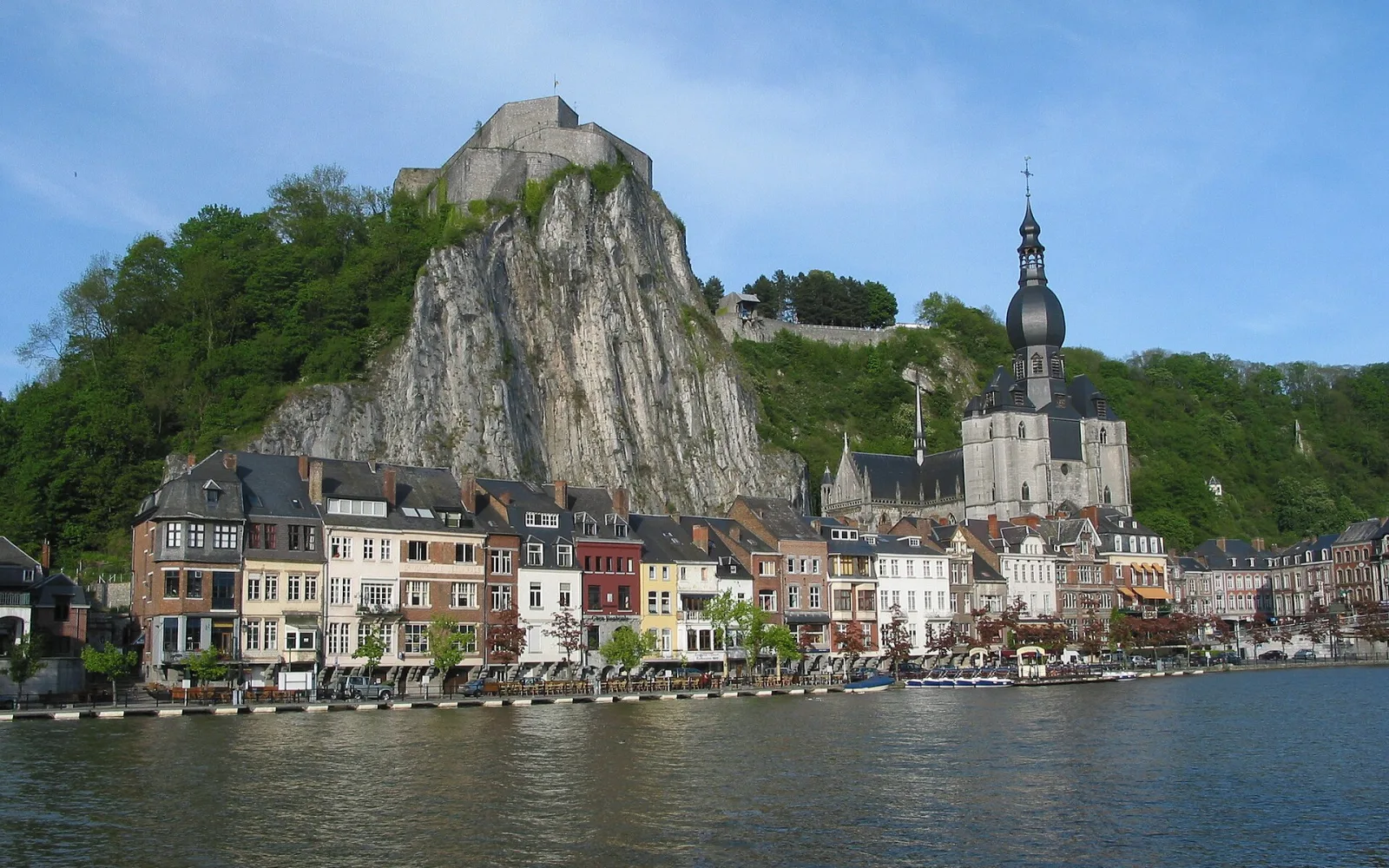
Dinant occupies a narrow strip between the Meuse and a limestone cliff, creating one of Belgium’s clearest town panoramas. The citadel, church and riverfront fit a day, but transport limits shape anything beyond town.
Understand the shape of the visit
Dinant occupies a narrow strip between the Meuse and a limestone cliff, creating one of Belgium’s clearest town panoramas. The citadel, church and riverfront fit a day, but transport limits shape anything beyond town.
A day trip from Namur works well. One overnight adds quieter river hours and gives space for a seasonal boat or nearby activity without watching the return train all afternoon.
Choose a workable base and pace
Dinant suits photographers, families, river scenery travellers and people interested in fortifications. It is small enough that a long stay needs outdoor or regional plans.
Allow six to eight hours for the centre and citadel, or one night for a slower valley visit.
Central riverfront accommodation is easiest without a car, while rural stays need confirmed transport or driving.
Walk the riverfront and church first, then visit the citadel by the access method that suits the group, keeping any boat trip in a separate seasonal block.
Build the days around clear priorities
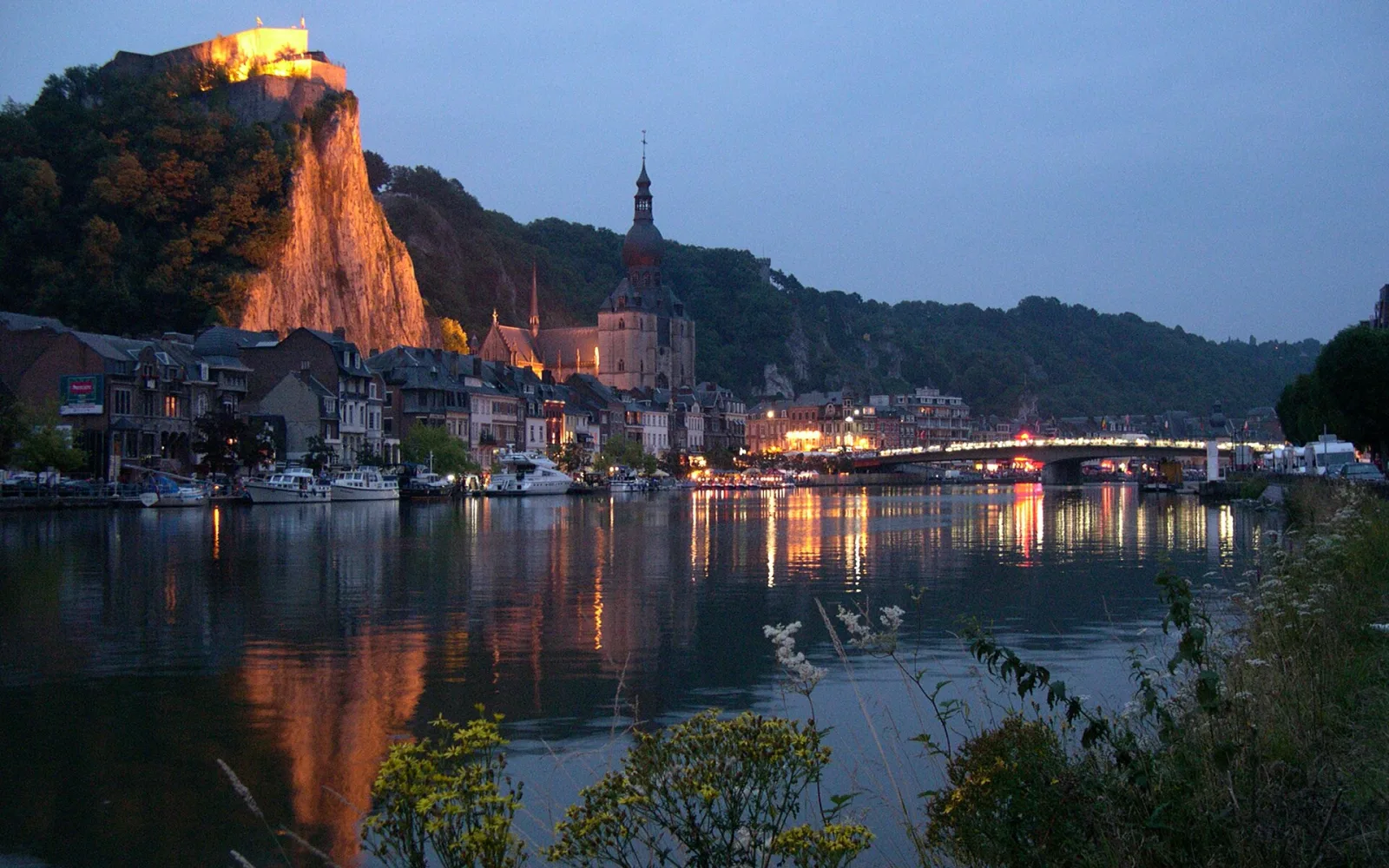
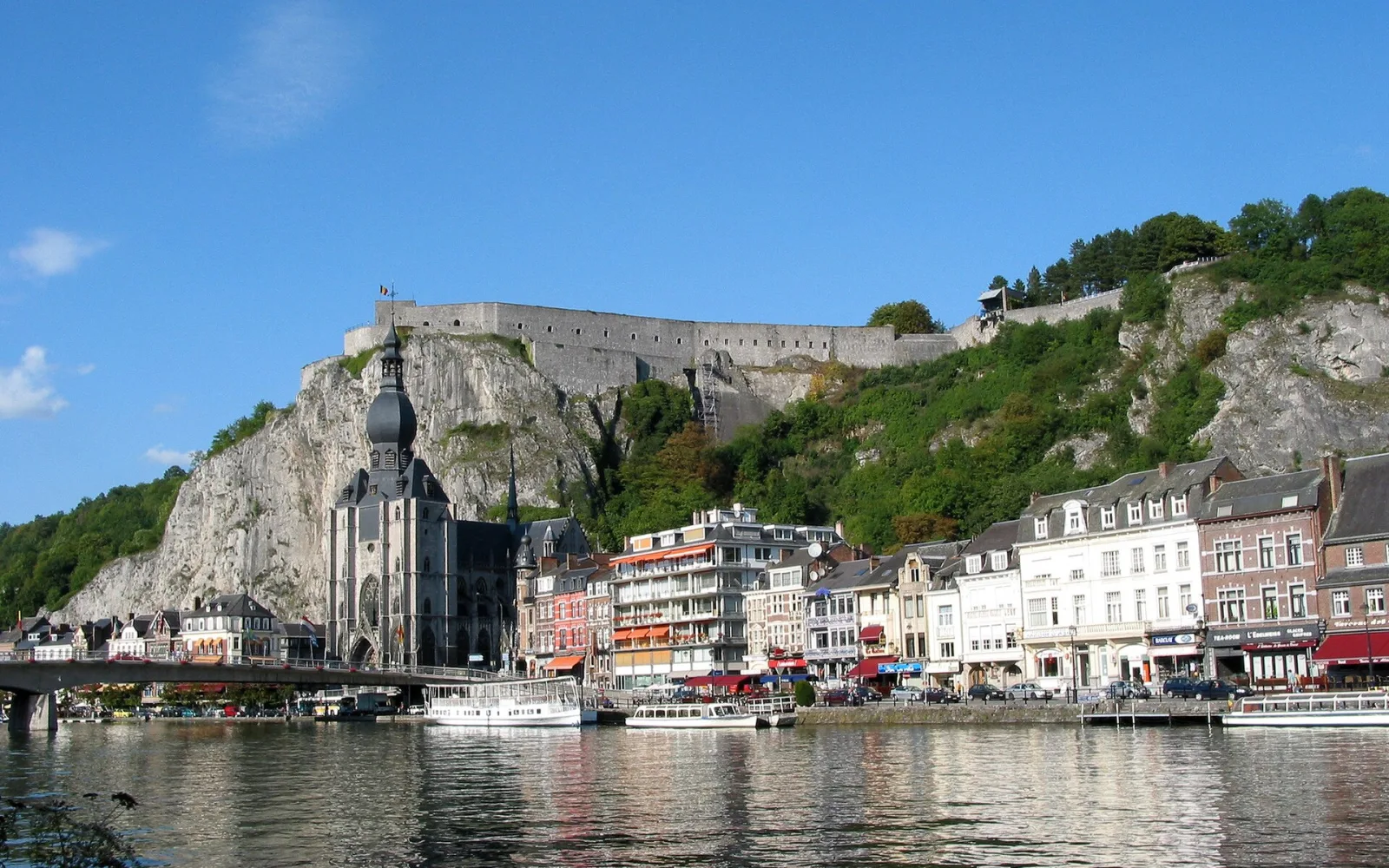
The collegiate church and cliff form the defining riverfront view.
The citadel provides history and height but involves steep access choices.
Seasonal river activity changes what fits into the afternoon.
Arrive by rail and take the riverfront view before tour groups build.
Visit the church and citadel, allowing more time than the short map distance suggests.
Finish with a river walk, boat trip when operating, or an overnight dinner rather than another distant town.
Getting there and moving around
Trains connect Dinant with Namur along the Meuse corridor. Check works and the final return, especially outside the busiest periods.
The centre is walkable, but outlying caves, abbeys and activities require buses, tours, bicycles or a car.
A car is unnecessary for the central town and useful for a wider valley circuit. Parking may be tight on busy weekends.
Weather, bookings and practical limits
Late spring through early autumn offers the broadest river activity. Winter is quiet, with shorter daylight and fewer seasonal services.
Warm weekends increase day traffic and parking pressure. Check citadel, boat and attraction hours directly for the date.
The main paid items are citadel admission, transport uphill and seasonal activities. An overnight adds value only if the evening pace matters.
The riverfront is relatively level, while the citadel and cliff terrain introduce lifts, stairs and steep paths with changing arrangements.
Do not label every forest excursion from Dinant as the Ardennes, or assume seasonal boats and rural buses run whenever trains do.
Continue planning
Questions about Dinant
How much time is useful in Dinant?
Allow six to eight hours for the centre and citadel, or one night for a slower valley visit.
Where should I base myself for Dinant?
Central riverfront accommodation is easiest without a car, while rural stays need confirmed transport or driving.
Is a car useful for Dinant?
A car is unnecessary for the central town and useful for a wider valley circuit. Parking may be tight on busy weekends.
Sources and updates
This guide was last reviewed on 3 September 2026. Transport, access and opening arrangements can change, so check the official source before travel.
- Official Wallonia visitor information, Wallonia Belgium Tourism
- Belgian rail journey and service information, SNCB-NMBS
- Official Dinant visitor information, Explore Meuse