
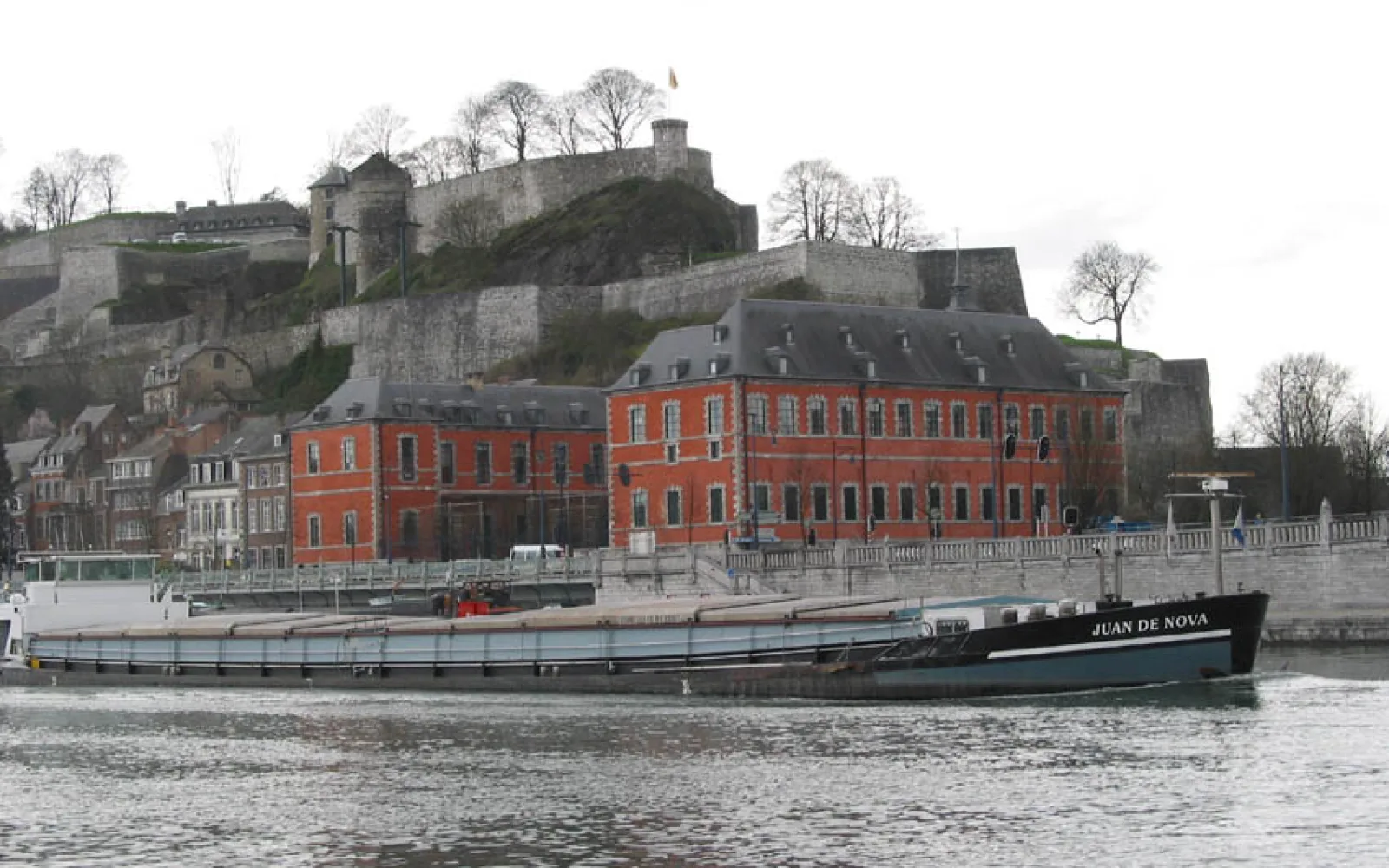
Namur occupies a strategic meeting of two rivers, with a huge citadel above a compact centre. It is calmer than Liège and particularly useful for travellers building a rail-led Meuse valley route.
Understand the shape of the visit
Namur occupies a strategic meeting of two rivers, with a huge citadel above a compact centre. It is calmer than Liège and particularly useful for travellers building a rail-led Meuse valley route.
One full day covers the central city and citadel at a sensible pace. Two nights make room for Dinant or a slower riverside day without repeated travel from Brussels.
Choose a workable base and pace
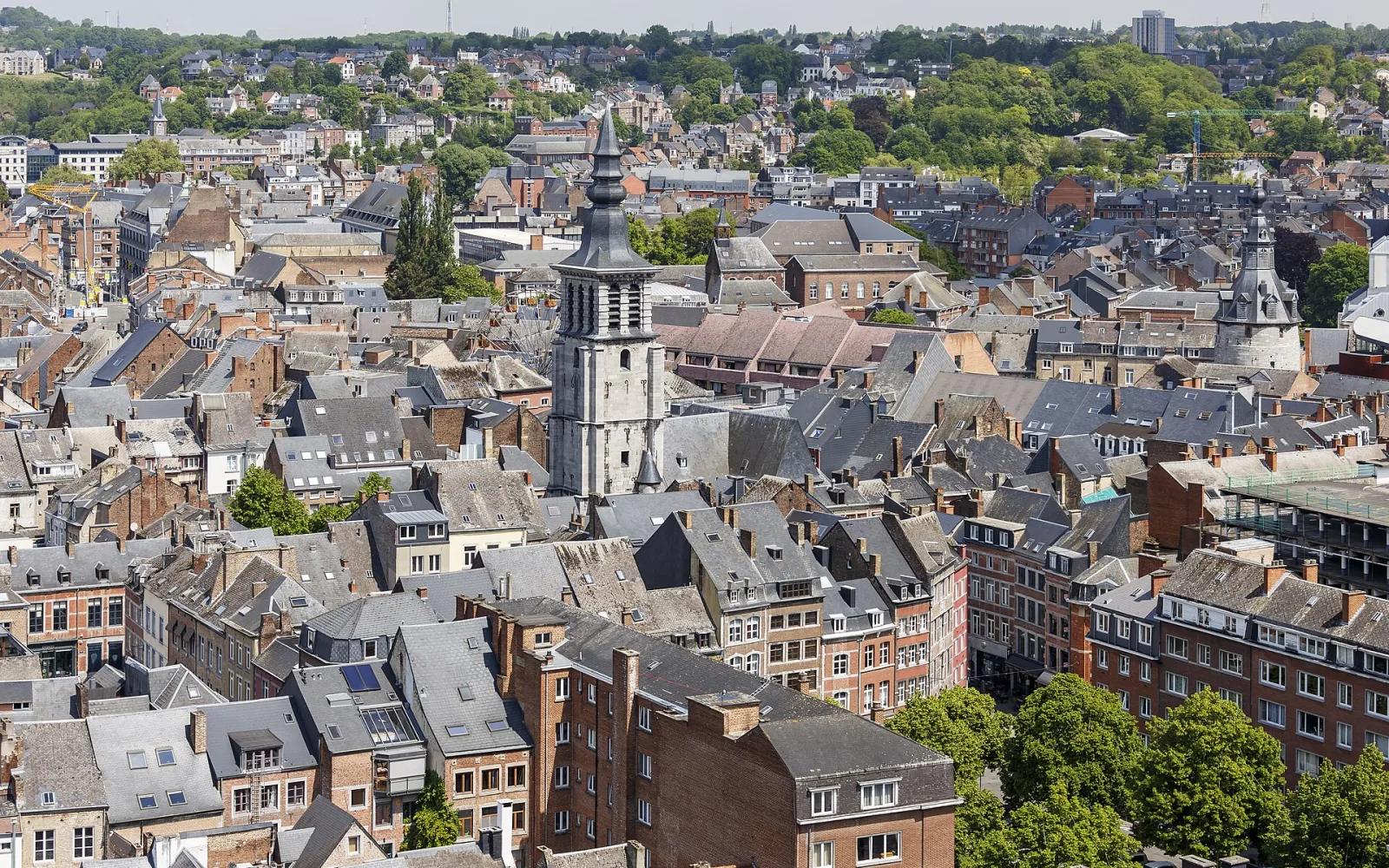
Namur suits travellers wanting a manageable Walloon base, fortifications and river scenery. It offers quieter evenings rather than major-city nightlife.
Allow one full day for Namur, or two to three nights when using it for Dinant and nearby valley travel.
The centre between the station and river is most convenient, while riverside accommodation can be calmer but farther from early trains.
Begin with the centre and confluence, give the citadel a separate half day, and save a long river walk for the weather window.
Build the days around clear priorities
The citadel combines history, viewpoints and substantial walking distances.
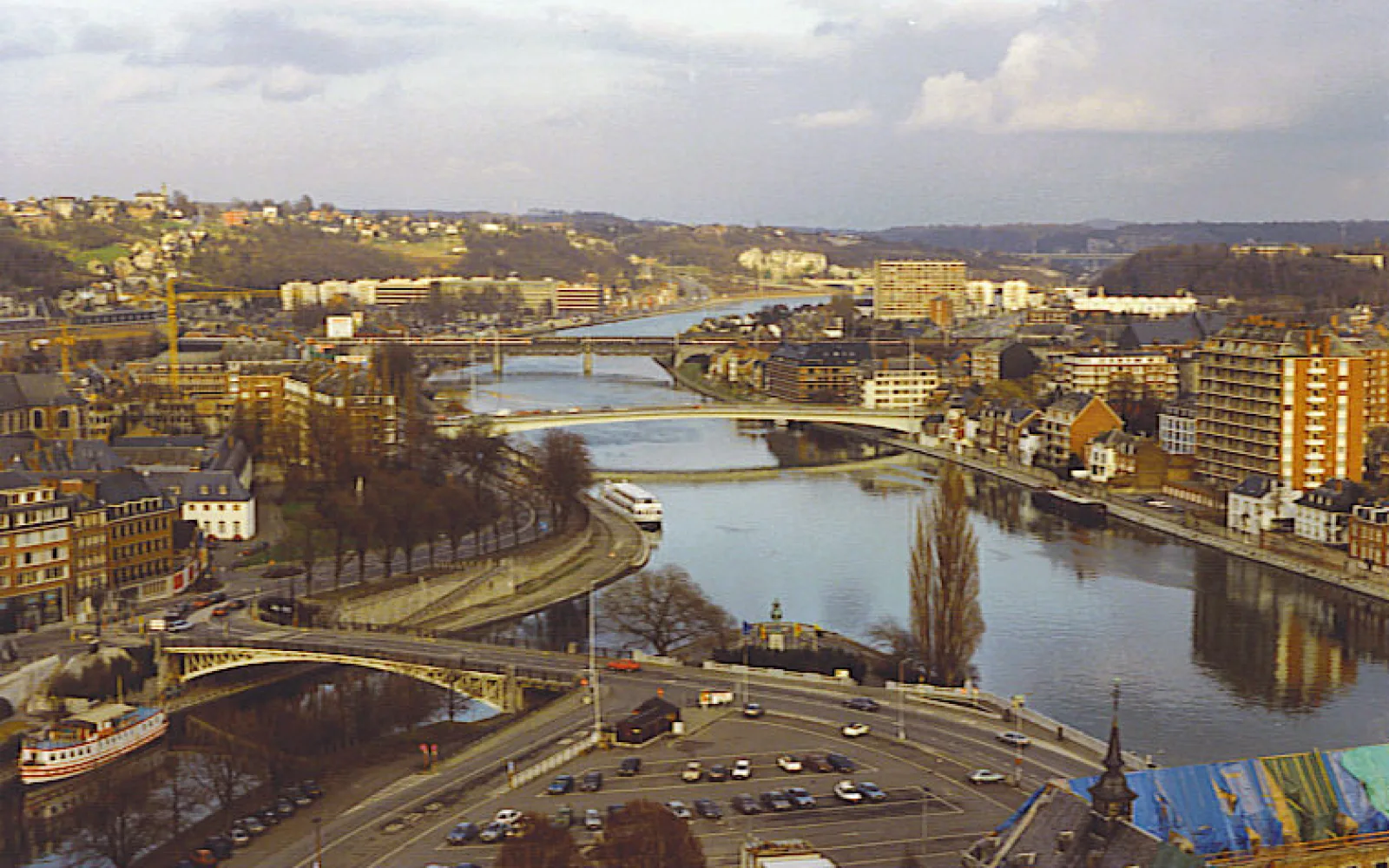
The Sambre-Meuse confluence explains the city’s geography immediately.
Central streets and museums provide a compact poor-weather alternative.
Walk from the station through the centre to the river and confluence.
Use the afternoon for the citadel, choosing transport uphill if the climb would consume the visit.
On day two, take the train to Dinant or remain in Namur for museums and riverside time.
Getting there and moving around
Direct trains connect Namur with Brussels, Liège and Luxembourg routes. The station is within walking distance of the centre.
Walking covers most central sights, with buses or the citadel transport reducing steep approaches.
Rail is enough for Namur and Dinant. A car helps only for scattered rural sites beyond the main river corridor.
Weather, bookings and practical limits
Late spring and early autumn suit the citadel and river. Hot summer afternoons make exposed climbs tiring, while winter shortens viewpoint time.
Ordinary weekends are manageable, but events and limited central room supply can create pressure. Check citadel activities for timed access.
Namur can be a practical-value base, with the main paid choices being citadel activities, museums and dining rather than heavy local transport.
The lower centre is fairly manageable, while the citadel’s slopes, distances and surfaces require a route chosen for ability.
Do not underestimate citadel distances, or schedule Dinant on the same short day as a full Namur museum and fortress programme.
Continue planning
Questions about Namur
How much time is useful in Namur?
Allow one full day for Namur, or two to three nights when using it for Dinant and nearby valley travel.
Where should I base myself for Namur?
The centre between the station and river is most convenient, while riverside accommodation can be calmer but farther from early trains.
Is a car useful for Namur?
Rail is enough for Namur and Dinant. A car helps only for scattered rural sites beyond the main river corridor.
Sources and updates
This guide was last reviewed on 3 September 2026. Transport, access and opening arrangements can change, so check the official source before travel.
- Official Wallonia visitor information, Wallonia Belgium Tourism
- Belgian rail journey and service information, SNCB-NMBS
- Official Namur visitor information, Visit Namur