
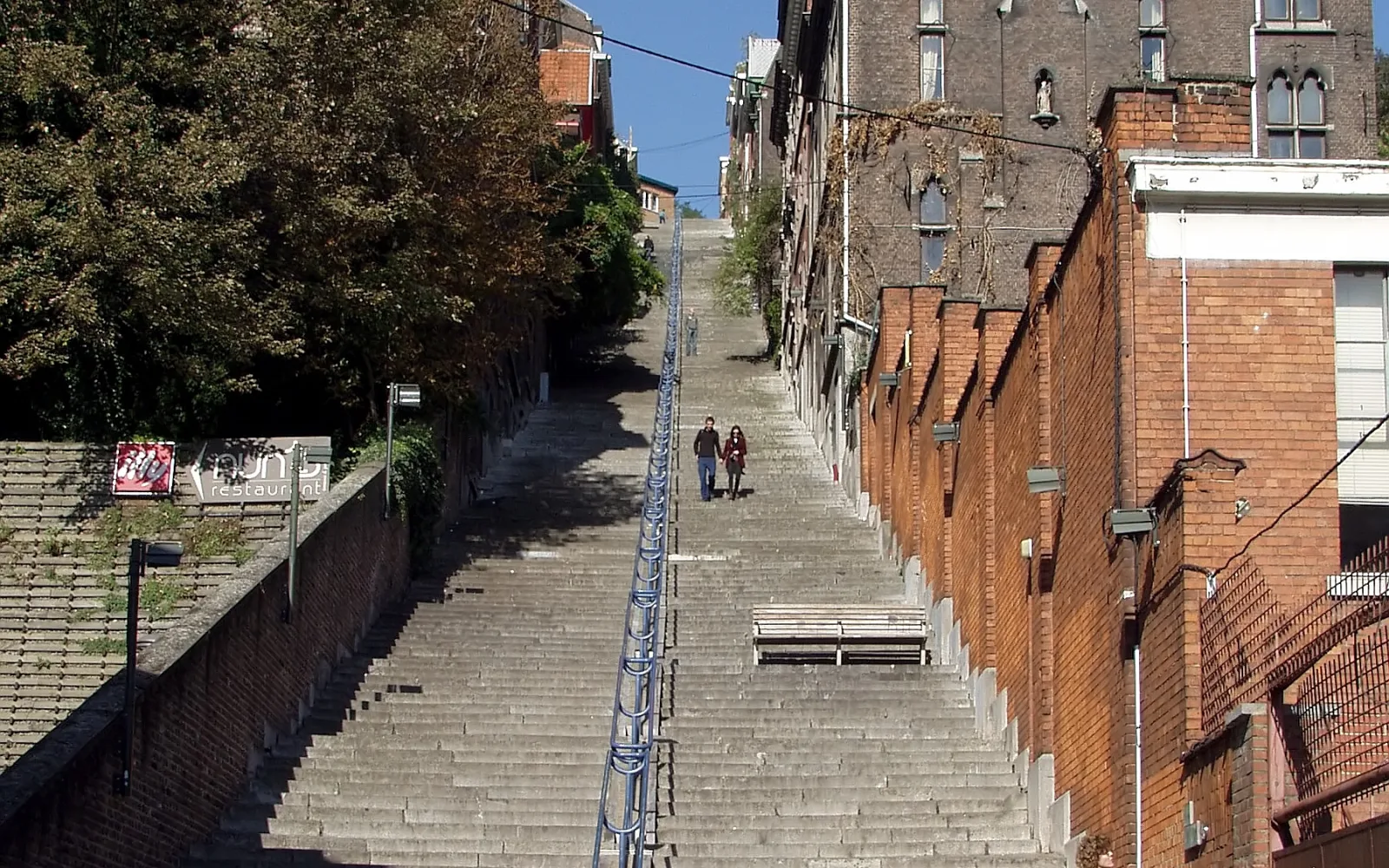
Liège is an energetic, imperfect city where a striking modern station, old churches, markets and industrial history share the Meuse valley. It rewards travellers who prefer lived-in places to polished heritage sets.
Understand the shape of the visit
Liège is an energetic, imperfect city where a striking modern station, old churches, markets and industrial history share the Meuse valley. It rewards travellers who prefer lived-in places to polished heritage sets.
Two days allow the central slopes, food and one substantial museum. A third makes Liège a practical eastern base without forcing the High Fens into a rushed afternoon.
Choose a workable base and pace
Liège suits architecture, food and industrial-history travellers who accept steep streets and urban texture. It is not the best choice for a quiet medieval weekend.
Allow two full days, or three nights when adding an eastern nature or heritage day.
The centre is best for evenings, while Guillemins suits early trains. The two areas are separated enough that hotel location affects daily transit.
Treat Guillemins station and nearby river architecture as one block, the historic centre and market as another, and Montagne de Bueren as a deliberate climb.
Build the days around clear priorities
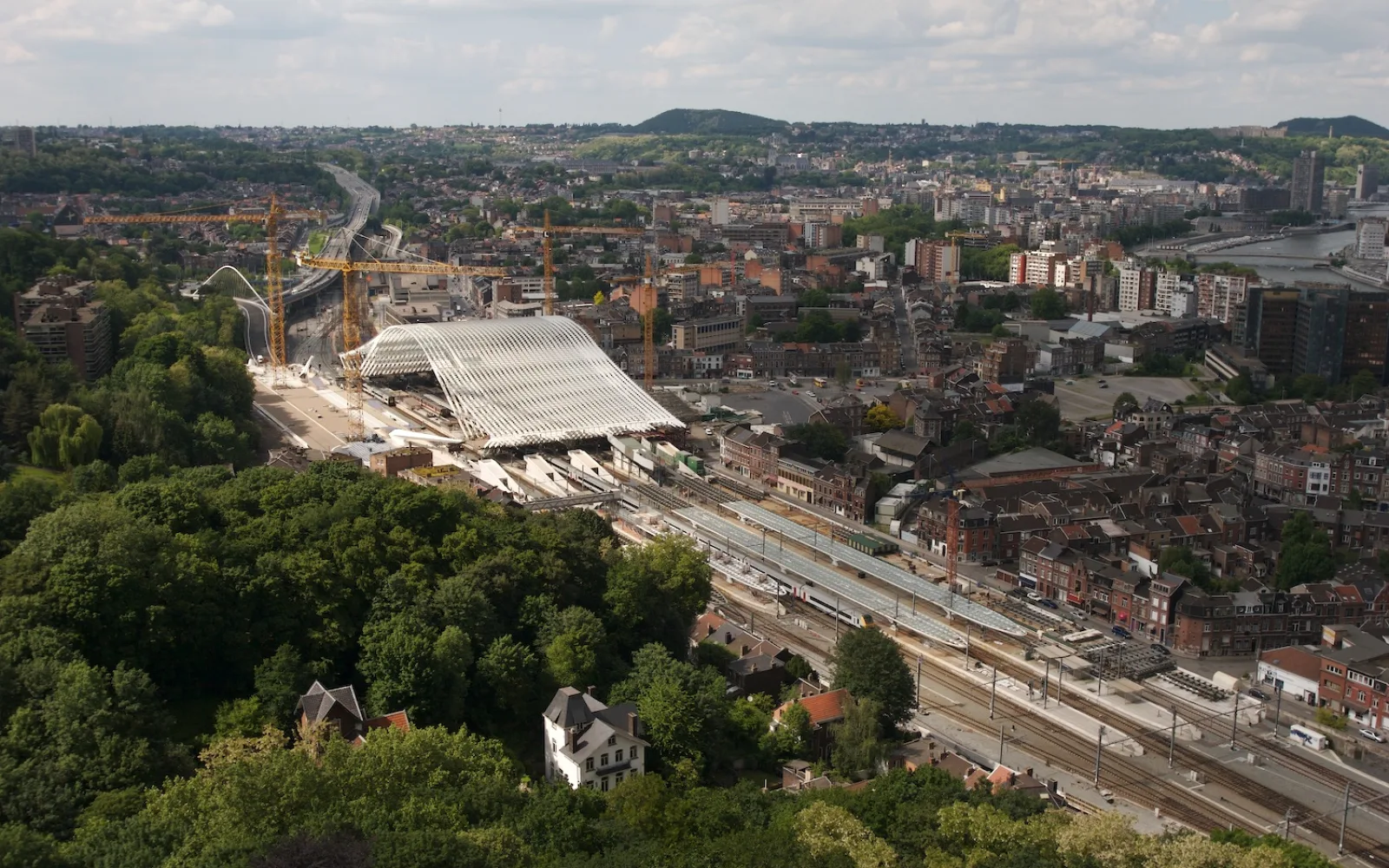
Liège-Guillemins station is a major architectural arrival.
The historic slopes and Montagne de Bueren require strong mobility.
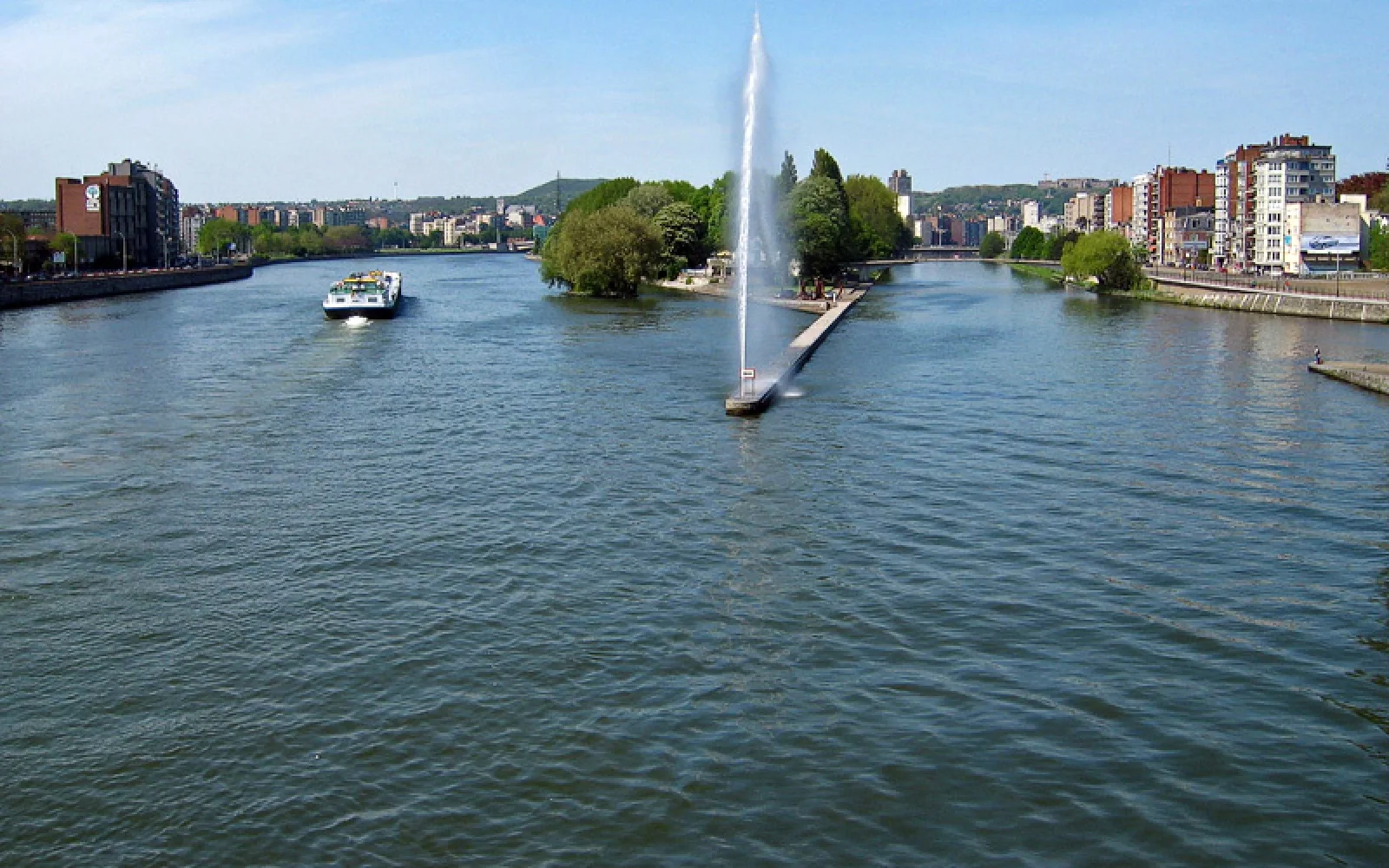
La Boverie and river walks provide a flatter cultural route.
Arrive through Guillemins, follow the river and settle into the central evening scene.
Use day two for the historic core, market area and one hill route chosen for ability.
Add a third day for High Fens access or another eastern Wallonia stop after checking connections.
Getting there and moving around
High-speed and domestic trains serve Liège-Guillemins, south of the historic centre. Allow a local connection after the impressive arrival.
Buses and the evolving urban network bridge long valley distances. Walking the slopes is more demanding than the city map suggests.
A car is unnecessary for the city, but useful for remote nature areas. Parking and central traffic make a mixed rail-and-rental plan preferable.
Weather, bookings and practical limits
Spring and autumn suit urban walking, summer supports riverside evenings, and winter makes steep wet or icy routes less comfortable.
Large events and football dates can affect rooms. Small food venues and guided industrial sites may need specific reservations.
Liège can offer reasonable rooms compared with Brussels, while taxis to rural areas quickly increase the value of better transport planning.
The modern station is accessible, but steep streets, long stairs and older buildings require alternatives. Flatter river routes are available.
Do not judge the city only from the station district, or assume a High Fens trail is practical without a confirmed return connection.
Continue planning
Questions about Liège
How much time is useful in Liège?
Allow two full days, or three nights when adding an eastern nature or heritage day.
Where should I base myself for Liège?
The centre is best for evenings, while Guillemins suits early trains. The two areas are separated enough that hotel location affects daily transit.
Is a car useful for Liège?
A car is unnecessary for the city, but useful for remote nature areas. Parking and central traffic make a mixed rail-and-rental plan preferable.
Sources and updates
This guide was last reviewed on 3 September 2026. Transport, access and opening arrangements can change, so check the official source before travel.
- Official Wallonia visitor information, Wallonia Belgium Tourism
- Belgian rail journey and service information, SNCB-NMBS
- Official Liège visitor information, Liège Tourist Office