
Sweden’s length makes national season labels unreliable: southern cities, Baltic islands and the Arctic north follow different calendars.
January to March: When to visit Sweden
January: Use southern cities for museums or make a fully prepared northern winter trip with limited daylight. Short daylight. Check mountain or site notices.
February: Northern snow and increasing light support winter activities, while southern city weather remains changeable. Snow access. Check mountain or site notices.
March: Spring-winter conditions remain strong in the north as southern daylight improves and city walking becomes easier. Snow access. Check mountain or site notices.
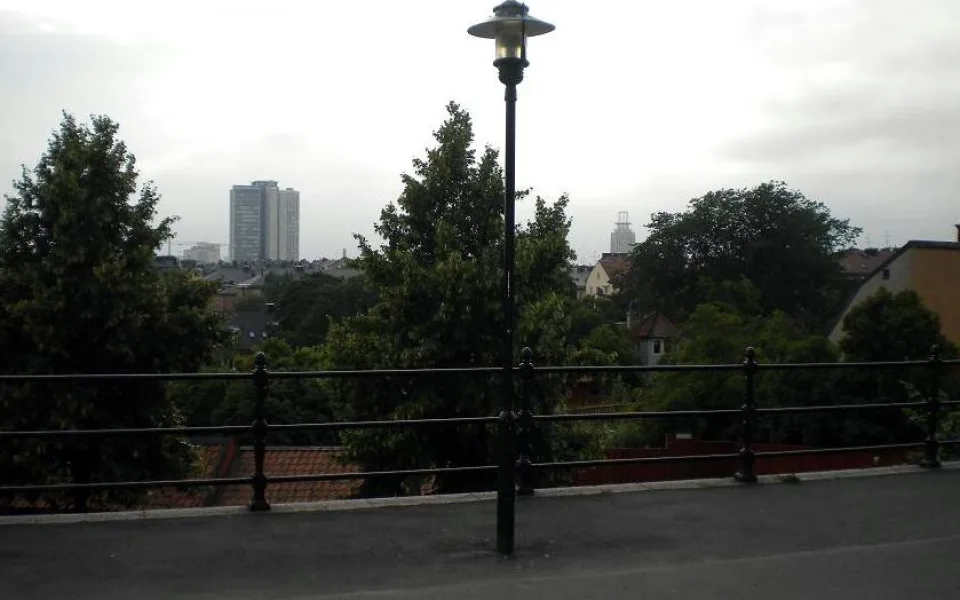
April to June: When to visit Sweden
April: Southern cities and Skåne enter spring, but northern trails can remain in winter conditions. Snow access. Check mountain or site notices.
May: Long days and reopening coast services suit Stockholm, Gothenburg, Skåne and quieter islands. Dated local conditions. Check coast or ferry notices.
June: Very long light supports archipelago and northern travel, with midsummer closures requiring a dated check. Reduced seasonal services. Check local service notices.
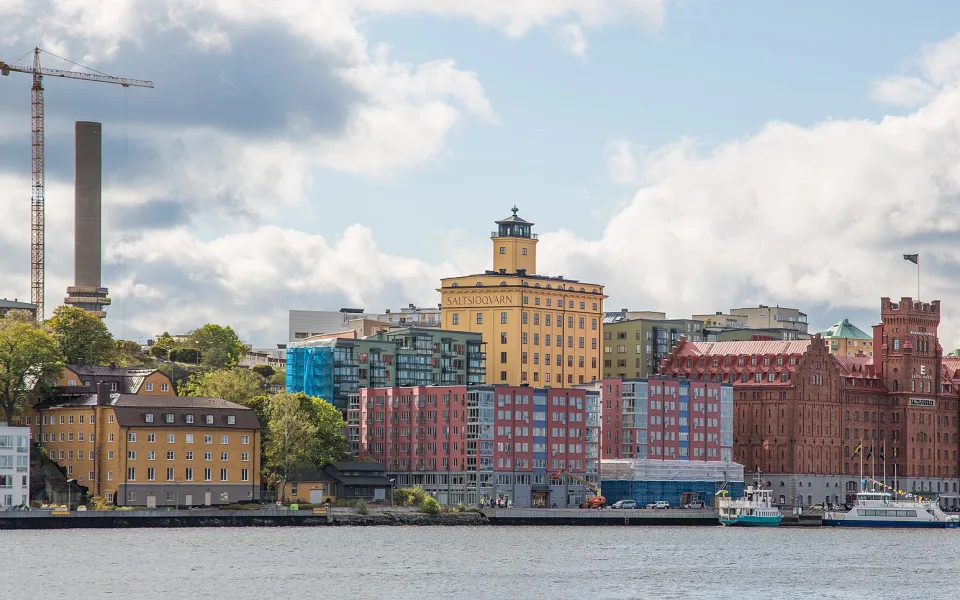
July to September: When to visit Sweden
July: Peak domestic holidays bring broad opening, busy islands and high room demand. Booking pressure. Check coast or ferry notices.
August: Cities, coasts and mountain walking remain practical, with dark nights returning in the far north later in the month. Mountain or site access. Check coast or ferry notices.
September: Autumn colour and northern darkness begin, while southern cities and coast routes remain comfortable. Mountain or site access. Check coast or ferry notices.
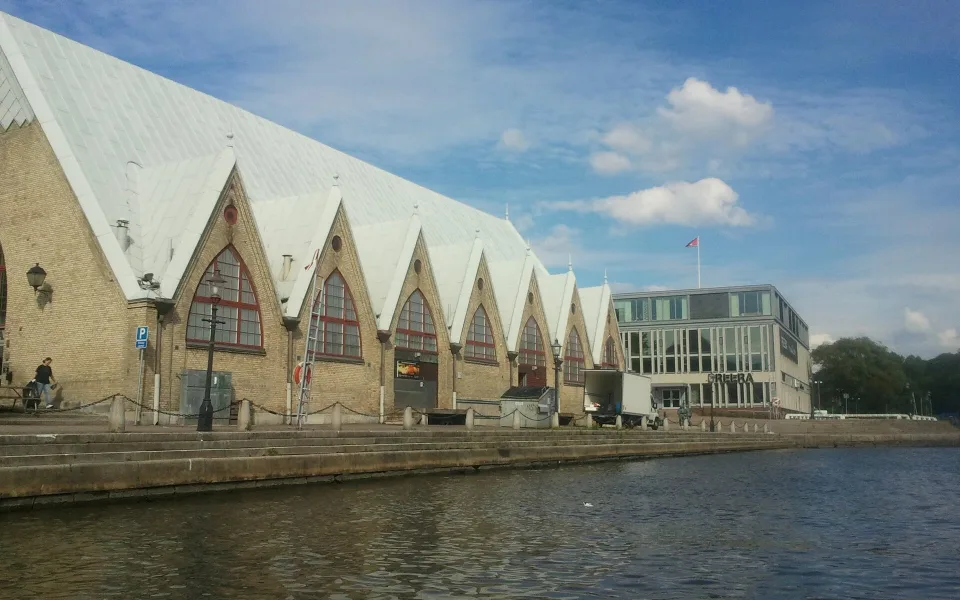
October to December: When to visit Sweden
October: Shorter days, autumn weather and reduced island services favour city and rail-corridor trips. Wind or rain. Check coast or ferry notices.
November: Choose urban museums or wait for verified northern snow rather than assuming full winter operation. Snow access. Check mountain or site notices.
December: Northern darkness and holiday demand require careful activity and transport booking; city breaks remain possible. Booking pressure. Check site hours.
Use the seasonal guide with a route
Month-by-month guide
| Month | Good for | Main limitations | Crowds | Transport or access |
|---|---|---|---|---|
| January | Use southern cities for museums or make a fully prepared northern winter trip with limited daylight. | Short daylight. | Demand is usually manageable outside winter holidays and major events. | Check mountain or site notices. |
| February | Northern snow and increasing light support winter activities, while southern city weather remains changeable. | Snow access. | Demand is usually manageable outside winter holidays and major events. | Check mountain or site notices. |
| March | Spring-winter conditions remain strong in the north as southern daylight improves and city walking becomes easier. | Snow access. | Demand is generally moderate, with local peaks around events and holiday weekends. | Check mountain or site notices. |
| April | Southern cities and Skåne enter spring, but northern trails can remain in winter conditions. | Snow access. | Demand is generally moderate, with local peaks around events and holiday weekends. | Check mountain or site notices. |
| May | Long days and reopening coast services suit Stockholm, Gothenburg, Skåne and quieter islands. | Dated local conditions. | Demand is usually lighter outside local events and holiday weekends. | Check coast or ferry notices. |
| June | Very long light supports archipelago and northern travel, with midsummer closures requiring a dated check. | Reduced seasonal services. | Demand often rises where the best weather and fullest transport schedules coincide. | Check local service notices. |
| July | Peak domestic holidays bring broad opening, busy islands and high room demand. | Booking pressure. | Demand is high in the busiest places, so book route-critical rooms and transport early. | Check coast or ferry notices. |
| August | Cities, coasts and mountain walking remain practical, with dark nights returning in the far north later in the month. | Mountain or site access. | Demand often rises where the best weather and fullest transport schedules coincide. | Check coast or ferry notices. |
| September | Autumn colour and northern darkness begin, while southern cities and coast routes remain comfortable. | Mountain or site access. | Demand is generally moderate, with local peaks around events and holiday weekends. | Check coast or ferry notices. |
| October | Shorter days, autumn weather and reduced island services favour city and rail-corridor trips. | Wind or rain. | Demand is generally moderate, with local peaks around events and holiday weekends. | Check coast or ferry notices. |
| November | Choose urban museums or wait for verified northern snow rather than assuming full winter operation. | Snow access. | Demand is usually manageable outside winter holidays and major events. | Check mountain or site notices. |
| December | Northern darkness and holiday demand require careful activity and transport booking; city breaks remain possible. | Booking pressure. | Public holidays and major events can create short periods of heavy demand. | Check site hours. |