
Midnight-sun planning depends on latitude, with the clearest continuous-light period north of the Arctic Circle.
January to March: Sweden midnight-sun season
January: The far north has short days or polar-night conditions, not midnight sun. Short daylight. Check local service notices.
February: Daylight increases quickly but nights remain dark throughout northern Sweden. Dated local conditions. Check local service notices.
March: Longer days support spring-winter activity without continuous daylight. Snow access. Check mountain or site notices.
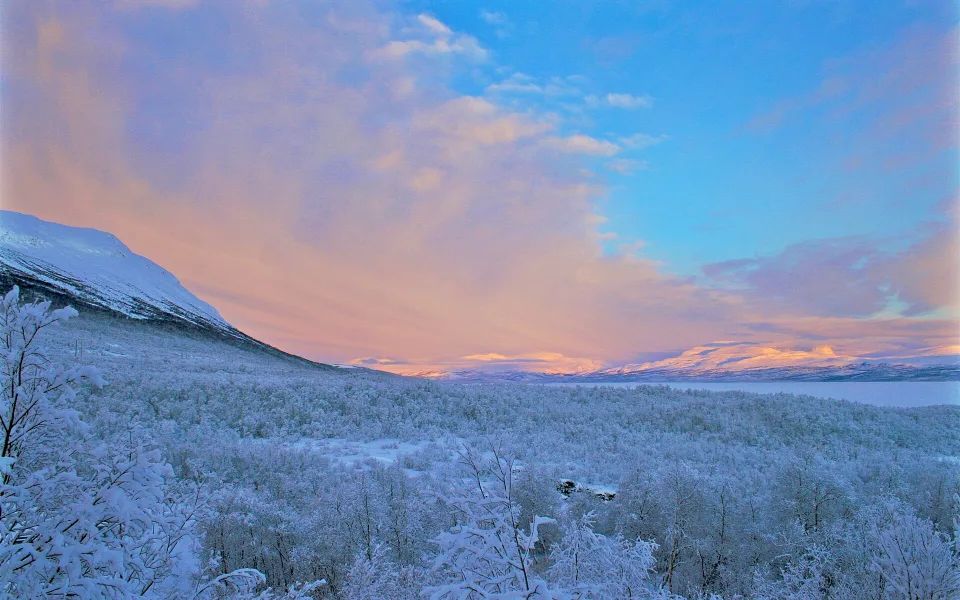
April to June: Sweden midnight-sun season
April: Very long evenings begin, though true midnight-sun conditions are still latitude-dependent and later. Dated local conditions. Check local service notices.
May: Continuous or near-continuous light begins in the far north and sleep routines need adjustment. Dated local conditions. Check local service notices.
June: The strongest midnight-sun period supports late hiking only where trail and weather conditions are safe. Wind or rain. Check mountain or site notices.
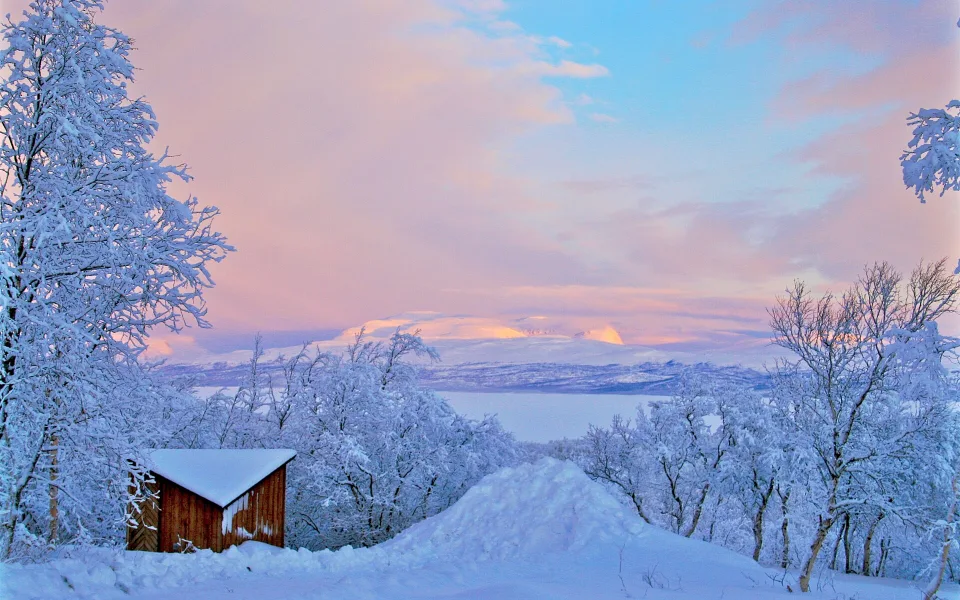
July to September: Sweden midnight-sun season
July: Continuous light persists early in the month in the far north, then nights slowly begin to darken. Dated local conditions. Check local service notices.
August: Long days remain useful, but true midnight sun has ended and darkness returns. Dated local conditions. Check local service notices.
September: Normal dark nights support autumn and possible aurora travel instead. Dated local conditions. Check local service notices.
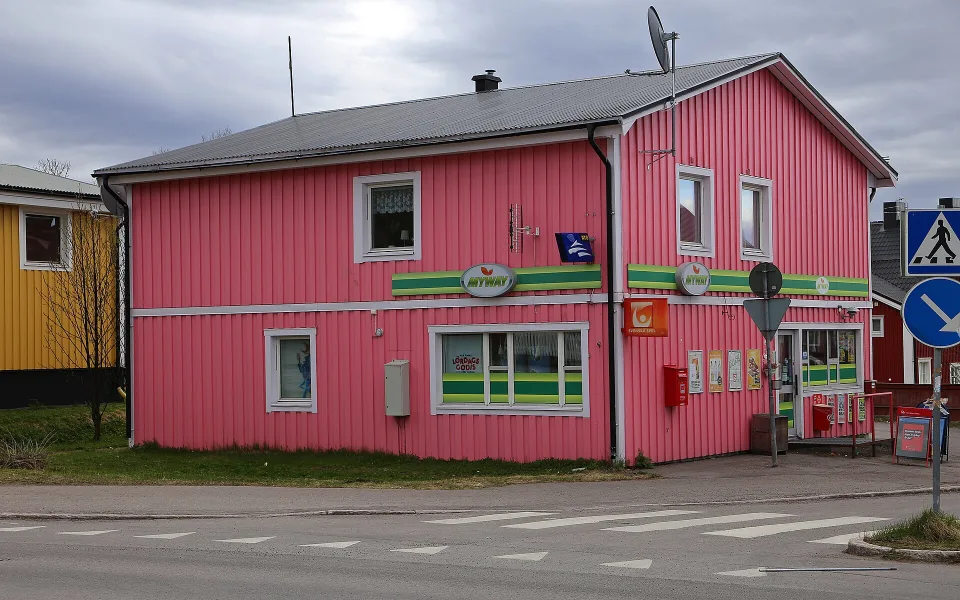
October to December: Sweden midnight-sun season
October: Shortening days make winter preparation more relevant than continuous light. Snow access. Check mountain or site notices.
November: The far north approaches polar-night conditions with very limited usable daylight. Dated local conditions. Check local service notices.
December: Polar-night and twilight planning replaces any midnight-sun itinerary. Dated local conditions. Check local service notices.
Use the seasonal guide with a route
Month-by-month guide
| Month | Good for | Main limitations | Crowds | Transport or access |
|---|---|---|---|---|
| January | The far north has short days or polar-night conditions, not midnight sun. | Short daylight. | Demand is usually manageable outside winter holidays and major events. | Check local service notices. |
| February | Daylight increases quickly but nights remain dark throughout northern Sweden. | Dated local conditions. | Demand is usually manageable outside winter holidays and major events. | Check local service notices. |
| March | Longer days support spring-winter activity without continuous daylight. | Snow access. | Demand is generally moderate, with local peaks around events and holiday weekends. | Check mountain or site notices. |
| April | Very long evenings begin, though true midnight-sun conditions are still latitude-dependent and later. | Dated local conditions. | Demand is generally moderate, with local peaks around events and holiday weekends. | Check local service notices. |
| May | Continuous or near-continuous light begins in the far north and sleep routines need adjustment. | Dated local conditions. | Demand is generally moderate, with local peaks around events and holiday weekends. | Check local service notices. |
| June | The strongest midnight-sun period supports late hiking only where trail and weather conditions are safe. | Wind or rain. | Demand often rises where the best weather and fullest transport schedules coincide. | Check mountain or site notices. |
| July | Continuous light persists early in the month in the far north, then nights slowly begin to darken. | Dated local conditions. | Demand often rises where the best weather and fullest transport schedules coincide. | Check local service notices. |
| August | Long days remain useful, but true midnight sun has ended and darkness returns. | Dated local conditions. | Demand often rises where the best weather and fullest transport schedules coincide. | Check local service notices. |
| September | Normal dark nights support autumn and possible aurora travel instead. | Dated local conditions. | Demand is generally moderate, with local peaks around events and holiday weekends. | Check local service notices. |
| October | Shortening days make winter preparation more relevant than continuous light. | Snow access. | Demand is generally moderate, with local peaks around events and holiday weekends. | Check mountain or site notices. |
| November | The far north approaches polar-night conditions with very limited usable daylight. | Dated local conditions. | Demand is usually manageable outside winter holidays and major events. | Check local service notices. |
| December | Polar-night and twilight planning replaces any midnight-sun itinerary. | Dated local conditions. | Demand is usually manageable outside winter holidays and major events. | Check local service notices. |