
Aurora travel in northern Sweden needs darkness, clear sky and weather resilience; no date or operator can guarantee a display.
January to March: Aurora season in northern Sweden
January: Long darkness supports viewing, with severe cold and storms requiring short, guided or lodge-based attempts. Severe cold. Check booking availability.
February: Dark nights and more usable daylight balance aurora attempts with daytime winter activity. Snow access. Check mountain or site notices.
March: Night darkness remains sufficient while longer days make transfers and snow activity easier. Snow access. Check mountain or site notices.
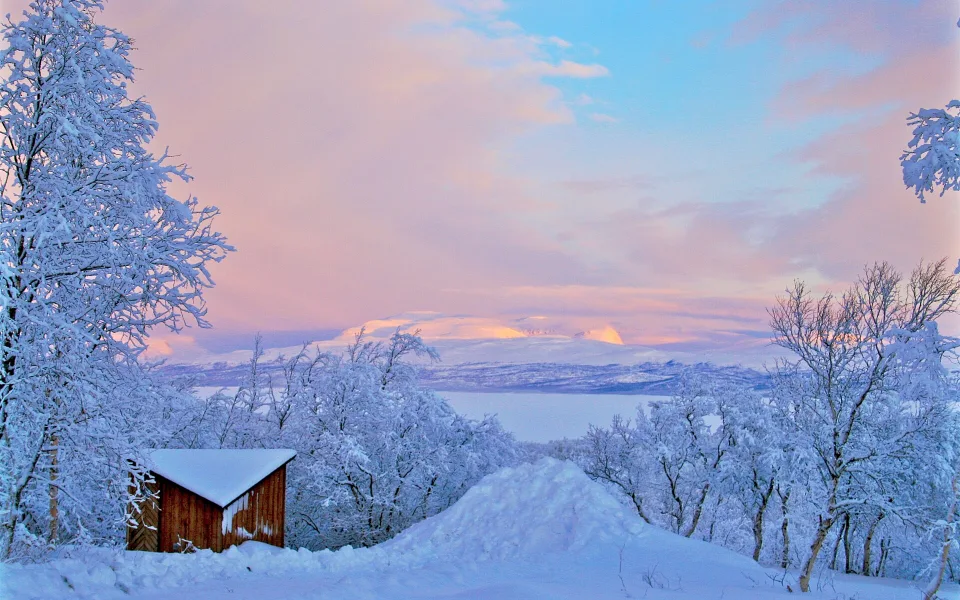
April to June: Aurora season in northern Sweden
April: Rapidly increasing light shortens the useful dark window and ends many conventional aurora itineraries. Dated local conditions. Check local service notices.
May: Night skies are too bright in the far north for a normal aurora trip. Mountain or site access. Check mountain or site notices.
June: Midnight sun and continuous twilight remove practical aurora darkness. Dated local conditions. Check local service notices.
July to September: Aurora season in northern Sweden
July: Bright nights continue, so plan hiking or nature rather than aurora viewing. Dated local conditions. Check mountain or site notices.
August: Darkness returns late in the month, though summer ground conditions differ from winter tours. Snow access. Check mountain or site notices.
September: Dark nights and autumn colour support aurora attempts without dependable snow. Snow access. Check mountain or site notices.
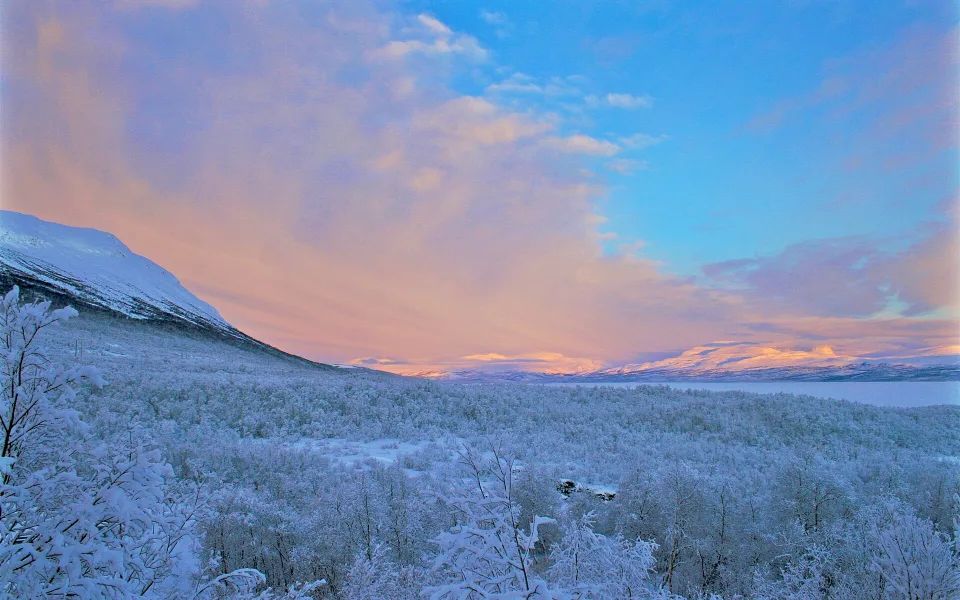
October to December: Aurora season in northern Sweden
October: Longer darkness improves viewing, with wet, icy or early-snow conditions changing access. Ice or thaw. Check mountain or site notices.
November: Darkness is ample, but snow cover and winter operations can still be unsettled. Snow access. Check mountain or site notices.
December: Very long darkness supports viewing, while holiday demand, cold and limited daylight complicate the trip. Short daylight. Check site hours.
Use the seasonal guide with a route
Month-by-month guide
| Month | Good for | Main limitations | Crowds | Transport or access |
|---|---|---|---|---|
| January | Long darkness supports viewing, with severe cold and storms requiring short, guided or lodge-based attempts. | Severe cold. | Demand is usually manageable outside winter holidays and major events. | Check booking availability. |
| February | Dark nights and more usable daylight balance aurora attempts with daytime winter activity. | Snow access. | Demand is usually manageable outside winter holidays and major events. | Check mountain or site notices. |
| March | Night darkness remains sufficient while longer days make transfers and snow activity easier. | Snow access. | Demand is generally moderate, with local peaks around events and holiday weekends. | Check mountain or site notices. |
| April | Rapidly increasing light shortens the useful dark window and ends many conventional aurora itineraries. | Dated local conditions. | Demand is generally moderate, with local peaks around events and holiday weekends. | Check local service notices. |
| May | Night skies are too bright in the far north for a normal aurora trip. | Mountain or site access. | Demand is generally moderate, with local peaks around events and holiday weekends. | Check mountain or site notices. |
| June | Midnight sun and continuous twilight remove practical aurora darkness. | Dated local conditions. | Demand often rises where the best weather and fullest transport schedules coincide. | Check local service notices. |
| July | Bright nights continue, so plan hiking or nature rather than aurora viewing. | Dated local conditions. | Demand often rises where the best weather and fullest transport schedules coincide. | Check mountain or site notices. |
| August | Darkness returns late in the month, though summer ground conditions differ from winter tours. | Snow access. | Demand often rises where the best weather and fullest transport schedules coincide. | Check mountain or site notices. |
| September | Dark nights and autumn colour support aurora attempts without dependable snow. | Snow access. | Demand is generally moderate, with local peaks around events and holiday weekends. | Check mountain or site notices. |
| October | Longer darkness improves viewing, with wet, icy or early-snow conditions changing access. | Ice or thaw. | Demand is generally moderate, with local peaks around events and holiday weekends. | Check mountain or site notices. |
| November | Darkness is ample, but snow cover and winter operations can still be unsettled. | Snow access. | Demand is usually manageable outside winter holidays and major events. | Check mountain or site notices. |
| December | Very long darkness supports viewing, while holiday demand, cold and limited daylight complicate the trip. | Short daylight. | Public holidays and major events can create short periods of heavy demand. | Check site hours. |