
Start with the essentials
Plan South Estonia at a glance
- Main gateway
- Tartu
- Useful time
- 4 to 8 days
- Rail bases
- Tartu and Viljandi
- Car use
- Helpful in rural areas
- Best mix
- Culture, lakes and villages
About South Estonia
Why explore South Estonia
The south offers Estonia’s strongest alternative to a capital-led itinerary. Tartu supports serious museum time, while the smaller towns and rural districts introduce lakes, hills, music and distinctive community traditions.
The region rewards choice rather than coverage. Viljandi, Otepää and Setomaa each pull the route in a different direction, so a good trip uses one or two of them well.
Plan the region
Begin with two days in Tartu. Add Viljandi for castle hills and music, Otepää for outdoor time, or Setomaa for village museums and living culture.
Värska is the most useful local base inside Setomaa, with accommodation, visitor facilities and access to nearby village museums. Check individual schedules before setting out because rural opening days do not always align.
Choose where to spend your time
Places to explore
4 guidesTartu
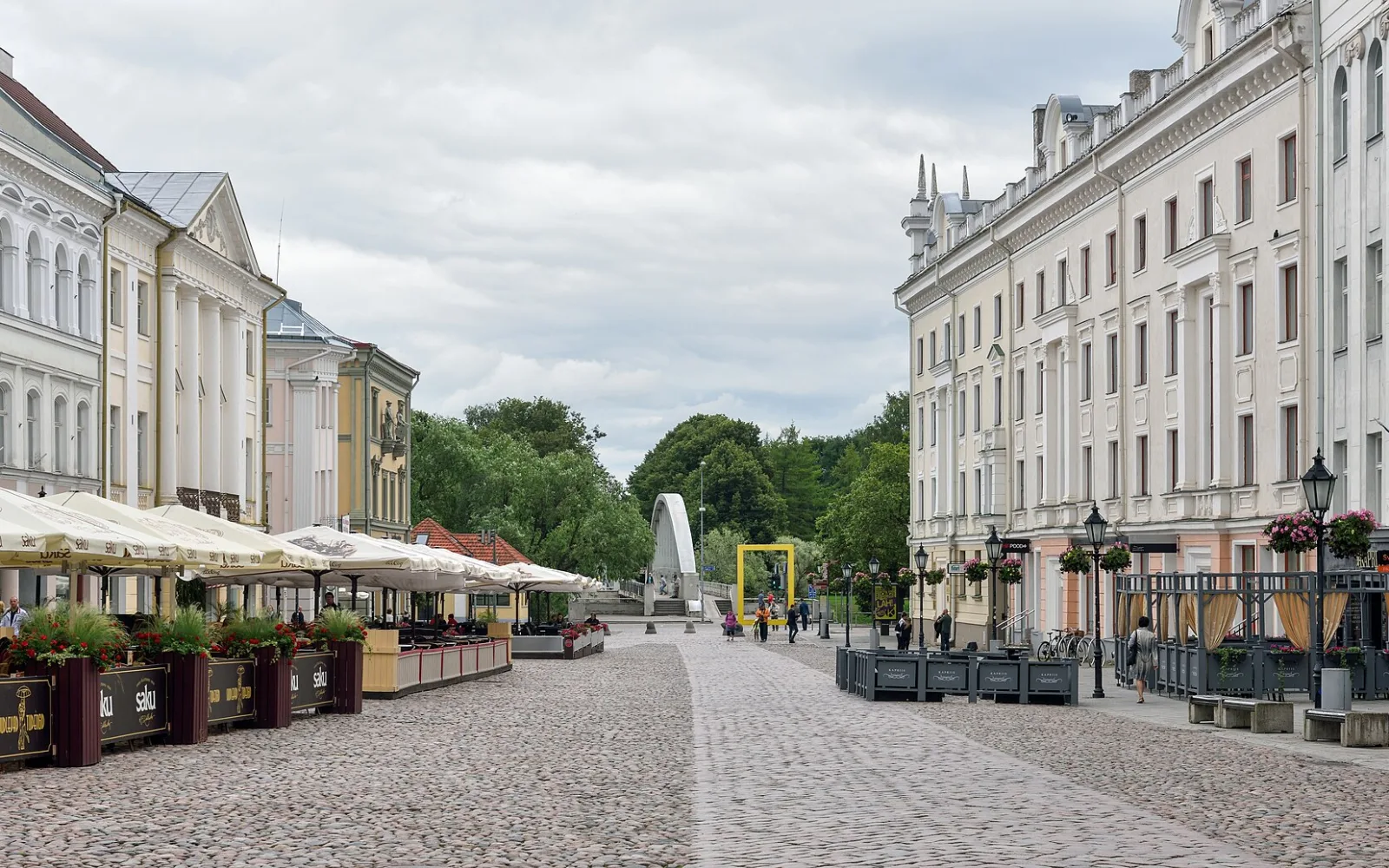
Tartu is Estonia’s university city, with an easy riverfront centre, major museums and a calendar shaped by students and culture.
Open guide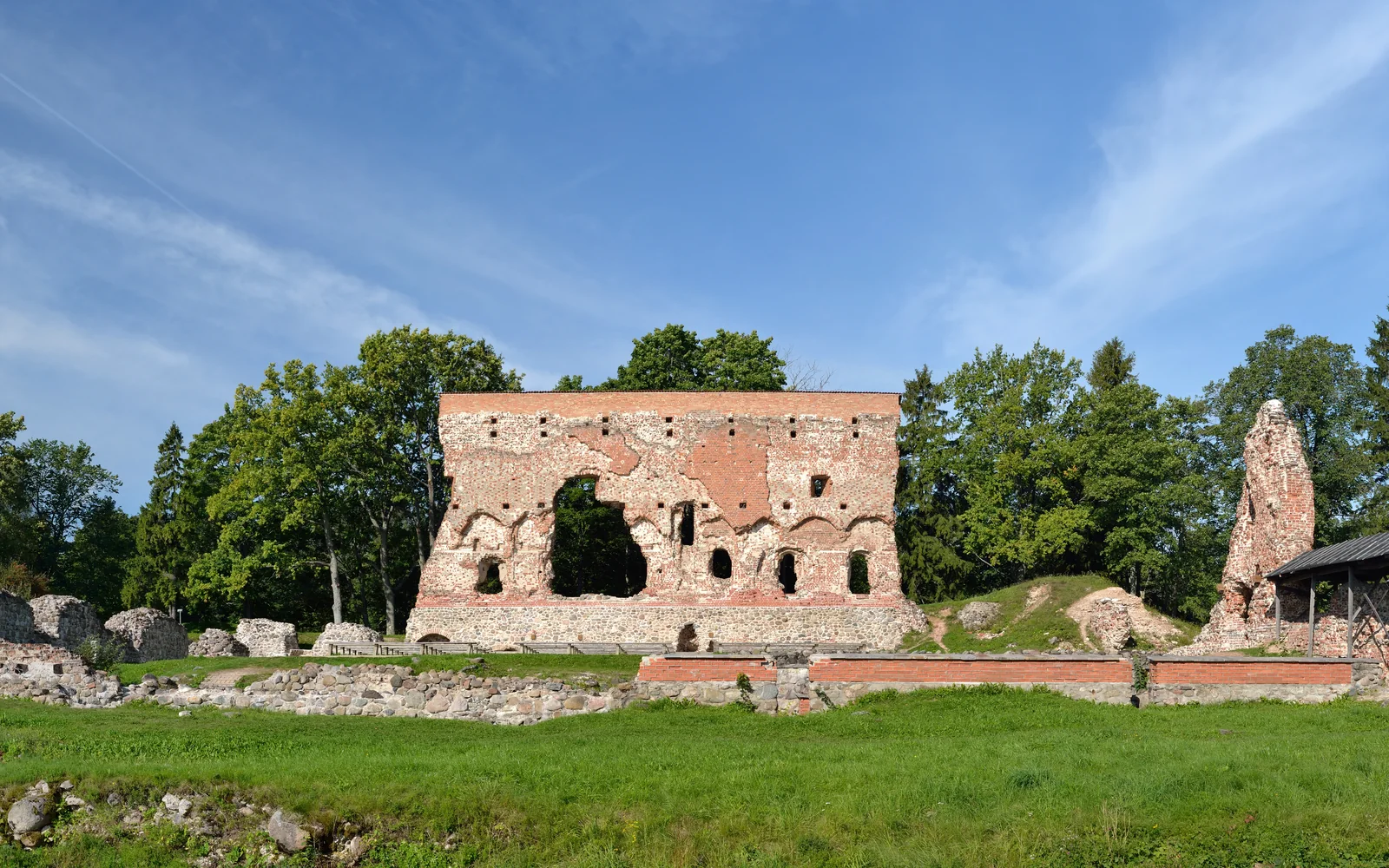
Viljandi
Viljandi is a small southern city of castle ruins, lake views, wooden streets and one of Estonia’s strongest folk-music identities.
Open guide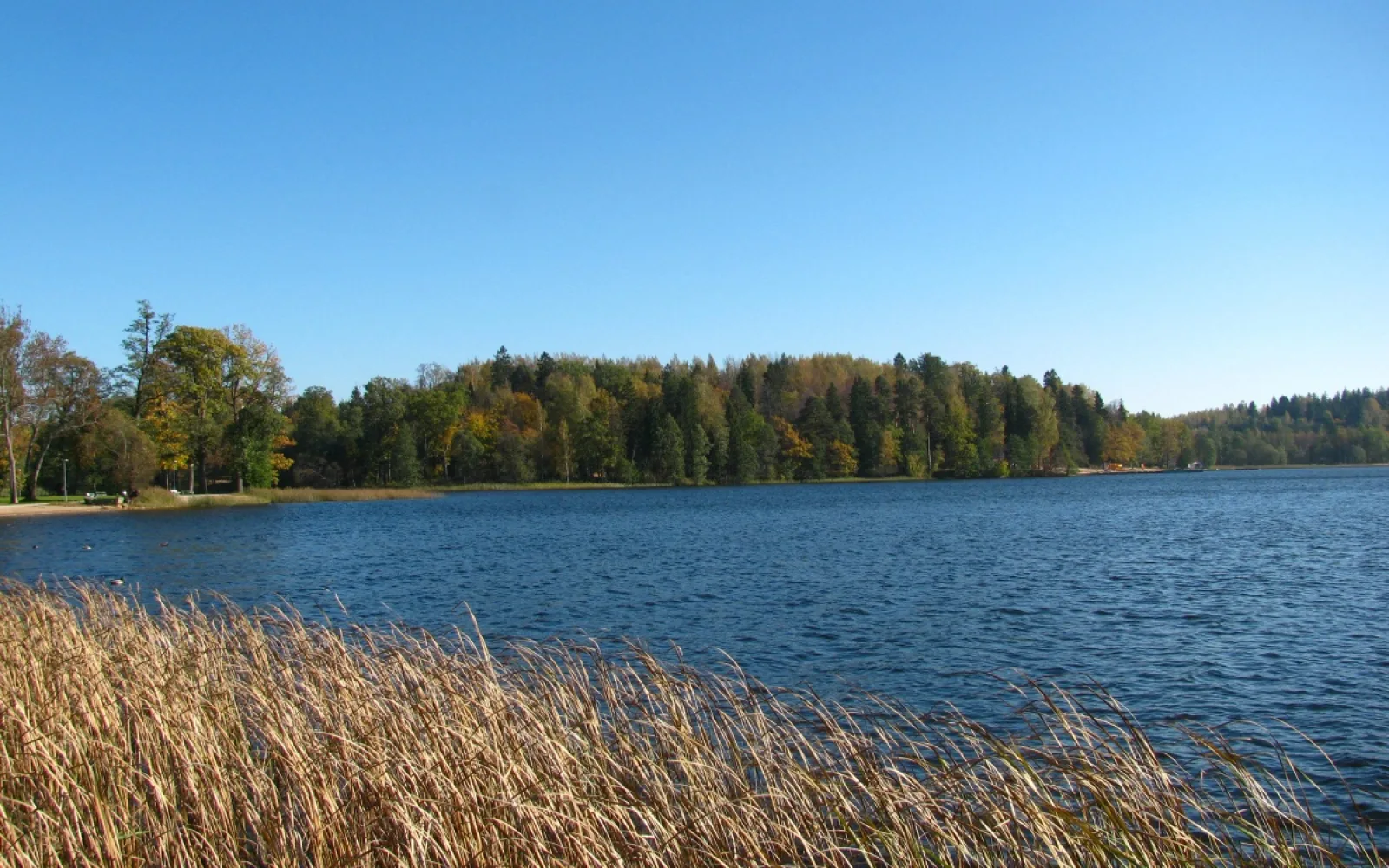
Otepää
Otepää is a small upland base for Lake Pühajärv, forest trails, cycling and winter sport when snow conditions allow.
Open guide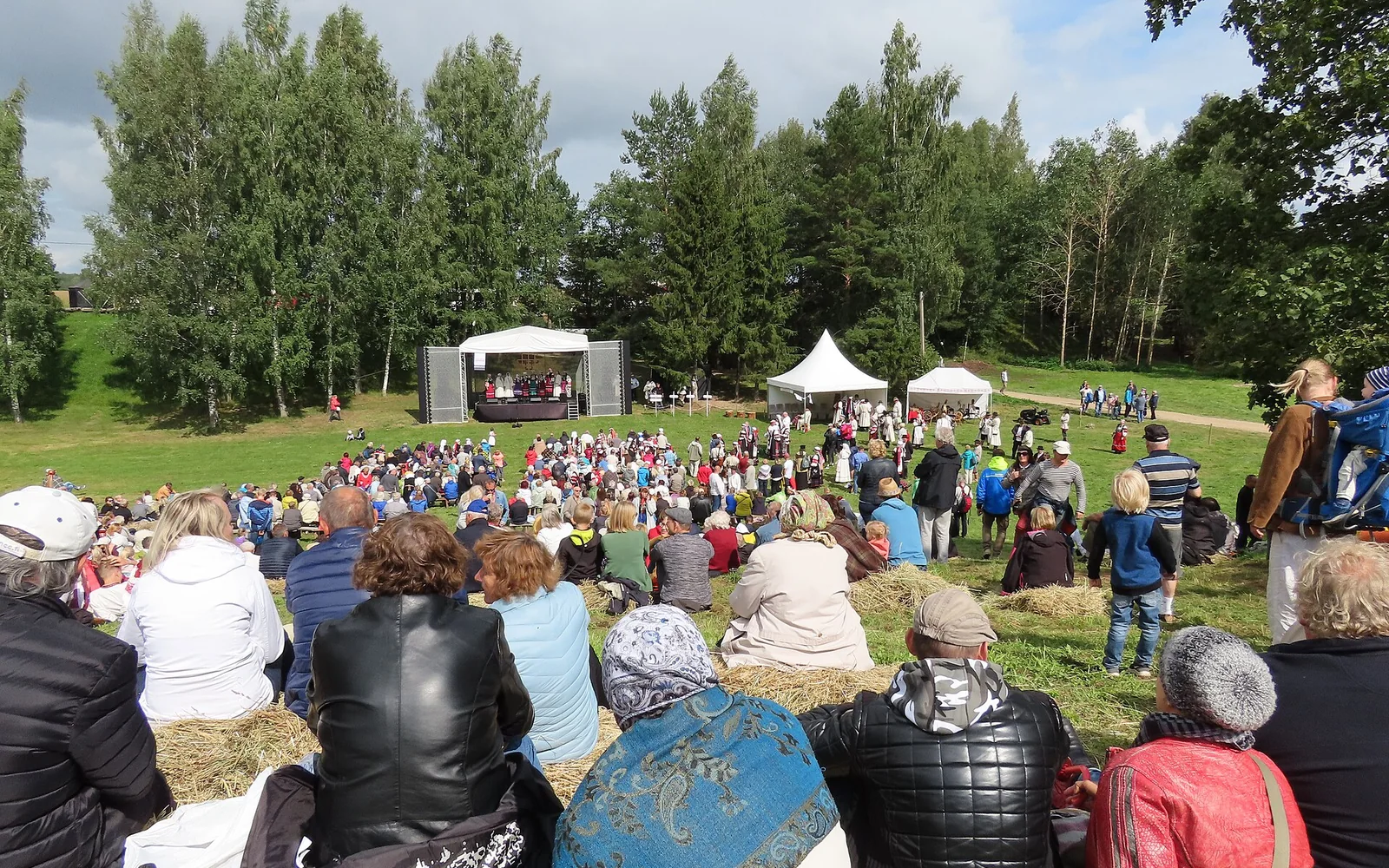
Setomaa
Setomaa is a living cultural region of villages, museums, food traditions and Orthodox heritage beside Estonia’s eastern border.
Open guideBuild a coherent route
Plan by area
Tartu
Use the region’s transport and museum base for the historic centre, riverfront and one major collection.
Viljandi and the west
Castle ruins, lake views and music give Viljandi a distinct city break with onward access toward Soomaa.
Otepää uplands
Lakes, trails and winter facilities suit an active stay whose exact plan depends on current conditions.
Setomaa
Museums, villages and Orthodox heritage require respectful planning and current border-road information.
See the main travel bases
See the main South Estonia bases
Loading the map…
Tartu, Viljandi, Otepää and Setomaa lie in different directions. The map shows why each deserves a separate day or base.
Match the route to your time
What fits into your trip
Tartu and one outing
Give Tartu two days for the centre and a major museum, then choose Viljandi or Otepää for the third. Setomaa needs more transport preparation and should not be compressed into a short final afternoon near the border.
Two southern bases
Stay in Tartu first, then move to Viljandi, Otepää or Värska according to the trip’s main interest. Two bases reduce repeated rural journeys and leave enough time for one outdoor or cultural day to change with conditions.
A broad southern route
Combine Tartu with two smaller areas and keep a spare day for weather, museum hours or a local event. Do not force every corner into the route, because Viljandi and Setomaa sit far apart and deserve different types of visit.
Link the stops sensibly
Routes and day trips
Use Tartu as the gateway, then make one clear move west, south or southeast. Cross-region day loops undermine the slower pace that makes the south worthwhile.
Suggested regional routes
Tartu culture break
Separate the compact centre from a major museum day, using buses for collections outside the oldest streets.
Open destination guideViljandi castle and lake
Walk the castle hills and town on arrival, then use the next morning for the lake or a cultural venue.
Open destination guideOtepää outdoors
Select a lake or named trail and keep the second day flexible for weather or seasonal operating conditions.
Open destination guideSetomaa with context
Use Värska as a base for museums and nearby villages, staying on open Estonian roads and following current border guidance.
Open destination guideRegional day trips
Tartu day trip from Tallinn
A long but straightforward rail day centred on Tartu’s university quarter, riverfront and one major museum.
Wider itineraries
These routes include South Estonia but continue to other parts of Estonia.
Tallinn, Tartu and Pärnu in 7 daysChoose transport by destination
Getting around South Estonia
Trains and coaches make Tartu and Viljandi straightforward. Otepää and Setomaa have more limited services, and rural museums or trails often require a car, taxi or arranged transfer.
Trains
Use rail for Tallinn links to Tartu and Viljandi, checking the actual sequence before combining the two.
Coaches
Coaches connect principal towns, but rural returns and weekend frequency need confirmation.
Driving
Keep each day within one district and follow all road restrictions near the eastern border.
Choose dates that suit the route
When to visit
Late spring through early autumn suits city and rural touring. Festivals can make Viljandi or Setomaa much busier than an ordinary week.
Winter plans around Otepää depend on snow, track operation and road conditions, not the calendar alone.
Read the seasonal guide for EstoniaAvoid common route problems
Planning checks
Keep Tartu in the plan
The city needs real museum time and should not become only a transfer between Tallinn and rural Estonia.
Check small-venue days
Rural museums and workshops may not open daily outside the main season.
Respect border restrictions
Use open Estonian roads in Setomaa and do not include the closed Saatse Boot road.
Quick answers
Questions about South Estonia
How long should I spend in South Estonia?
Five days gives Tartu and one second base enough time.
Can I travel by train?
Rail works for Tartu and Viljandi. Rural areas need buses, a car or transfers.
Which second base should I choose?
Choose Viljandi for culture, Otepää for outdoors or Värska for Setomaa.
Is winter a good time?
Cities remain useful, while outdoor plans require current snow and road checks.
How this guide is checked
Sources and review
Reviewed 3 September 2026, next review due 3 March 2027. Services, access rules and opening arrangements can change, so check the official source before travel.
- Elron timetables, Elron
- Sightseeing in Tartu, City of Tartu
- Setomaa, Estonian Tourist Board
- Official travel information for Estonia, Visit Estonia
- Tartu, Visit Estonia
- Otepää, a winter capital for all seasons, Visit Estonia
- Viljandi, Visit Estonia
Continue through Estonia
Regions that connect naturally
West Estonia
West Estonia brings together Pärnu and Haapsalu with low coastal wetlands, bird migration routes and island connections.
East Estonia
East Estonia combines Narva’s river frontier with Lake Peipus towns, a long Baltic beach and the forests and lakes of Alutaguse.
Continue planning
See more of Estonia
Use the country guide to compare South Estonia with other regions and destinations in Estonia.