
Finland changes sharply by latitude and season, so Helsinki, Lakeland, the archipelago and Lapland need separate monthly expectations.
January to March: When to visit Finland
January: Use southern cities for winter culture or make a fully equipped Lapland trip with cold and limited daylight. Short daylight. Check mountain or site notices.
February: Lapland gains useful light while snow activity remains strong; southern conditions can alternate between snow, ice and thaw. Ice or thaw. Check mountain or site notices.
March: Spring snow and longer northern days support winter travel, while southern cities begin to thaw. Ice or thaw. Check mountain or site notices.
April to June: When to visit Finland
April: The south enters spring, Lapland can retain deep snow, and shoulder-season closures affect rural services. Snow access. Check mountain or site notices.
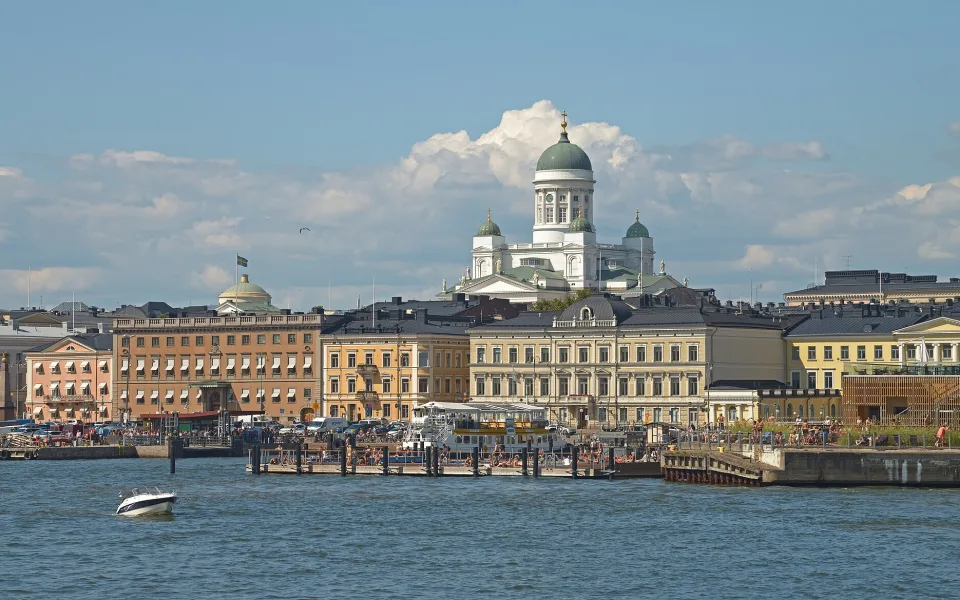
May: Helsinki and southern cities brighten early, while some lake and archipelago services have not reached summer frequency. Dated local conditions. Check local service notices.
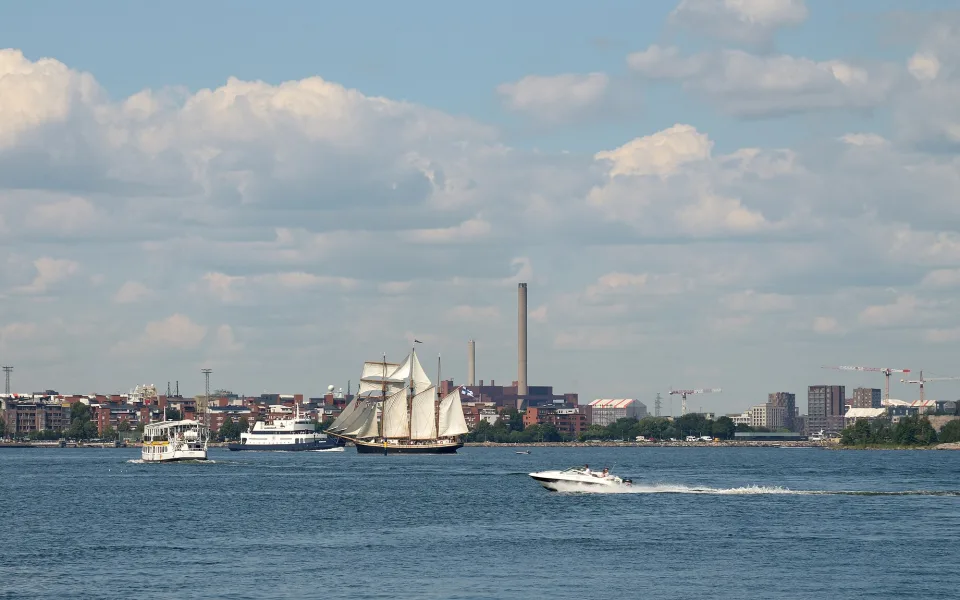
June: Long light, lake navigation and archipelago routes expand, with insects and midsummer closures requiring preparation. Reduced seasonal services. Check local service notices.
July to September: When to visit Finland
July: Peak domestic holidays bring the broadest warm-season operation and strongest room demand. Booking pressure. Check site hours.
August: Lakes and cities remain practical, while darker northern nights return later in the month. Dated local conditions. Check local service notices.
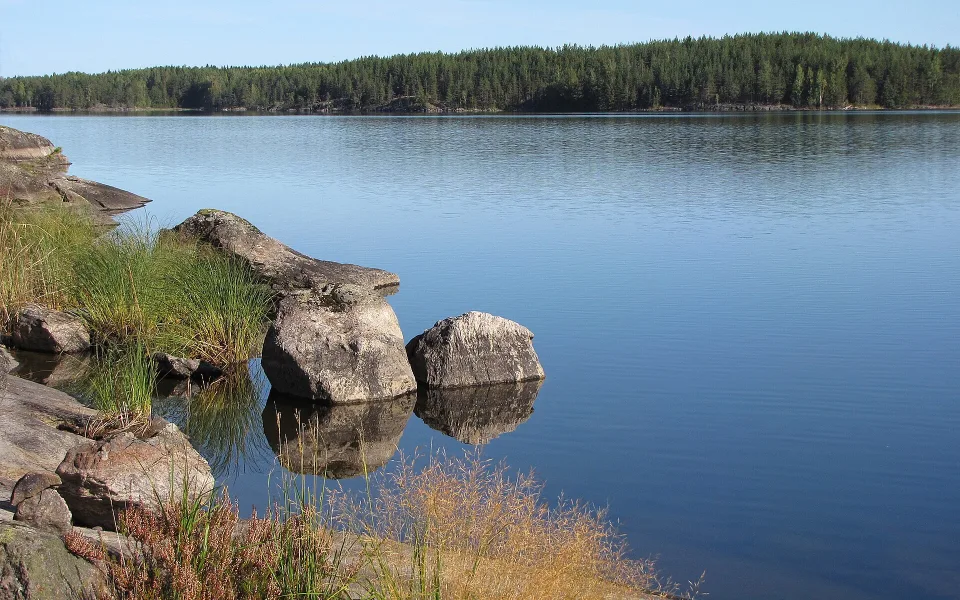
September: Autumn colour supports Lapland and Lakeland walking, with cooler nights and reduced ferry schedules. Dated local conditions. Check coast or ferry notices.
October to December: When to visit Finland
October: Shorter days and shoulder closures favour cities; early northern snow is possible but not guaranteed. Snow access. Check mountain or site notices.
November: Low light, freeze-thaw conditions and unsettled snow make this a difficult transition month outside cities. Short daylight. Check mountain or site notices.
December: Lapland holiday demand is intense and daylight is limited; book transport, rooms and clothing well ahead. Booking pressure. Check site hours.
Use the seasonal guide with a route
Month-by-month guide
| Month | Good for | Main limitations | Crowds | Transport or access |
|---|---|---|---|---|
| January | Use southern cities for winter culture or make a fully equipped Lapland trip with cold and limited daylight. | Short daylight. | Demand is usually manageable outside winter holidays and major events. | Check mountain or site notices. |
| February | Lapland gains useful light while snow activity remains strong; southern conditions can alternate between snow, ice and thaw. | Ice or thaw. | Demand is usually manageable outside winter holidays and major events. | Check mountain or site notices. |
| March | Spring snow and longer northern days support winter travel, while southern cities begin to thaw. | Ice or thaw. | Demand is generally moderate, with local peaks around events and holiday weekends. | Check mountain or site notices. |
| April | The south enters spring, Lapland can retain deep snow, and shoulder-season closures affect rural services. | Snow access. | Demand is generally moderate, with local peaks around events and holiday weekends. | Check mountain or site notices. |
| May | Helsinki and southern cities brighten early, while some lake and archipelago services have not reached summer frequency. | Dated local conditions. | Demand is generally moderate, with local peaks around events and holiday weekends. | Check local service notices. |
| June | Long light, lake navigation and archipelago routes expand, with insects and midsummer closures requiring preparation. | Reduced seasonal services. | Demand often rises where the best weather and fullest transport schedules coincide. | Check local service notices. |
| July | Peak domestic holidays bring the broadest warm-season operation and strongest room demand. | Booking pressure. | Demand is high in the busiest places, so book route-critical rooms and transport early. | Check site hours. |
| August | Lakes and cities remain practical, while darker northern nights return later in the month. | Dated local conditions. | Demand often rises where the best weather and fullest transport schedules coincide. | Check local service notices. |
| September | Autumn colour supports Lapland and Lakeland walking, with cooler nights and reduced ferry schedules. | Dated local conditions. | Demand is generally moderate, with local peaks around events and holiday weekends. | Check coast or ferry notices. |
| October | Shorter days and shoulder closures favour cities; early northern snow is possible but not guaranteed. | Snow access. | Demand is generally moderate, with local peaks around events and holiday weekends. | Check mountain or site notices. |
| November | Low light, freeze-thaw conditions and unsettled snow make this a difficult transition month outside cities. | Short daylight. | Demand is usually manageable outside winter holidays and major events. | Check mountain or site notices. |
| December | Lapland holiday demand is intense and daylight is limited; book transport, rooms and clothing well ahead. | Booking pressure. | Demand is high in the busiest places, so book route-critical rooms and transport early. | Check site hours. |