
Lapland winter is not one uniform block: darkness, cold, snow quality and daylight change quickly from November to April.
January to March: Finnish Lapland winter season
January: Deep winter brings reliable darkness and severe cold, with short daytime activity windows. Short daylight. Check mountain or site notices.
February: More daylight and established snow make a strong all-round winter month, still with extreme-cold risk. Severe cold. Check mountain or site notices.
March: Longer days and spring snow support outdoor activity while dark nights remain possible. Snow access. Check mountain or site notices.
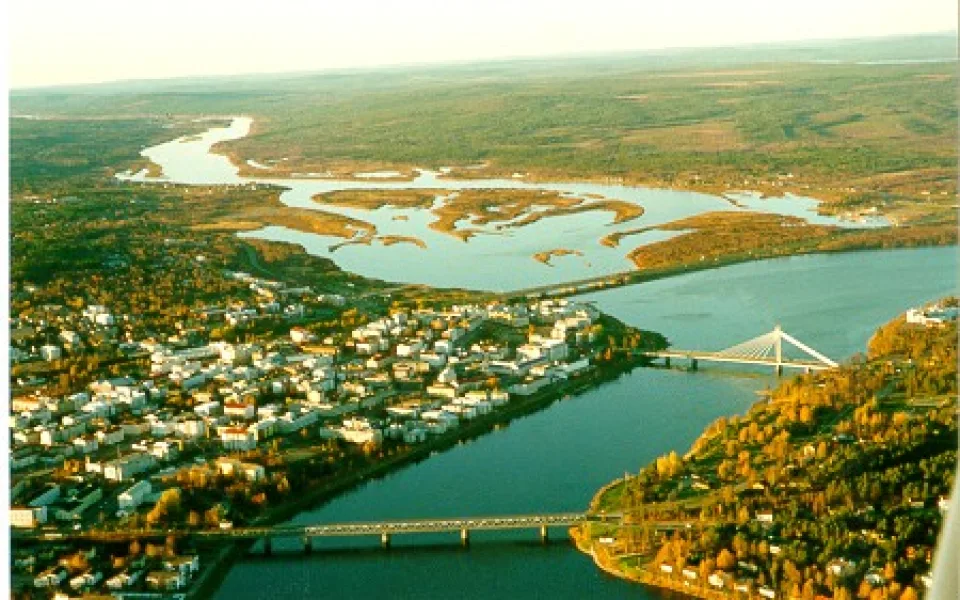
April to June: Finnish Lapland winter season
April: Spring skiing can continue, but thaw and rapidly changing conditions end many deep-winter assumptions. Ice or thaw. Check mountain or site notices.
May: Winter operations close and trails enter a difficult thaw period; do not plan a standard snow holiday. Ice or thaw. Check mountain or site notices.
June: Midnight-sun and summer conditions replace winter, though high or shaded ground can remain wet. Snow access. Check mountain or site notices.
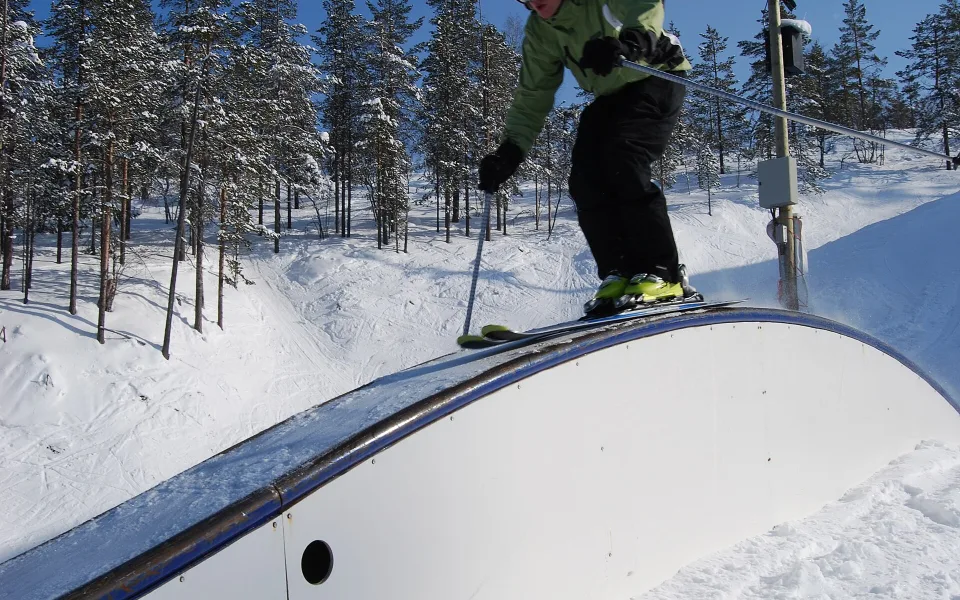
July to September: Finnish Lapland winter season
July: Plan hiking and lake activity, not snow experiences, with insect preparation. Snow access. Check mountain or site notices.
August: Summer hiking continues and nights begin to darken; winter services remain closed. Snow access. Check mountain or site notices.
September: Autumn colour and dark nights support hiking and aurora attempts without dependable snow. Snow access. Check mountain or site notices.
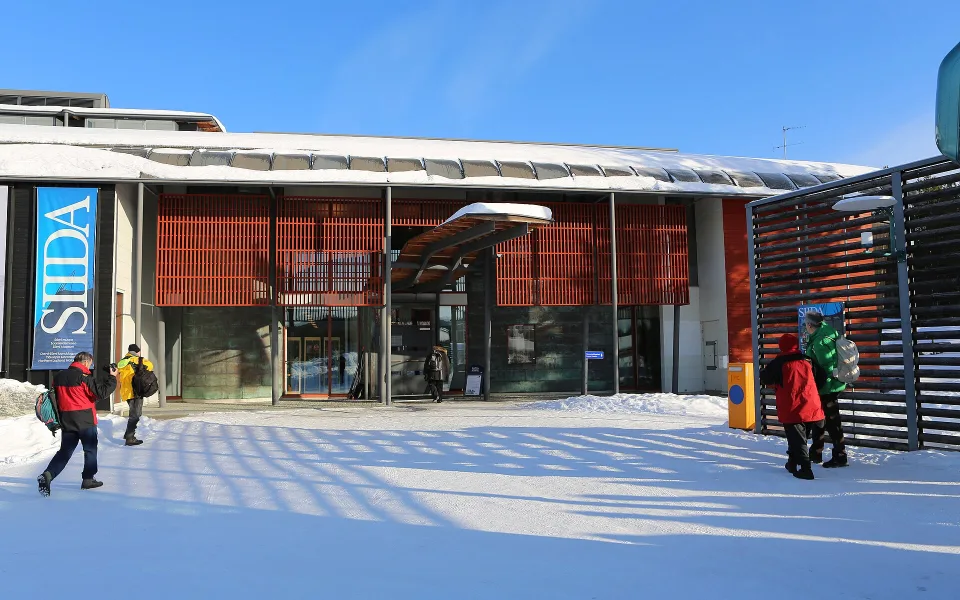
October to December: Finnish Lapland winter season
October: Early snow is possible, but full winter operation and safe surfaces are not guaranteed. Snow access. Check mountain or site notices.
November: Darkness is extensive while snow depth and frozen-water safety can remain unsettled. Ice or thaw. Check mountain or site notices.
December: Holiday operations and deep darkness define the month, with the year’s strongest demand and limited daylight. Short daylight. Check mountain or site notices.
Use the seasonal guide with a route
Month-by-month guide
| Month | Good for | Main limitations | Crowds | Transport or access |
|---|---|---|---|---|
| January | Deep winter brings reliable darkness and severe cold, with short daytime activity windows. | Short daylight. | Demand is usually manageable outside winter holidays and major events. | Check mountain or site notices. |
| February | More daylight and established snow make a strong all-round winter month, still with extreme-cold risk. | Severe cold. | Demand is usually manageable outside winter holidays and major events. | Check mountain or site notices. |
| March | Longer days and spring snow support outdoor activity while dark nights remain possible. | Snow access. | Demand is generally moderate, with local peaks around events and holiday weekends. | Check mountain or site notices. |
| April | Spring skiing can continue, but thaw and rapidly changing conditions end many deep-winter assumptions. | Ice or thaw. | Demand is generally moderate, with local peaks around events and holiday weekends. | Check mountain or site notices. |
| May | Winter operations close and trails enter a difficult thaw period; do not plan a standard snow holiday. | Ice or thaw. | Public holidays and major events can create short periods of heavy demand. | Check mountain or site notices. |
| June | Midnight-sun and summer conditions replace winter, though high or shaded ground can remain wet. | Snow access. | Demand often rises where the best weather and fullest transport schedules coincide. | Check mountain or site notices. |
| July | Plan hiking and lake activity, not snow experiences, with insect preparation. | Snow access. | Demand often rises where the best weather and fullest transport schedules coincide. | Check mountain or site notices. |
| August | Summer hiking continues and nights begin to darken; winter services remain closed. | Snow access. | Demand often rises where the best weather and fullest transport schedules coincide. | Check mountain or site notices. |
| September | Autumn colour and dark nights support hiking and aurora attempts without dependable snow. | Snow access. | Demand is generally moderate, with local peaks around events and holiday weekends. | Check mountain or site notices. |
| October | Early snow is possible, but full winter operation and safe surfaces are not guaranteed. | Snow access. | Demand is generally moderate, with local peaks around events and holiday weekends. | Check mountain or site notices. |
| November | Darkness is extensive while snow depth and frozen-water safety can remain unsettled. | Ice or thaw. | Demand is usually manageable outside winter holidays and major events. | Check mountain or site notices. |
| December | Holiday operations and deep darkness define the month, with the year’s strongest demand and limited daylight. | Short daylight. | Demand is high in the busiest places, so book route-critical rooms and transport early. | Check mountain or site notices. |