
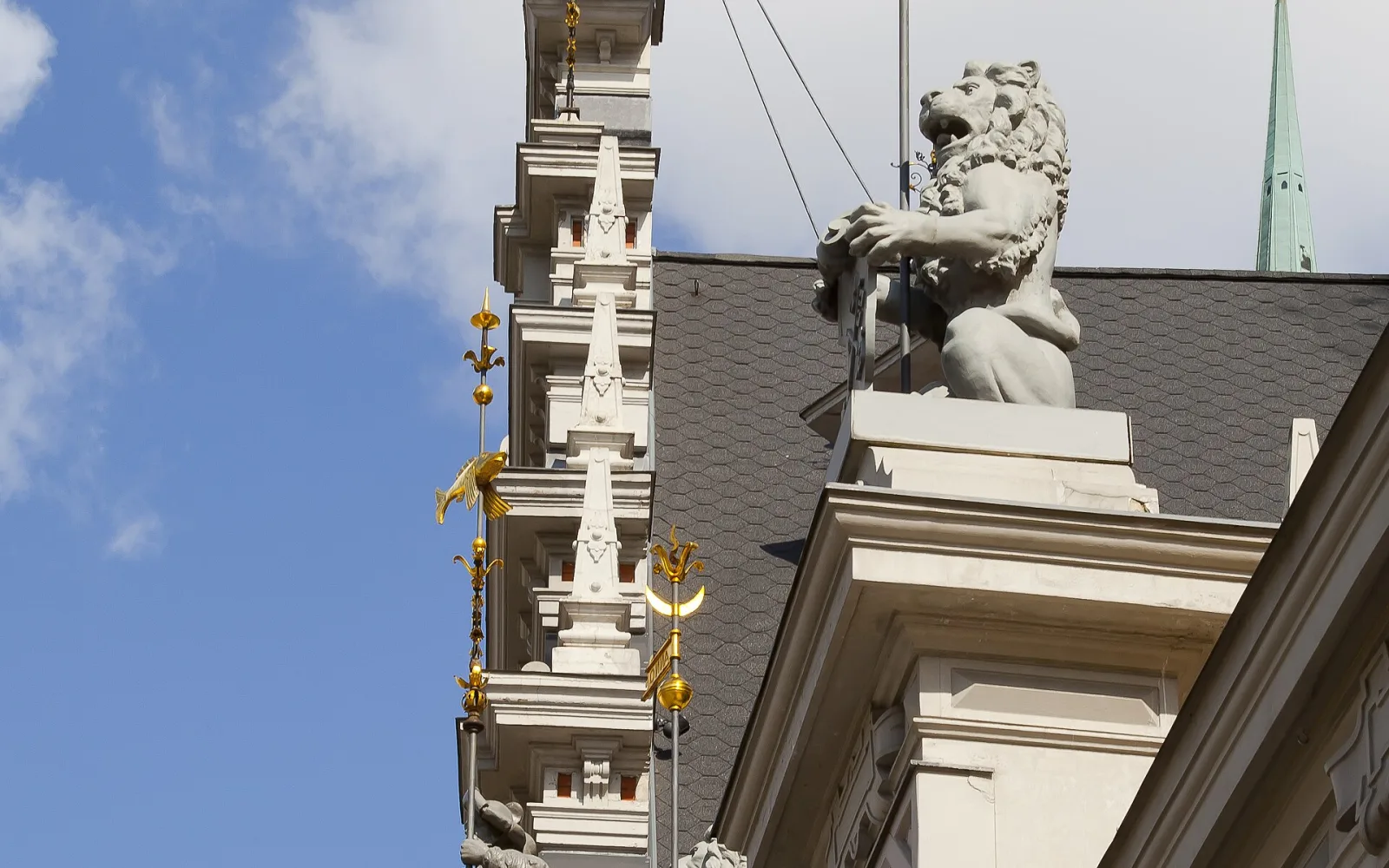
Start with Riga’s compact historic centre, then use the city’s trams and buses to reach the Art Nouveau quarter, quieter districts and the river’s opposite bank. Two focused days cover the essentials; three allow the city to breathe.
Give the historic centre a full day
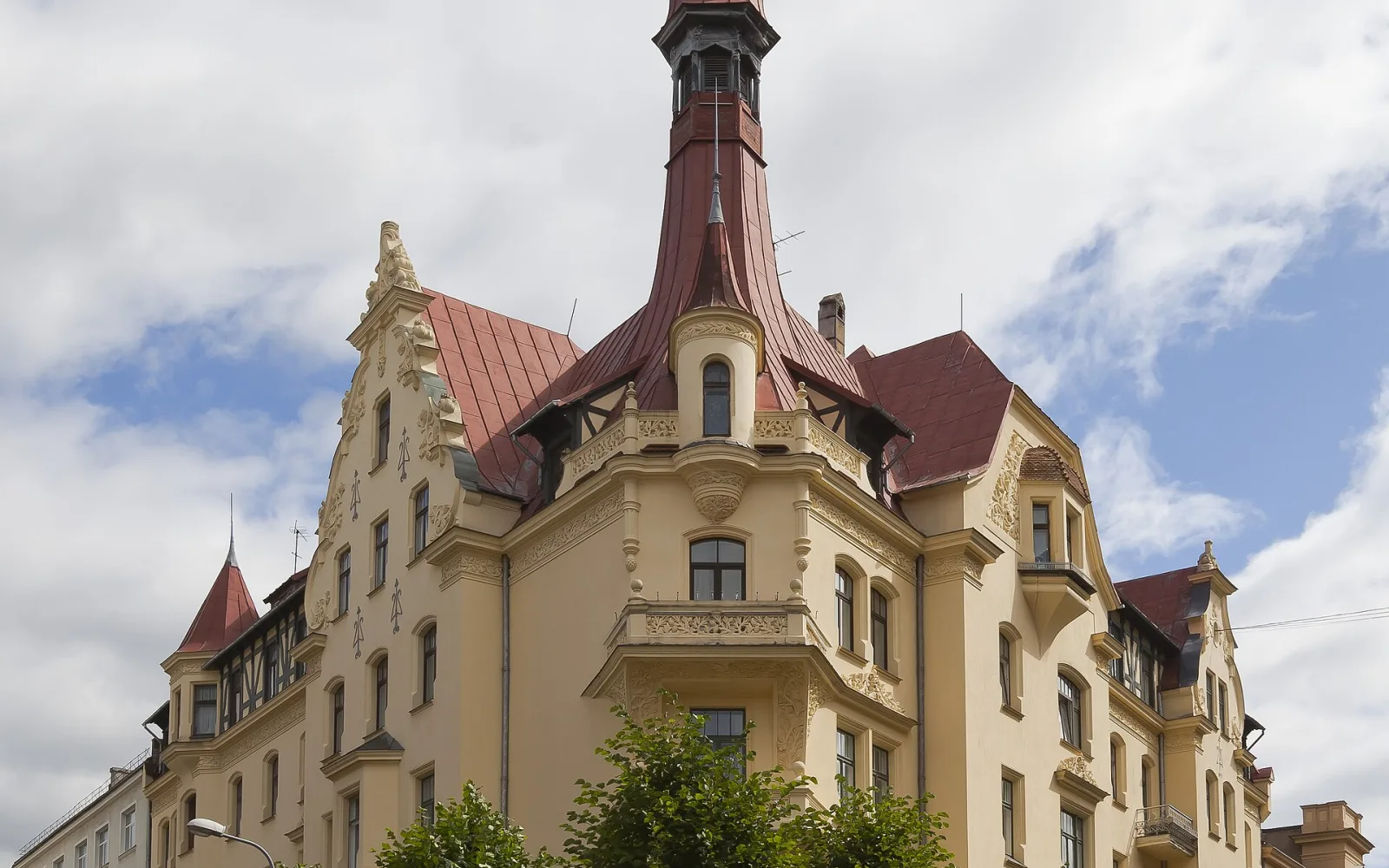
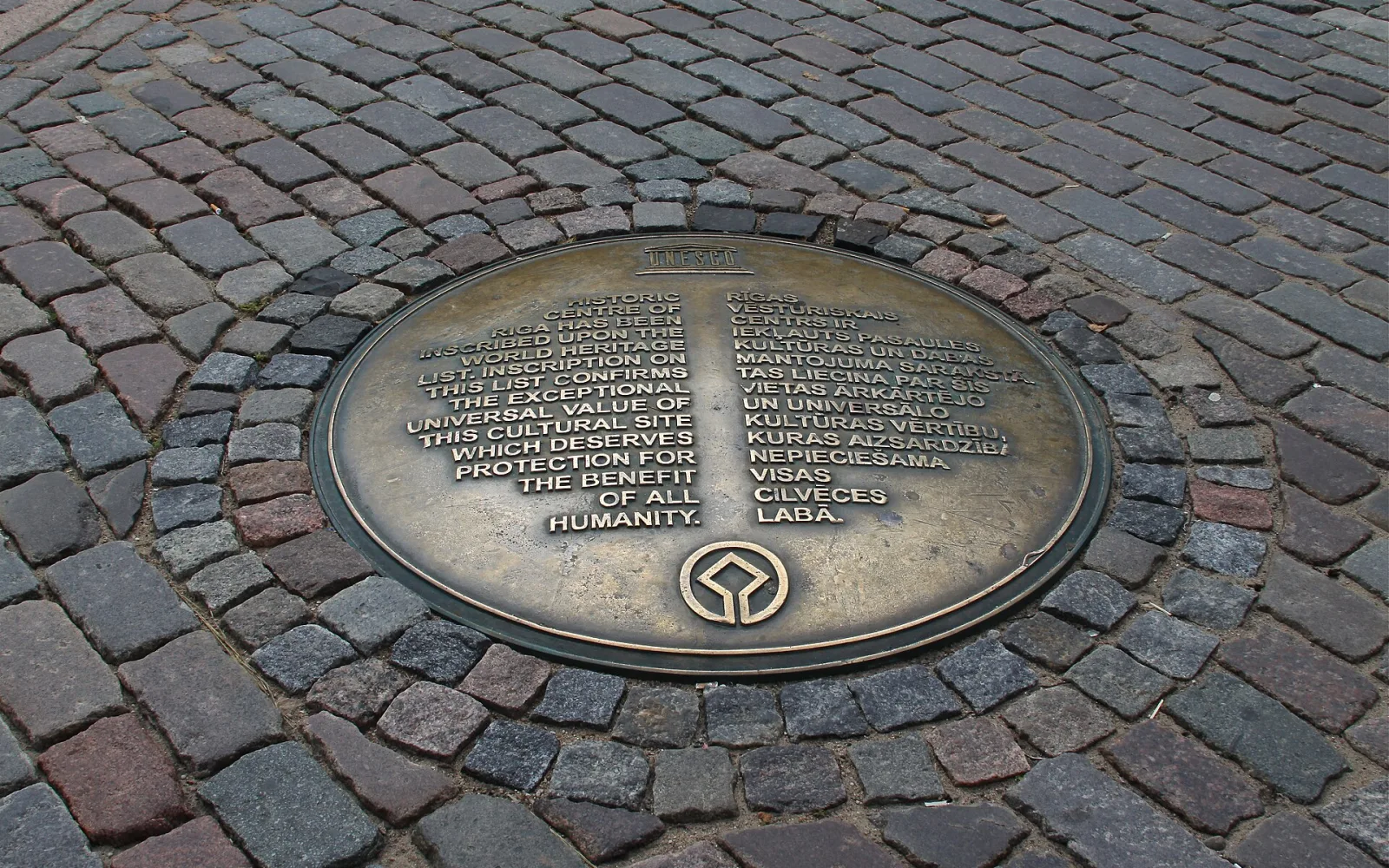
The UNESCO-listed centre includes the medieval street plan, later civic buildings and a substantial Art Nouveau legacy. Walk it in sections, beginning with the Old Town and continuing toward the boulevards rather than crossing the same squares repeatedly.
The House of the Black Heads, cathedral area and city walls explain different periods, but opening hours vary. Choose one or two interiors and leave time for the streets, canal parks and Daugava edge.
See the market and living city
Riga Central Market occupies former Zeppelin hangars beside the bus and rail stations. It is an active food market, so visit with normal market etiquette and look beyond the halls to the surrounding Moscow Forstadt streets.
Across the centre, cafés and museums change the pace of the day. The National Museum of Art, occupation history and Latvian design each need real attention, so pick the subject that matters rather than treating every museum as a short stop.
Use public transport for the outer districts
Trams, buses and trolleybuses extend well beyond the centre. Validate the correct ticket and use the official journey planner for districts such as Āgenskalns, Mežaparks or the open-air museum, where walking from the Old Town is inefficient.
The airport bus and regional transport use different networks. Leave a margin around station works or traffic, and check Vivi separately when continuing to Jūrmala, Sigulda or another Latvian city.
Plan for weather and busy periods
Summer evenings support long walks, outdoor events and riverfront time, but popular weekends can fill central accommodation. Winter is atmospheric and quiet, though ice, wind and limited daylight change the practical shape of a day.
Rain is a reason to switch the order, not abandon the city. Keep an indoor group of museums and market halls ready, then return to the architecture when light and footing improve.
Continue planning in Latvia
Questions about Riga
How long should I spend in Riga?
Two days covers the central highlights. Three days gives time for museums, outer districts or a slower market and neighbourhood day.
Is Riga easy to explore on foot?
The Old Town and central boulevards are walkable. Public transport is useful for Mežaparks, Āgenskalns and other outer areas.
Where should I stay?
Choose the Old Town for immediate sights, or the central districts outside it for quieter nights and easy tram access.
Can I take day trips by train?
Yes. Jūrmala and Sigulda are useful rail trips, but check the current timetable and exact destination station.
Sources and updates
This guide was last reviewed on 3 September 2026. Transport, access and opening arrangements can change, so check the official source before travel.
- Official tourism portal of Latvia, Latvian Tourism Development Agency
- Cities in Latvia, Latvian Tourism Development Agency
- Information for passengers, Vivi
- About Riga, LiveRiga
- Historic Centre of Riga, UNESCO World Heritage Centre
- Routes and timetables, Rīgas satiksme