
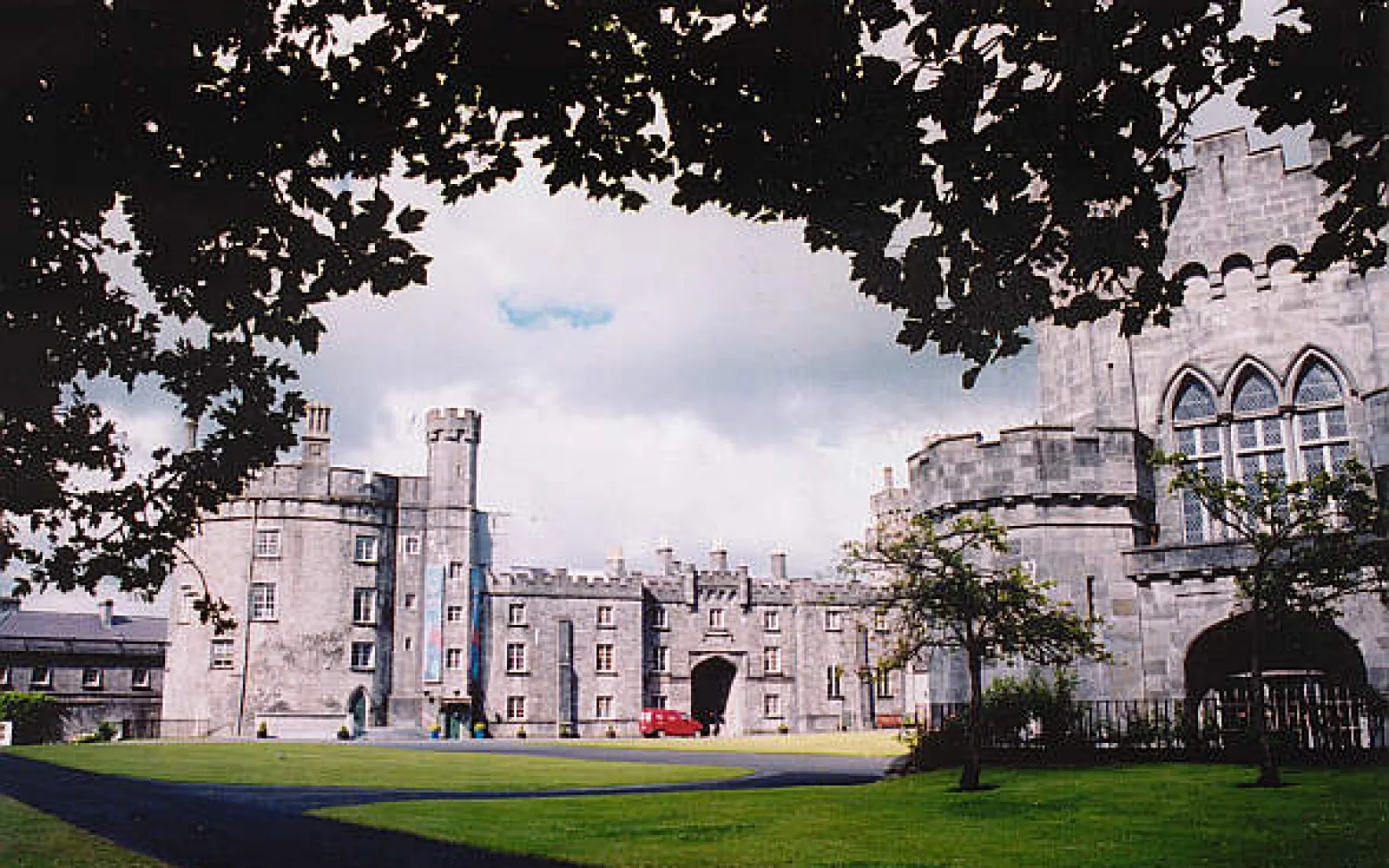
Kilkenny has a compact centre shaped by its castle, medieval lanes, churches and craft traditions. It fits a day trip, but an overnight provides time for a substantial interior visit and a quieter evening.
Understand the shape of the visit
Kilkenny has a compact centre shaped by its castle, medieval lanes, churches and craft traditions. It fits a day trip, but an overnight provides time for a substantial interior visit and a quieter evening.
Two days are enough for the city without padding the schedule. The useful choice is whether Kilkenny acts as a single heritage stop or a base for rural County Kilkenny, which needs separate transport.
Choose a workable base and pace
Kilkenny suits heritage travellers, couples, families and visitors who prefer a smaller city to Dublin.
Allow one full day or two nights for a slower city break.
Stay within walking distance of the medieval core. Outlying accommodation may require taxis for evening meals.
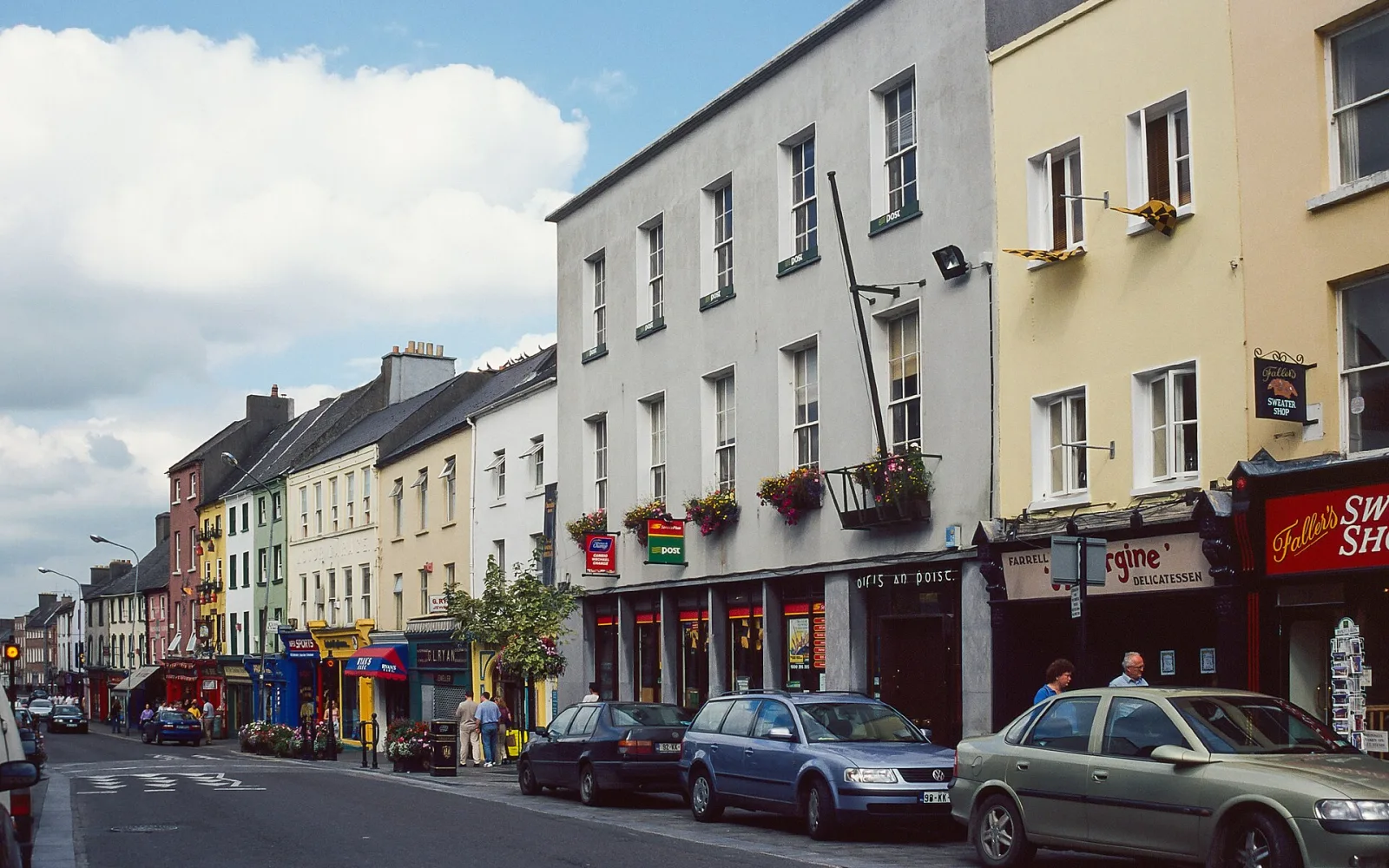
Pair the castle and river, then follow the medieval streets toward the principal churches and craft stops.
Build the days around clear priorities
Give the castle and grounds a proper block.
Use the Medieval Mile as an organising route, not a demand to enter every site.
Check craft studios and food stops for current opening days.
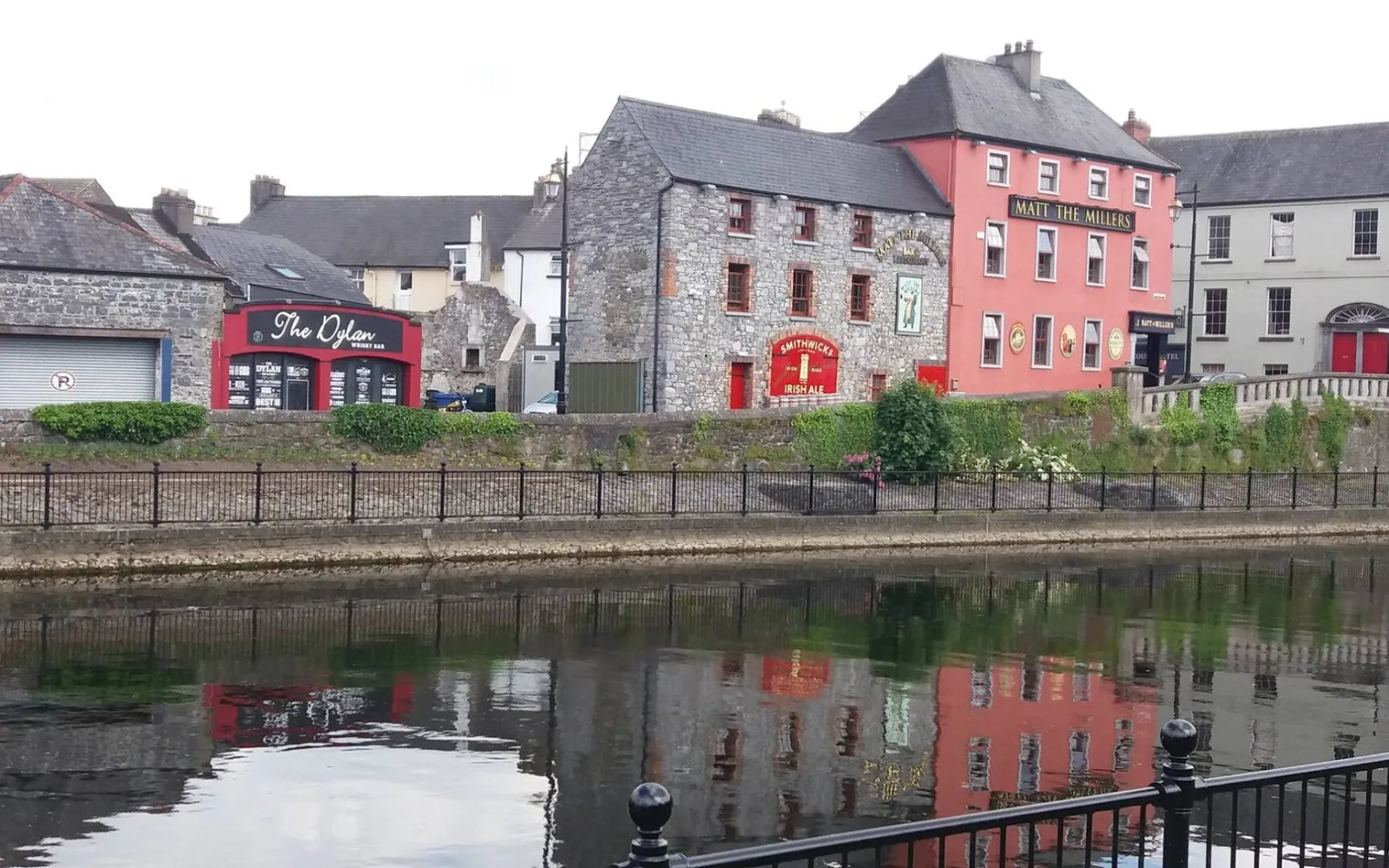
Begin at the castle and river before moving through the core.
Spend the afternoon on selected medieval sites and local craft.
Use a second morning for a museum or relaxed food stop before departure.
Getting there and moving around
Trains and coaches connect Kilkenny with Dublin and other cities, though station location and frequency should be checked.
The core is walkable. Local buses support limited outer journeys.
A car is unnecessary for the city and useful only for a wider county route.
Weather, bookings and practical limits
Spring and autumn suit walking. Summer weekends and festivals increase pressure, while winter supports a compact indoor-led break.
Castle slots, festivals and weekend rooms can fill.
A small centre keeps local transport low, while accommodation and several paid heritage interiors shape the budget.
The compact centre helps, though cobbles, old buildings and castle areas vary. Check individual access.
Do not schedule every medieval interior or assume rural county attractions are walkable from the centre.
Continue planning
Questions about Kilkenny
How much time is useful in Kilkenny?
Allow one full day or two nights for a slower city break.
Where should I base myself for Kilkenny?
Stay within walking distance of the medieval core. Outlying accommodation may require taxis for evening meals.
Is a car useful for Kilkenny?
A car is unnecessary for the city and useful only for a wider county route.
Daily planning ranges
Travel costs in Kilkenny
These planning ranges are per person, per day and assume two people sharing a room. They are not live quotes.
Standard daily breakdown
- Accommodation
- €78 to €145
- Food
- €36 to €58
- Local transport
- €6 to €16
- Activities
- €22 to €45
What the range assumes: Per person, per day, based on two people sharing a practical double or twin room. The standard range includes ordinary local transport, a mix of casual and mid-range meals, and one paid visitor activity.
Seasonal note: Festival weekends and central heritage demand are the main seasonal variables.
Not included: International and intercity travel, car hire, travel insurance, shopping, nightlife and exceptional event premiums are excluded.
Price basis 29 August 2026, reviewed 29 August 2026, next review due 28 February 2027.
Cost sources
- Transport for Ireland journey and fare information, www.transportforireland.ie
- Current travel cost research for kilkenny, Numbeo
Sources and updates
This guide was last reviewed on 3 September 2026. Transport, access and opening arrangements can change, so check the official source before travel.
- Official Ireland destination directory, Fáilte Ireland
- Official visitor travel information, Transport for Ireland
- National public transport journey planner, Transport for Ireland
- Official Irish heritage sites, Office of Public Works
- Official Kilkenny visitor information, Visit Kilkenny