
Dublin is compact at its historic core but spreads along the bay and across neighbourhoods with different character. A useful visit balances central museums and streets with one coastal or suburban block instead of crossing the city repeatedly.
Understand the shape of the visit
Dublin is compact at its historic core but spreads along the bay and across neighbourhoods with different character. A useful visit balances central museums and streets with one coastal or suburban block instead of crossing the city repeatedly.
Three days cover the core with measured museum time. A fourth allows Howth, Dún Laoghaire or another DART outing, while Wicklow and the Boyne Valley deserve full, separately planned days.
Choose a workable base and pace
Dublin suits museum visitors, literary travellers, nightlife, families and short breaks without a car. Accommodation prices can challenge budget trips.
Allow three full days, or four nights when adding a coastal rail outing.
Central southside areas suit walking, northside bases can offer value, and a stay near a useful rail or tram stop may reduce cost without losing time.
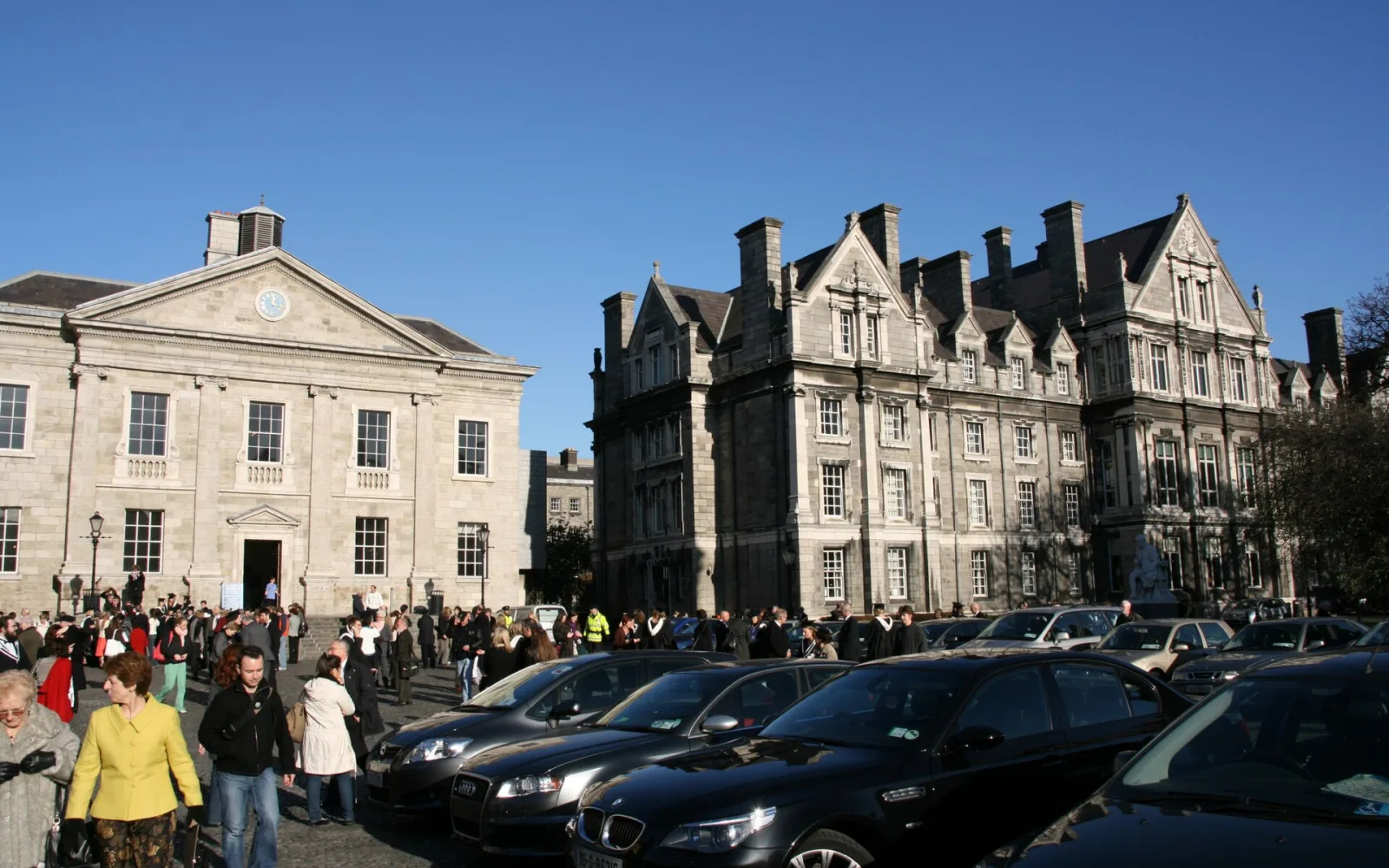
Keep Trinity and the Georgian core together, group the western historic area, and use a separate DART day for the coast.
Build the days around clear priorities
Book the few timed, high-demand attractions that matter to the group.
Use free national museums as substantial visits rather than brief fillers.
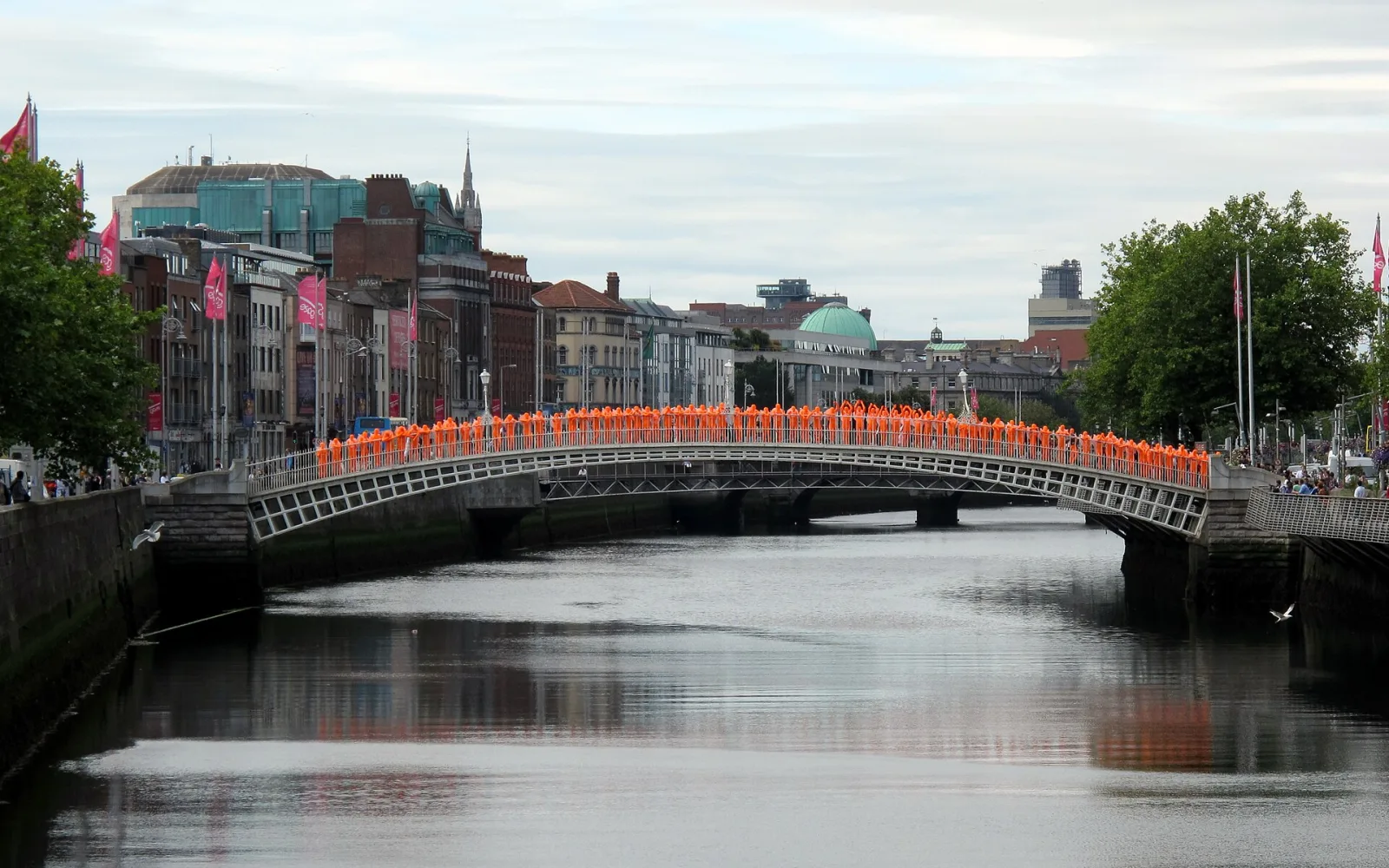
Walk the river and Georgian areas with a neighbourhood route, not a landmark zigzag.
Begin with the central historic and university area, then stay nearby for the evening.
Use day two for national museums and Georgian streets.
Choose the western historic district or a DART coast outing for day three according to weather.
Getting there and moving around
The airport is linked by bus and coach. Intercity trains use more than one Dublin station, so check the correct departure point.
Bus, Luas, DART and commuter rail cover the city. Visitor and standard Leap products have different validity.
A car is unnecessary and inconvenient in central Dublin. Collect one only when leaving for a rural itinerary.
Weather, bookings and practical limits
The city works year-round. Spring and autumn suit walking, summer raises demand, and winter favours museums and performances.
Rooms, major events and famous attractions can fill well ahead, especially on weekends.
Accommodation is the main pressure, followed by restaurant meals and ticketed attractions. Public transport caps can help eligible journeys.
Modern transport and museums provide options, but historic streets and buildings vary. Check station lift status and venue access.
Do not pick up a hire car in the centre, confuse rail stations, or schedule two regional day trips into one short stay.
Continue planning
Questions about Dublin
How much time is useful in Dublin?
Allow three full days, or four nights when adding a coastal rail outing.
Where should I base myself for Dublin?
Central southside areas suit walking, northside bases can offer value, and a stay near a useful rail or tram stop may reduce cost without losing time.
Is a car useful for Dublin?
A car is unnecessary and inconvenient in central Dublin. Collect one only when leaving for a rural itinerary.
Daily planning ranges
Travel costs in Dublin
These planning ranges are per person, per day and assume two people sharing a room. They are not live quotes.
Standard daily breakdown
- Accommodation
- €110 to €220
- Food
- €42 to €68
- Local transport
- €7 to €18
- Activities
- €28 to €55
What the range assumes: Per person, per day, based on two people sharing a practical double or twin room. The standard range includes ordinary local transport, a mix of casual and mid-range meals, and one paid visitor activity.
Seasonal note: Accommodation is highly date-sensitive around events and throughout the main visitor season.
Not included: International and intercity travel, car hire, travel insurance, shopping, nightlife and exceptional event premiums are excluded.
Price basis 29 August 2026, reviewed 29 August 2026, next review due 28 February 2027.
Cost sources
- Official visitor travel information, Transport for Ireland
- Current travel cost research for dublin, Numbeo
Sources and updates
This guide was last reviewed on 3 September 2026. Transport, access and opening arrangements can change, so check the official source before travel.
- Official Ireland destination directory, Fáilte Ireland
- Official visitor travel information, Transport for Ireland
- National public transport journey planner, Transport for Ireland
- Official Irish Rail journey information, Iarnród Éireann
- Official Dublin visitor information, Fáilte Ireland