
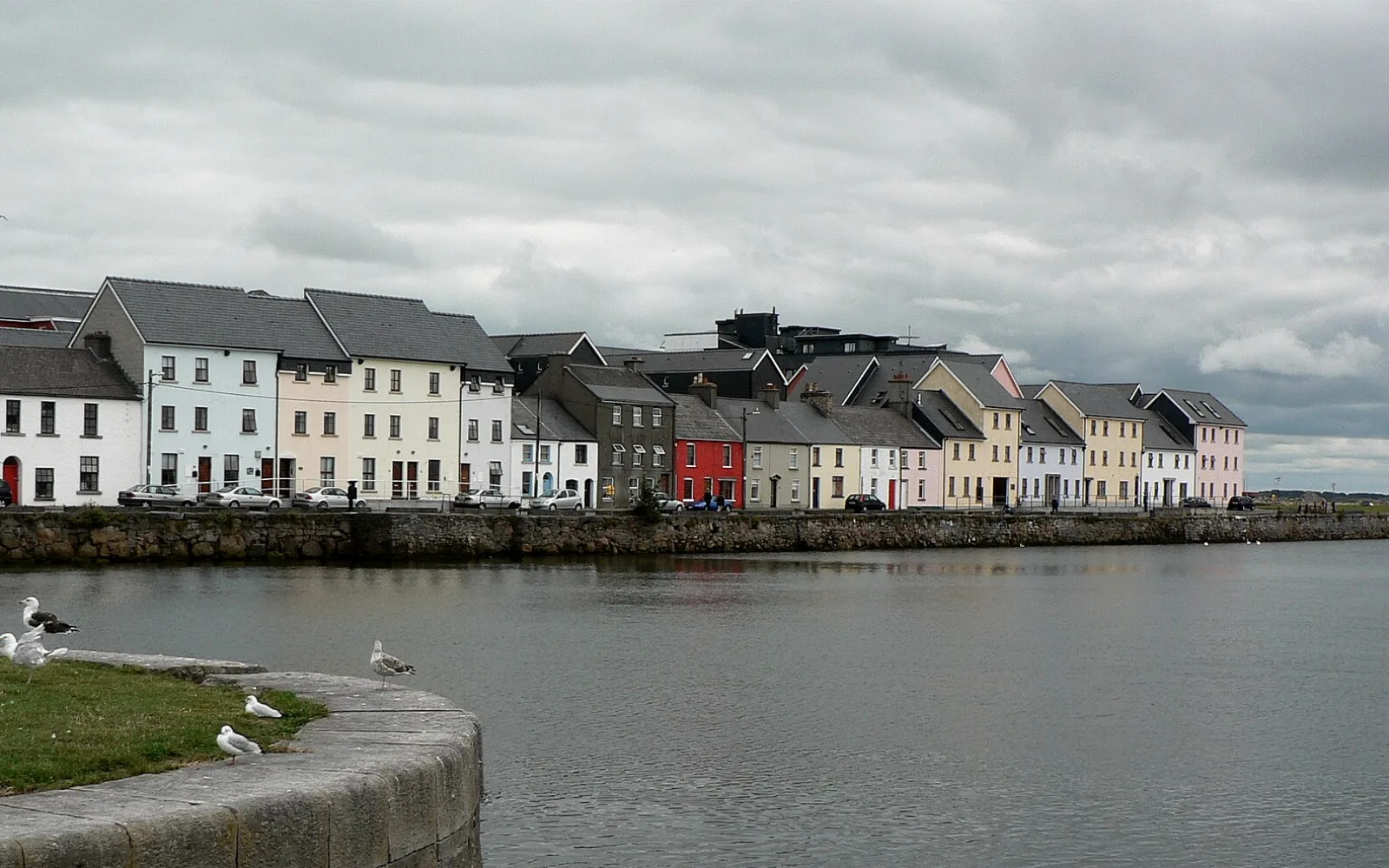
Galway is a compact Atlantic city with a busy centre, university energy and a long connection to the bay. Its scale makes walking easy, but high demand and its role as an excursion base can make the visit feel hurried.
Plan Galway city before the western day trips
Two days give the city an evening and a slower bay-side block. Add separate days for Connemara or the Aran Islands, avoiding an island ferry on the same day as a fixed cross-country transfer.
Choose a workable base and pace
Galway suits food and music travellers, couples, car-free visitors and people beginning a western itinerary.
Allow two nights for the city or four nights with one or two regional day trips.
The centre is convenient but noisy and costly. Salthill offers bay access, while station-area stays help early tours and buses.
Keep the compact centre and museum together, use a separate walk for Claddagh and Salthill, and reserve full days for outlying regions.
Build the days around clear priorities
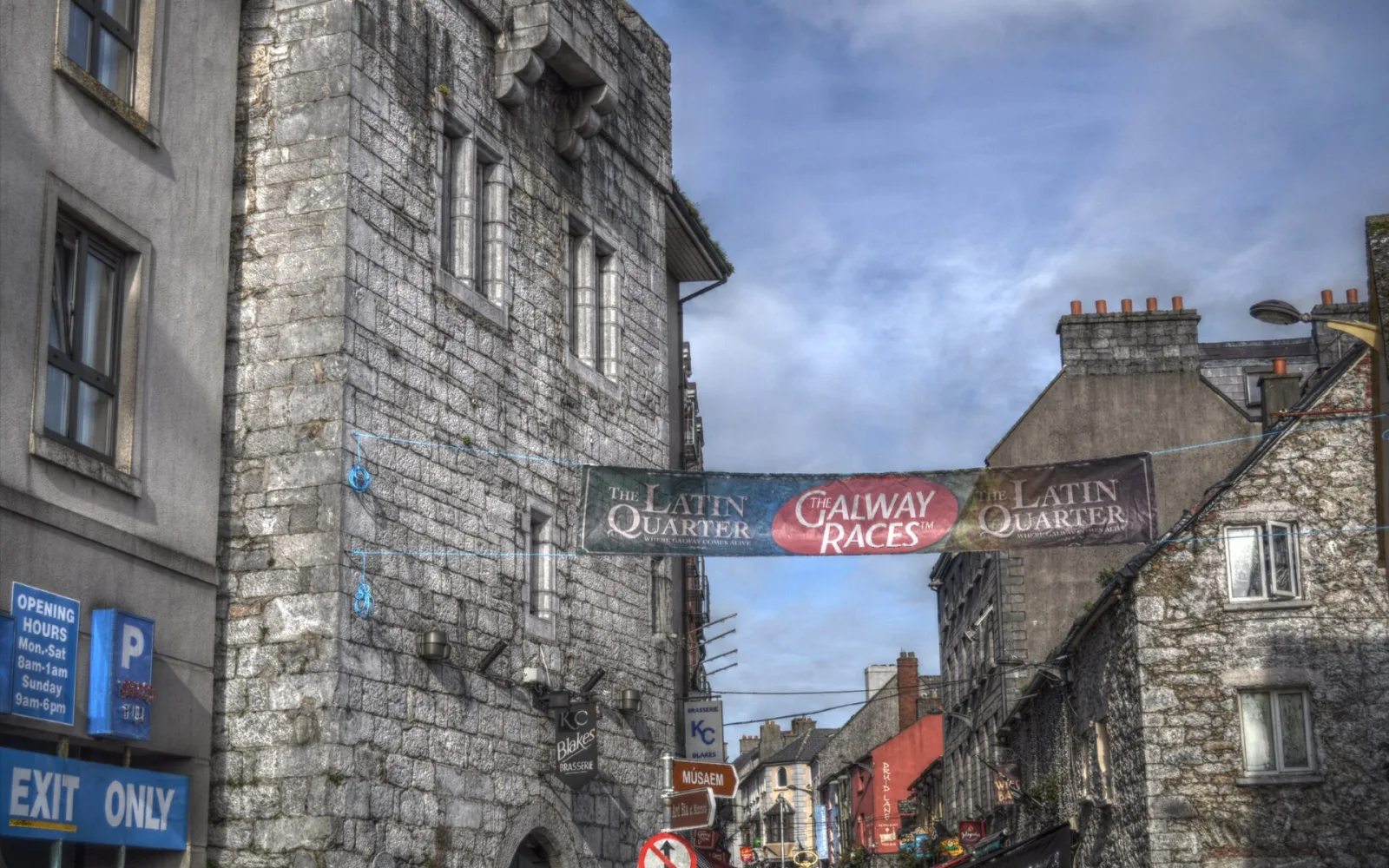
Walk the centre early before excursion traffic builds.
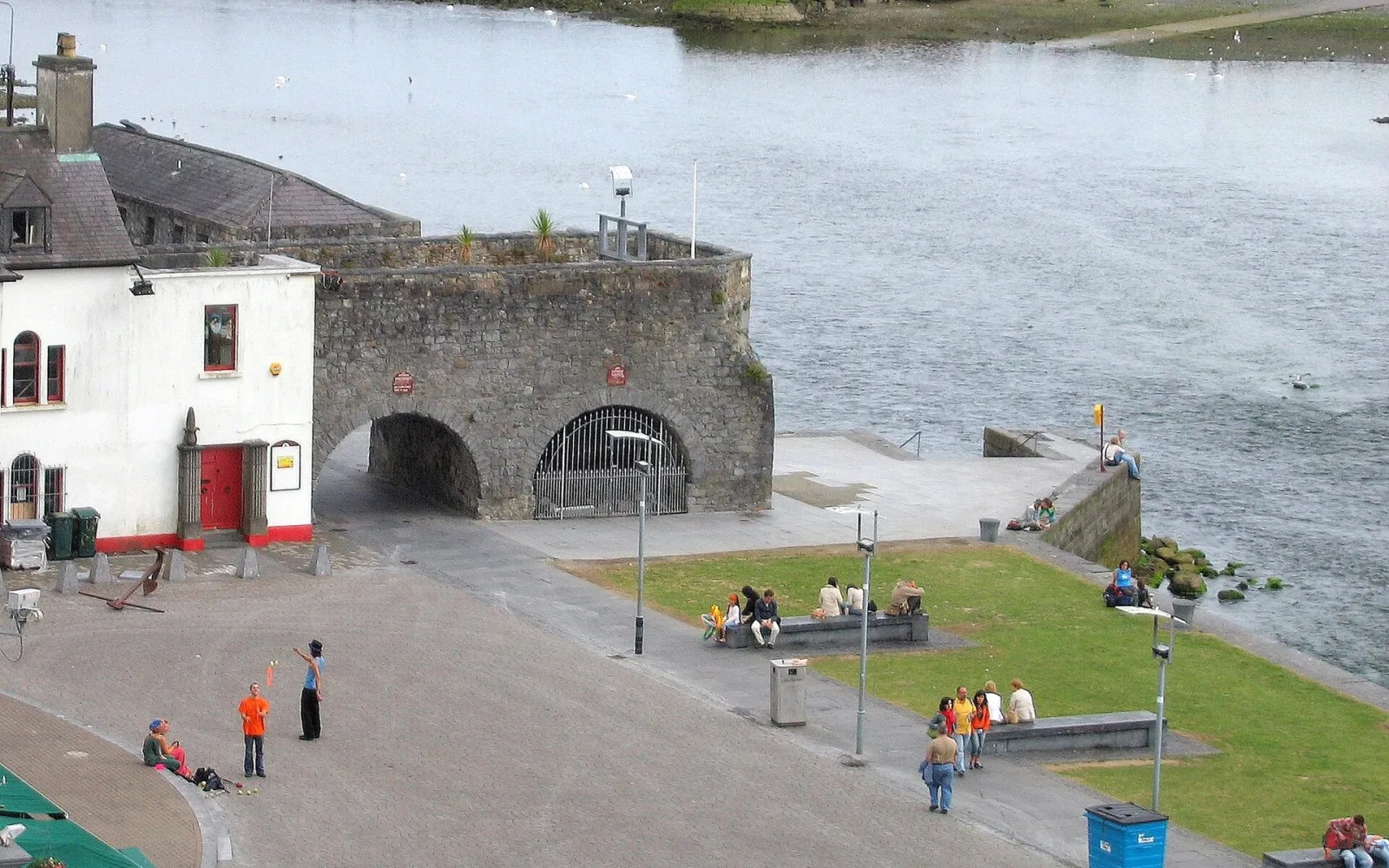
Use the city museum and waterfront to understand Galway Bay.
Check current music listings rather than promising a session at a particular venue.
Explore the centre, market streets and riverside after arrival.
Walk through Claddagh toward Salthill and return for a planned evening.
Use a third day for Connemara or Aran Islands, selected by forecast and transport.
Getting there and moving around
Direct trains and coaches connect Galway with Dublin, with bus links from other cities.
The core is walkable. Buses serve outer areas, while regional tours and public routes follow different schedules.
A car is unnecessary in the city and useful for a flexible Connemara route after leaving the centre.
Weather, bookings and practical limits
Late spring and early autumn balance daylight and demand. Festivals and summer weekends can make the city very busy.
Central rooms, festival dates, island ferries and popular restaurants need early attention.
Accommodation is the largest variable. Excursions, ferry tickets and restaurant meals can quickly raise the daily total.
The centre is relatively compact, though paving and crowds vary. Coastal and island trips need operator-specific checks.
Do not use Galway only as a dormitory for daily tours or book an island day immediately before a fixed departure.
Continue planning
Questions about Galway
How much time is useful in Galway?
Allow two nights for the city or four nights with one or two regional day trips.
Where should I base myself for Galway?
The centre is convenient but noisy and costly. Salthill offers bay access, while station-area stays help early tours and buses.
Is a car useful for Galway?
A car is unnecessary in the city and useful for a flexible Connemara route after leaving the centre.
Daily planning ranges
Travel costs in Galway
These planning ranges are per person, per day and assume two people sharing a room. They are not live quotes.
Standard daily breakdown
- Accommodation
- €100 to €195
- Food
- €40 to €65
- Local transport
- €7 to €18
- Activities
- €25 to €52
What the range assumes: Per person, per day, based on two people sharing a practical double or twin room. The standard range includes ordinary local transport, a mix of casual and mid-range meals, and one paid visitor activity.
Seasonal note: Festivals, summer weekends and limited central supply produce the largest premiums.
Not included: International and intercity travel, car hire, travel insurance, shopping, nightlife and exceptional event premiums are excluded.
Price basis 29 August 2026, reviewed 29 August 2026, next review due 28 February 2027.
Cost sources
- Transport for Ireland journey and fare information, www.transportforireland.ie
- Current travel cost research for galway, Numbeo
Sources and updates
This guide was last reviewed on 3 September 2026. Transport, access and opening arrangements can change, so check the official source before travel.
- Official Ireland destination directory, Fáilte Ireland
- Official visitor travel information, Transport for Ireland
- National public transport journey planner, Transport for Ireland
- Official Galway visitor information, Visit Galway