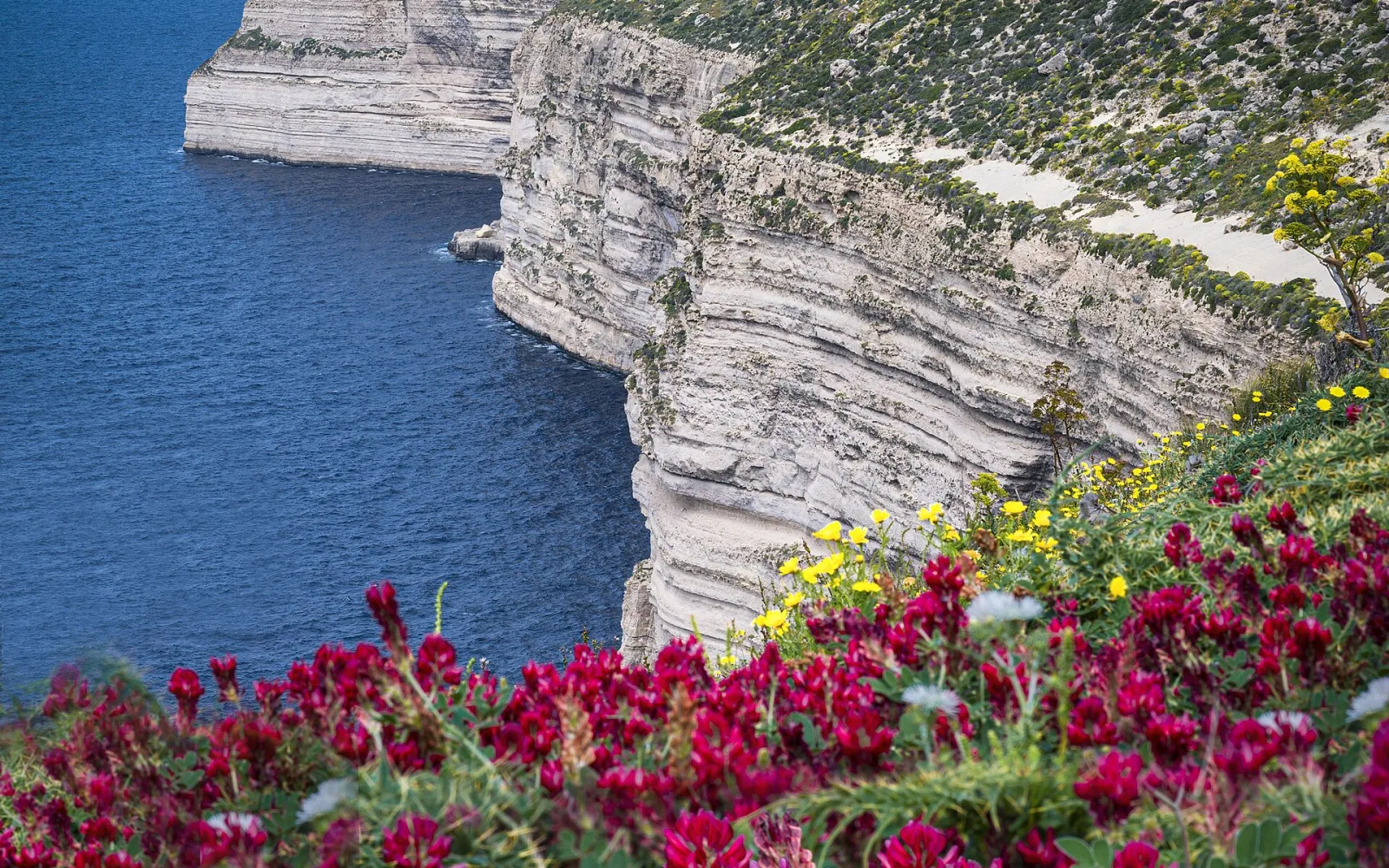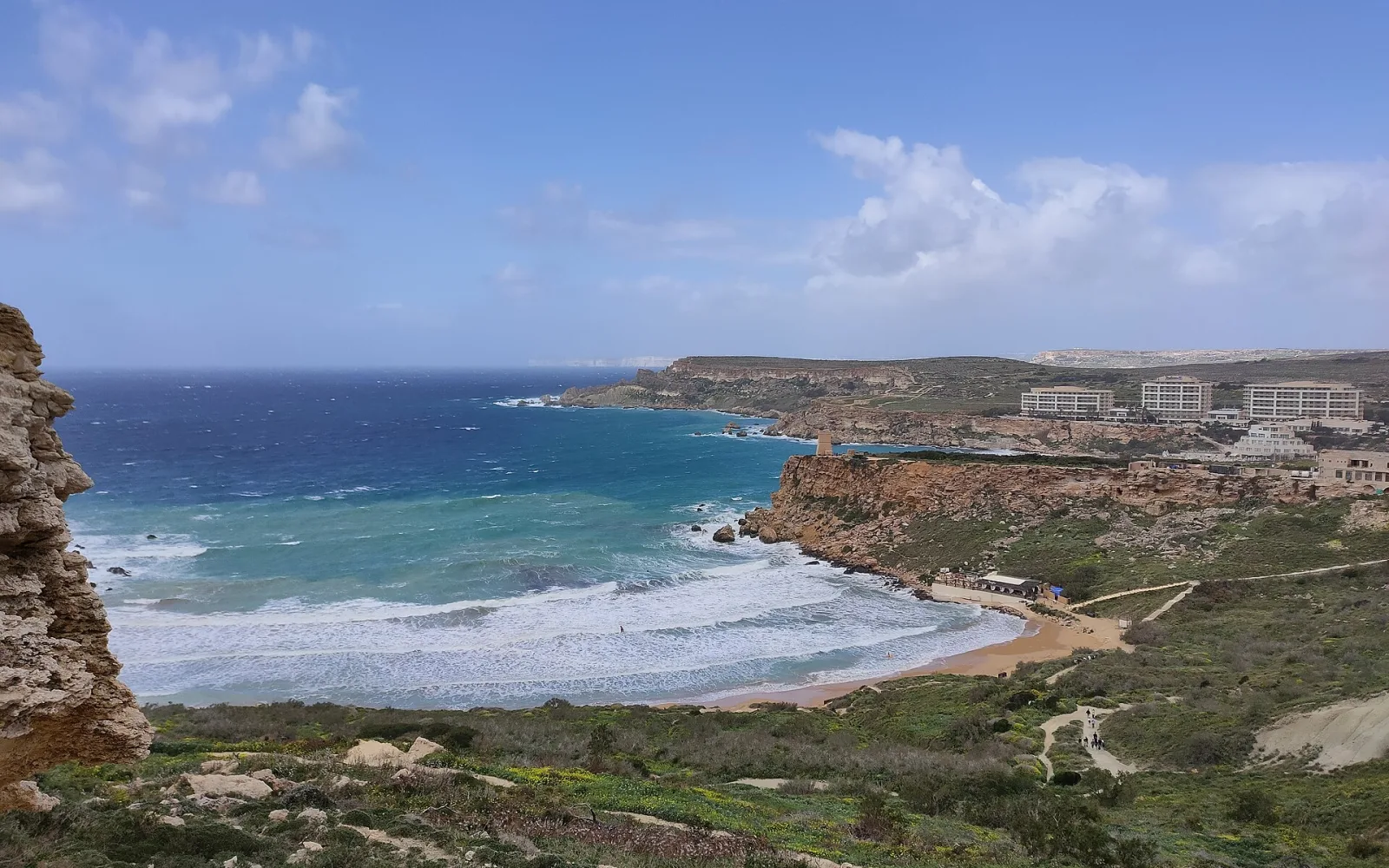
The two temple groups belong to one visit but are not beside each other. A sloping outdoor path crosses the archaeological park between them, with broad views toward the sea and Filfla.
Visit both temple groups at a useful pace
Ħaġar Qim sits close to the visitor centre, while Mnajdra lies farther downhill toward the sea. Read the interpretation before moving quickly between the structures. The distance and return climb make the combined visit more substantial than a single monument stop.
Prepare for an exposed landscape
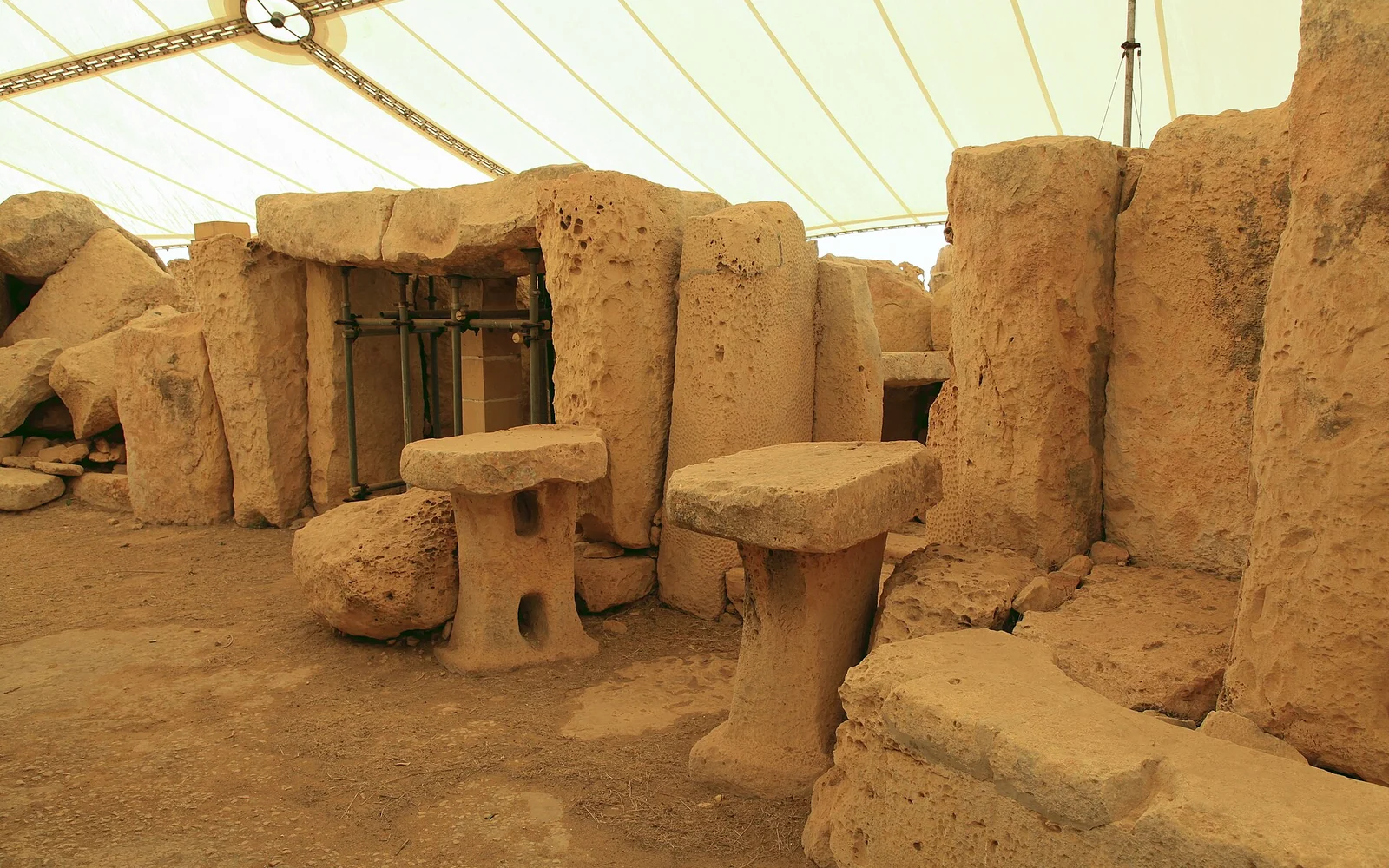
Protective canopies cover parts of the temples, but the connecting route remains open to sun and wind. Carry water, use suitable footwear and avoid the strongest heat when possible. Weather can make the outdoor section less comfortable even when the site remains open.
Use current Heritage Malta details
Opening times, admission arrangements and conservation access can change. Check the official site before travel rather than repeating an old price or schedule. The archaeological park is the authority for any temporary route closure or visitor restriction.
Keep the surrounding coast secondary
The park’s views and nearby Blue Grotto area can suggest a larger south-coast day. Add another stop only after allowing enough time for both temple groups and transport. Boat activity at the coast is conditional on sea conditions and should not be presented as guaranteed.
Related Malta guides
Questions about Ħaġar Qim and Mnajdra
Are Ħaġar Qim and Mnajdra at the same site?
They share one archaeological park, but a downhill outdoor path separates the two temple groups.
How long should I allow?
Allow at least two or three hours for the visitor centre, both complexes and the walk between them.
Is the whole visit indoors?
No. Much of the route is outdoors and exposed, even though protective shelters cover the temple remains.
Sources and updates
This guide was last reviewed on 3 September 2026. Transport, access and opening arrangements can change, so check the official source before travel.
- Megalithic Temples of Malta, UNESCO World Heritage Centre
- Museums and historic sites in Malta, Heritage Malta
- Ħaġar Qim and Mnajdra visitor leaflet, Heritage Malta
Nearby places to consider
These guides can help you place Ħaġar Qim and Mnajdra within a wider route.