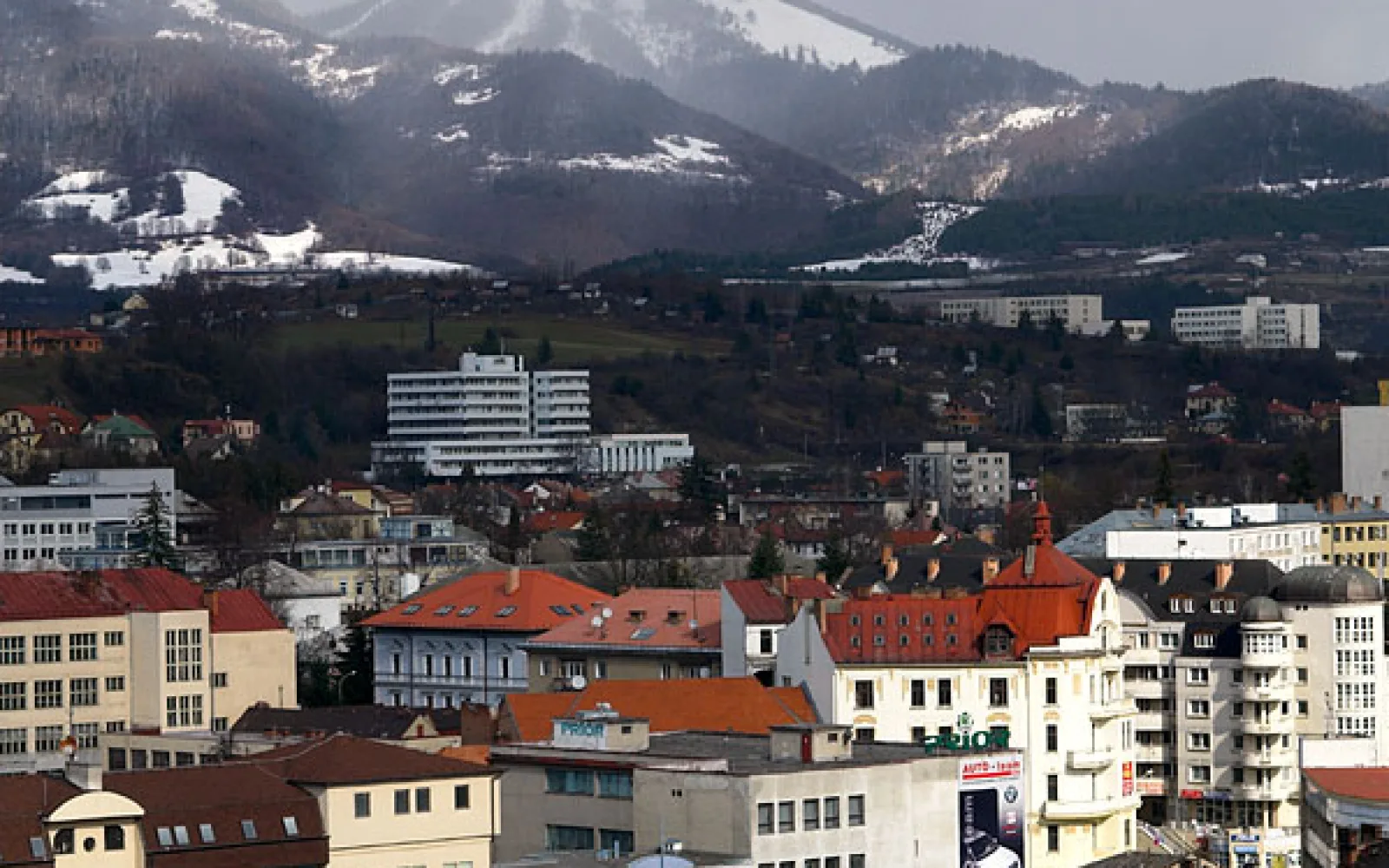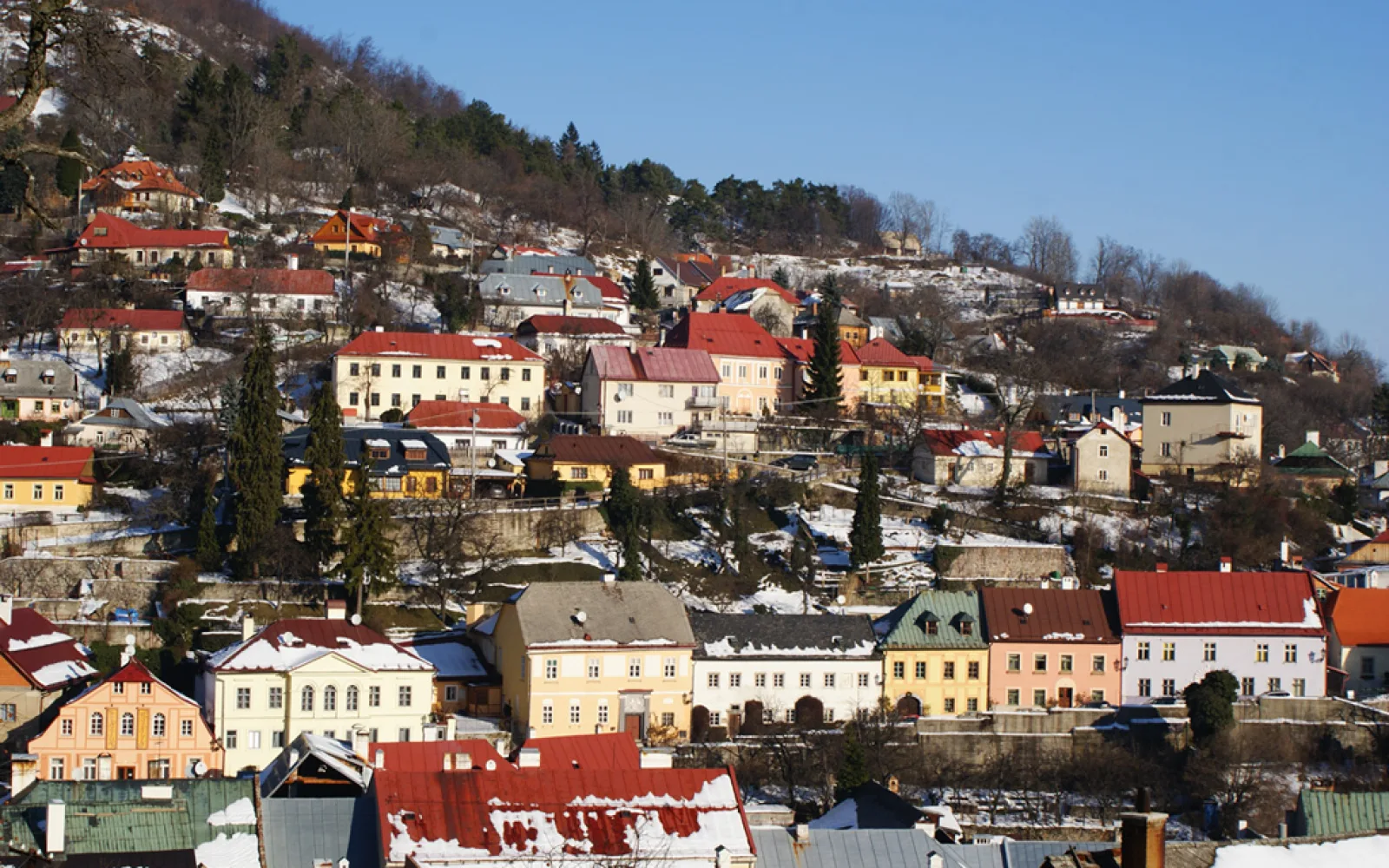
An overnight stay gives the centre and one mining or reservoir visit enough space, while also reducing pressure from slower regional connections.
Understand the mining landscape
The old town’s wealth and street pattern grew from mining, while the tajchy reservoir system supported the wider industry. Treat the centre and surrounding water landscape as connected history.
Choose one museum or underground visit according to current opening and physical access. Underground routes can be cool, confined and unsuitable for some visitors.
Walk at the town’s pace
Slopes separate the main square, Calvary and other sights more than the map suggests. Comfortable footwear and a limited daily route matter here.
A reservoir walk or Calvary visit deserves its own block of time. Do not combine distant edges of the town simply because each appears close to the centre.
Account for the final connection
Regional buses are often more useful than the small local rail branch for a through journey. Compare the complete route from the previous city and keep transfer time realistic.
Driving opens the surrounding landscape but parking is constrained in historic streets. Leave the car once a suitable space is found and explore the core on foot.
Continue planning
Questions about Banská Štiavnica
Is one day enough?
One day covers the centre, but two days allow a mining site or reservoir without rushing the hilly streets.
Can I arrive by direct train?
The practical route often uses bus or a rail-and-bus connection. Check the dated journey before travel.
Do I need a car?
No for the historic centre. A car helps with dispersed reservoirs, provided parking restrictions are respected.
Sources and updates
This guide was last reviewed on 3 September 2026. Transport, access and opening arrangements can change, so check the official source before travel.
- Slovak rail journey planning, ZSSK
- Places to visit in Slovakia, Slovakia Travel
- Visit Banská Štiavnica, Banská Štiavnica Tourism
Nearby places to consider
These guides can help you place Banská Štiavnica within a wider route.