
| Detail | Santorini | Capri |
|---|---|---|
| Best route fit | Athens, the Cyclades or a wider Greece journey | Naples, Sorrento, the Amalfi Coast or Campania |
| Useful stay | Three or four nights | Two nights, or three for longer walks and a boat day |
| Landscape | Volcanic caldera, dark beaches and exposed ridges | Limestone cliffs, sea stacks and steep green slopes |
| Main settlements | Fira, Oia, Imerovigli, Pyrgos and Akrotiri | Capri Town, Anacapri and Marina Grande |
| Local movement | Bus, taxi, arranged transfer and walking | Funicular, small bus, taxi, boat and steep walking |
| Heritage focus | Akrotiri, ancient Thera and Cycladic settlement history | Roman villas, historic paths and island cultural sites |
| Walking conditions | Exposed caldera paths with little shade and uneven sections | Frequent steps, steep lanes and cliff paths |
| Main planning risk | Athinios congestion, Aegean wind and scattered island stops | Port queues, crowded local transport and weather-dependent boats |
Santorini and Capri are famous Mediterranean islands, but they solve different travel decisions. The useful choice depends less on photographs than on the surrounding country route, the number of nights and tolerance for steep, busy local transport.
Choose the island that fits the wider route
Santorini fits naturally into a Greece trip through Athens or another Cycladic island. Capri belongs with Naples, Sorrento or the Amalfi Coast, using a Gulf of Naples ferry rather than an international island connection.
There is no useful direct route between them. Combining both usually means a flight between Greece and Italy plus separate port or airport journeys, so they make sense together only on a longer two-country trip.
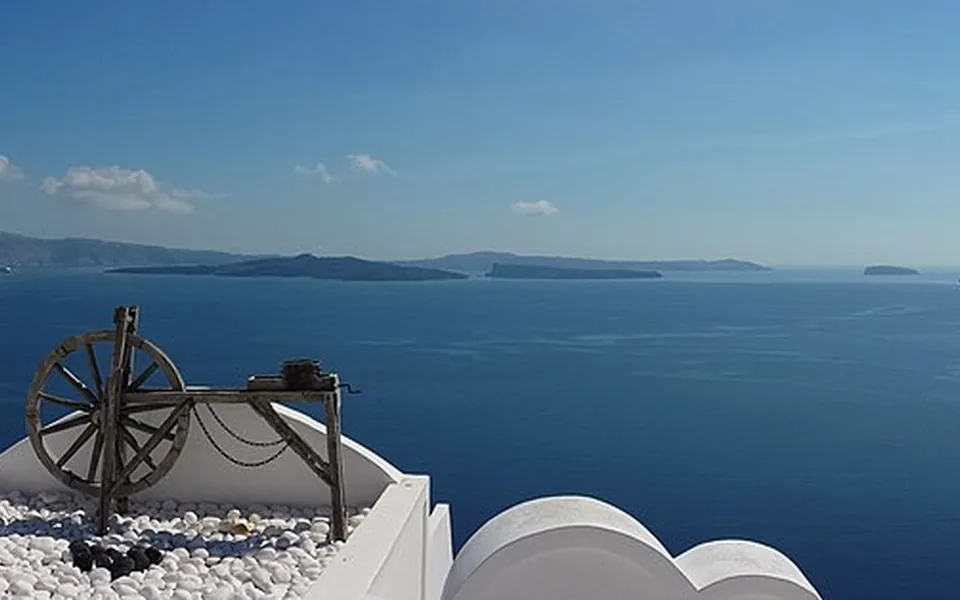
Compare volcanic Santorini with limestone Capri
Santorini spreads around a flooded volcanic caldera, with settlements such as Fira and Oia linked by road and an exposed ridge path. Akrotiri and the southern coast add substantial reasons to stay beyond one sunset.
Capri is smaller and steeper, with Capri Town, Anacapri, cliff paths and boat-led views forming the main choices. The island’s compact size does not remove queues or the time needed to climb between levels.
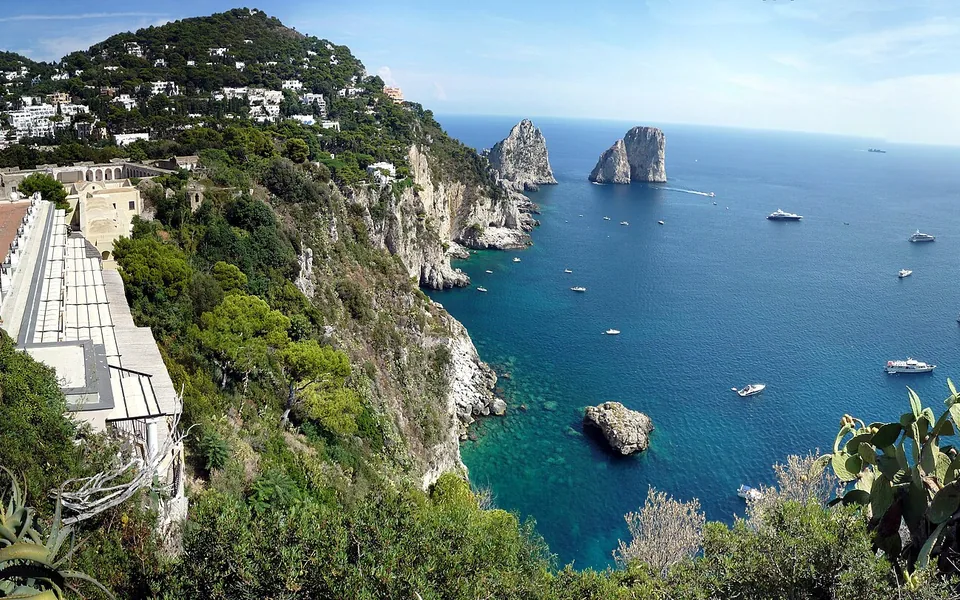
Allow enough nights for each island
Three or four nights suit a first Santorini stay with one caldera day, one archaeology or coast day and room for weather or transport changes. A single cruise-style visit shows only the busiest surface of the island.
Capri can be seen as a long day from Naples or Sorrento, but two nights give one full day after the excursion traffic leaves. A third night is useful for longer walks, a boat plan or a slower Anacapri day.
Expect different local transport problems
Santorini uses buses, taxis and arranged transfers over steep roads. Athinios port needs special planning because ferry arrivals can concentrate passengers and vehicles in a confined area.
Capri begins at Marina Grande, followed by the funicular, bus, taxi or steep walking routes. Small buses and popular lifts can develop queues, so moving repeatedly between Capri Town and Anacapri is not always quick.
Use season, terrain and interests as the final test
Late spring and early autumn usually offer a better balance for walking on either island, but ferry disruption and hot spells remain possible. Summer suits coast-led travel only with earlier starts and a realistic crowd plan.
Choose Santorini for a longer Greek island route, volcanic scenery and Bronze Age Akrotiri. Choose Capri for a compact Italian stay centred on limestone cliffs, Anacapri and links to Naples or the Sorrento Peninsula.
Read the island and regional guides
Planning sources
Transport, visitor information and attraction details can change. Check the official pages before booking.
- Official Campania travel information Italian Ministry of Tourism, checked 28 August 2026
- Official Greece travel planning Greek National Tourism Organisation, checked 2 September 2026
- Official Capri visitor information City of Capri, checked 29 August 2026
- Santorini visitor information Greek National Tourism Organisation, checked 3 September 2026
- Santorini municipal information Municipality of Thira, checked 3 September 2026
Comparison reviewed 4 September 2026.