
| Detail | High Tatras | Low Tatras |
|---|---|---|
| Overall character | A compact alpine range with famous peaks, resort villages and an electric railway. | A longer, broader range of ridges, forests, caves and the Jasná resort corridor. |
| Best traveller fit | Visitors who want dramatic scenery and a strong car-free village network. | Hikers, cave visitors and winter travellers comfortable with buses or a car. |
| Ideal stay | Four to six nights. | Three to five nights. |
| Pace | Active, with easier scenic options available around the resort villages. | Active and more dispersed, with longer transfers between valleys. |
| Transport | Excellent electric rail between core villages, fed by Poprad-Tatry. | Rail reaches valley towns, then buses or a car are needed for mountain gateways. |
| Day trips | Levoča, Spiš and Poprad work as separate lower-weather days. | Liptov villages, Demänovská caves and reservoir activities fit naturally. |
| Seasonal differences | Main hiking season follows the protected trail calendar from June to October, with a separate winter-resort season. | Summer hiking and cave seasons are broad, while Jasná also has a major winter season. |
| Accessibility | Electric rail helps, but mountain paths and lifts have distinct access limits. | Valley buses help, but dispersed sites, caves and rugged trails require more planning. |
The High Tatras are the easier first choice for rail travellers. The Low Tatras suit visitors who want caves, broad ridges and can manage more dispersed transport.
How High Tatras and Low Tatras differ
Overall character. High Tatras: A compact alpine range with famous peaks, resort villages and an electric railway. Low Tatras: A longer, broader range of ridges, forests, caves and the Jasná resort corridor.
Best traveller fit. High Tatras: Visitors who want dramatic scenery and a strong car-free village network. Low Tatras: Hikers, cave visitors and winter travellers comfortable with buses or a car.
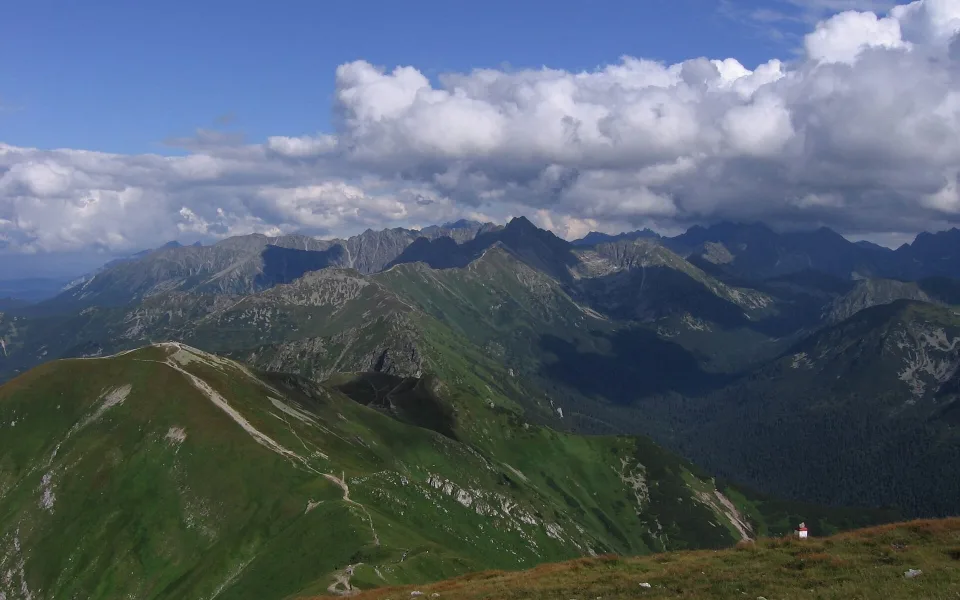
Time needed in High Tatras and Low Tatras
Ideal stay. High Tatras: Four to six nights. Low Tatras: Three to five nights.
Pace. High Tatras: Active, with easier scenic options available around the resort villages. Low Tatras: Active and more dispersed, with longer transfers between valleys.
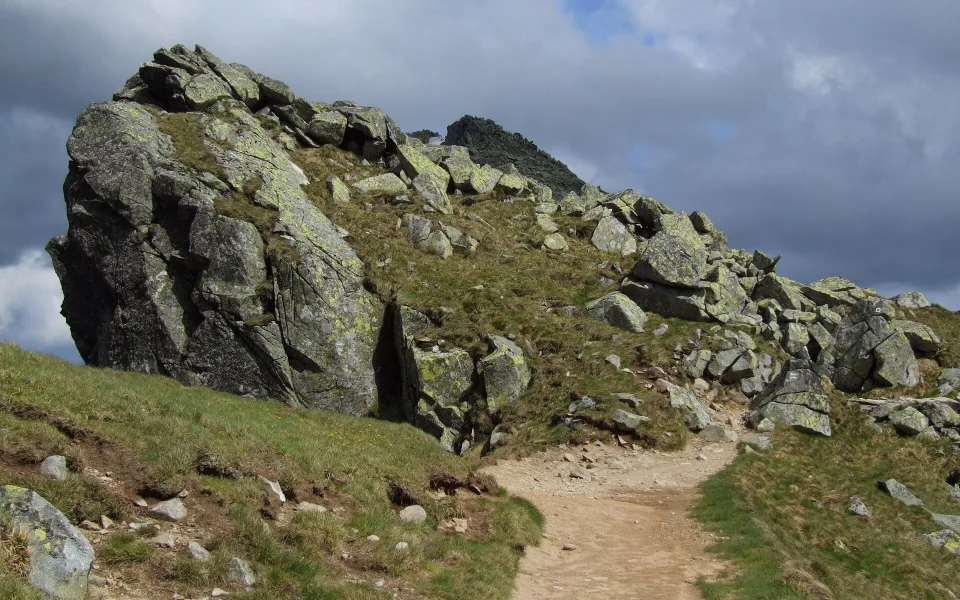
Transport and day trips from High Tatras and Low Tatras
Transport. High Tatras: Excellent electric rail between core villages, fed by Poprad-Tatry. Low Tatras: Rail reaches valley towns, then buses or a car are needed for mountain gateways.
Day trips. High Tatras: Levoča, Spiš and Poprad work as separate lower-weather days. Low Tatras: Liptov villages, Demänovská caves and reservoir activities fit naturally.
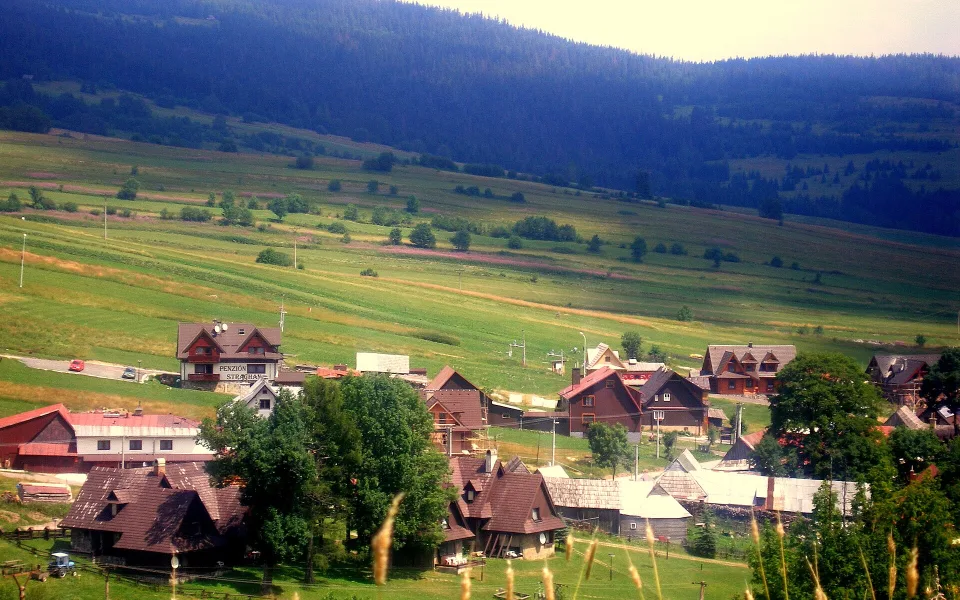
Season and access in High Tatras and Low Tatras
Seasonal differences. High Tatras: Main hiking season follows the protected trail calendar from June to October, with a separate winter-resort season. Low Tatras: Summer hiking and cave seasons are broad, while Jasná also has a major winter season.
Accessibility. High Tatras: Electric rail helps, but mountain paths and lifts have distinct access limits. Low Tatras: Valley buses help, but dispersed sites, caves and rugged trails require more planning.
Choosing between High Tatras and Low Tatras
The High Tatras are the easier first choice for rail travellers. The Low Tatras suit visitors who want caves, broad ridges and can manage more dispersed transport.
Use the High Tatras and Low Tatras destination guides to check how either choice fits the rest of the route.
Read the two destination guides
Planning sources
Transport, visitor information and attraction details can change. Check the official pages before booking.
- Transport in the High Tatras Region High Tatras, checked 30 August 2026
- Winter hiking in the High Tatras Visit Tatry, checked 30 August 2026
- Show caves of Slovakia Slovak Caves Administration, checked 30 August 2026
- Liptov regional bus timetables IDS PLUS, checked 30 August 2026
Comparison reviewed 4 September 2026.