
Malta is active throughout the year, but the balance changes between heritage days, swimming and exposed coast routes. Summer brings heat and heavy demand, while autumn and winter can bring wind, rain and rougher sea conditions.
January to March in Malta
January: Cooler, windier conditions and rain spells favour museums, with a bus backup for every harbour ferry plan. Wind or rain can shorten exposed outdoor plans. Check coast or ferry notices.
February: A quieter heritage month still needs wind and rain alternatives for exposed coast days. Wind or rain can shorten exposed outdoor plans. Check coast or ferry notices.
March: Spring walking becomes more attractive, though sea crossings and exposed routes remain weather dependent. Wind or rain can shorten exposed outdoor plans. Check coast or ferry notices.
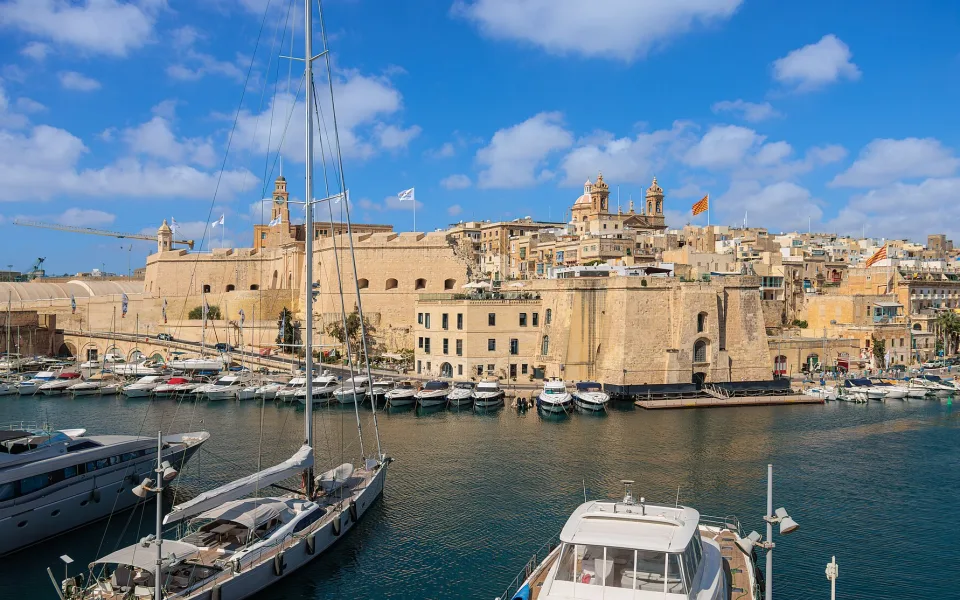
April to June in Malta
April: Heritage days and coast walks work well before peak heat and the largest visitor pressure. Heat, storms or fire restrictions can close outdoor routes. Check coast or ferry notices.
May: Warmer sea conditions and long walking days combine with rising accommodation demand. Popular trains, rooms and timed entries need earlier booking. Check coast or ferry notices.
June: Hot weather and summer service patterns favour early sightseeing and carefully timed ferries. Wind or rain can shorten exposed outdoor plans. Check coast or ferry notices.
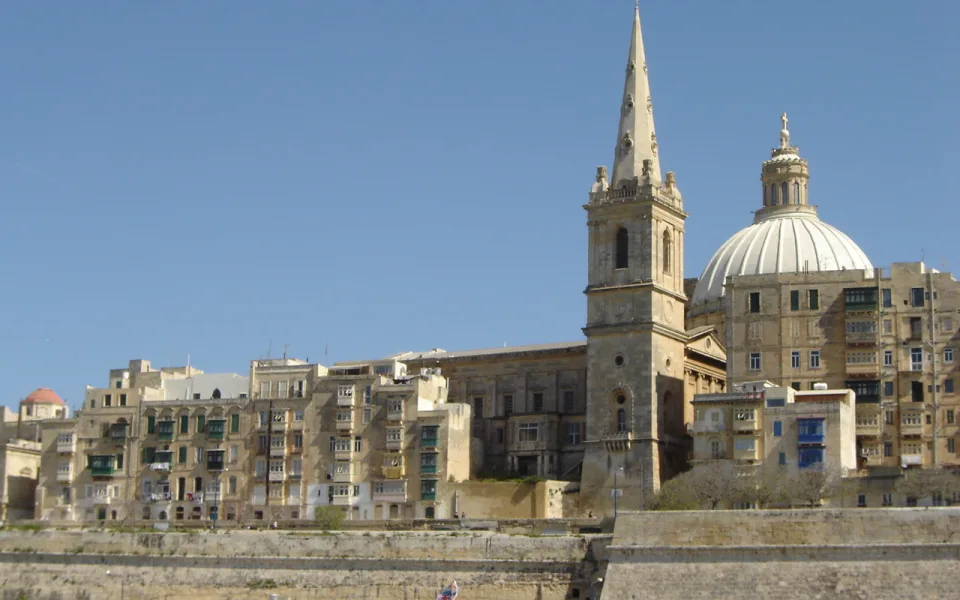
July to September in Malta
July: Peak heat and crowding require early or late city visits and advance Blue Lagoon capacity planning. Heat, storms or fire restrictions can close outdoor routes. Check site hours.
August: The hottest, busiest period continues. Protect shade, water and confirmed sea transport. Heat, storms or fire restrictions can close outdoor routes. Check coast or ferry notices.
September: The sea remains warm and beach travel is strong, while demand can still be high. Popular trains, rooms and timed entries need earlier booking. Check coast or ferry notices.
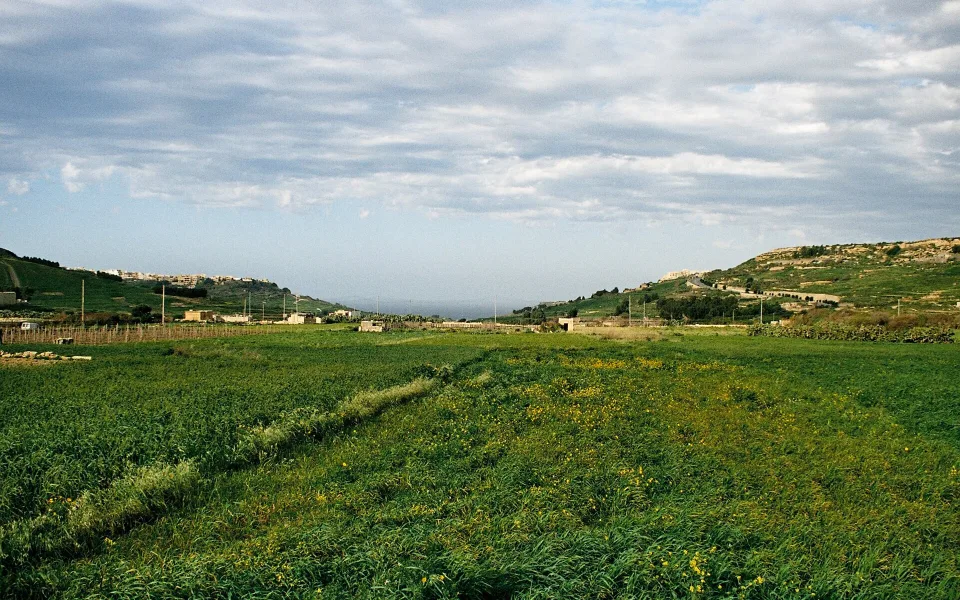
October to December in Malta
October: Swimming can remain possible, but storms and timetable transitions can disrupt small-boat plans. Wind or rain can shorten exposed outdoor plans. Check coast or ferry notices.
November: Windier shoulder conditions and shorter hours favour flexible heritage days. Wind or rain can shorten exposed outdoor plans. Check site hours.
December: Festive city visits work well, with rain and wind alternatives for ferries and coast walks. Wind or rain can shorten exposed outdoor plans. Check coast or ferry notices.
Check wind as well as temperature
Spring and autumn often balance walking and heritage visits, while summer requires earlier sightseeing and careful hydration. Winter suits museums and city routes when ferry and coast alternatives remain available.
Use the Malta Airport forecast and the current ferry or boat operator before a sea-dependent day. A monthly climate average cannot confirm a harbour crossing or Comino landing.
Match the month to a two-island route
Month-by-month guide
| Month | Good for | Main limitations | Crowds | Transport or access |
|---|---|---|---|---|
| January | Cooler, windier conditions and rain spells favour museums, with a bus backup for every harbour ferry plan. | Wind or rain can shorten exposed outdoor plans. | Demand is usually manageable outside winter holidays and major events. | Check coast or ferry notices. |
| February | A quieter heritage month still needs wind and rain alternatives for exposed coast days. | Wind or rain can shorten exposed outdoor plans. | Demand is usually lighter outside local events and holiday weekends. | Check coast or ferry notices. |
| March | Spring walking becomes more attractive, though sea crossings and exposed routes remain weather dependent. | Wind or rain can shorten exposed outdoor plans. | Demand is generally moderate, with local peaks around events and holiday weekends. | Check coast or ferry notices. |
| April | Heritage days and coast walks work well before peak heat and the largest visitor pressure. | Heat, storms or fire restrictions can close outdoor routes. | Demand is high in the busiest places, so book route-critical rooms and transport early. | Check coast or ferry notices. |
| May | Warmer sea conditions and long walking days combine with rising accommodation demand. | Popular trains, rooms and timed entries need earlier booking. | Public holidays and major events can create short periods of heavy demand. | Check coast or ferry notices. |
| June | Hot weather and summer service patterns favour early sightseeing and carefully timed ferries. | Wind or rain can shorten exposed outdoor plans. | Demand often rises where the best weather and fullest transport schedules coincide. | Check coast or ferry notices. |
| July | Peak heat and crowding require early or late city visits and advance Blue Lagoon capacity planning. | Heat, storms or fire restrictions can close outdoor routes. | Demand is high in the busiest places, so book route-critical rooms and transport early. | Check site hours. |
| August | The hottest, busiest period continues. Protect shade, water and confirmed sea transport. | Heat, storms or fire restrictions can close outdoor routes. | Demand is high in the busiest places, so book route-critical rooms and transport early. | Check coast or ferry notices. |
| September | The sea remains warm and beach travel is strong, while demand can still be high. | Popular trains, rooms and timed entries need earlier booking. | Public holidays and major events can create short periods of heavy demand. | Check coast or ferry notices. |
| October | Swimming can remain possible, but storms and timetable transitions can disrupt small-boat plans. | Wind or rain can shorten exposed outdoor plans. | Demand is generally moderate, with local peaks around events and holiday weekends. | Check coast or ferry notices. |
| November | Windier shoulder conditions and shorter hours favour flexible heritage days. | Wind or rain can shorten exposed outdoor plans. | Demand is usually manageable outside winter holidays and major events. | Check site hours. |
| December | Festive city visits work well, with rain and wind alternatives for ferries and coast walks. | Wind or rain can shorten exposed outdoor plans. | Demand is usually manageable outside winter holidays and major events. | Check coast or ferry notices. |