
Start with the essentials
Plan Luxembourg Moselle at a glance
- Useful time
- 2 to 4 days
- Main base
- Remich
- Best for
- Wine, cycling and river walks
- Main transport
- Bus, bicycle and selective driving
- Book first
- Wine visit and dinner
About Luxembourg Moselle
Why explore Luxembourg Moselle
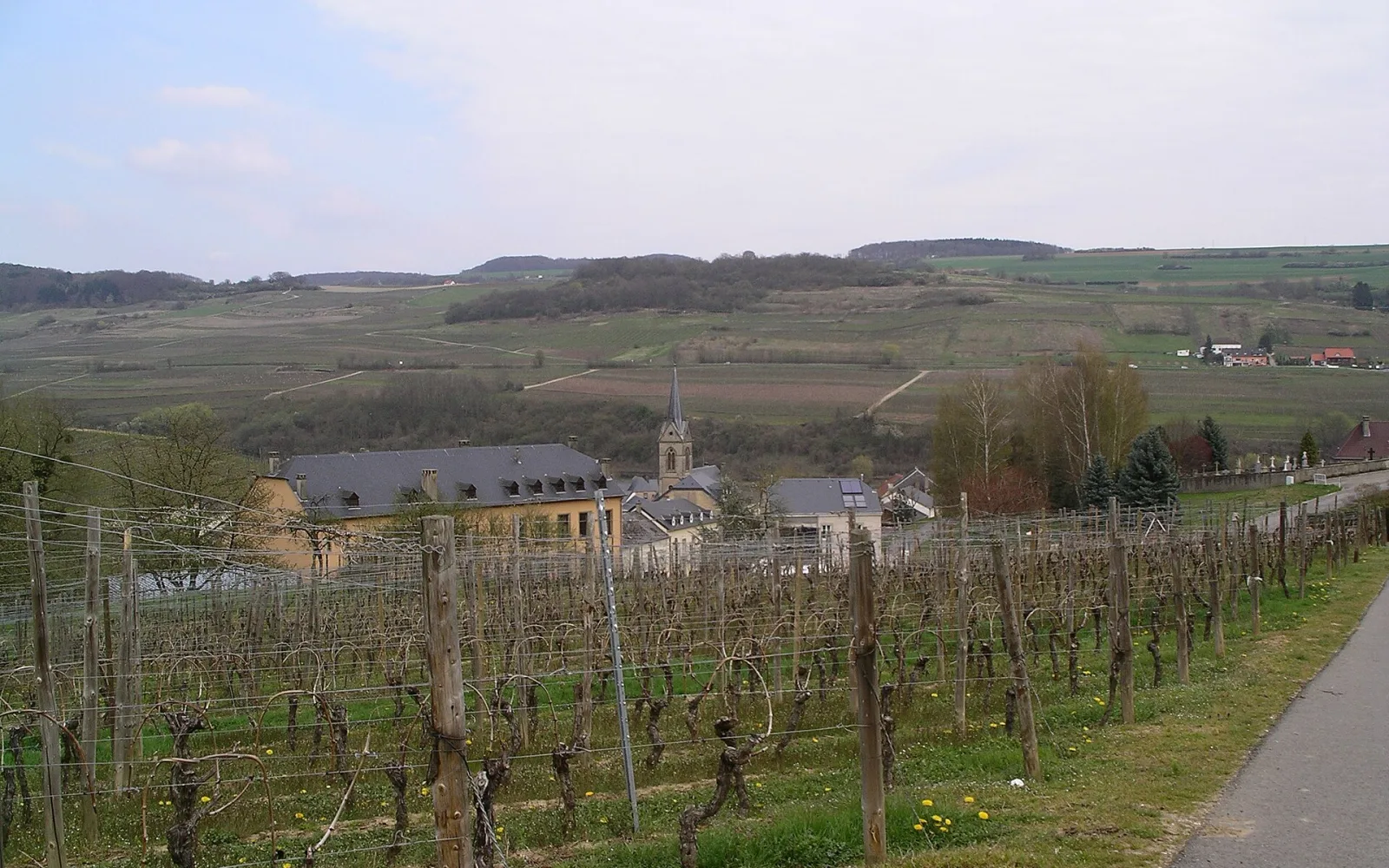
The Moselle brings vineyards, river paths and small towns into one eastern corridor. Remich supplies an easy base, while Schengen adds European history and a distinctive border landscape.
The region rewards a slower pace. One confirmed wine visit, a walk or cycle ride and time beside the river are more useful than driving between several producers.
Plan the region
Choose Remich for a first stay and give Schengen or a nature-focused stop its own half day. Confirm producer access and evening transport before filling the route.
Public transport works for selected towns, while a car helps rural accommodation. Keep tasting and driving on separate plans.
Choose where to spend your time
Places to explore
1 guide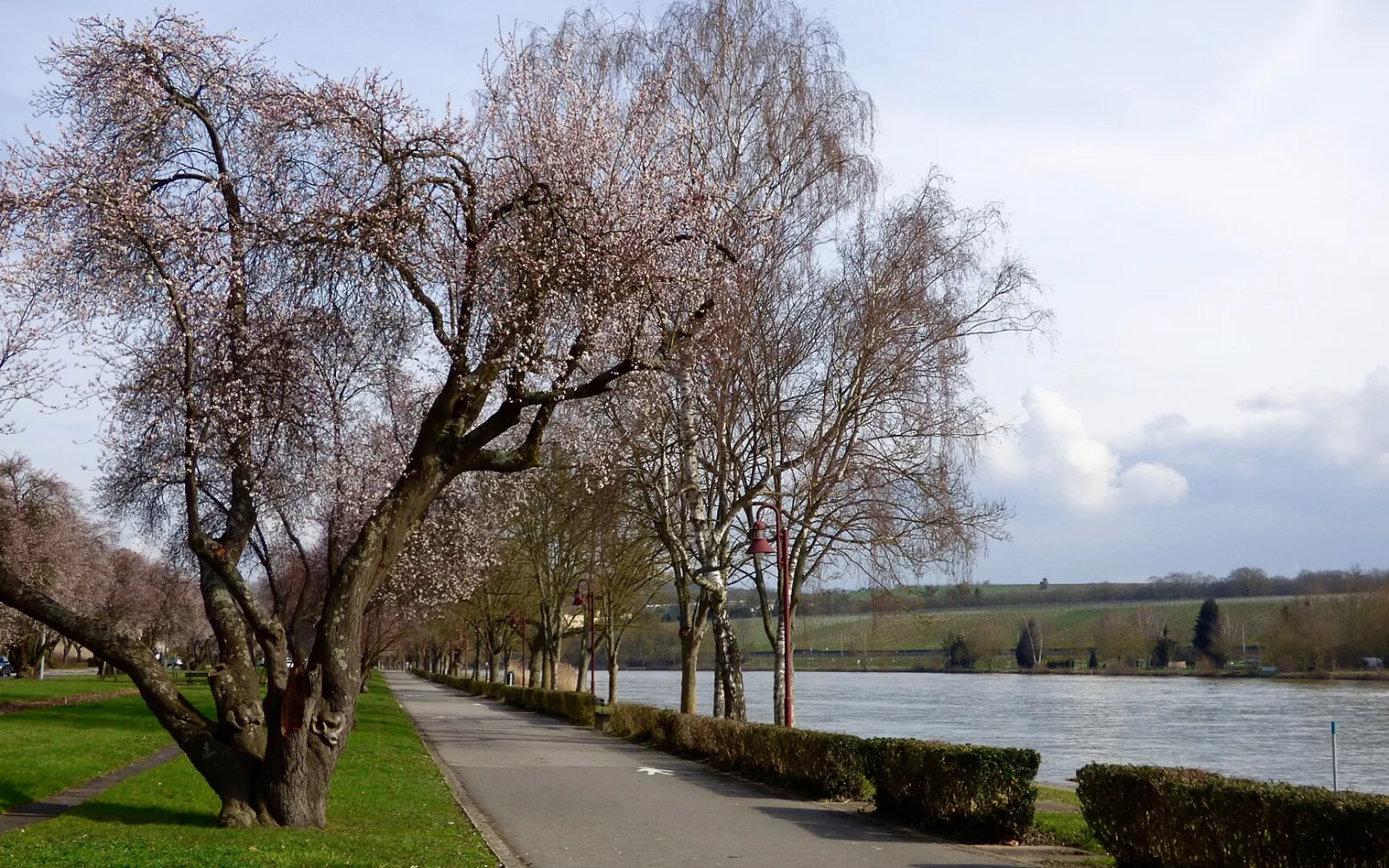
Remich
A small Moselle town with a long riverside promenade, vineyard slopes and the best range of visitor services in Luxembourg’s wine region.
Open guideBuild a coherent route
Plan by area
Remich
Use the promenade, visitor services and nearby vineyards as the core of a first stay. Two nights allow one booked wine visit and an outdoor day.
Schengen and the southern river
European history, vineyards and border landscapes give Schengen a clear half-day purpose. Check current museum information before travelling.
Northern Moselle
Grevenmacher and the northern corridor suit cycling, gardens and another regional base, but should not be squeezed into a short Remich afternoon.
Match the route to your time
What fits into your trip
Remich and the river
Walk the promenade, explore the town and add one nearby activity. A wine visit needs a confirmed booking, and the evening return to Luxembourg City should be saved before sitting down for a relaxed dinner.
Wine and an outdoor day
Base in Remich, reserve one producer visit and use the second day for a vineyard walk or river cycling. Keep boat trips and seasonal attractions optional until the operator confirms the current local visitor service.
The wider Moselle corridor
Add Schengen and one northern or nature-focused day to a Remich base. Separate tasting, cycling and cross-border travel so that each has suitable transport and the route does not depend on repeated driving between towns.
Link the stops sensibly
Routes and day trips
Remich is the practical centre of a first stay. The corridor extends north and south, but each additional town should support a clear interest rather than fill a map.
Suggested regional routes
Remich at river pace
Follow the promenade and older streets, then add one confirmed wine or outdoor visit. Leave time for a meal and the evening connection.
Open destination guideSchengen and European history
Check the current museum information, explore the village and use a vineyard or riverside walk to give the journey a complete purpose.
Cycle or walk the river corridor
Choose one official section, arrange the bicycle return if needed and keep any timed tasting well separated from the activity.
Choose transport by destination
Getting around Luxembourg Moselle
Public transport links the main towns with the capital, while bicycles work well along selected river sections. Rural vineyards and late dinners need closer timetable planning.
Buses and trains
Check the exact town, stop and evening frequency. Cross-border journeys need a separate operator check.
Cycling
Riverside routes can be gentle, but diversions and one-way plans need a confirmed bicycle return.
Driving
Use a car for landscapes or rural accommodation, not for moving between several tastings.
Choose dates that suit the route
When to visit
Late spring through early autumn suits terraces, cycling and vineyard walks. Harvest and event dates can reduce room and restaurant availability.
Winter is quieter and still supports river walks and food-focused stays, but check reduced opening and daylight before building a full regional route.
Read the seasonal guide for LuxembourgAvoid common route problems
Planning checks
Reserve the wine visit
Do not assume a cellar accepts walk-in visitors. Confirm the time, format and transport directly.
Separate tasting from driving
Use public transport, stay locally or appoint a driver when alcohol is part of the visit.
Check the final connection
Daytime frequency does not guarantee a convenient return after dinner or an event.
Quick answers
Questions about Luxembourg Moselle
Where should I stay in the Luxembourg Moselle?
Remich is the most practical first base. Grevenmacher or Schengen can suit trips focused on the north or European history.
Do Luxembourg wineries accept walk-in visitors?
Some may, but many visits require a reservation. Contact the producer and confirm the format before travel.
Can I visit the Moselle without a car?
Yes for selected towns and a planned route. Check evening frequency and the exact stop for vineyards or rural accommodation.
How many days do I need in the Moselle?
Two nights cover Remich, one wine visit and river time. Three or four days allow Schengen, cycling or a nature-focused day.
How this guide is checked
Sources and review
Reviewed 3 September 2026, next review due 3 March 2027. Services, access rules and opening arrangements can change, so check the official source before travel.
- Official Luxembourg visitor information, Luxembourg for Tourism
- Official public transport fares and conditions, Luxembourg Public Transport Administration
- Official Luxembourg Moselle visitor information, Visit Moselle
- Public transport information for visitors, Luxembourg Public Transport Administration
- Luxembourg Moselle tourism region, Luxembourg for Tourism
Continue through Luxembourg
Regions that connect naturally
Mullerthal Region
Sandstone formations, wooded ravines and signed trails make eastern Luxembourg a region for planned walking rather than quick sightseeing.
Guttland
Green central and western Luxembourg combines the Valley of the Seven Castles, rural villages and approachable walking and cycling routes.
Minett
Southern Luxembourg’s former iron-ore landscape now joins industrial heritage, red-rock reserves, railway towns and contemporary culture.
Continue planning
See more of Luxembourg
Use the country guide to compare Luxembourg Moselle with other regions and destinations in Luxembourg.