
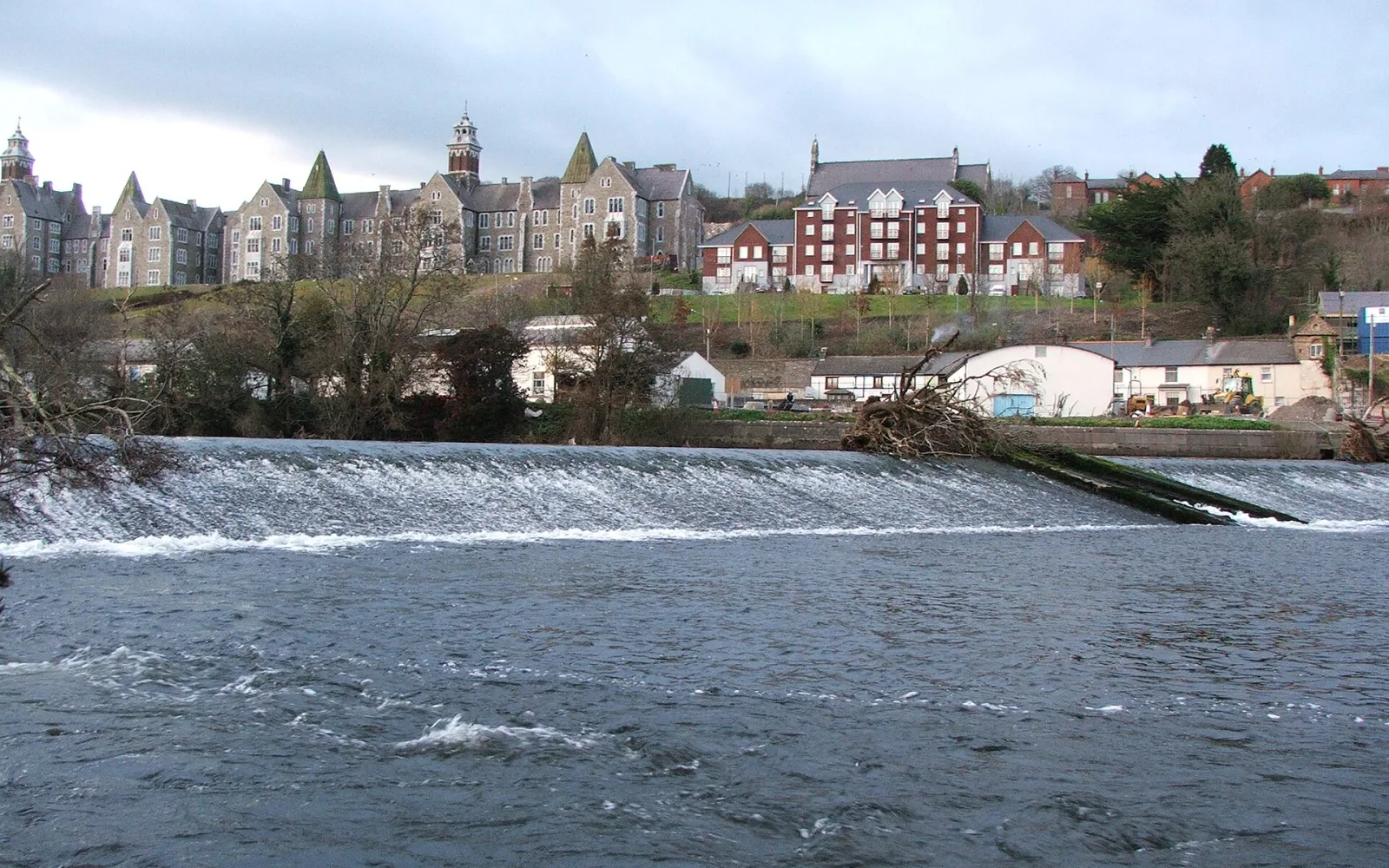
Cork rises on both sides of the River Lee, with the central island, markets and steep residential streets giving it a shape that rewards unhurried walking. It has a strong food identity and enough culture for a city break.
Understand the shape of the visit
Cork rises on both sides of the River Lee, with the central island, markets and steep residential streets giving it a shape that rewards unhurried walking. It has a strong food identity and enough culture for a city break.
Two days cover central Cork. A third can use the suburban rail line toward the harbour, while Kinsale and West Cork require separate bus or driving plans rather than being squeezed into the same afternoon.
Choose a workable base and pace
Cork suits food travellers, city-break visitors, families and people building a southern route without a car.
Allow two full days or three nights with one harbour excursion.
The central island is easiest for walking, while station-area stays suit onward rail travel. Hills increase effort outside the core.
Keep the market and central streets together, pair hillside sights, and use a separate rail day for the harbour.
Build the days around clear priorities
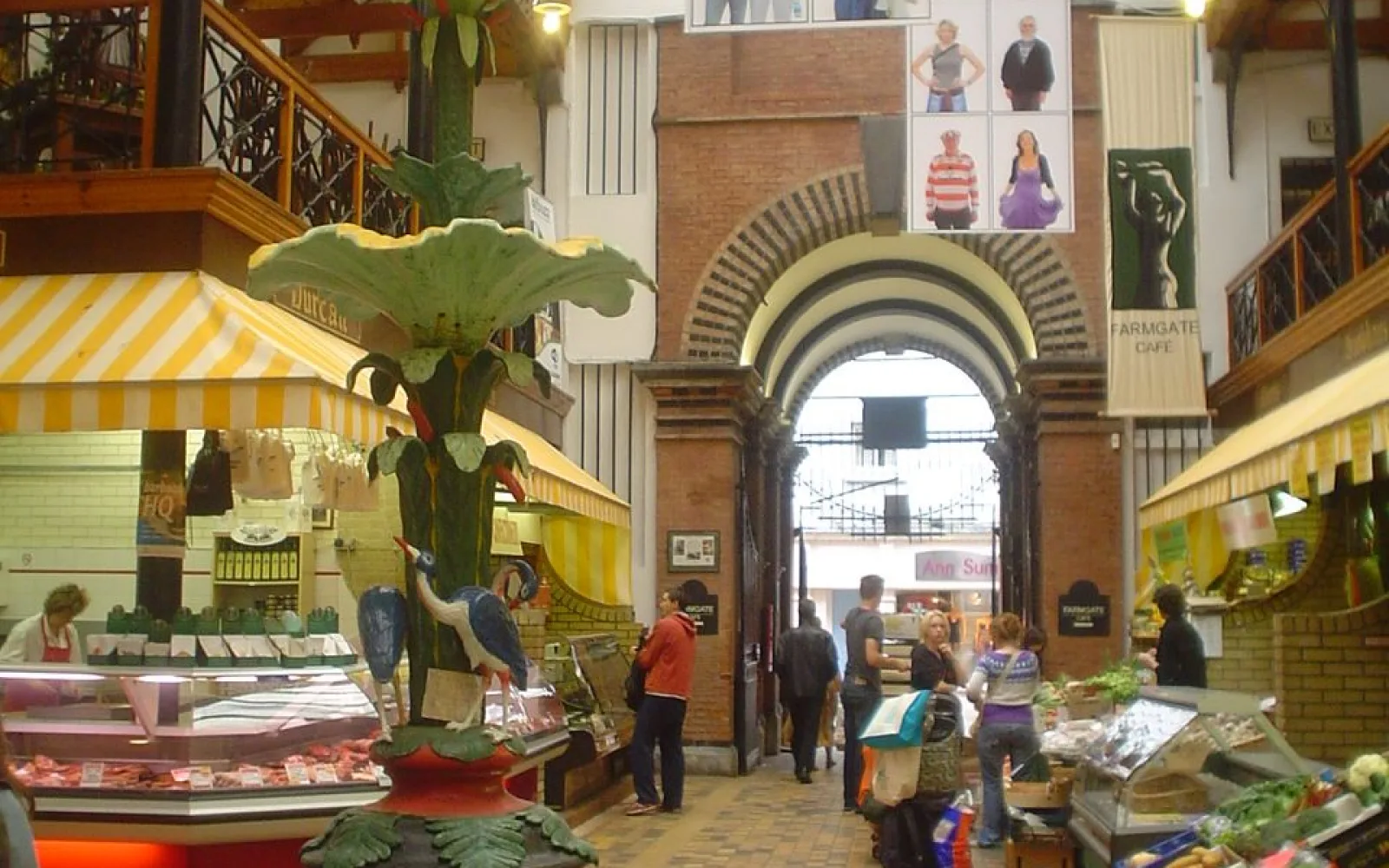
Give the English Market time for browsing and a meal rather than a photograph.
Select one cultural venue that fits current opening hours.
Use Cobh or another harbour stop as a proper half or full day.
Start in the centre with the market, river and main streets.
Use day two for hillside heritage and the city’s food scene.
Take the suburban train toward Cork Harbour or continue to Kinsale on day three.
Getting there and moving around
Intercity rail reaches Cork from Dublin, and the airport has bus and taxi links.
Buses cover the city and regional corridors, while suburban rail serves selected harbour towns.
A car is unnecessary in Cork and becomes useful for West Cork after leaving the city.
Weather, bookings and practical limits
Cork works year-round. Spring and autumn suit walking, while summer raises demand for the coast.
Food events, university dates and summer weekends can tighten central rooms and restaurants.
The city may cost less than Dublin, while harbour trips and dining quality determine the daily range.
The centre has level areas but surrounding streets climb. Check older venues and station assistance individually.
Do not call the entire county Cork city, or combine Cobh, Kinsale and West Cork in one rushed day.
Continue planning
Questions about Cork
How much time is useful in Cork?
Allow two full days or three nights with one harbour excursion.
Where should I base myself for Cork?
The central island is easiest for walking, while station-area stays suit onward rail travel. Hills increase effort outside the core.
Is a car useful for Cork?
A car is unnecessary in Cork and becomes useful for West Cork after leaving the city.
Daily planning ranges
Travel costs in Cork
These planning ranges are per person, per day and assume two people sharing a room. They are not live quotes.
Standard daily breakdown
- Accommodation
- €82 to €160
- Food
- €38 to €62
- Local transport
- €7 to €18
- Activities
- €22 to €48
What the range assumes: Per person, per day, based on two people sharing a practical double or twin room. The standard range includes ordinary local transport, a mix of casual and mid-range meals, and one paid visitor activity.
Seasonal note: Food events, university dates and summer coast demand affect central rooms.
Not included: International and intercity travel, car hire, travel insurance, shopping, nightlife and exceptional event premiums are excluded.
Price basis 29 August 2026, reviewed 29 August 2026, next review due 28 February 2027.
Cost sources
- Transport for Ireland journey and fare information, www.transportforireland.ie
- Current travel cost research for cork, Numbeo
Sources and updates
This guide was last reviewed on 3 September 2026. Transport, access and opening arrangements can change, so check the official source before travel.
- Official Ireland destination directory, Fáilte Ireland
- National public transport journey planner, Transport for Ireland
- Official Irish Rail journey information, Iarnród Éireann
- Official Cork visitor information, Pure Cork