
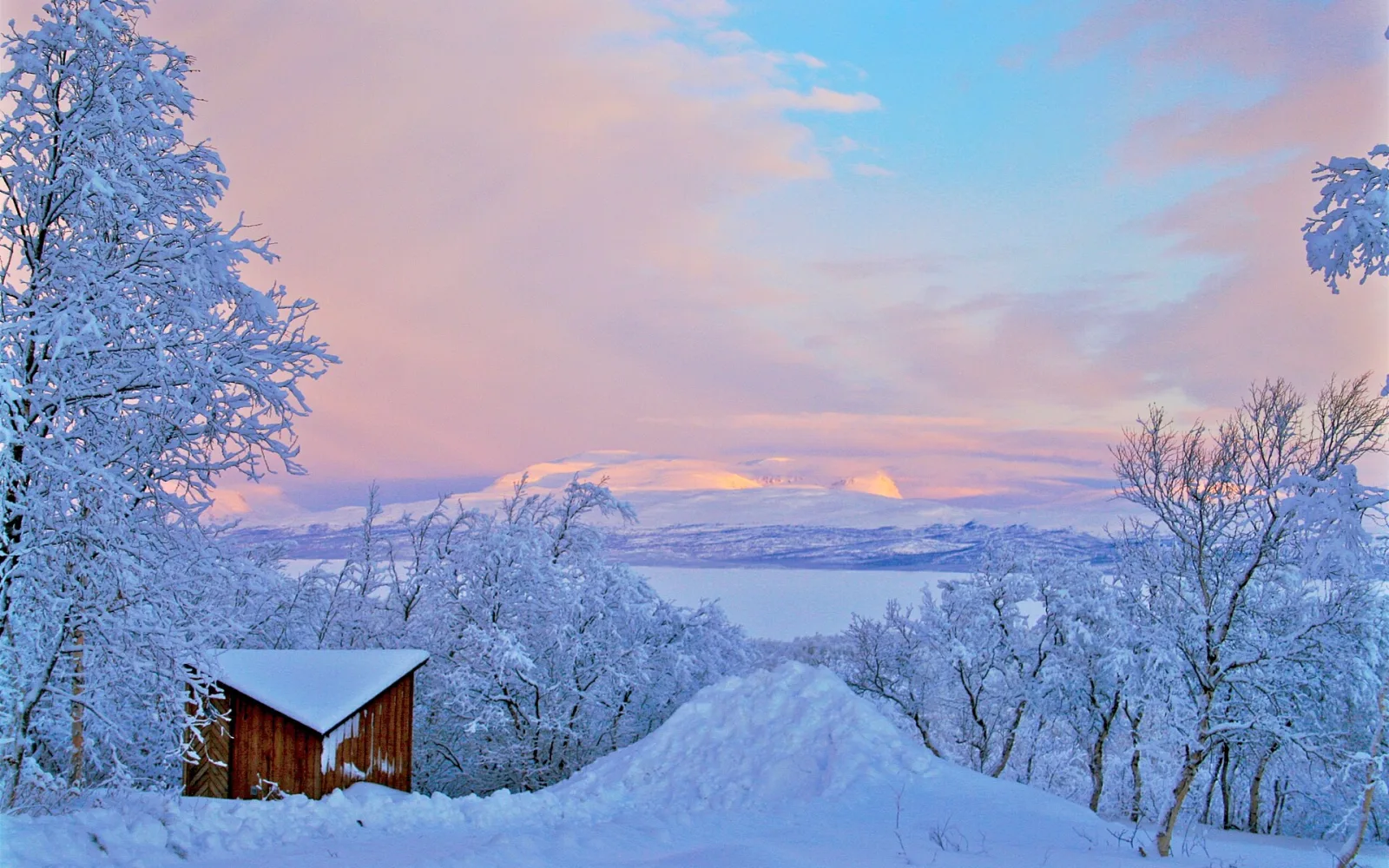
Abisko is a mountain and trail destination with rail access, weather exposure and specific winter or hiking-season limits.
Know what this place adds
Abisko is a mountain and trail destination with rail access, weather exposure and specific winter or hiking-season limits.
Choose mountain trails and winter activities from the correct Abisko station and accommodation base.
Plan the nights around the real visit
Stay two or three nights to protect a hike or aurora plan from one poor-weather period.
Place the narrowest opening or weather-dependent activity first, then keep the final part of the day close to the base. This leaves room to adjust Abisko National Park without losing the main visit.
Make the final connection work
Rail serves Abisko stations, but accommodation, trailheads and winter equipment arrangements need exact matching.
SJ night and regional trains serve Abisko Östra and Abisko Turiststation.
Keep weather and demand in the plan
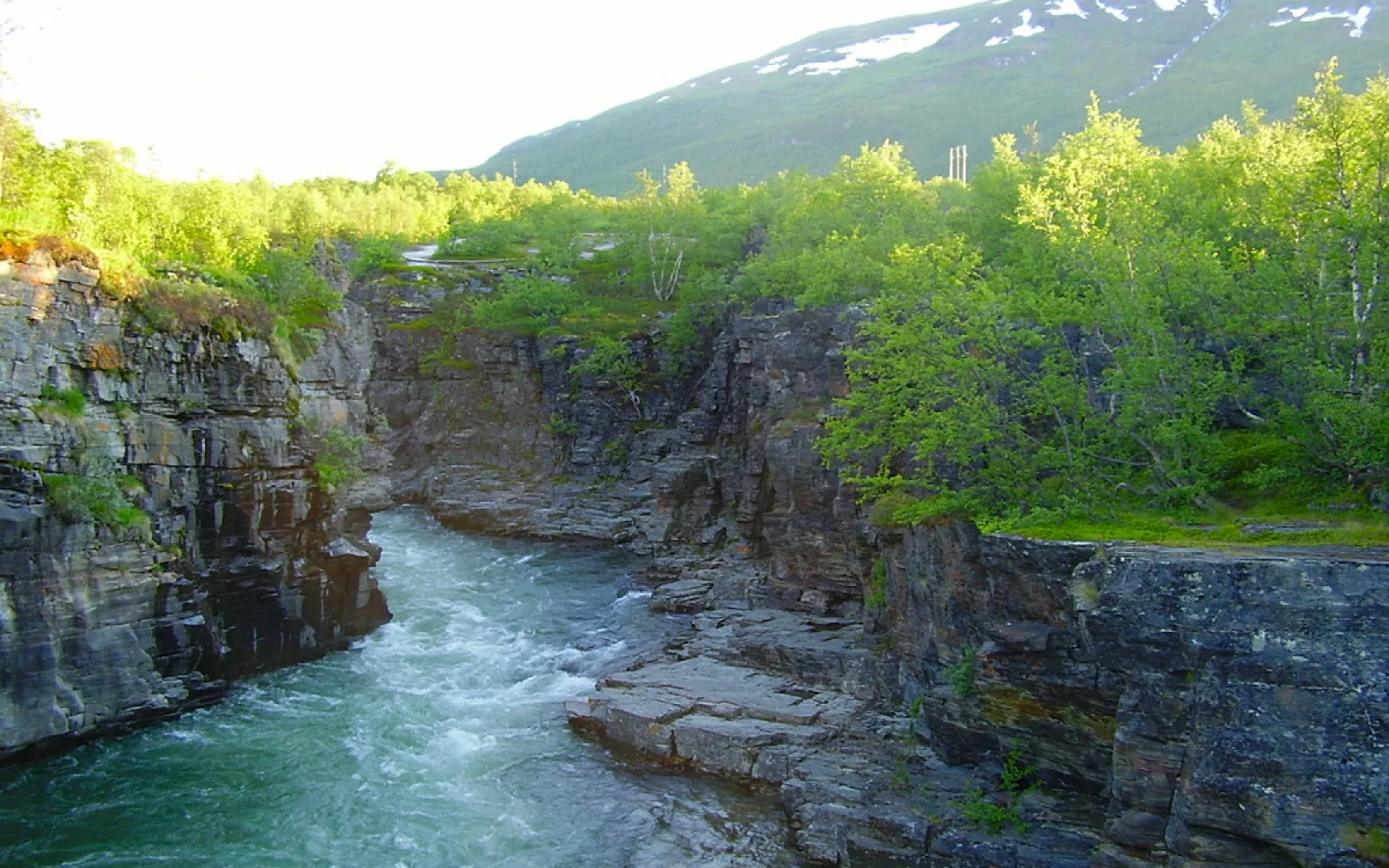
Summer hiking and winter aurora seasons require different gear, daylight assumptions and safety decisions.
Winter aurora and summer hiking require different gear, daylight and safety choices.
Continue planning
Questions about Abisko National Park
How much time is useful in Abisko National Park?
Stay two or three nights to protect a hike or aurora plan from one poor-weather period.
How do I reach and explore Abisko National Park?
Rail serves Abisko stations, but accommodation, trailheads and winter equipment arrangements need exact matching.
When should I visit Abisko National Park?
Summer hiking and winter aurora seasons require different gear, daylight assumptions and safety decisions.
Sources and updates
This guide was last reviewed on 3 September 2026. Transport, access and opening arrangements can change, so check the official source before travel.
- Swedish rail journey planning, SJ
- Arctic Sweden planning, Visit Sweden
- Sweden national parks, Swedish Environmental Protection Agency
- Swedish rail journey planning, SJ
- Abisko National Park, Sweden’s National Parks
- Weather and warnings, Swedish Meteorological and Hydrological Institute