
| Detail | Warsaw | Kraków |
|---|---|---|
| Pace | Active | Balanced |
| Typical cost | Qualitative guidance | Qualitative guidance |
| Ideal stay | 4 to 5 days | 4 to 6 days |
| Day trips | Warsaw works as a day trip only when the named arrival point and return leave enough time for its main purpose. | Kraków works as a day trip only when the named arrival point and return leave enough time for its main purpose. |
| Useful transport | Train, Local Transport, Bus, Walking, Air | Train, Local Transport, Bus, Walking, Air |
More planning details
| Good for | Culture, Food, Rail, Car Free, Heritage | Culture, Food, Rail, Car Free, Heritage |
|---|---|---|
| Useful months | Apr, May, Jun, Sep, Oct | Apr, May, Jun, Sep, Oct |
| Car use | No car needed | No car needed |
Warsaw is the better modern-history capital; Kraków is the more concentrated first-time heritage base.
The basic difference between Warsaw and Kraków
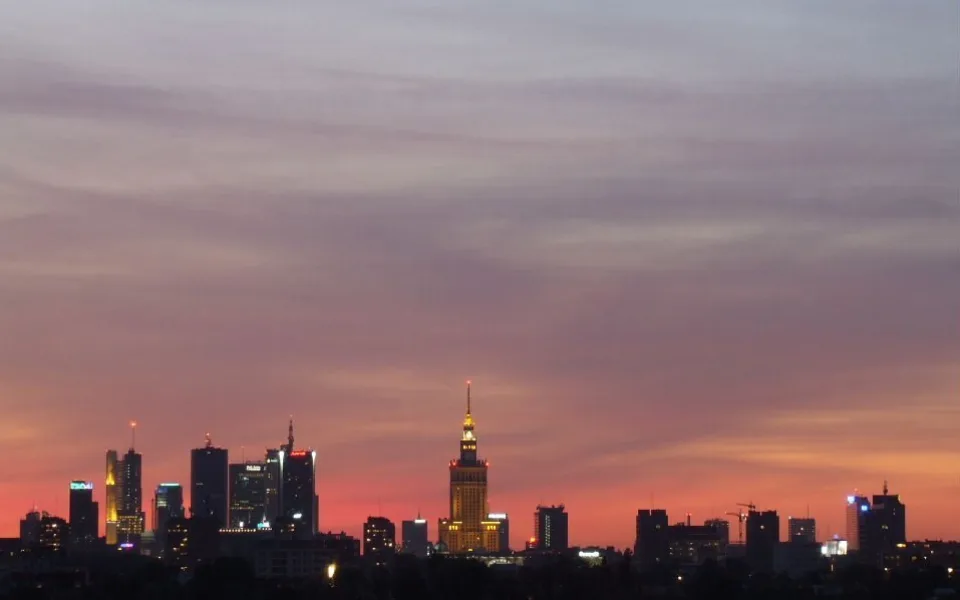
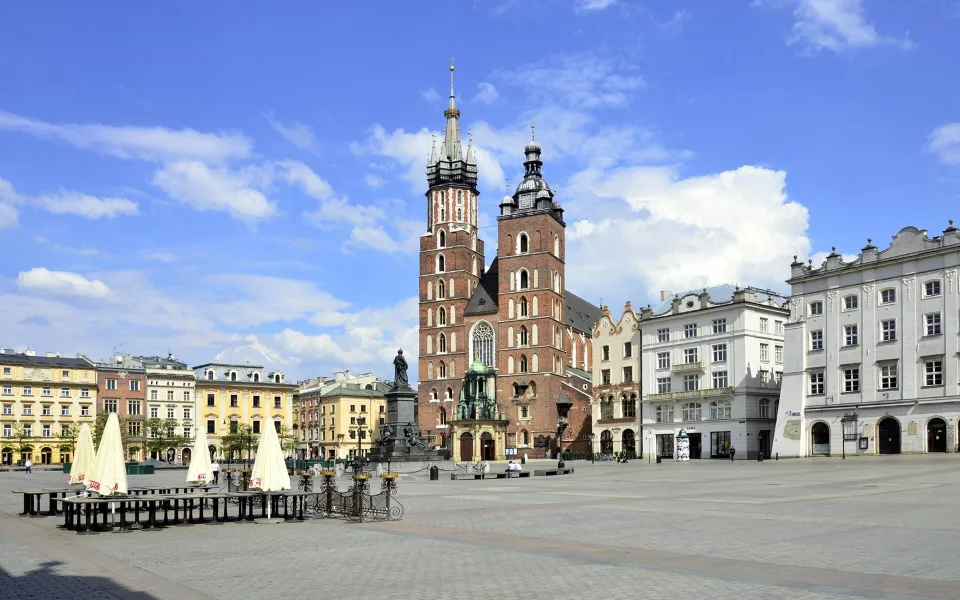
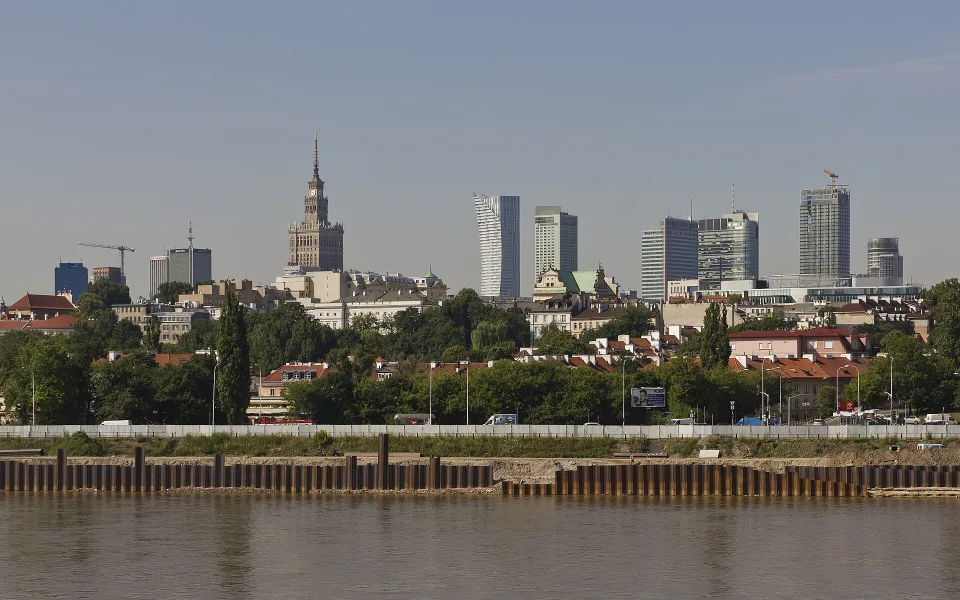
Overall character. Warsaw: Large, rebuilt capital defined by modern history, broad avenues and major museums. Kraków: Dense historic city of medieval streets, Wawel and Kazimierz.
Best traveller fit. Warsaw: Visitors prioritising twentieth-century history, national institutions and a contemporary capital. Kraków: First-time heritage travellers wanting a concentrated old city and regional day trips.
Time and pace in Warsaw and Kraków
Ideal stay. Warsaw: 3 to 4 nights. Kraków: 3 to 5 nights.
Pace. Warsaw: Moderate to fast because major sights occupy separate districts. Kraków: Moderate, with a compact centre but heavy visitor flows.
Accommodation pressure. Warsaw: Business, event and holiday demand varies across several districts. Kraków: Weekends, summer, Easter and holiday periods tighten the historic centre.
Transport in Warsaw and Kraków
Transport. Warsaw: Two metro lines, trams, buses and Poland’s principal long-distance rail hub. Kraków: Extensive trams and buses with strong regional and long-distance rail.
Car usefulness. Warsaw: Unnecessary and burdensome for visitor districts. Kraków: Unnecessary in the centre and for principal rail day trips.
Day trips. Warsaw: Łódź or selected Mazovian heritage using a dated rail plan. Kraków: Wieliczka by train, with Auschwitz-Birkenau only as a reserved educational visit.
Best onward route. Warsaw: PKP Intercity south to Kraków or west to Poznań. Kraków: PKP Intercity to Wrocław, Prague or Zakopane-bound regional transport.
Season and access in Warsaw and Kraków
Seasonal differences. Warsaw: Strong year-round, with broad indoor options and summer river activity. Kraków: Strong year-round, with heavier peak visitor pressure and winter atmosphere.
Accessibility. Warsaw: Modern transit and museums help, though scale and reconstructed surfaces require planning. Kraków: Compact geography helps, but cobbles, crowds and historic interiors create barriers.
Choosing between Warsaw and Kraków
Main trade-off. Warsaw: More museum depth and modern-city range, with greater travel time between sights. Kraków: More concentrated heritage and day trips, with heavier tourism pressure.
Final verdict. Warsaw: Choose Warsaw for modern history and capital scale. Kraków: Choose Kraków for the strongest concentrated heritage stay.
Read the two destination guides
Planning sources
Transport, visitor information and attraction details can change. Check the official pages before booking.
- PKP Intercity PKP Intercity, checked 30 August 2026
- Warsaw Polish Tourism Organisation, checked 30 August 2026
- Kraków Polish Tourism Organisation, checked 30 August 2026
- Passenger Portal PKP Polskie Linie Kolejowe, checked 2 September 2026
Comparison reviewed 3 September 2026.