
| Detail | Tatra Mountains | Karkonosze Mountains |
|---|---|---|
| Overall character | Poland’s highest, more alpine range with steep famous routes and Zakopane pressure. | Lower border range of broad ridges, waterfalls and two principal resort gateways. |
| Best traveller fit | Experienced hikers seeking dramatic terrain and willing to manage crowds and weather. | Walkers wanting varied moderate routes and easier rail access to mountain towns. |
| Ideal stay | 4 to 6 nights with weather alternatives. | 3 to 5 nights split around one gateway. |
| Pace | Active, with long trailhead queues and demanding route choices. | Active but more adaptable across waterfalls, ridges and lower paths. |
| Accommodation pressure | Very high in summer, winter holidays and long weekends. | High in Karpacz and Szklarska Poręba on summer and winter peaks. |
| Transport | Rail or coach to Zakopane, then named local minibuses to trailheads. | Rail toward Jelenia Góra or Szklarska Poręba plus regional buses. |
| Car usefulness | Usually low because trailhead parking is constrained and local transport is preferable. | Optional for moving between gateways, unnecessary for a rail-based single base. |
| Day trips | A Kraków day trip is too compressed for a responsible substantial hike. | Possible from Wrocław only for a short lower route, not a full ridge day. |
| Seasonal differences | General hiking window is short and snow or storms affect high routes well into shoulder months. | A somewhat broader lower-route season still includes wind, snow and park closures. |
| Accessibility | High trails are not generally accessible; select lower facilities using park guidance. | Some visitor facilities and lower routes are easier, but mountain terrain remains limiting. |
| Main trade-off | Greater alpine drama, with harder terrain, bigger crowds and tighter safety margins. | More flexible walking, with lower elevations and less alpine character. |
| Best onward route | Return by rail or coach to Kraków for national connections. | Regional rail to Wrocław for onward Polish or Czech routes. |
| Final verdict | Choose the Tatras for high-mountain ambition and disciplined route planning. | Choose the Karkonosze for a more flexible rail-led hiking break. |
The Tatras deliver Poland’s most dramatic hiking but demand greater skill and crowd management; the Karkonosze offer a more adaptable mountain stay.
The basic difference between Tatra Mountains and Karkonosze Mountains
Overall character. Tatra Mountains: Poland’s highest, more alpine range with steep famous routes and Zakopane pressure. Karkonosze Mountains: Lower border range of broad ridges, waterfalls and two principal resort gateways.
Best traveller fit. Tatra Mountains: Experienced hikers seeking dramatic terrain and willing to manage crowds and weather. Karkonosze Mountains: Walkers wanting varied moderate routes and easier rail access to mountain towns.
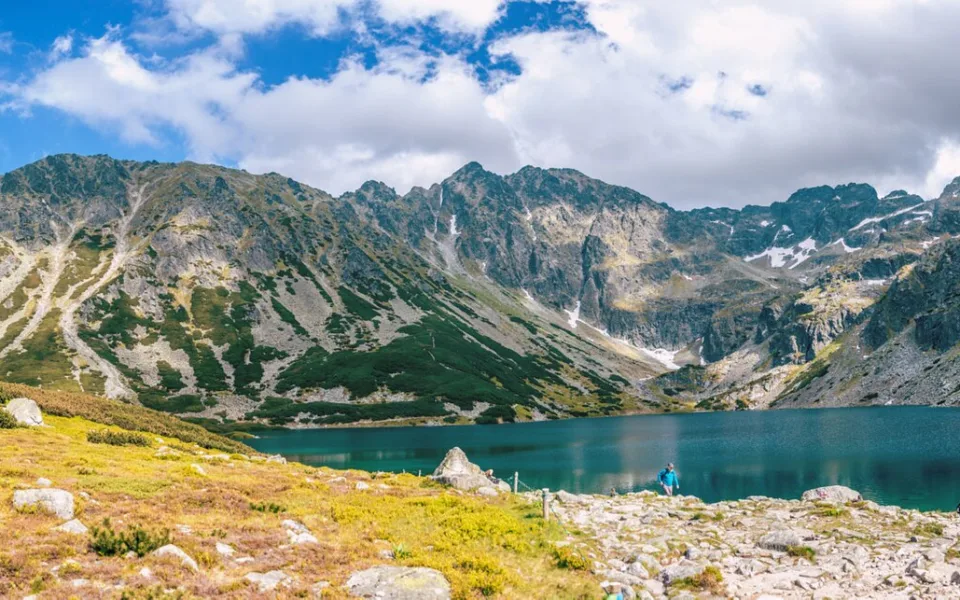
Time and pace in Tatra Mountains and Karkonosze Mountains
Ideal stay. Tatra Mountains: 4 to 6 nights with weather alternatives. Karkonosze Mountains: 3 to 5 nights split around one gateway.
Pace. Tatra Mountains: Active, with long trailhead queues and demanding route choices. Karkonosze Mountains: Active but more adaptable across waterfalls, ridges and lower paths.
Accommodation pressure. Tatra Mountains: Very high in summer, winter holidays and long weekends. Karkonosze Mountains: High in Karpacz and Szklarska Poręba on summer and winter peaks.
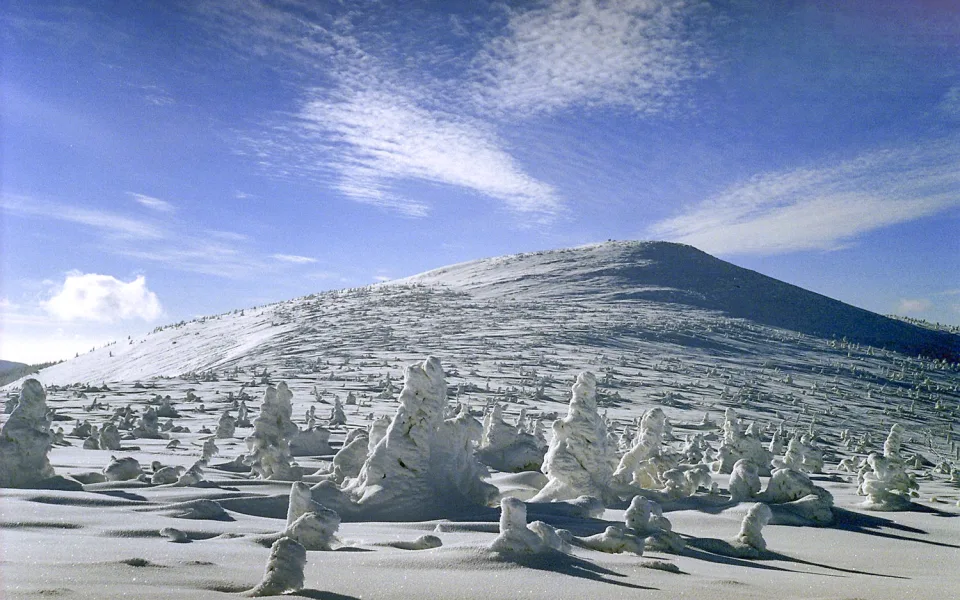
Transport in Tatra Mountains and Karkonosze Mountains
Transport. Tatra Mountains: Rail or coach to Zakopane, then named local minibuses to trailheads. Karkonosze Mountains: Rail toward Jelenia Góra or Szklarska Poręba plus regional buses.
Car usefulness. Tatra Mountains: Usually low because trailhead parking is constrained and local transport is preferable. Karkonosze Mountains: Optional for moving between gateways, unnecessary for a rail-based single base.
Day trips. Tatra Mountains: A Kraków day trip is too compressed for a responsible substantial hike. Karkonosze Mountains: Possible from Wrocław only for a short lower route, not a full ridge day.
Best onward route. Tatra Mountains: Return by rail or coach to Kraków for national connections. Karkonosze Mountains: Regional rail to Wrocław for onward Polish or Czech routes.
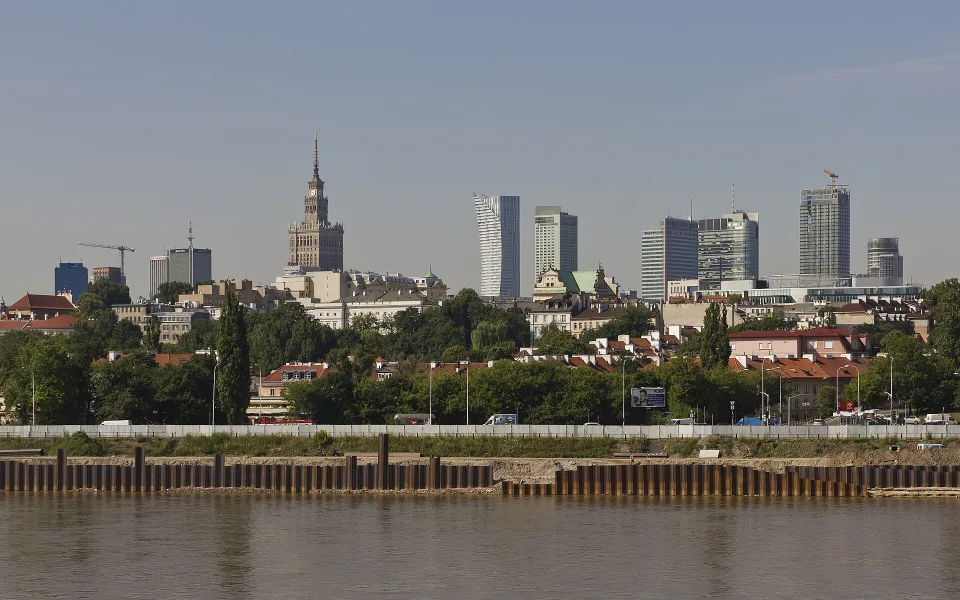
Season and access in Tatra Mountains and Karkonosze Mountains
Seasonal differences. Tatra Mountains: General hiking window is short and snow or storms affect high routes well into shoulder months. Karkonosze Mountains: A somewhat broader lower-route season still includes wind, snow and park closures.
Accessibility. Tatra Mountains: High trails are not generally accessible; select lower facilities using park guidance. Karkonosze Mountains: Some visitor facilities and lower routes are easier, but mountain terrain remains limiting.
Choosing between Tatra Mountains and Karkonosze Mountains
Main trade-off. Tatra Mountains: Greater alpine drama, with harder terrain, bigger crowds and tighter safety margins. Karkonosze Mountains: More flexible walking, with lower elevations and less alpine character.
Final verdict. Tatra Mountains: Choose the Tatras for high-mountain ambition and disciplined route planning. Karkonosze Mountains: Choose the Karkonosze for a more flexible rail-led hiking break.
Read the two destination guides
Planning sources
Transport, visitor information and attraction details can change. Check the official pages before booking.
- Regions of Poland Polish Tourism Organisation, checked 2 September 2026
- Passenger Portal PKP Polskie Linie Kolejowe, checked 2 September 2026
- Tatra National Park Tatra National Park, checked 30 August 2026
- Karkonosze National Park Karkonosze National Park, checked 30 August 2026
Comparison reviewed 3 September 2026.