
| Detail | Maramureș | Bucovina |
|---|---|---|
| Overall character | A broad living rural region of wooden churches, farm villages and layered Romanian, Hungarian, Jewish and Ukrainian heritage. | A hill and valley region centred on painted Orthodox monasteries and Romanian Bucovinian traditions. |
| Best traveller fit | Slow travellers interested in village life, wooden architecture and a multi-day road circuit. | Heritage and religious-art visitors who want a focused monastery route. |
| Ideal stay | Four to six nights. | Three to five nights. |
| Pace | Slow, with long rural roads and time needed for respectful visits. | Slow to moderate, with a clearer circuit between major monasteries. |
| Accommodation pressure | Generally low, with pressure around holidays and special railway dates. | Moderate around religious holidays and peak summer tour periods. |
| Transport | Baia Mare and Sighet are gateways, but village links are thin. | Rail reaches Suceava and Gura Humorului, then road transport serves monasteries. |
| Car usefulness | Strongly useful for a meaningful regional route. | Useful for the monastery circuit, though a reserved driver can replace it. |
| Day trips | Săpânța, Sighet, Bârsana, Breb and the Vaser Valley with separate planning. | Voroneț, Humor, Moldovița, Sucevița and Suceava with a focused circuit. |
| Seasonal differences | Best from May to October, with winter journeys requiring serious road checks. | Best from May to October, while religious holidays create both meaning and pressure. |
| Accessibility | Village surfaces, church steps and long vehicle days require careful selection. | Monastery compounds vary, but a driver can reduce walking between entrances. |
| Main trade-off | Richer regional variety, but more complex transport and a longer stay. | A clearer heritage theme and route, but less variety outside monasteries. |
| Best onward route | Continue east to Bucovina on a reserved daylight transfer, or west to Cluj. | Continue to Iași, Cluj via a long transfer, or south through Moldavia. |
| Final verdict | Choose Maramureș for a broad rural culture trip. | Choose Bucovina for a focused painted-monastery route. |
Maramureș rewards more time and curiosity across several living communities. Bucovina is easier to structure around a clear circuit of painted monasteries.
The basic difference between Maramureș and Bucovina
Overall character. Maramureș: A broad living rural region of wooden churches, farm villages and layered Romanian, Hungarian, Jewish and Ukrainian heritage. Bucovina: A hill and valley region centred on painted Orthodox monasteries and Romanian Bucovinian traditions.
Best traveller fit. Maramureș: Slow travellers interested in village life, wooden architecture and a multi-day road circuit. Bucovina: Heritage and religious-art visitors who want a focused monastery route.
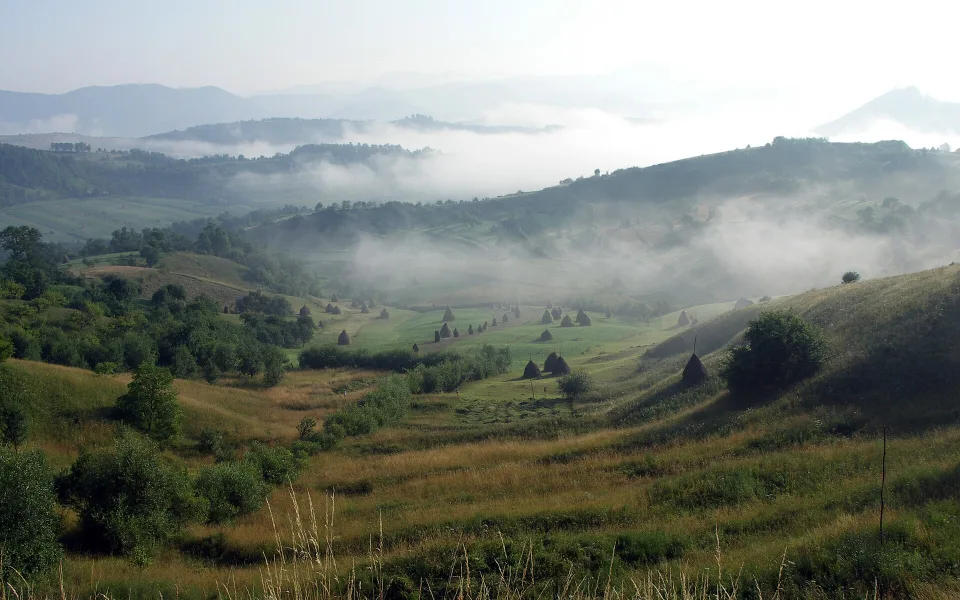
Time and pace in Maramureș and Bucovina
Ideal stay. Maramureș: Four to six nights. Bucovina: Three to five nights.
Pace. Maramureș: Slow, with long rural roads and time needed for respectful visits. Bucovina: Slow to moderate, with a clearer circuit between major monasteries.
Accommodation pressure. Maramureș: Generally low, with pressure around holidays and special railway dates. Bucovina: Moderate around religious holidays and peak summer tour periods.
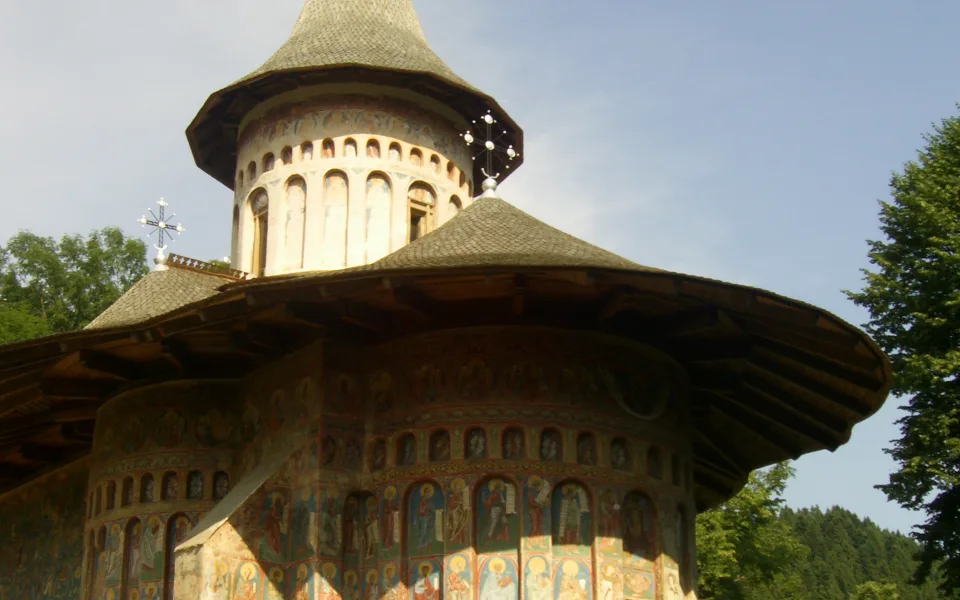
Transport in Maramureș and Bucovina
Transport. Maramureș: Baia Mare and Sighet are gateways, but village links are thin. Bucovina: Rail reaches Suceava and Gura Humorului, then road transport serves monasteries.
Car usefulness. Maramureș: Strongly useful for a meaningful regional route. Bucovina: Useful for the monastery circuit, though a reserved driver can replace it.
Day trips. Maramureș: Săpânța, Sighet, Bârsana, Breb and the Vaser Valley with separate planning. Bucovina: Voroneț, Humor, Moldovița, Sucevița and Suceava with a focused circuit.
Best onward route. Maramureș: Continue east to Bucovina on a reserved daylight transfer, or west to Cluj. Bucovina: Continue to Iași, Cluj via a long transfer, or south through Moldavia.
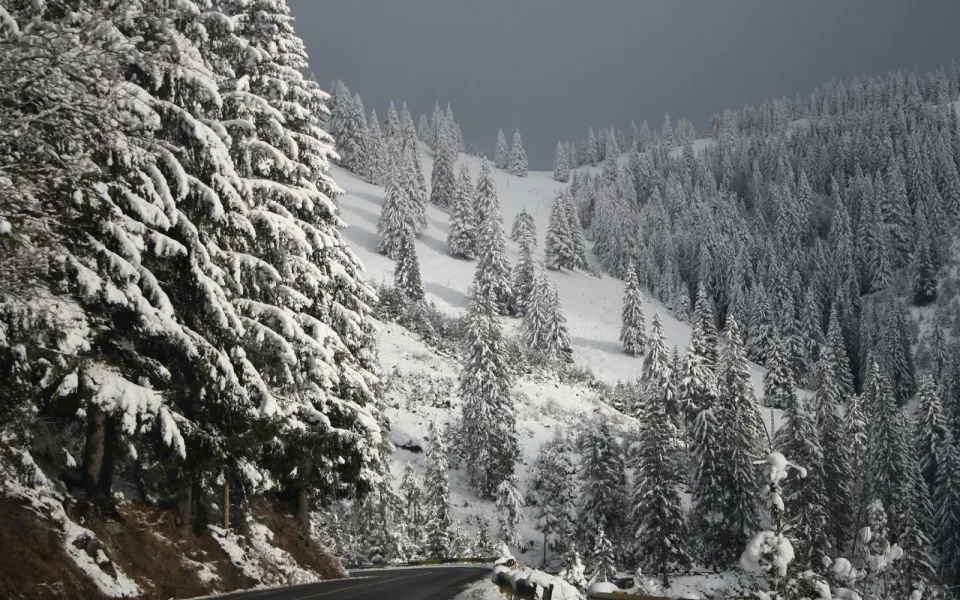
Season and access in Maramureș and Bucovina
Seasonal differences. Maramureș: Best from May to October, with winter journeys requiring serious road checks. Bucovina: Best from May to October, while religious holidays create both meaning and pressure.
Accessibility. Maramureș: Village surfaces, church steps and long vehicle days require careful selection. Bucovina: Monastery compounds vary, but a driver can reduce walking between entrances.
Choosing between Maramureș and Bucovina
Main trade-off. Maramureș: Richer regional variety, but more complex transport and a longer stay. Bucovina: A clearer heritage theme and route, but less variety outside monasteries.
Final verdict. Maramureș: Choose Maramureș for a broad rural culture trip. Bucovina: Choose Bucovina for a focused painted-monastery route.
Read the two destination guides
Planning sources
Transport, visitor information and attraction details can change. Check the official pages before booking.
- Romanian rail journey planning CFR Călători, checked 2 September 2026
- Bucovina tourism Suceava County Council, checked 30 August 2026
- Visit Maramureș Maramureș Destination Management Organisation, checked 30 August 2026
Comparison reviewed 3 September 2026.