
| Detail | Germany | Netherlands |
|---|---|---|
| Best fit | Multi-city routes with strong regional differences | Compact rail trips with several easy day journeys |
| Useful trip length | Seven to ten days for a selective first route | Five to eight days for Amsterdam and two or three additions |
| Route scale | Large country requiring clear regional choices | Shorter distances between the main cities |
| Rail travel | Extensive intercity network with longer legs | Dense national network with frequent short journeys |
| City character | Several large centres with distinct histories and identities | Canal cities, modern architecture and compact historic centres |
| Landscape choice | Alps, forests, river valleys, lakes and coasts | Dunes, islands, wetlands and flat rural landscapes |
| Cycling and walking | Strong local options that vary by region | Cycling is central, with busy rules and lanes to learn |
| Car usefulness | Helpful for remote rural areas, unnecessary on the main city route | Usually unnecessary for cities and established visitor routes |
Germany and the Netherlands are easy to connect, but they produce different trips. Germany needs more selective regional planning. The Netherlands places several major cities within a much smaller rail network.
Choose by scale and route shape
Germany rewards a route through several regions, each with distinct cities and landscapes. The Netherlands is smaller, so one or two bases can support a wider share of a first trip.
Choose Germany when several substantial city stays are part of the plan. Choose the Netherlands when short transfers and a compact route matter more than national breadth.
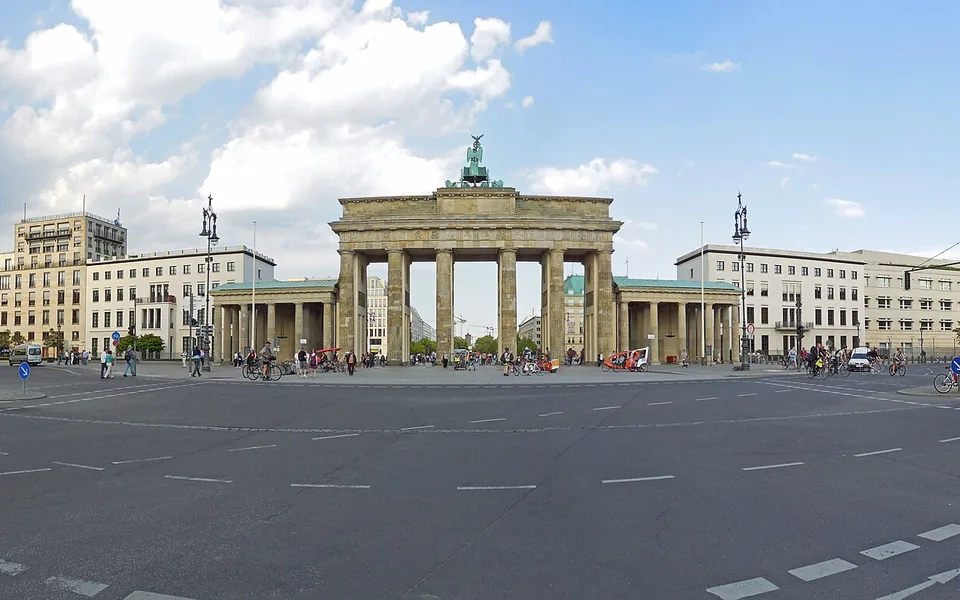
City depth and useful trip length
Berlin, Munich, Hamburg, Dresden and Cologne each justify their own stay, which makes seven to ten days useful for a first German route. Trying to cover opposite ends of the country in less time creates avoidable travel days.
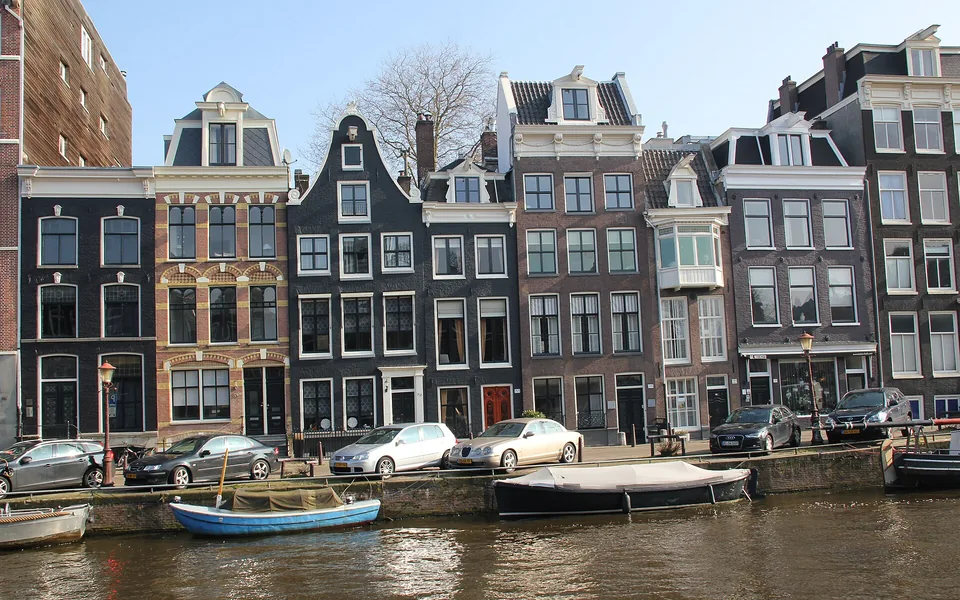
Five to eight days can combine Amsterdam with Utrecht, Rotterdam, The Hague or a smaller historic city. Amsterdam still needs several nights if its museums are the main reason for travelling.
Rail, local transport and driving
Germany has an extensive intercity network, but long-distance disruption and engineering work require recovery time. A car is most useful for rural districts, not the main city route.
Frequent Dutch trains and local transport make a car unnecessary for the main cities. Cycling can be part of the journey, but unfamiliar traffic rules and busy urban lanes still require care.
Landscapes and seasonal choices
Germany offers Alpine areas, forests, river valleys, lakes and two coastlines, but these places add distance. The Netherlands offers dunes, islands, wetlands and flat cycling landscapes within a tighter area.
Both countries work throughout the year for cities. Spring supports gardens and cycling, summer helps coastal plans, and winter is better treated as a culture-led trip with local weather and event checks.
Which country fits the first trip?
Pick Germany for greater regional contrast, larger museums and a longer multi-city rail journey. Pick the Netherlands for shorter travel days, dense urban connections and easier day trips from a small number of bases.
They can be combined by international rail, but a short holiday should not reduce either country to a station stop. Keep at least one proper base on each side of the border.
Compare the two country routes
Planning sources
Transport, visitor information and attraction details can change. Check the official pages before booking.
- Germany travel planning German National Tourist Board, checked 2 September 2026
- DB passenger information Deutsche Bahn, checked 2 September 2026
- Official Netherlands visitor information Netherlands Board of Tourism and Conventions, checked 2 September 2026
- NS passenger information Nederlandse Spoorwegen, checked 29 August 2026
- Rail travel in Germany German National Tourist Board, checked 3 September 2026
Comparison reviewed 3 September 2026.